Where to Take a Basset Hound Puppy Before Full Cover
Bringing home a floppy-eared Basset Hound puppy is an absolute joy, but it often comes with a secret anxiety: how do you introduce your little bundle of wrinkles to the big wide world without exposing them to all the scary germs out there? It’s a real tightrope walk, wanting them to be well-adjusted and confident, but also protecting their fragile immune system before they’ve had all their vaccinations. This guide aims to ease that worry by exploring how you can safely socialize your Basset Hound puppy and give them enriching experiences long before they’re fully covered against common canine diseases.
Navigating the Great Outdoors with Your Vulnerable Basset Hound Puppy
The period between eight and sixteen weeks of age is often called the "critical socialization window" for puppies, and it's a vital time for them to learn about the world around them. Yet, this is also precisely when their vaccine series is still in progress, leaving them vulnerable to illnesses like parvovirus and distemper. It's a genuine dilemma, leaving many Basset Hound owners feeling stuck between a rock and a hard place. You want a well-adjusted, friendly adult Basset, but you certainly don't want to risk their health in the process.
The Critical Window: Why Early Experiences Matter
During this crucial developmental stage, puppies are like sponges, soaking up every experience, sound, sight, and smell. Positive exposure to different people, friendly dogs, various environments, and novel sensations helps shape them into resilient, confident adults. Without adequate, safe socialization, Basset Hounds can develop fear-based behaviors, anxiety, or aggression later in life. Imagine a Basset Hound that's never heard a bus or seen a child before its vaccine series is complete; suddenly, these everyday occurrences can become terrifying rather than just new. This is why it’s so important to think proactively about safe exposures.
For a Basset Hound puppy, especially one with their keen nose, every new scent is an adventure. Denying them these experiences during their formative weeks can set them back developmentally. Their world needs to be expanding, even if it's in a carefully controlled manner. The aim isn't to wrap them in cotton wool but to provide curated, low-risk encounters that contribute positively to their understanding of the world without compromising their health.
The Vaccination Reality: When "Full Cover" Kicks In
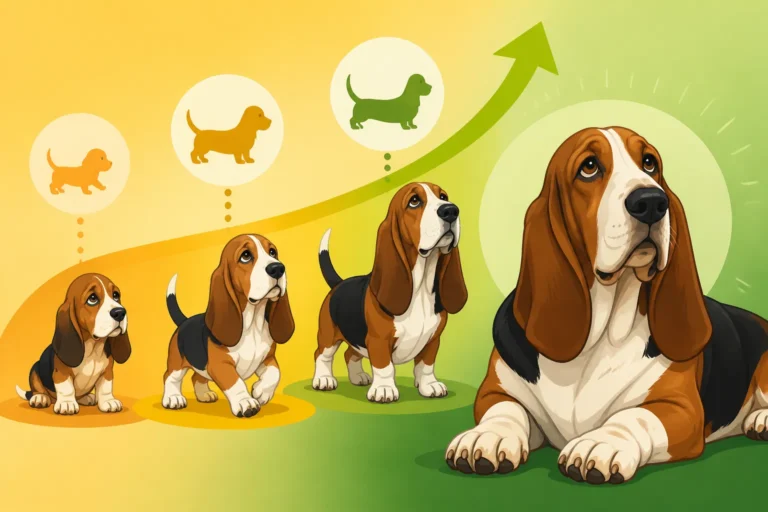
Most veterinarians recommend a series of vaccinations for puppies, typically starting around 6-8 weeks of age and continuing every 3-4 weeks until the puppy is around 16 weeks old. The "full cover" or maximum protection usually kicks in about 1-2 weeks after the final booster shot in this series. This means there's a significant window – often from about 8 to 18 weeks of age – where your Basset Hound puppy has some protection, but not robust immunity, and is still considered at risk for contracting highly contagious and potentially fatal diseases.
This period can feel incredibly long, especially when you see other puppies out and about. It's frustrating to feel like you're missing out on vital socialization time. However, understanding this timeline is key to making informed decisions. Your veterinarian is your best resource here; they can provide specific advice based on the disease prevalence in your local area and your puppy's individual vaccine schedule. Don't hesitate to discuss your concerns about socialization and disease risk with them. They often have local knowledge about what's safer or riskier in your community.
Creating a Safe Bubble for Puppy Exploration
So, if you can't just take your Basset Hound puppy everywhere, what can you do? The trick is to create a "safe bubble" where they can still learn and interact without unnecessary exposure to pathogens. This isn't about isolation; it's about intelligent, proactive exposure. We're looking for environments where you can control the cleanliness and the health status of other dogs your puppy might encounter.
Controlled Environments for Early Socialization
One of the best places to start is within your own home and yard, assuming your yard isn't frequented by unvaccinated dogs or wildlife. Invite vaccinated, healthy adult dogs belonging to friends or family over for playdates. Ensure these dogs are calm, gentle, and have a good history with puppies. A good rule of thumb is to only let your puppy interact with dogs you know are fully vaccinated and have no history of illness.
Consider exploring places that are not high-traffic dog areas. For example, a friend's private, fenced yard where no other dogs have been recently, or even a clean, enclosed porch or patio can offer new sights and sounds safely. Car rides are also fantastic for exposing your Basset Hound puppy to different sounds, movements, and visual stimuli without direct ground contact. Just make sure the car ride is positive and doesn't cause motion sickness, which can be an issue for some Basset Hounds. You want them to associate car rides with good things!
The Role of Puppy Classes and Controlled Play
Puppy socialization classes are often a veterinarian-approved gold standard during this vulnerable period. Reputable puppy classes require all attendees to be up-to-date on their age-appropriate vaccinations and often have strict cleaning protocols for their facilities. This creates a supervised, safe environment for puppies to learn crucial social skills with other puppies and people, all under the guidance of a professional trainer. These classes offer invaluable opportunities for your Basset Hound to learn appropriate play behavior, bite inhibition, and basic manners.
When choosing a puppy class, ask about their vaccination requirements, class size, and trainer qualifications. A good class will prioritize health and safety just as much as training. Brands like BAXTER & Bella offer online puppy training programs that can complement in-person classes or provide a robust alternative if local options are limited. Their structured approach can guide you through crucial socialization steps, often with resources for safe outdoor adventures once appropriate. These programs can be a lifesaver for busy owners or those in areas with fewer in-person options.
| Environment Type | Risk Level | Description & Best Practices |
|---|---|---|
| Your Home/Private Yard | Low | Ideal for first exposures. Ensure yard is free of waste from unknown animals. Invite only healthy, fully vaccinated, dog-friendly adult dogs. |
| Puppy Socialization Class | Low | Look for classes requiring age-appropriate vaccinations for all puppies, sanitized facilities, and professional supervision. Excellent for supervised play and social learning. |
| Friends' Homes/Yards | Low | Similar to your own, but confirm their yard is safe and any resident dogs are healthy and vaccinated. |
| Car Rides | Very Low | Great for exposing to new sights, sounds, and motion without ground contact. Keep windows slightly open for smells, but secure your puppy safely. |
| Pet Stores (Carry-only) | Moderate | Only if you carry your puppy. Avoid letting them walk on the floor. Exposure to new sights, sounds, and smells from a safe height. Be mindful of dropped treats or accidents. |
| Low-Traffic Nature Trails | Moderate | Choose trails where dog traffic is minimal, especially if dogs are required to be on leash. Avoid areas where you see a lot of dog waste or communal water bowls. Stay on the path. |
| High-Traffic Dog Parks | High | AVOID COMPLETELY until your puppy is fully vaccinated and has a robust immune system. Too many unknown dogs, vaccination statuses, and potential for illness. |
| Public Sidewalks/Pavement | Moderate | If you must walk, choose areas without heavy dog traffic and immediately pick up any dropped food or clean up after your puppy. Avoid sniffing directly on the ground. |
| Rest Stop Grass Areas | High | These areas are frequently used by many different dogs, making them high-risk for exposure to viruses and parasites. |
Building Confidence at Home and Beyond
Beyond formal classes and safe playdates, there's a wealth of socialization you can do right in your own home and in carefully selected environments. Remember, the goal is exposure to novelty – new sights, sounds, textures, and smells – in a positive context, even if it's not always direct interaction with other dogs. This stage is critical for helping your Basset Hound understand that the world is generally a safe and interesting place.
Home-Based Training and Enrichment
Your home is a fantastic laboratory for socialization. Introduce your Basset Hound puppy to different sounds via recordings – city noises, thunderstorms, vacuums, children playing. Play dress-up (gently, of course) with hats or sunglasses to accustom them to unusual appearances. Expose them to different floor textures – carpet, tile, hardwood, outdoor mats. Engage them with various objects, from crinkly toys to soft blankets. Each of these experiences, paired with positive reinforcement (tasty treats work wonders for a Basset!), builds their confidence and adaptability. Getting a Basset Hound Used to Ear Handling as a Puppy and other grooming routines can also start at home, making future vet visits or professional grooming less stressful.
Interactive toys, puzzle feeders, and snuffle mats are wonderful for engaging your Basset Hound's incredible nose and mind, keeping them stimulated even indoors. Amazon offers a wide array of these enrichment tools that can be delivered right to your door, making it easy to keep your pup happy and challenged. Working on basic commands like "sit," "stay," and "come" in a low-distraction home environment is also crucial. These early training successes build a strong bond between you and your Basset and set the foundation for more complex learning later on. Whether a Basset Hound Learns Slowly is a common concern, but consistent, positive reinforcement training works wonders.
Carefully Chosen Public Excursions
Once your Basset Hound puppy has had their first couple of rounds of vaccinations and your vet gives the okay for some limited outdoor exposure, you can begin very carefully chosen public excursions. The key here is "low risk, high reward." Think of places where you can observe the world without your puppy having direct ground contact or close interaction with unknown dogs.
- Car rides to busy areas: Drive to a park, mall parking lot, or school (when no children are present) and simply sit in your car with your puppy, windows slightly down. Let them watch people, cars, and hear sounds from the safety of your vehicle. This passive exposure is incredibly valuable.
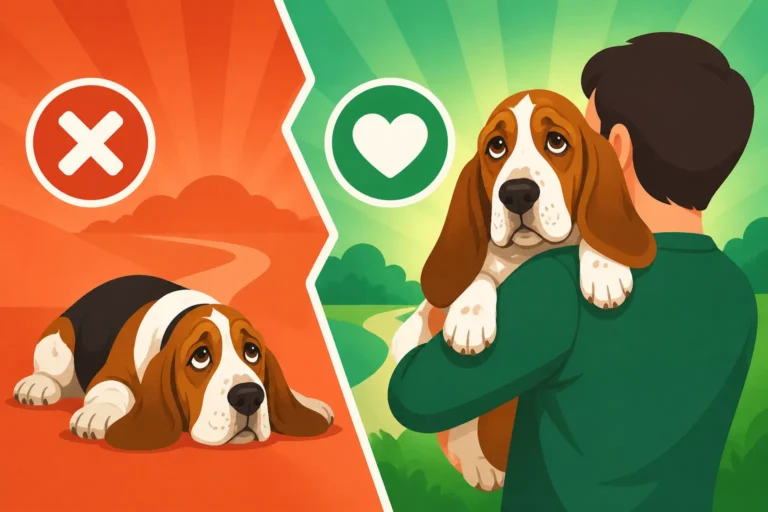
- Carrying your puppy: If your Basset Hound puppy isn't too heavy, carry them in a sling or a sturdy carrier through outdoor shopping centers (where dogs are permitted but not on the ground) or quiet parts of a park. This allows them to experience new sights, sounds, and smells from a safe vantage point, away from potential contaminants. Just be mindful of their comfort and your back!
- Visits to trusted, private spaces: As mentioned, a friend or family member's home who has a clean yard and healthy, vaccinated dogs can be a great outing. This offers a change of scenery and safe social interaction.
- Observing from a distance: If you visit an outdoor cafe where dogs are allowed, keep your Basset Hound puppy in a carrier or on your lap, safely away from the floor and other dogs. They can still take in the atmosphere, sights, and sounds.
Always bring a blanket or towel for them to rest on, so they don't directly touch public surfaces. Always carry puppy wipes and bags to clean up any accidents immediately. The goal is to make every outing a positive, controlled learning experience.
Essential Tools and Practices for Safe Puppy Outings
Even with the most careful planning, taking your Basset Hound puppy out before full vaccination requires a few extra precautions. These simple habits and tools can make a big difference in keeping your pup safe and healthy while still allowing them to explore and grow.
Hygiene Habits for Your Adventurous Pup
Maintaining impeccable hygiene is paramount during this vulnerable period. If your Basset Hound puppy has even brief contact with a public surface, clean their paws thoroughly with pet-safe wipes as soon as you get home. It’s surprising how many pathogens can be tracked indoors on paws. Make sure your puppy doesn't walk where you've seen other dogs have accidents. If you're visiting a friend's yard, ask if you can hose down a small section before your puppy plays there.
Always carry a small bottle of hand sanitizer for yourself and use it after handling your puppy in public, especially before eating or touching your face. When your Basset Hound puppy needs to relieve themselves outside, try to steer them toward areas that appear less frequented by other dogs. Immediately pick up their waste to prevent the spread of any potential parasites they might inadvertently carry. Don't forget that their long, sweeping ears can drag on the ground, so a quick wipe down of the ear leather when you get home is also a good idea. Whether a Basset Hound's Ears Drag Through Its Food is a common observation, and this extends to the ground as well.
Harnessing Support for Puppy Parents
Being a puppy parent, especially to a Basset Hound, can be overwhelming. There's so much to learn, from The First Year With a Basset Hound Puppy to figuring out How Long a Basset Hound Puppy Takes to House Train. Don't hesitate to lean on resources and professional help. Your veterinarian is your primary partner in your puppy's health and will guide you on vaccination schedules and local disease risks. Professional dog trainers can offer invaluable advice on socialization techniques that prioritize safety.
Online communities and forums dedicated to Basset Hounds can also provide a supportive network where experienced owners share tips and tricks. Just remember to always verify health-related advice with your vet. Consider investing in a comfortable, well-fitting harness rather than just a collar for your Basset Hound puppy when you do start going on walks. Their necks are sensitive, and a harness distributes pressure more evenly, making the experience more comfortable for them. Amazon has a wide selection of harnesses suitable for puppies. Remember, every positive interaction and safe exposure you provide helps build a confident, happy Basset Hound, ready to take on the world once fully protected.
Disclaimer
This article is for general informational purposes only and does not constitute professional advice. Laws, prices and regulations vary by location and change over time. Consult a qualified professional for guidance on your specific situation.