Whether a Basset Hound Barks at the Door
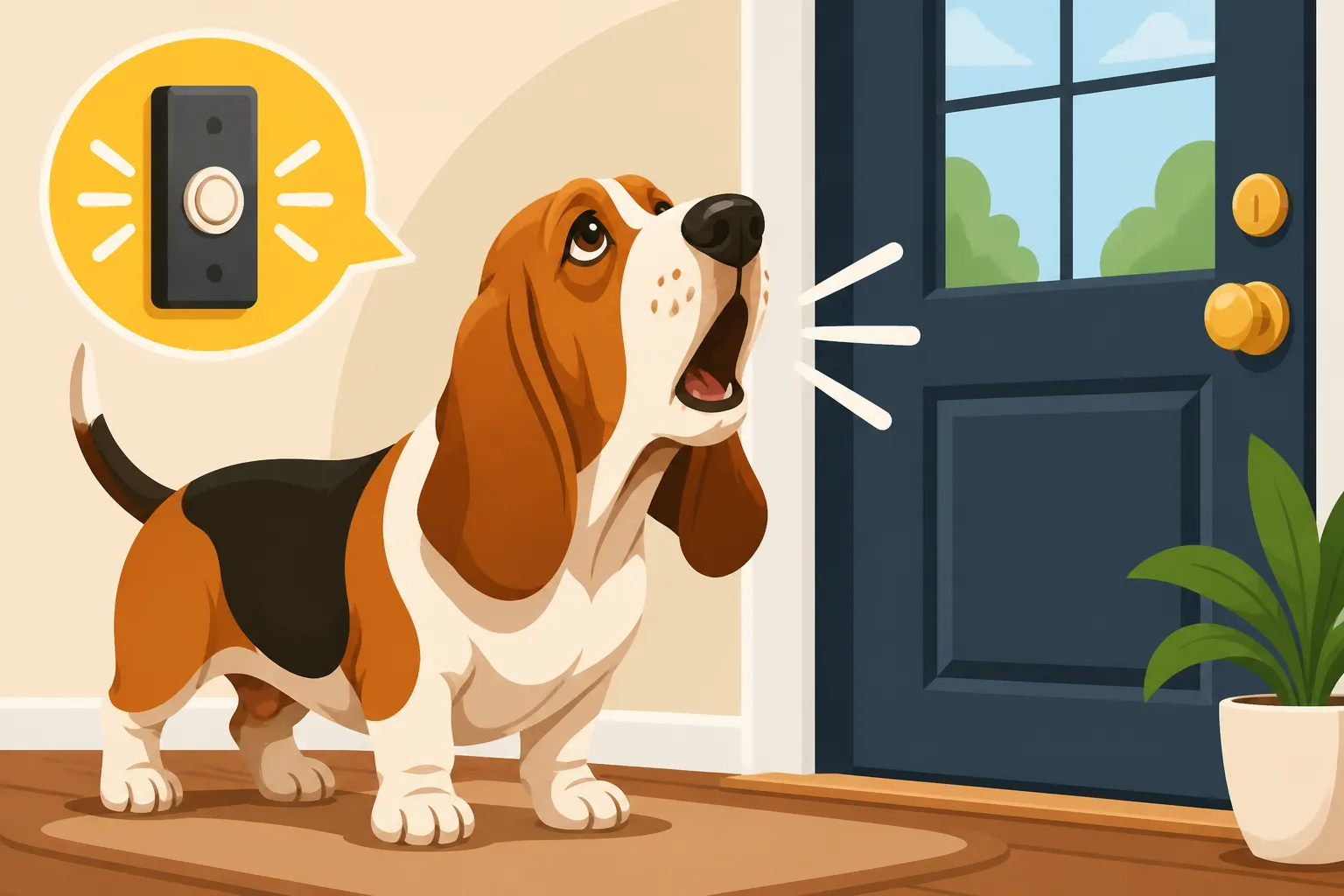
Oh, the infamous Basset Hound door bark! If you're wondering whether your floppy-eared friend is going to announce every visitor, delivery driver, or even a passing leaf with a booming vocal performance, you've come to the right place. Many Basset owners grapple with this particular aspect of their hounds, and it's a deeply rooted trait. This guide will dive into why Basset Hounds tend to be so vocal at the door and, more importantly, offer realistic, empathetic strategies to help manage this very Basset-y behavior.
The Basset Hound's Natural Vocal Tendencies
Let's be real, Basset Hounds are hounds. Their very existence is steeped in a history of using their voices to communicate, primarily when on a scent trail. Expecting a Basset to be completely silent is a bit like expecting a fish not to swim – it goes against their very nature. Understanding this fundamental aspect of their breed is the first step in managing their door-barking tendencies.
Understanding the "Bay" and Its Purpose
The Basset Hound's signature vocalization isn't just a bark; it's often a deep, resonant bay. This isn't your average yappy terrier bark. A Basset's bay is a powerful, far-reaching sound designed to carry over long distances, letting hunters know they've found a trail or are closing in on quarry. In their ancestral role, this bay was crucial. It was the communication tool that kept the pack together and informed the human hunter of their progress, even when out of sight. Imagine a group of Bassets, noses to the ground, trailing through dense underbrush. That bay was their GPS, their status update, and their communal song.
Now, bring that instinct into your quiet suburban home. When your Basset hears or smells something new outside the door, that ancient instinct kicks in. They're not just barking; they're announcing. They're telling you, "Hey, human! Something's here! I've detected it! Are you aware?" It's their way of alerting the "pack" (you!) to potential intruders or exciting new scents. Sometimes, it's just pure, unadulterated joy or curiosity about the stimulus. If you live in an apartment or close quarters, you know this bay can be a real point of contention with neighbors, which is a common frustration for many Basset owners. The Bay a Basset Hound Uses and the Neighbors Hear delves into this in more detail.
Why a Basset Hound Might Be More Vocal Than You Think
While the bay is iconic, Basset Hounds can exhibit a range of other vocalizations too. They might whine, huff, grumble, or let out a series of sharp barks that are distinct from their bay. Their strong prey drive and incredible sense of smell mean they live in a world of information we can barely fathom. A leaf blowing down the street carries a thousand scents to a Basset. A distant garbage truck is a cacophony of new sounds.
This heightened sensory input means they have a lot to react to. What seems like nothing to us can be a huge event for them. Frustration, excitement, boredom, or even a need for attention can all trigger vocal responses, especially around the "door" context. A Basset might bark at the door because they're genuinely excited to greet someone, because they're anxious about someone approaching their territory, or simply because they've learned that barking gets your attention – and sometimes, any attention is good attention in their book. Their deep-seated independence, a hallmark of many scent hounds, also means they're often not looking to please you in the same way some other breeds might. They're driven by their nose and their own internal motivations. Why a Basset Hound Stops Hearing You When It Smells Something offers more insight into this.
Common Triggers for Door Barking in Basset Hounds
Understanding the "why" behind the barking is crucial for effectively managing it. It’s rarely just random noise; there's almost always a trigger, even if it's invisible to us.
The Scent and Sound of the Unknown
Your Basset Hound is essentially a living, breathing, low-to-the-ground scent detector. Long before you hear the doorbell, your Basset has likely picked up the distinct scent of a human or another animal approaching your property. They might also hear the subtle crunch of gravel, the squeak of a shoe on the sidewalk, or the rumble of an approaching vehicle far sooner than your human ears register anything.
For a Basset, these are not just sensory inputs; they are information that demands a response. Their instinct is to alert you to this information, and their primary means of doing so is vocalization. They might stand at the window, their deep jowls quivering, letting out a low grumble that quickly escalates to a full-blown bay or bark as the stimulus gets closer. This isn't necessarily aggression; it's often their way of saying, "Heads up! Something's happening!" It's a natural guardian instinct, albeit one that can be a bit much when the "intruder" is merely the mail carrier.
Excitement, Anxiety, or Resource Guarding
Basset Hounds, despite their generally laid-back demeanor, can experience a range of emotions that manifest as door barking:
- Excitement: Many Bassets simply adore people. A knock on the door or the sound of someone arriving can trigger immense excitement, leading to frantic barking, tail wags, and even a little happy pee. They want to be part of the action, to greet the newcomer with all the enthusiasm their low-rider bodies can muster.
- Anxiety: For some Bassets, the unknown at the door can be genuinely unsettling. They might worry about who is approaching their territory or feel anxious about their family being "threatened." This can escalate to frantic barking, pacing, or even hiding. This type of barking often has a different tone – more frantic, higher pitched, and less like a happy bay. Separation anxiety, or even just being left alone for too long, can also contribute to heightened reactivity when sounds occur at the door, as they might feel more vulnerable. How Long a Basset Hound Can Be Left Alone touches on this.
- Resource Guarding: While less common for just the door, some Bassets might perceive visitors as a threat to their resources – their favorite spot on the sofa, their food bowl, or even you. This can lead to more assertive, territorial barking, often accompanied by rigid body language. It's crucial to differentiate this from simple excitement or anxiety, as resource guarding requires a different training approach.
Attention-Seeking Behavior
Let's be honest, Bassets are masters of subtle manipulation. They learn quickly what gets a reaction from us. If every time they bark at the door, you rush over, look out the window, tell them to be quiet, or even scold them, you're giving them attention. To a Basset, even negative attention is often better than no attention. They might learn, "Oh, if I bark at the door, my human comes running!"
This creates a self-reinforcing cycle. The dog barks, you respond, and the dog learns that barking is an effective way to control your movements and attention. This doesn't mean you should ignore a genuine threat, but it highlights the importance of being mindful of how you react to their vocalizations. Often, this type of barking can be the most frustrating because it feels so intentional and persistent.
Strategies for Managing Door Barking in Your Basset Hound
Okay, so we understand why they do it. Now, what can we actually do about it? Remember, we're not aiming for a completely silent Basset – that's often unrealistic and unfair to their nature. Instead, we're aiming for management and training to reduce excessive barking and teach them a more appropriate response.
Proactive Management and Environmental Control
The first line of defense is often managing the environment to reduce the triggers or make them less impactful.
- Block Visual Stimuli: If your Basset barks at everything they see outside the window, consider using privacy film, frosted glass, or simply keeping blinds or curtains closed. If they can't see the mailman, they're less likely to react as strongly. For some, even a piece of decorative cling film on the lower portion of a glass door can make a world of difference.
- Muffle Auditory Stimuli: White noise machines, fans, or leaving a radio/TV on can help mask some of the external sounds that trigger your Basset. Playing classical music or specific "dog calming" playlists might also help.
- Create a "Safe Zone": Train your Basset to go to a designated "place" (a mat, a bed, their crate) away from the door when someone approaches. This gives them a job to do and a quiet space to retreat to. You can find excellent durable mats and crates on platforms like Amazon that can help define this space. Introduce this training gradually, rewarding them heavily for staying in their spot, even when there's no distraction.
- Use Barriers: Baby gates can be invaluable for keeping your Basset away from the front door area when you know visitors are expected or when there's high foot traffic outside. This prevents them from rushing the door and creates a calmer atmosphere.
Training Techniques for a Quieter Door Response
Management is great, but training teaches your Basset what to do instead of barking. This is where patience and consistency really pay off. What Actually Motivates a Basset Hound is a good read here.
- "Quiet" Cue: Teach your Basset a "quiet" cue. When they bark, let them get a few barks out (to acknowledge their alert) then calmly say "Quiet," and present a high-value treat near their nose. The moment they stop barking to sniff the treat, praise and give the treat. Repeat, gradually increasing the duration of silence needed before the reward. The goal is not to punish the bark, but to reward the silence. Teaching a Basset Hound a Quiet Cue offers specific steps for this.
- Counter-Conditioning: This involves changing your Basset's emotional response to the trigger. If they associate the doorbell with an incoming visitor (and thus, barking), you can change that association. Ring the doorbell, then immediately give your Basset a super high-value treat (like a piece of cooked chicken or cheese). Repeat this many times without anyone actually coming to the door. The goal is for them to hear the doorbell and think, "Yay, treats!" instead of "Intruder!"
- "Go to Place" with Visitors: Once your Basset has a solid "place" command, practice it when someone actually comes to the door. Ask them to go to their place before you open the door. Have your visitor wait outside for a moment while you get your Basset settled. Reward your Basset for staying. Only allow them to greet the visitor calmly once they are quiet and settled, if at all. Some dogs do better just staying in their place while the visitor is present, especially if they are over-stimulated easily.
- Professional Help: If you're really struggling, don't hesitate to seek help from a certified professional dog trainer. They can observe your specific situation and provide tailored guidance. Online training programs, like those offered by BAXTER & Bella, can also provide structured courses and support for tackling common behavioral issues, including excessive barking. They often break down complex behaviors into manageable steps, which is incredibly helpful when dealing with a Basset's unique learning style.
Consistency, Patience, and Realistic Expectations
This is perhaps the most important point for any Basset Hound owner. Training a Basset takes a special kind of patience. They are intelligent, but they are also independent and highly scent-driven. They aren't always eager to perform a trick just because you asked; there needs to be something in it for them!
- Consistency is Key: Everyone in the household needs to be on the same page with the training protocols. If one person allows barking and another tries to correct it, your Basset will get confused and the behavior will likely persist.
- Patience, Always Patience: You won't fix years of ingrained barking habits overnight. There will be setbacks. Celebrate the small victories – a shorter barking fit, a quicker "quiet" response.
- Realistic Expectations: Remember, your Basset is a hound. They are bred to be vocal. Eliminating barking entirely might not be possible, nor is it necessarily fair to them. The goal is to reduce nuisance barking and manage it to a tolerable level, ensuring a peaceful home for both you and your neighbors. Embrace their Basset-ness, even the noisy parts, while gently guiding them toward more appropriate behaviors.
When Door Barking Becomes a Bigger Problem
Sometimes, door barking isn't just a quirky Basset trait; it can be a symptom of a deeper issue that needs professional intervention.
Recognizing Signs of Escalating Behavior
While a happy greeting bark or an alert bay is one thing, you should be concerned if the barking is accompanied by other behaviors that suggest fear, aggression, or severe anxiety:
- Aggression: If your Basset's barking is accompanied by growling, lunging, snapping, or trying to bite visitors, this is a serious concern. They might be trying to protect their territory or resources aggressively. This is very different from simply being excited or wanting attention.
- Destructive Behavior: If your Basset is barking excessively and also chewing door frames, scratching at the door, or having accidents when left alone and hearing outside stimuli, it could point to significant anxiety.
- Self-Harm or Panic: In rare cases, severe anxiety can lead to self-mutilation (licking or chewing paws excessively, for instance) or signs of panic, such as frantic pacing, drooling, or inability to settle, especially when visitors are present or sounds occur at the door.
- Inability to Settle: If your Basset remains agitated and barky long after the stimulus (the person at the door) has left, it suggests an inability to regulate their emotions.
Seeking Professional Guidance
If you observe any of these escalating behaviors, or if you feel overwhelmed and unable to make progress with the strategies outlined, it's time to call in the pros.
- Certified Professional Dog Trainer (CPDT-KA): A CPDT-KA has specific knowledge and experience in behavior modification using positive reinforcement techniques. They can come to your home, assess your Basset's behavior in their environment, and develop a personalized training plan. They can also help identify specific triggers you might be missing.
- Veterinary Behaviorist (Dip ACVB): For more severe cases, especially those involving anxiety, aggression, or obsessive behaviors, a veterinary behaviorist is the best choice. These are veterinarians who have specialized in animal behavior and can prescribe medication if necessary, alongside a comprehensive behavior modification plan. They can rule out any underlying medical conditions that might be contributing to the behavior. What a Basset Hound's Yearly Vet Bill Looks Like will give you an idea of overall costs involved in maintaining your Basset's health, which can include behavioral consultations.
Addressing door barking in your Basset Hound is a journey, not a destination. It requires understanding their unique heritage, consistent effort, and a whole lot of love and patience. But with the right approach, you can certainly teach your beloved hound to greet the world with a little less fanfare and a lot more calm.
| Behavior Type | Common Triggers | Tone of Barking | Recommended Approach |
|---|---|---|---|
| Alert/Territorial | Mail carrier, delivery person, unexpected visitors, sounds | Deep bay, often escalating, persistent | Environmental management (blinds), "Quiet" cue, "Go to Place" |
| Excitement/Greeting | Expected visitors, friends arriving, family returning | Happy barks, whining, high-pitched, tail wags | "Go to Place," counter-conditioning, only greet when calm |
| Anxiety/Fear | Unfamiliar people, loud noises, perceived threats | Frantic, high-pitched, sometimes whimpering, pacing | Counter-conditioning, desensitization, professional help for severe cases |
| Attention-Seeking | Any movement/sound at door, owner's attention on door | Can vary, often persistent until owner responds | Ignore until quiet, reward silence, teach alternative behaviors |
Disclaimer
This article is for general informational purposes only and does not constitute professional advice. Laws, prices and regulations vary by location and change over time. Consult a qualified professional for guidance on your specific situation.