Whether a Rescue Basset Hound Can Be Retrained
Bringing a rescue Basset Hound into your home is a truly wonderful act of love, but let's be honest, it often comes with a unique set of challenges. Many of us worry about what past experiences they've had, what habits they've formed, and whether we, as their new family, can ever truly "retrain" them. It’s a completely valid fear – no one wants to feel like they’re failing their new furry friend or battling ingrained behaviors that seem impossible to change. This guide is here to tell you that not only can a rescue Basset Hound be retrained, but the journey of building that trust and shaping new behaviors is one of the most rewarding experiences you can have.
Understanding the Rescue Basset Hound Mindset
When you open your home to a rescue Basset Hound, you're not just getting a dog; you're adopting a story. These hounds often come from situations where consistency was absent, positive reinforcement was rare, or they might have simply been misunderstood. It's easy to label a dog as "stubborn" or "untrainable" when, in reality, they're simply reacting to their past or their inherent breed traits in a way that hasn't been properly guided.
The Impact of Past Experiences
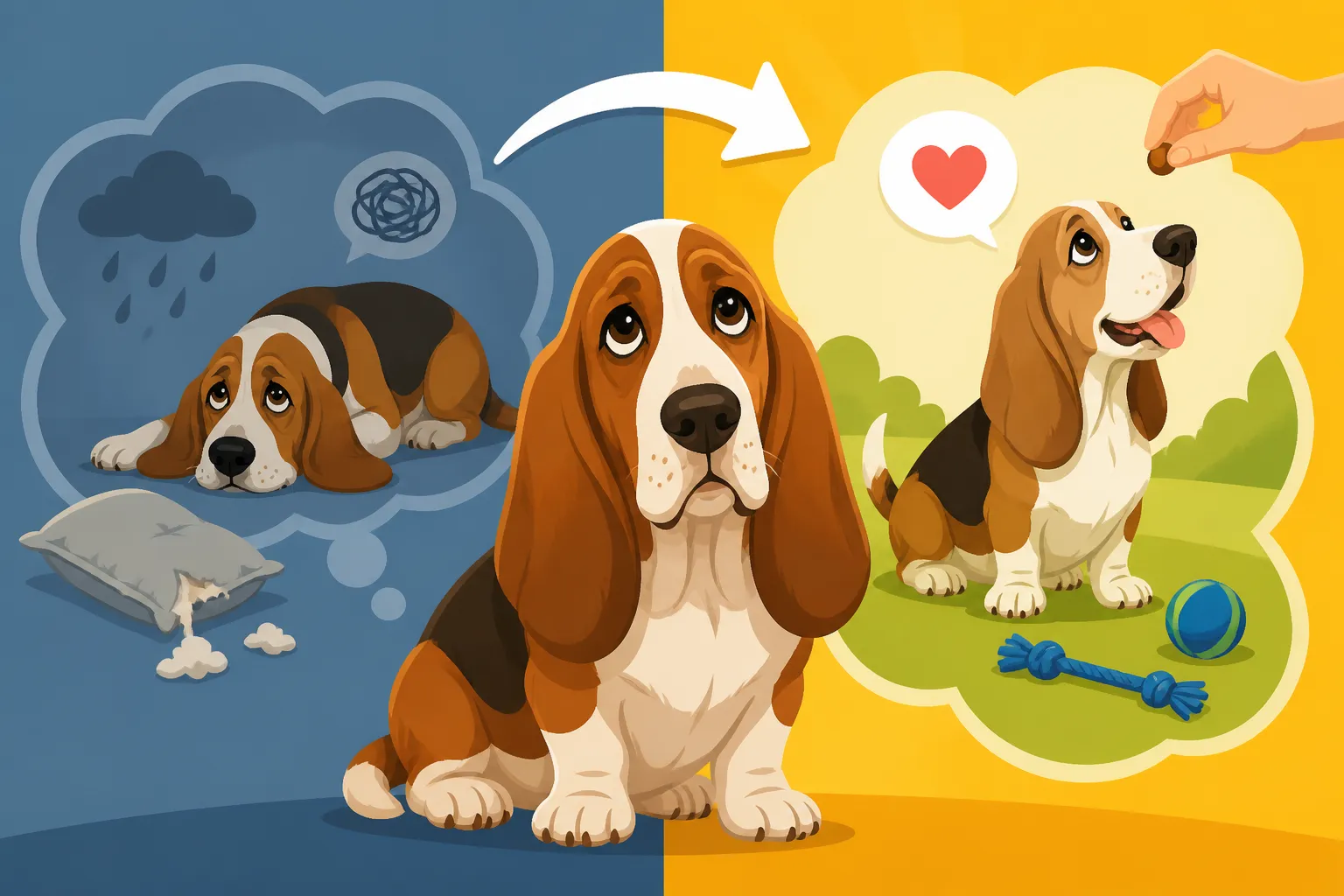
Imagine living in a world where the rules constantly shift, where your actions might sometimes be rewarded and other times met with confusion or even punishment. This is the reality for many rescue dogs. A Basset Hound might have spent its early life without proper socialization, leading to shyness or reactivity. Perhaps they were left alone for long periods, developing separation anxiety that manifests as howling or destructive chewing. Maybe they never learned basic house manners, simply because no one ever taught them, or because they were kept in an environment where marking inside was acceptable. These experiences don't make them "bad" dogs; they make them dogs who need patient, consistent guidance to learn a new way of living. Their past isn't a life sentence; it's a history that informs their current behavior, and with understanding, that behavior can absolutely be modified.
It's also worth considering that a Basset Hound might have been surrendered for reasons entirely unrelated to their behavior, such as a family moving, financial hardship, or an owner's illness. These hounds can still carry the emotional weight of displacement, needing time and security to truly settle in. Why Basset Hounds Reach Rescue in Middle Age delves deeper into some of the common reasons Bassets end up in rescue, often highlighting that it's not always the dog's "fault."
Basset Hound Traits Amplified by Stress
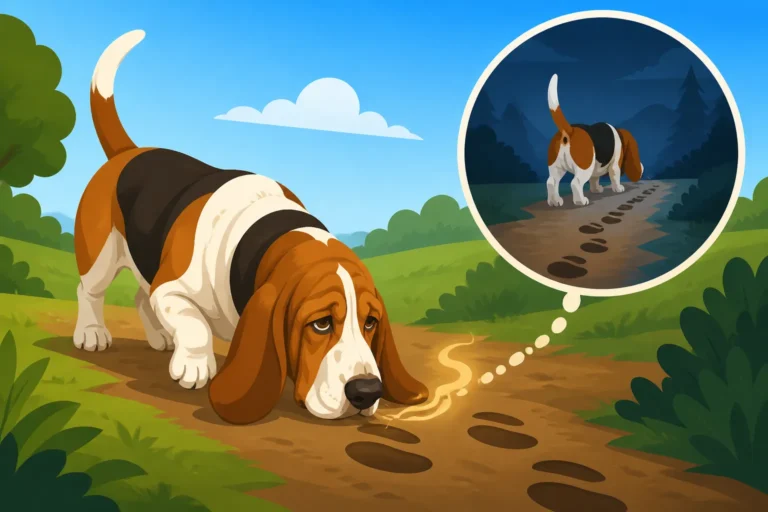
Our beloved Basset Hounds are known for their incredible noses, their deep bay, and, let's be honest, their selective hearing when a good scent is involved. These are intrinsic breed characteristics that make them who they are, but under stress or in an unfamiliar environment, these traits can seem amplified and challenging. A Basset's strong scent drive, which makes them such magnificent trackers, can lead to them dragging you down the street on a leash, seemingly deaf to your commands, if they've never been taught otherwise. Their characteristic bay, a charming sound to a hunter, might become a source of frustration for neighbors if not managed in a home environment.
Moreover, Bassets can be quite sensitive souls beneath their laid-back exterior. A rescue Basset might initially seem aloof or resistant to training, but this could be a protective mechanism from past negative interactions. What appears as "stubbornness" might actually be fear, confusion, or a hound simply being a hound, following its nose rather than its human's instruction because that's what it was bred to do and has never been offered a compelling alternative. Recognizing these inherent traits and understanding how stress can affect them is the first step in successful retraining. It allows us to approach them with empathy and tailor our training methods to their unique personalities and genetic predispositions.
Setting Realistic Expectations and a Positive Environment
Embarking on the journey of retraining a rescue Basset Hound requires a generous helping of patience, a consistent approach, and a commitment to positive reinforcement. It’s not about "fixing" a broken dog; it's about building a strong, trusting relationship where your Basset feels safe, understood, and motivated to learn new behaviors.
Building Trust Through Consistency
Consistency is truly the bedrock of successful retraining, especially with a dog that may have experienced instability. For a rescue Basset Hound, a predictable routine provides a sense of security that they might never have known. This means consistent feeding times, consistent potty breaks, consistent walks, and, crucially, consistent rules. If jumping on the couch is sometimes allowed but other times not, your Basset won't understand what's expected of them. Every member of the household needs to be on the same page regarding commands, boundaries, and how to interact with the dog.
When you first bring your Basset home, focus on establishing a routine and celebrating small victories. Did they choose to lie on their designated bed instead of the forbidden sofa? That deserves praise! Did they relieve themselves outside? A party, even! These early successes, consistently reinforced, lay the groundwork for bigger changes. Remember, a Basset Hound can be a creature of habit, and establishing good habits from day one, or patiently replacing old ones with new, better ones, is paramount. Whether an Adopted Basset Hound Settles Quickly often depends on this consistent approach and the perceived safety of their new surroundings.
The Power of Positive Reinforcement
Harsh corrections or punishment are not only ineffective but can actively damage the delicate trust you're trying to build with a rescue Basset. Instead, positive reinforcement should be your guiding principle. This means rewarding desired behaviors with something your Basset truly values – whether it's a high-value treat, a favorite toy, or enthusiastic praise. Basset Hounds, despite their reputation for being "stubborn," are highly motivated by food and often by affection. Using this to your advantage is key.
For example, if your Basset is learning to walk politely on a leash, reward them every time they walk calmly by your side, even for a few steps. If they come when called, offer them the best treat you have. You can find excellent quality training treats and toys on platforms like Amazon, which can be a huge help in keeping your Basset engaged and motivated. This approach makes training a fun, rewarding experience for your Basset, strengthening your bond and making them eager to learn what else might earn them a tasty reward or a happy pat.
Seeking Professional Guidance
Sometimes, even with the best intentions and consistent effort, certain behavioral challenges can feel overwhelming. This is where professional guidance can be invaluable. A certified professional dog trainer can assess your Basset's specific needs, understand the root cause of their behaviors, and develop a tailored training plan. They can also teach you the proper techniques and timing for applying positive reinforcement effectively.
Many excellent resources are available, from local in-person trainers to online programs. For instance, platforms like BAXTER & Bella offer comprehensive online puppy and dog training programs that can be adapted for rescue dogs, providing step-by-step guidance and a wealth of resources from the comfort of your home. A professional can help you navigate complex issues like severe separation anxiety, reactivity, or deeply ingrained habits, ensuring you're using the most humane and effective methods to help your Basset thrive. Don't view seeking help as a failure; view it as an investment in your Basset's well-being and your shared future.
Practical Steps for Retraining Common Behaviors
Once you have a good understanding of your rescue Basset Hound's potential past and you've committed to positive, consistent training, it's time to tackle some of the more common behavioral challenges. Remember, every Basset is an individual, and while these are common areas for retraining, yours might have entirely different needs.
House Training and Potty Protocols
One of the most frequent issues with rescue dogs, regardless of breed, is a lack of reliable house training. Whether they were never taught, lived in a kennel, or have regressed due to stress, accidents inside can be frustrating.
- Establish a Schedule: This is non-negotiable. Take your Basset out first thing in the morning, after every meal, after waking from a nap, after playtime, and right before bed. Always take them to the same designated potty spot.
- Supervise Like a Hawk: When inside, keep your Basset within sight. If you can't actively supervise (e.g., when you're busy cooking), consider using a crate or a small, dog-proofed area. This prevents accidents from happening silently in another room.
- Reward Lavishly: When your Basset successfully goes potty outside, immediately praise them enthusiastically and give a high-value treat. Make it clear this is the best thing they could possibly do!
- Clean Accidents Thoroughly: Use an enzymatic cleaner specifically designed for pet odors. Regular household cleaners might remove the smell for humans, but a Basset's keen nose will still detect residual scent, which can encourage them to go in the same spot again. You can easily find effective enzymatic cleaners on Amazon. The Weeks a Basset Hound Puppy Takes to Be Clean offers a good foundation, and many of those principles apply directly to retraining an adult.
Leash Manners and Scent-Driven Distractions
Basset Hounds were bred to follow a scent trail, and they do it with singular focus. This means leash pulling and "selective deafness" when on a hot trail are very common challenges. It's not malice; it's instinct.
- Invest in the Right Gear: A flat collar isn't usually enough for a Basset that pulls. A well-fitting front-clip harness can be a game-changer, redirecting their pulling power and making walks more manageable for both of you. Brands like Easy Walk or Freedom Harness are popular choices.
- "Loose Leash Walking" Training: Start in a low-distraction environment, like your backyard. Reward your Basset with a treat every time the leash is slack. If they pull, stop dead in your tracks. Only move forward when the leash loosens. This teaches them that pulling gets them nowhere.
- Embrace the Sniff: While you want polite walking, remember your Basset's nose is their world. Incorporate dedicated "sniff time" during walks where they are allowed to explore scents freely, perhaps on a longer line in a safe area. This satisfies their innate need and can make them more cooperative during structured walking segments. Whether a Basset Hound Pulls Hard for Its Size is a common frustration that can be alleviated with the right tools and training.
Managing Howling and Vocalizations
That distinctive Basset bay is a part of their charm, but it can quickly become an issue if it's excessive or happens at inappropriate times, especially if you have close neighbors.
- Identify the Trigger: Is your Basset howling when left alone (separation anxiety)? Is it in response to external noises like sirens or other dogs? Is it demand barking for attention or food? Understanding the "why" is crucial.
- Address Underlying Anxiety: If separation anxiety is the culprit, consult a professional trainer or vet. This might involve gradual desensitization, counter-conditioning, and creating a safe den space.
- "Quiet" Cue Training: Teach your Basset a "quiet" command. When they start to bark or howl, let them do it for a few seconds, then calmly say "Quiet," and immediately distract them with a high-value treat. As soon as they are quiet for a second, reward them. Gradually increase the duration they need to be quiet before getting the reward.
- Enrichment: A bored Basset is a vocal Basset. Ensure they have plenty of mental and physical stimulation. Puzzle toys, KONGs stuffed with frozen treats, and scent games can help keep their minds occupied.
Here's a quick reference for common issues and approaches:
| Common Behavior Issue | Possible Reasons for Behavior | Retraining Strategy | Key Considerations |
|---|---|---|---|
| House Soiling | Lack of training, stress, health issue, previous living conditions | Strict potty schedule, immediate rewards for outdoor success, enzymatic cleaners | Rule out medical issues first. Patience is key. |
| Leash Pulling | Strong scent drive, lack of loose-leash training, excitement | Front-clip harness, stop-and-go method, reward loose leash, designated sniff time | Consistency on every walk. |
| Excessive Howling/Barking | Anxiety, boredom, alerting, attention-seeking, response to triggers | Identify triggers, "quiet" cue, mental enrichment, professional help for anxiety | Address root cause. |
| Destructive Chewing | Boredom, anxiety, teething (puppy), lack of appropriate outlets | Provide varied chew toys, crate training, safe environment, enrichment activities | Supervise closely. Bitter sprays can deter, but address the cause. |
| Resource Guarding | Insecurity, past food scarcity, lack of early socialization | Professional guidance is highly recommended. Desensitization, counter-conditioning | Safety first. Do not punish, as this can escalate the behavior. |
Building a Lifelong Bond and Sustaining Progress
Retraining a rescue Basset Hound isn't a one-time project; it's an ongoing journey of relationship building, understanding, and continued education for both you and your dog. The goal isn't just to stop unwanted behaviors but to foster a confident, happy, and well-adjusted companion who thrives in your home.
Continued Enrichment and Mental Stimulation
Basset Hounds might seem like couch potatoes, but their brilliant noses and intelligent minds need regular stimulation. Without it, they can become bored, which often leads to unwanted behaviors. Providing opportunities for them to use their natural instincts is vital for their well-being and for sustaining the positive changes you've worked so hard to achieve.
- Scent Work Games: This is where a Basset Hound truly shines! Hide treats around the house or yard and let them "hunt" for them. Use snuffle mats or puzzle toys. This engages their powerful nose and provides immense mental satisfaction. You can find many scent work toys and treats on Amazon that are perfect for this. Giving a Basset Hound's Nose Something to Do explores this in more detail.
- Interactive Toys: Toys that dispense treats or require a bit of thought to manipulate can keep them occupied and prevent boredom-induced chewing or vocalization.
- Varied Walks: Don't just stick to the same route. Explore new parks, trails, or even quiet neighborhood streets. New scents are like reading a newspaper for a Basset and provide excellent mental enrichment.
The Importance of Health Checks
Sometimes, behavioral issues can stem from underlying medical conditions. A Basset Hound who suddenly becomes irritable, reluctant to move, or has "accidents" might be experiencing pain, discomfort, or an illness. Their stoic nature might mean they don't always show obvious signs of distress until a condition is advanced.
Regular veterinary check-ups are crucial, especially for rescue dogs whose medical history might be unknown. A vet can rule out issues like arthritis, ear infections (a common Basset ailment), dental pain, or even thyroid problems that can impact behavior. For instance, Whether a Rescue Basset Hound Has Untreated Ears highlights how untreated health issues can contribute to behavioral problems like head shaking or irritability. If your Basset's behavior changes, a trip to the vet should always be one of your first steps to ensure they're not in pain or unwell.
Ongoing Training and Learning
Just like people, dogs benefit from lifelong learning. Continuing with short, positive training sessions throughout your Basset's life keeps their mind sharp, reinforces good manners, and strengthens your bond. This doesn't mean formal obedience classes every year, though those can be fun! It can be as simple as:
- Refreshers: Regularly practice basic commands like "sit," "stay," "come," and "leave it."
- New Tricks: Teach them a fun new trick, like "shake a paw" or "roll over." It's great mental exercise and a fantastic way to bond.
- Advanced Classes: Consider trying out a scent work class, a novice obedience course, or even a therapy dog program if your Basset has the right temperament. BAXTER & Bella's online resources can also offer ideas for advanced training at home.
- Socialization Refreshers: Continue to expose your Basset to different people, places, and appropriate dogs in positive ways to keep them well-adjusted and confident.
By committing to understanding your rescue Basset, providing a loving and consistent environment, patiently retraining unwanted behaviors with positive reinforcement, and continuing to nurture their physical and mental well-being, you will not only see incredible transformations but will forge an unbreakable bond with your unique and wonderful hound. It takes effort, but the floppy-eared love you get in return is absolutely priceless.
Disclaimer
This article is for general informational purposes only and does not constitute professional advice. Laws, prices and regulations vary by location and change over time. Consult a qualified professional for guidance on your specific situation.