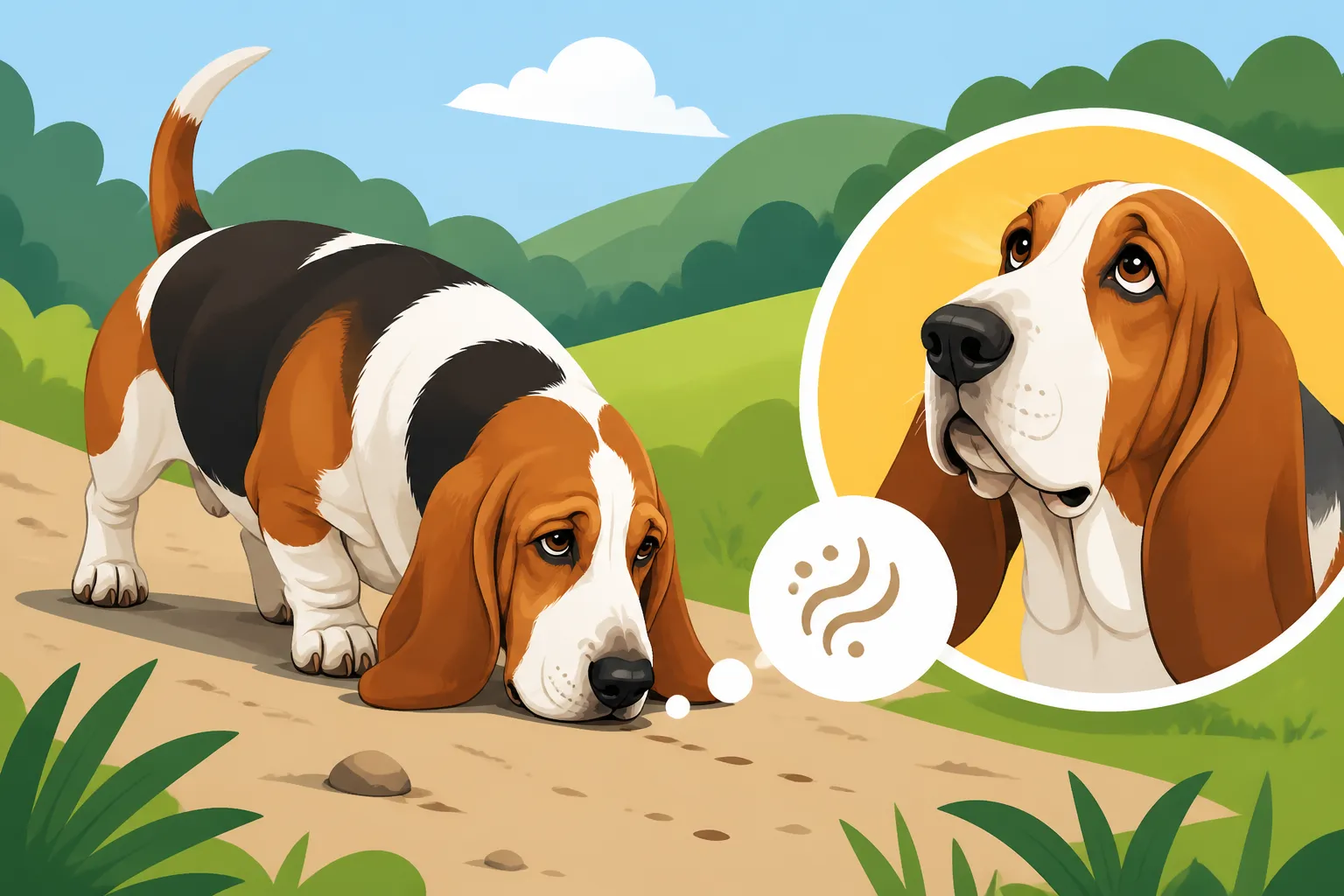
Whether a Basset Hound Trails With Its Nose on the Ground
If you’ve ever owned a Basset Hound, or even just encountered one on a walk, you’ve probably witnessed that unmistakable sight: their long noses firmly planted on the pavement, grass, or trail, moving with an almost otherworldly focus. It's not just a quirky habit; it’s a profound testament to their genetics and their very design. This deep dive will explore exactly why your Basset Hound trails with its nose on the ground, what that means for their world, and how you can best live with and appreciate this incredible instinct.
The Basset Hound's Nose: A Masterpiece of Scent Detection
There's a reason Basset Hounds are often called "noses with legs." Their entire anatomy and temperament are geared towards one primary purpose: following a scent trail. This isn't just about having a good sense of smell; it's about having one of the most sophisticated scent detection systems in the canine kingdom, rivaled only by a few, like the Bloodhound.
Built for the Trail: Anatomy and Physiology
Let's be frank: a Basset Hound isn't exactly built for speed or agility. But what they lack in those departments, they more than make up for in olfactory prowess. Their unique physical characteristics aren't accidental; they were carefully cultivated over centuries to make them supreme scent hounds.
First and foremost, their incredible nose contains an astonishing number of olfactory receptors – estimates often place it around 220 million, significantly more than many other breeds. This dense array of specialized cells allows them to detect and differentiate an incredible spectrum of odors, even those imperceptible to humans. When a Basset Hound's nose is to the ground, it's not just sniffing; it's actively processing a complex tapestry of airborne and ground-bound scent molecules, analyzing direction, age, and composition. It's like they're reading a newspaper written in smell, and it's far more detailed than anything we could ever imagine. The Nose That Puts a Basset Hound Second to a Bloodhound gives you a sense of just how powerful this organ is.
Then there are those magnificent, long, pendulous ears. While they look charming, they serve a vital function in scent detection. As the Basset Hound moves, these heavy ears drag along the ground, effectively sweeping up scent particles and channeling them directly towards the nose. They also create a miniature "scent cone" around the dog's face, concentrating odors and minimizing dispersion. It's a natural, built-in scent amplifier. Imagine if your ears helped you hear better by scooping sound waves; that's essentially what a Basset's ears do for its nose. For more on this, check out Why a Basset Hound's Ears Help It Smell.
Finally, we can't forget the loose skin, particularly around their neck and face, often referred to as their dewlap. This skin, along with their deep wrinkles, also plays a role in trapping scent particles. As they move, these folds can hold odors, allowing the Basset to re-sniff and further analyze a trail even after they've moved slightly past it. It's another ingenious anatomical adaptation that enhances their trailing ability, making them incredibly persistent and thorough hunters. You can learn more about this in What a Basset Hound's Dewlap Is For.
The Instinctive Drive to Follow a Scent
A Basset Hound's desire to trail is deeply ingrained, a primal instinct passed down through generations. They were bred to hunt small game, particularly rabbits and hare, working slowly and methodically, giving hunters on foot time to keep up. This means the drive isn't just to find a scent, but to follow it, no matter how faint or old.
When a Basset picks up an interesting scent, it's like an irresistible signal. Their brain is flooded with chemical messages, urging them to pursue. This isn't a conscious choice to ignore you; it's a powerful, almost meditative state of hyper-focus on the scent trail. Think of it as an overwhelming obsession that takes over their entire being. Because this instinct is so fundamental to their breed, expecting them to simply "turn it off" is unrealistic and unfair. It's part of who they are, a core component of their magnificent hound nature.
Why a Basset Hound's Nose is Glued to the Ground
It’s one thing to have a great nose, it’s another to understand why that nose stays so stubbornly on the ground. This isn't merely a preference; it's a highly efficient strategy for maximizing scent detection and interpretation in their environment.
Optimizing Scent Collection
Imagine trying to read a very small, intricate map in a windy environment. You'd want to get as close as possible to the map and shield it from the wind, right? That's essentially what a Basset Hound does with scent. By keeping their nose directly on or just inches above the ground, they are in the optimal position to collect scent particles that have settled there. Scent molecules are heavier than air and tend to linger closer to surfaces, especially in still conditions.
When a Basset moves, its low-slung body, dragging ears, and loose dewlap all work in concert to create a micro-environment that captures and concentrates these ground-level scents. The movement of their head, often in a deliberate zigzag pattern, helps them cross and re-cross the scent line, confirming the direction of the trail. This isn't a casual stroll; it's a methodical, scientific investigation into the subtle shifts and nuances of an odor. They're not just finding a smell; they're dissecting the very path of the creature that left it.
The Tunnel Vision of a Basset on a Trail
Have you ever tried to talk to your Basset Hound when they’re deep in concentration, nose to the ground? It's like you're speaking a foreign language, or perhaps, more accurately, like you don't exist at all. This isn't personal. When a Basset locks onto a scent, they enter a state of profound mental absorption. Their world shrinks to the immediate vicinity of that trail.
This "scent-induced tunnel vision" means their other senses, particularly their hearing, become secondary. The visual world often fades into the background. They are, in essence, "deaf to their surroundings," prioritizing the delicate, fluctuating information from their nose above all else. This can be incredibly frustrating for owners who are trying to call them back from a tempting trail that leads into a busy street or towards something they shouldn't be investigating. It's not that they're being stubborn; it's that their hard-wired instinct has taken over, overriding any learned commands or social cues. Understanding Why a Basset Hound Stops Hearing You When It Smells Something is key to managing this behavior.
Living with a Ground-Trailing Basset Hound
Embracing your Basset's natural inclination is far more effective than trying to suppress it entirely. Their nose is their superpower, and with the right management and enrichment, it can be a source of joy for both of you.
Managing Walks and Outdoor Adventures
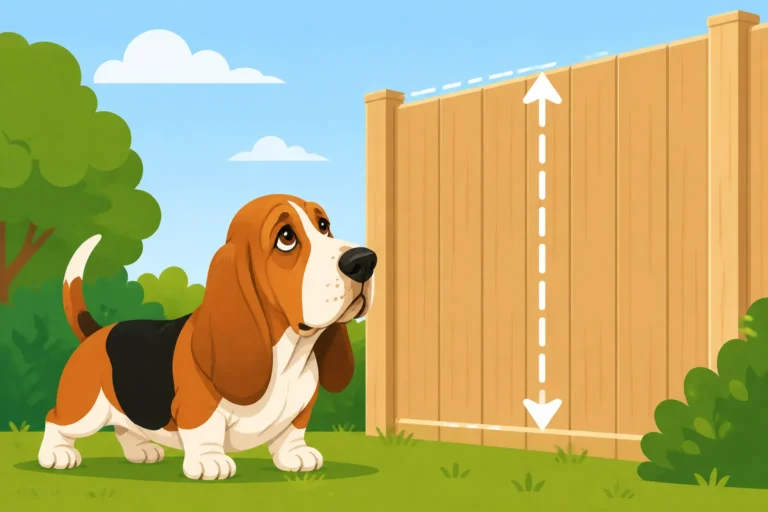
Given their strong trailing instinct and susceptibility to "scent-induced tunnel vision," a Basset Hound should almost never be off-leash in an unfenced area. The risk of them picking up a fascinating scent and disappearing into the horizon, oblivious to calls or dangers, is simply too high. Whether a Basset Hound Should Ever Be Off Leash covers this in more detail.
This means walks require careful planning and appropriate equipment. A sturdy harness (to protect their neck and allow for better control) and a standard leash are good for neighborhood strolls. However, if you want to give them more freedom to explore scents safely, a long line is an absolute game-changer. These lines, typically 15 to 30 feet long, allow them to roam a bit further while still remaining securely attached to you. You can find excellent quality long lines on platforms like Amazon, offering different lengths and materials to suit your walking environment. When using a long line, make sure you're in a safe, open area away from hazards, and that you have a good grip and awareness of your surroundings. Whether a Long Line Is Enough for a Basset Hound explores the pros and cons.
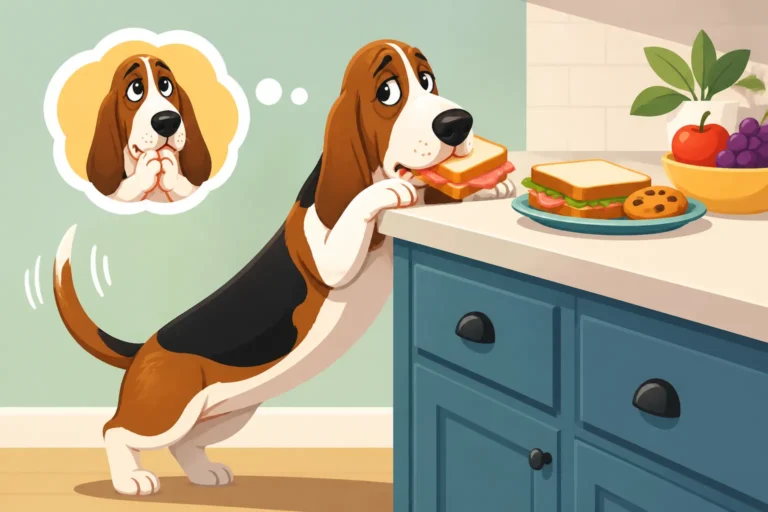
Safety is paramount. Beyond traffic, consider what your Basset might sniff out and potentially ingest. Their low stature means they're perfectly positioned to find discarded food, toxic plants, or even dangerous debris. Always be vigilant, scan ahead, and be ready to redirect their attention with a high-value treat if they're sniffing something suspicious. It's a constant dance of management and prevention. Consider also that Whether a Basset Hound Needs a Tracking Collar might be a good idea for added security, especially if you enjoy exploring larger, more open spaces.
Harnessing the Power of Their Nose for Fun
Instead of fighting their natural instinct, lean into it! Basset Hounds excel at activities that engage their powerful noses. Scent work, also known as nose work or K9 Nose Work, is a fantastic way to mentally stimulate them, build confidence, and strengthen your bond. These activities teach your dog to search for specific odors, mimicking detection work, and can be done in your home, yard, or in organized classes.
This type of mental exercise is incredibly tiring for a Basset, often more so than physical exertion. Just an hour of intense nose work can leave them happily snoozing for the rest of the day. It provides an outlet for their innate abilities, satisfying that deep desire to follow a trail. Many online training platforms, such as BAXTER & Bella, offer fantastic resources, courses, and communities dedicated to teaching owners how to get started with scent work, offering step-by-step guidance. Whether a Basset Hound Takes to Scent Work is a definite yes, and Whether Nose Work Tires a Basset Hound Out is absolutely true!
Here's a quick comparison of general dog scenting vs. Basset Hound specific characteristics:
| Characteristic | General Dog Scenting | Basset Hound Scenting |
|---|---|---|
| Olfactory Receptors | Varies by breed, often tens of millions | ~220 million, highly dense |
| Scenting Style | Can vary (air-scenting, ground-scenting, mixed) | Predominantly ground-scenting |
| Ear Function | Primarily hearing | Hearing + scent-sweeping/concentrating |
| Dewlap/Wrinkles | Present in some breeds, varying function | Prominent, aids in scent trapping |
| Body Posture | Varies, often upright or slightly lowered | Low to the ground, nose almost always touching |
| Persistence | Varies, can be distracted | Extremely persistent, highly focused on a trail |
| Distraction Level | Can be interrupted with training/commands | Very difficult to interrupt once on a strong trail (tunnel vision) |
Beyond formal scent work, simply scattering their kibble in the grass for them to "hunt" or hiding treats around the house can provide great mental enrichment. Puzzle toys that require them to sniff out and manipulate parts to get a reward are also fantastic. These simple activities tap into their core instincts and make their lives richer and more fulfilling.
Common Misconceptions and Frustrations
It's easy to get frustrated with a Basset Hound's single-minded devotion to a scent, but much of that frustration stems from misunderstanding their natural behavior.
Stubbornness vs. Instinct
Many Basset owners describe their dogs as "stubborn," especially when they refuse to come when called or divert from a tempting smell. However, this isn't true stubbornness in the way we usually think of it – a conscious decision to defy. Instead, it's a powerful instinct overriding learned behavior. Their brain is literally wired to follow scent above almost all else. When they pick up a trail, it's not a choice to ignore you; it's an overwhelming biological imperative.
Understanding this shift in perspective is crucial for a harmonious relationship. Rather than getting angry that your Basset isn't "listening," recognize that they are simply being true to their breed. It's about acknowledging their unique gifts and challenges, and adapting your expectations and training methods accordingly. For them, the scent of that rabbit or squirrel is an ancient call, far more compelling than the sound of your voice, at least in that moment. Whether a Basset Hound Is Stubborn or Just Not Interested clarifies this important distinction.
Training Challenges and Expectations
Because their trailing instinct is so strong, achieving a truly reliable off-leash recall from a Basset Hound is one of the most significant training challenges. While you can certainly teach them a recall, and should, always understand that it may fail when a truly irresistible scent presents itself. This isn't a reflection of your training ability, but of the inherent nature of the breed.
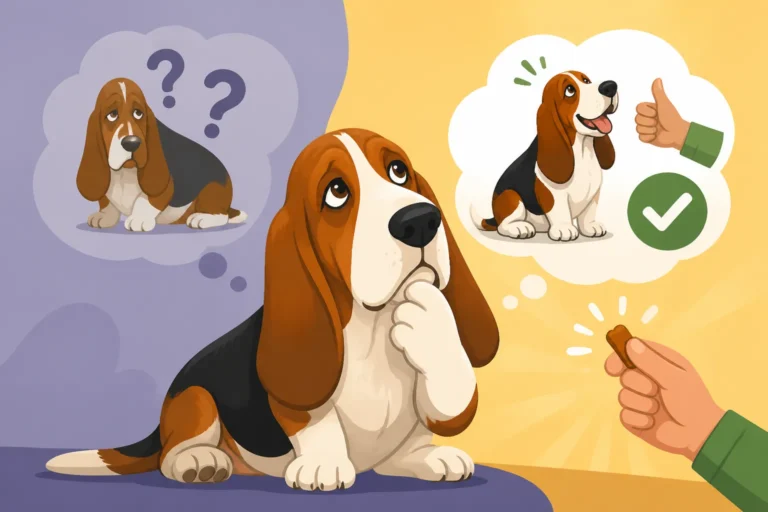
Instead of aiming for perfect off-leash recall, focus on solid on-leash manners and highly rewarding their attention when there isn't a strong scent distraction. Use positive reinforcement and high-value treats to make yourself more interesting than the environment. Brands like BAXTER & Bella provide comprehensive online training programs that emphasize positive methods, which are particularly effective for Basset Hounds. They teach you how to motivate your Basset effectively, often through food-based rewards, which What Actually Motivates a Basset Hound confirms is usually the best approach.
It's about management, not eradication. You'll likely always need to use a leash or be in a securely fenced area. Teach a strong "leave it" command for when they sniff something undesirable, but understand that in the heat of a strong trail, even that may be tested. The goal is to build a strong relationship where they want to pay attention to you, and to manage their environment so they aren't constantly put in situations where their instincts will lead them into danger. The Recall a Basset Hound Will Never Reliably Give You is a realistic assessment for most owners.
Disclaimer
This article is for general informational purposes only and does not constitute professional advice. Laws, prices and regulations vary by location and change over time. Consult a qualified professional for guidance on your specific situation.