Whether a Basset Hound Gets Elbow Dysplasia
Basset Hound elbow dysplasia symptoms, developmental abnormalities, and joint management options are explained for dog owners.
Know what to watch for.
Breed-specific conditions, screening and DNA tests, what surgery actually costs, and the daily habits that stretch a healthy lifespan.
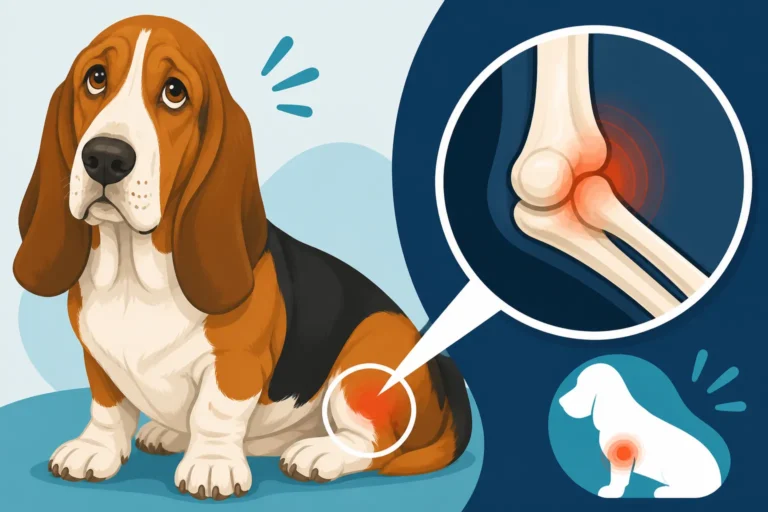
Basset Hound elbow dysplasia symptoms, developmental abnormalities, and joint management options are explained for dog owners.
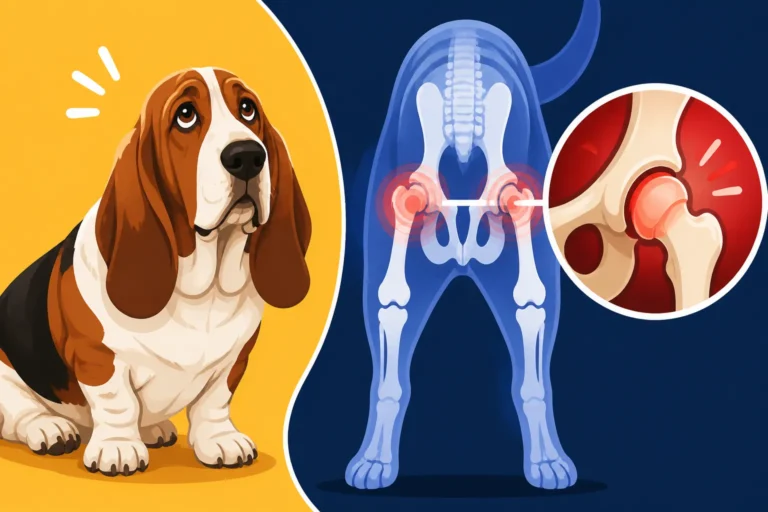
Hip dysplasia risks and joint mechanics for Basset Hounds, detailing genetic predispositions, cartilage damage, and management options.
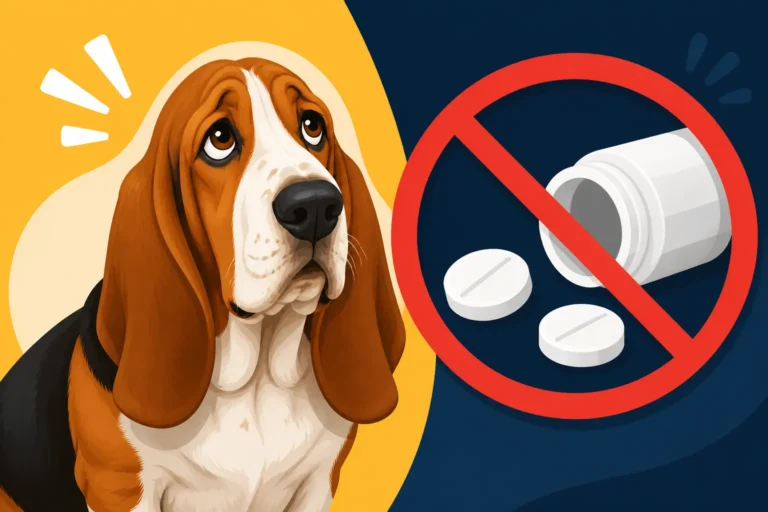
Aspirin for Basset Hounds presents serious risks, including gastrointestinal ulcers, bleeding issues, and potential organ damage.
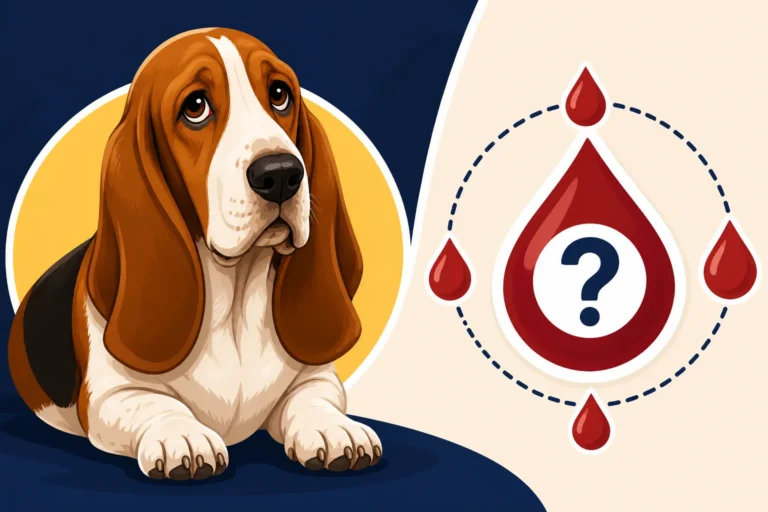
Carrier Basset Hounds typically do not show clinical signs of thrombopathia, a recessive bleeding disorder affecting platelets.
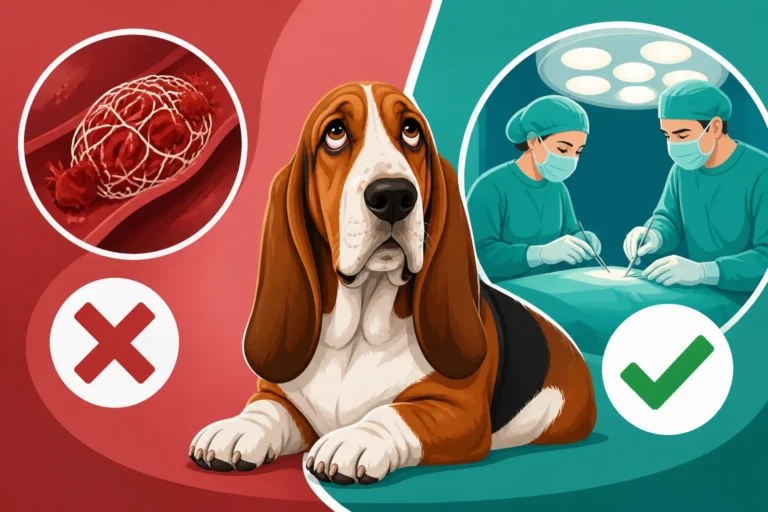
Thrombopathia in Basset Hounds explains bleeding disorders, pre-surgical screening, and how vets manage safe operations.

Pre-anesthetic testing for Basset Hounds before neutering assesses blood work and organ function to reduce surgical risks.
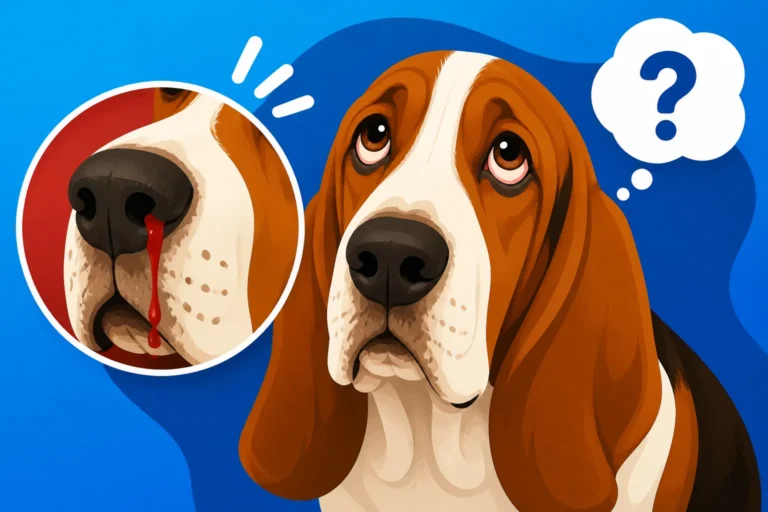
Basset Hound nosebleeds can stem from foreign bodies, minor trauma, dry air, or serious clotting disorders requiring veterinary attention.
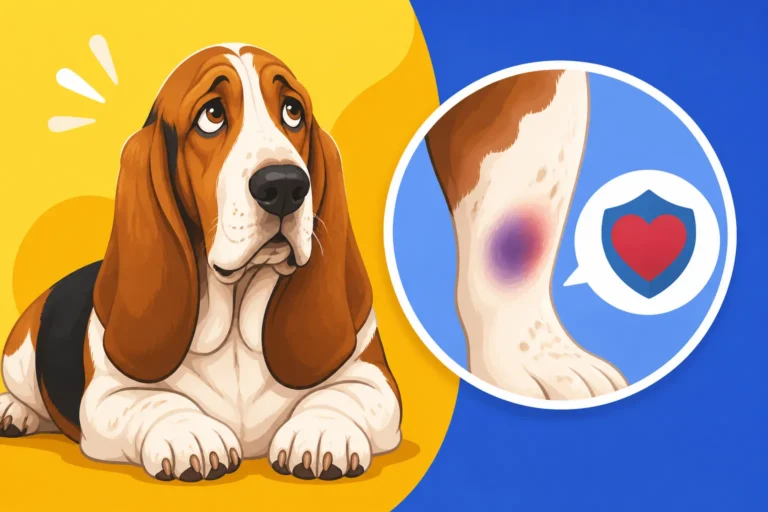
Basset Hound physical traits like long floppy ears, loose skin, and a clumsy gait explain why these dogs develop bruises.
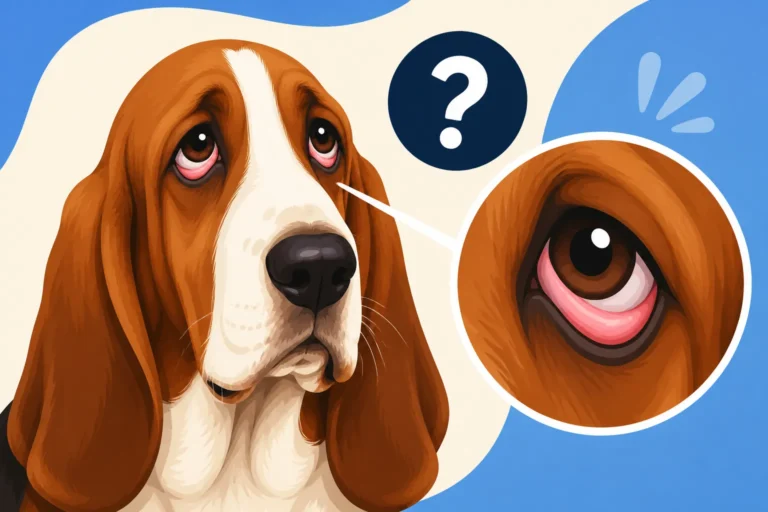
Basset Hounds can develop cherry eye, a prolapse of the tear-producing gland located within the third eyelid of the eye.
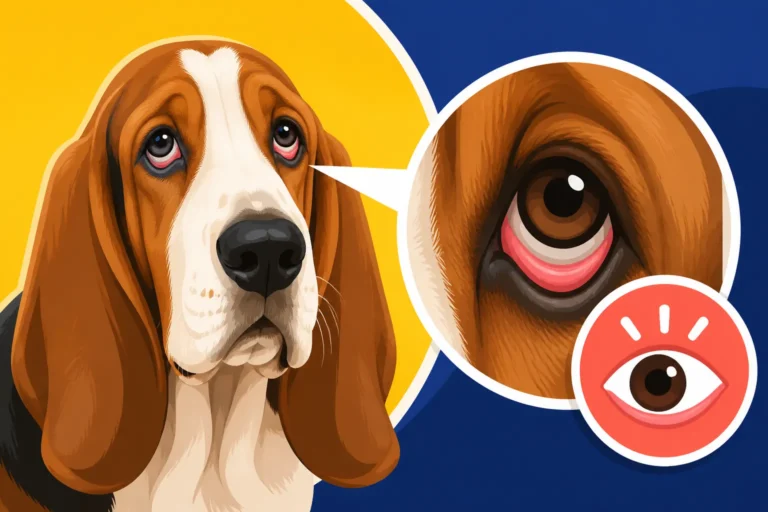
Basset Hound ectropion causes lower eyelids to roll outward, exposing delicate membranes to irritation, dryness and infections.