Getting Weight Off a Basset Hound That Will Not Exercise
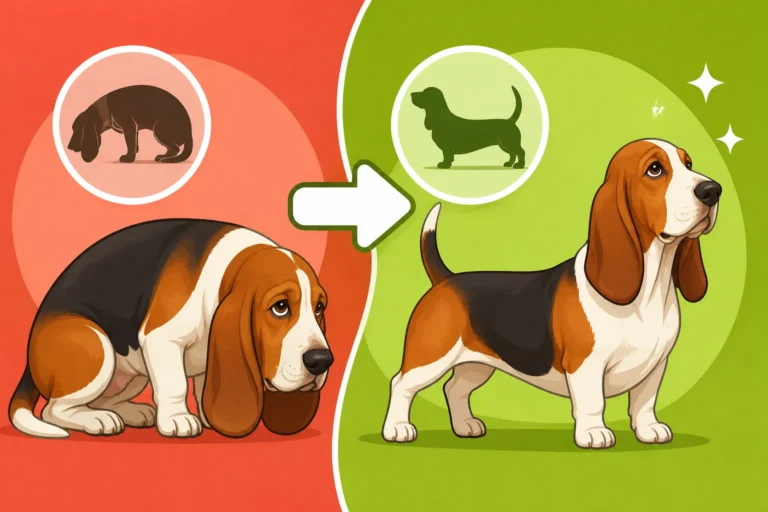
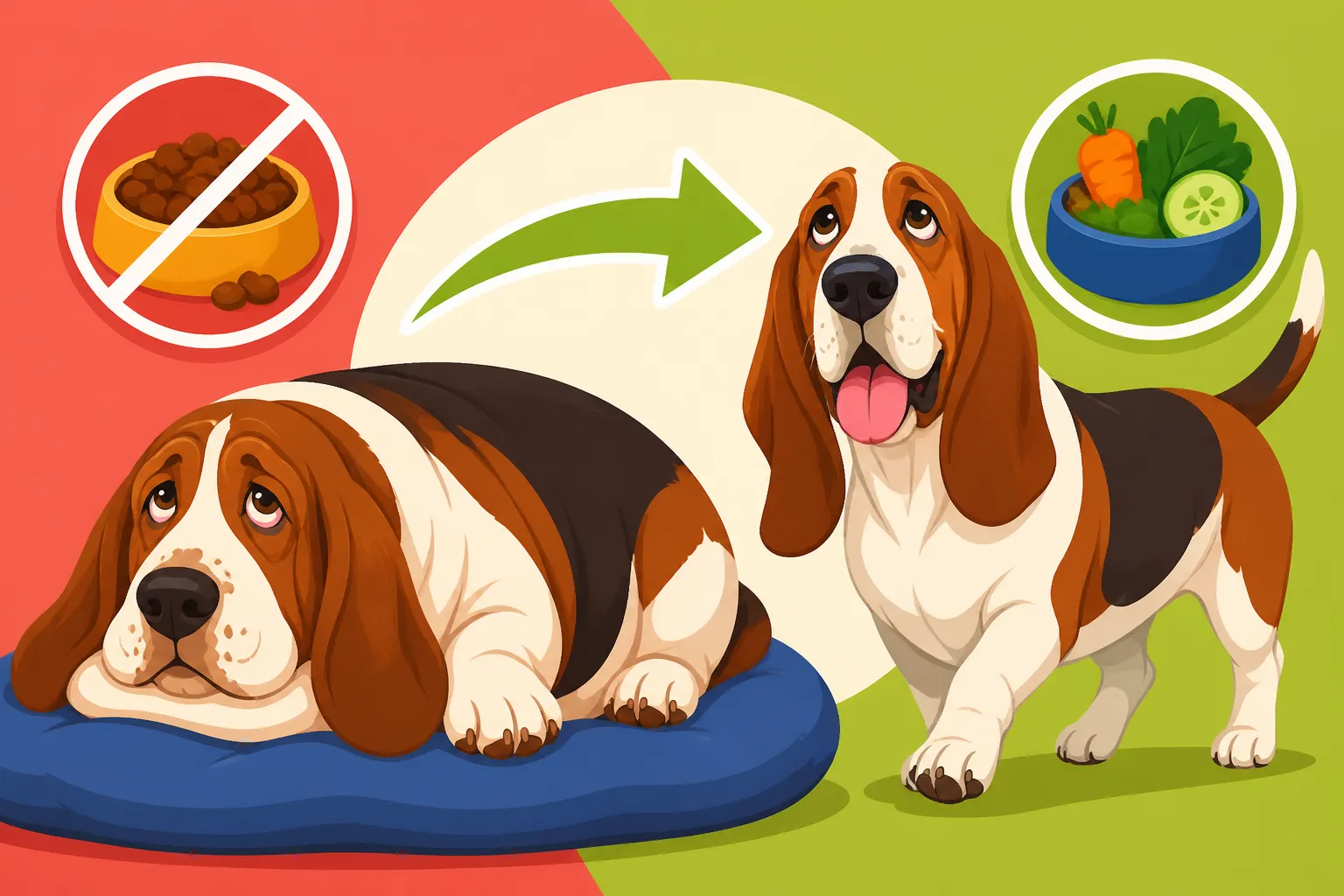
It’s a tale as old as time for Basset Hound owners: you look at your beloved, long-eared companion, and you know, deep down, they’ve put on a few too many pounds. The problem? They look at you with those soulful eyes, plant their sturdy paws, and simply refuse to engage in anything resembling "exercise." It’s frustrating, worrying, and leaves you wondering how on earth you’re supposed to help them shed weight when they act like moving is an Olympic sport they refuse to enter. This guide is all about navigating that exact challenge, offering practical, empathetic advice to help your Basset find their healthier, happier self, even if they'd rather be napping.
Understanding the Basset Hound's Reluctance to Exercise
Let's be real, Basset Hounds aren't typically known for their boundless energy or their eagerness to jog miles with you. Their unique build and historical purpose play a huge role in why they might seem less enthusiastic about physical activity than, say, a Border Collie. But it's crucial to distinguish between a healthy Basset's natural inclinations and a genuine problem that needs addressing.
Why Bassets Seem "Lazy" It's Not Always What You Think
For centuries, Basset Hounds were bred to follow a scent trail slowly but surely, allowing hunters on foot to keep pace. This means they are endurance athletes of the nose, not sprinters. Their short legs, heavy bone structure, and long bodies aren't designed for high-impact activities or long-distance running. It's not necessarily "laziness" in the human sense; it's often their natural design at play. They conserve energy, relying on their incredible sense of smell to do the heavy lifting.
However, sometimes what looks like natural Basset nonchalance can actually be a sign of discomfort or pain, especially if your dog is overweight. Joint issues, back pain, or even just the sheer effort of carrying extra weight can make any movement feel like a chore. Understanding What Extra Weight Does to a Basset Hound can help you appreciate the seriousness of the situation. They might genuinely be struggling, not just being stubborn. This is why a vet check-up is always the first step. Rule out any underlying medical conditions that could be contributing to their low energy levels before assuming it's just their inherent Basset charm.
The Hidden Dangers of Excess Weight on a Basset Hound
An overweight Basset Hound faces a myriad of health problems that can significantly impact their quality of life and shorten their lifespan. It's far more than just aesthetics; it's about their fundamental well-being. Think about the strain that extra weight puts on their already uniquely structured joints and spine. Their long backs are prone to conditions like Intervertebral Disc Disease in a Basset Hound, and excess weight drastically increases that risk.
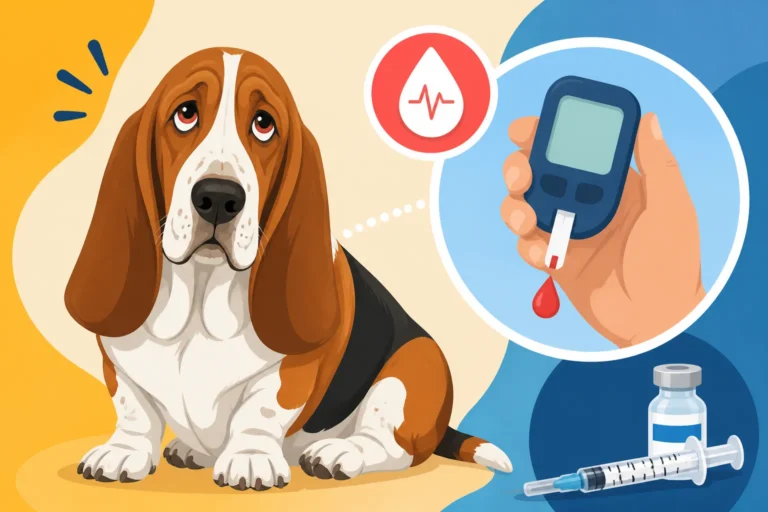
Beyond orthopedic issues, obesity in Basset Hounds can lead to a host of other serious conditions. They become more susceptible to diabetes, heart disease, respiratory problems, and even certain types of cancer. Their mobility decreases further, creating a vicious cycle where less movement leads to more weight gain, which then leads to even less movement. Even their adorable skin folds can become more prone to infection when they're overweight. It's a challenging situation, but knowing the risks reinforces the importance of taking action. The goal isn't just to make them look better, but to genuinely extend and improve their comfortable, happy years with you.
Creative Ways to Encourage Movement for a Sedentary Basset
Alright, so your Basset isn't going to be joining you for a 5k anytime soon. We get it. But that doesn't mean all hope is lost! We need to think outside the box and tap into what truly makes a Basset Hound tick: their nose and their love for food. Forget forced marches; we're going for gentle persuasion and making movement an enjoyable, stimulating activity.
Engaging Their Mighty Nose for Low-Impact Activity
A Basset Hound's nose is legendary. It's their superpower, and it's the key to getting them moving without them even realizing they're "exercising." Scent work is a fantastic way to engage their minds and bodies. Start simple: hide a few low-calorie treats around the house or yard and let them sniff them out. Begin in an easy area, like under a rug or behind a chair, and gradually increase the difficulty. You'll be amazed at how focused and active they become when there's a scent puzzle to solve.
You can also invest in snuffle mats or puzzle toys. These clever inventions require your Basset to use their nose and paws to "hunt" for their kibble or treats, slowing down their eating and adding mental stimulation. You might even find that Whether a Basset Hound Takes to Scent Work is a resounding yes! For outdoor adventures, consider a "decompression walk" in a safe, fenced area (or on a long line in a secure park). Instead of a brisk walk, allow them to wander, sniff every blade of grass, and follow faint trails. This mental engagement is tiring for them, and they'll get more physical activity than you'd expect. Remember, for a Basset, a sniff-filled walk is far more enriching than a fast-paced one.
Incorporating Play and Gentle Interaction
While Bassets aren't known for their fetch prowess, they can still enjoy play! It just might look a little different. Instead of throwing a ball, try rolling it slowly, encouraging them to nudge it with their nose or take a few steps to pounce. Rope toys for a gentle tug-of-war (keep it low-impact to protect their back) can be a fun way to get them to stand, shift their weight, and use their muscles. Even a short, slow game of hide-and-seek with you can get them moving around the house.
Another great option is to simply encourage them to follow you from room to room. When you get up for a snack (for yourself, not for them!), call their name and encourage them to trot along. Every little bit of movement adds up. You can also work on gentle stretching exercises with them after they've warmed up a bit. Consult your vet or a certified canine physical therapist for safe stretches that can improve their flexibility and comfort, making movement feel less daunting. This kind of mindful movement can gently build strength and stamina over time.
Water Fun and Hydrotherapy Options
For Bassets with joint pain or significant weight to lose, conventional exercise can be too painful or high-impact. This is where water comes in! Swimming or hydrotherapy offers a fantastic, low-impact way for them to move their bodies without putting stress on their joints. The buoyancy of the water supports their weight, making movement easier and less painful, while the resistance of the water provides an excellent workout.
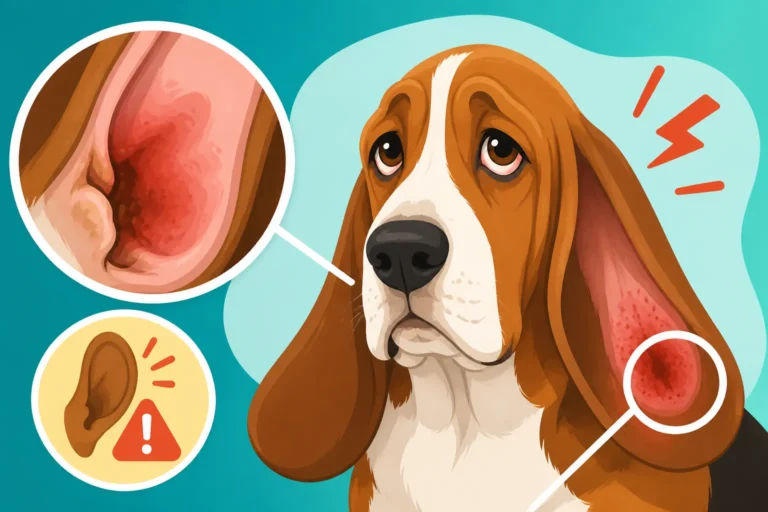
Many veterinary clinics or specialized canine rehabilitation centers offer hydrotherapy services, often with an underwater treadmill or a dedicated swimming pool for dogs. A trained therapist can guide your Basset through exercises tailored to their needs. If professional hydrotherapy isn't feasible, and your Basset enjoys the water, a shallow, calm lake or a kiddie pool in your backyard can provide some gentle exercise. Always supervise them closely, ensure easy entry and exit, and never force them into the water if they're hesitant. A fitted life vest like those from brands like Ruffwear can also give you peace of mind and help support them in the water. Remember to dry their long ears thoroughly afterward to prevent ear infections.
The Cornerstone of Weight Loss: Dietary Management
Let's be brutally honest: exercise alone won't get the weight off a Basset Hound that won't exercise. The vast majority of their weight loss journey will come down to what, and how much, they eat. This isn't about deprivation; it's about smart, sustainable dietary choices that provide all the nutrients they need without excess calories.
Calculating the Right Calorie Intake
This is where many owners struggle, and it's completely understandable. The feeding guidelines on dog food bags are often just suggestions, and they rarely account for individual metabolism, activity level, or if your dog is already overweight. For a Basset Hound that is carrying extra weight and isn't exercising much, their caloric needs will be significantly lower than an active dog.
The best first step is to consult your veterinarian. They can accurately assess your Basset's ideal weight and help you calculate a precise daily calorie target. This isn't just guesswork; it's based on their current weight, ideal weight, age, and any underlying health conditions. Often, the recommended calorie intake for weight loss is about 60-70% of what's needed for maintenance at their ideal weight. It might seem drastically low, but it's essential for creating the calorie deficit needed to shed pounds. Regular checks on How Much an Adult Basset Hound Eats Daily can show you how far off your current feeding might be.
Choosing the Right Food for Weight Management
Once you have a calorie target, selecting the right food becomes paramount. Simply feeding less of their current food can sometimes lead to nutritional deficiencies, as they might not be getting enough essential vitamins and minerals. Look for high-quality "weight management," "light," or "senior" formulas specifically designed for dogs. These foods are typically lower in calories and fat but higher in fiber and protein. The increased fiber helps them feel fuller, while higher protein helps maintain muscle mass during weight loss.
Brands like Purina Pro Plan Veterinary Diets OM (Obesity Management) or Royal Canin Satiety Support are examples of prescription diets that are highly effective under veterinary guidance. If a prescription diet isn't necessary, many excellent over-the-counter options exist. Always read the labels carefully to understand the calorie content per cup or can. Consider dividing their daily allowance into two or three smaller meals to help manage hunger throughout the day. Using a slow feeder bowl can also help them feel more satisfied by making mealtime last longer, rather than them bolting their food down in seconds.
Smart Snacking and Treat Strategies
This is often the silent killer of weight loss plans. Those little treats, table scraps, and "just one bite" additions can add up to hundreds of extra calories a day, completely derailing your efforts. For a Basset Hound, whose love language often involves food, this can feel like tough love, but it's essential.
First, eliminate all table scraps. Period. Many human foods are too rich, too fatty, or even toxic for dogs. Second, reassess your treats. Which Treats Suit a Basset Hound on a Diet are typically low-calorie options. Look for treats specifically marketed as "diet" or "training" treats, which often have 2-5 calories per piece. Even better, use small pieces of steamed green beans, baby carrots, or apple slices (without seeds) as healthy, low-calorie alternatives. These can still provide that satisfying crunch and flavor without the caloric punch.
Crucially, remember to factor any treats into their daily calorie allowance. If they get a treat, a small amount of kibble needs to be removed from their next meal. Keep a strict log of everything that goes into their mouth. This meticulous approach is often the difference between successful weight loss and frustrating stagnation.
Monitoring Progress and Seeking Professional Support
Embarking on a weight loss journey for your Basset Hound is a marathon, not a sprint. It requires patience, consistency, and sometimes, a little extra help from the professionals. Don't feel like you have to do it all alone; your vet is your best ally.
Regular Weight Checks and Body Condition Scoring
Consistent monitoring is key to success. Weigh your Basset Hound regularly, ideally once a week or every two weeks, at the same time of day (before breakfast is usually best). Use a reliable pet scale if you have one, or your vet's scale. Keep a journal of their weight so you can track progress and identify any plateaus or unexpected gains. Don't get discouraged if the scale doesn't move every week; weight loss is rarely a linear process.
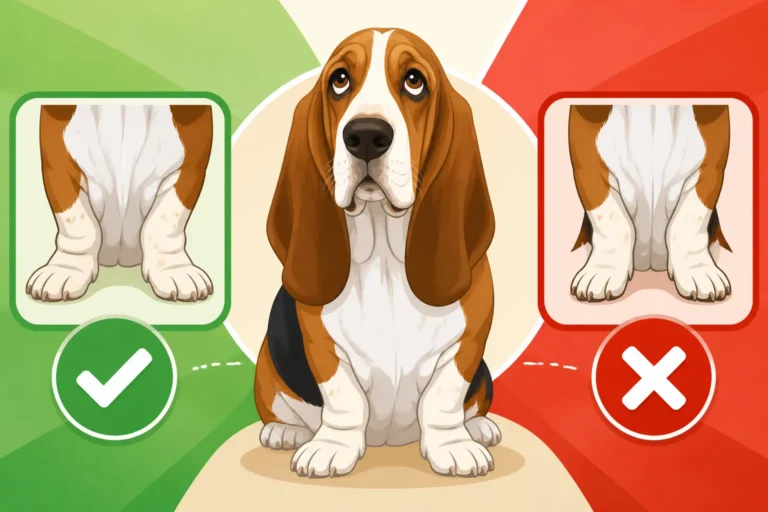
Beyond the number on the scale, learn to assess your Basset's body condition. This is often more telling than weight alone, especially for a breed like the Basset Hound, where Whether a Basset Hound Is Fat or Just Built That Way can be a genuine question for new owners. You should be able to easily feel their ribs with just a thin layer of fat over them, but not see them protruding. Their waist should be discernible when viewed from above (even if it's not a dramatic tuck-up). Feeling for a Basset Hound's Ribs Under Loose Skin is a critical skill for owners. Your vet can show you how to do a proper body condition score (BCS) on a scale of 1-9, aiming for a 4 or 5. This objective assessment helps you gauge progress more accurately than just the scale.
When to Consult Your Vet and a Professional Pet Nutritionist
Your veterinarian should be your primary partner throughout this process. Before starting any weight loss program, a full check-up is vital to rule out medical conditions like hypothyroidism that can contribute to weight gain and lethargy. They can help you set realistic goals, calculate precise calorie targets, and recommend appropriate prescription or over-the-counter weight loss foods.
If your Basset Hound struggles with mobility due to weight or arthritis, your vet might also suggest therapies like anti-inflammatory medications, joint supplements (learning Whether a Basset Hound Needs Joint Supplements is important), or even physical therapy sessions to make exercise more comfortable. They can also refer you to a board-certified veterinary nutritionist, especially if your Basset has multiple health issues or isn't responding to conventional weight loss strategies. These specialists can create highly individualized meal plans and provide advanced nutritional guidance. Don't hesitate to lean on your vet for support; they've seen it all before, and they want your Basset to be healthy just as much as you do. Keeping up with regular vet visits, especially for an overweight Basset, can contribute to What a Basset Hound's Yearly Vet Bill Looks Like, but it's an investment in their health. Consider pet insurance providers like Healthy Paws, which can help cover unexpected vet costs related to health issues, though specific weight-loss related vet services may vary by policy. Many pet insurance plans from providers like Healthy Paws are designed to ease the financial burden of managing chronic conditions that can be exacerbated by excess weight, ensuring you can prioritize your Basset's health without undue stress.
Low-Impact Exercise Ideas for Basset Hounds
Here's a quick look at some accessible, low-impact ways to get your Basset moving:
| Activity | Description | Benefits | Considerations |
|---|---|---|---|
| Scent Games/Puzzle Toys | Hiding treats (low-calorie!) around the house or in puzzle feeders, encouraging sniffing and searching. | Mental stimulation, gentle movement, slows eating. | Start easy, use tiny treats, count calories. |
| "Decompression" Walks | Allowing your Basset to leisurely sniff and explore on a long leash in a safe, quiet area. | Natural behavior, mental enrichment, gentle physical activity. | Requires a long line (10-15 ft), secure area, patient owner. |
| Gentle Tug-of-War | Using a soft rope toy for short, low-intensity tugging sessions. | Engages core muscles, provides interaction. | Keep it gentle to protect their back and neck; avoid vigorous shaking. |
| "Follow Me" Game | Encouraging your Basset to follow you from room to room with positive reinforcement. | Simple, cumulative movement throughout the day. | Reward with praise or tiny, low-calorie treat; avoid leading them up/down stairs excessively if overweight. |
| Shallow Water Play | Walking or gentle paddling in a kiddie pool or very shallow, calm body of water. | Buoyancy reduces joint impact, good for building muscle. | Always supervise, ensure easy entry/exit, thoroughly dry ears afterward. Consider a life vest. |
| Short, Controlled Leash Walks | Multiple short (5-10 minute) walks a day, focusing on a comfortable pace. | Consistent, manageable activity, aids digestion. | Avoid heat, slippery surfaces; start with very short distances and gradually increase. |
Remember, the key is consistency and making these activities enjoyable, not a chore, for your Basset.
Disclaimer
The information provided in this article is for general informational purposes only and is not a substitute for professional veterinary advice. Always consult with a qualified veterinarian regarding your Basset Hound's health, diet, and exercise regimen, especially if they are overweight or have underlying health conditions. Every dog is an individual, and what works for one may not work for another.