How Many Puppies a Basset Hound Litter Holds
Bringing a new litter of Basset Hound puppies into the world is an exciting prospect, full of wonder and a good bit of anticipation for any potential owner or breeder. One of the first questions that often crosses people's minds is simply, "How many puppies can I expect to see?" It’s a natural curiosity, especially when you’re imagining a pile of floppy-eared bundles, and it’s a question with nuances that this guide will thoroughly explore.
The Typical Range: What to Expect from a Basset Hound Litter
When you're dreaming of a future full of tiny, wrinkly Basset faces, it's helpful to have a realistic idea of what "normal" looks like for a litter. While every pregnancy is unique, there's a general range that Basset Hounds tend to fall into. Knowing this can help you prepare for the joyful chaos, or simply satisfy your curiosity about these amazing dogs.
Average Litter Size for Basset Hounds
Generally speaking, a Basset Hound litter typically consists of anywhere from six to eight puppies. This is a pretty robust size, often providing a delightful number of future companions. It's a sweet spot where the mother, or dam, usually has enough mammary glands to feed them all comfortably, and the individual puppies get enough attention and resources in those critical first few weeks. Of course, this is just an average. You might hear stories of smaller litters of three or four, or larger litters pushing into the double digits. But for the most part, if you're picturing a Basset litter, think of a good half-dozen or more.
It’s important to remember that these aren't tiny pups, even as newborns. Basset Hounds are substantial dogs, and even their puppies are relatively large. This means that even an average-sized litter can be quite a handful for the dam and the people caring for her. The sheer volume of milk needed, the constant cleaning, and the space required all scale up with each additional little Basset. Understanding this average gives you a good baseline for expectations, whether you're a hopeful new owner or a seasoned breeder.
Factors Influencing Litter Size
While the average is a good starting point, several factors can actually sway the final puppy count in a Basset Hound litter. It's not just a roll of the dice; genetics, health, and even timing play significant roles.
Firstly, the age and health of the dam are paramount. Younger, healthy dams, typically between two and five years old, often have larger litters. As a Basset Hound ages, her litter size tends to decrease. A dam in prime physical condition, properly fed and exercised, is more likely to carry a healthy number of puppies to term. Conversely, an older dam, or one with underlying health issues, might have a smaller litter, or even struggle to conceive. It's why responsible breeders are so careful about the health testing they conduct, making sure their dogs are in top form. The Health Tests a Basset Hound Breeder Should Run is a crucial read for understanding these preparations.
Secondly, the genetics of both parents can influence litter size. Some lines simply produce more puppies than others. While you can't predict exact numbers, a breeder familiar with their lines might have a general idea based on previous litters from the dam's mother or even the dam herself. It’s a complex dance of genetics, but certain traits, including litter size, can run in families.
Lastly, the timing of the breeding can also play a subtle role. Breeding a dam at the absolute peak of her fertility, when she's most receptive and producing the optimal number of viable eggs, can sometimes lead to a larger litter. This involves careful monitoring by the breeder, often with veterinary assistance, to pinpoint the perfect window for conception. It's not about forcing a larger litter, but ensuring the conditions are ideal for a healthy and successful pregnancy.
Understanding the Extremes: Smaller and Larger Litters
While the average gives us a good idea, Basset Hound litters don't always stick to the script. Sometimes you'll encounter a surprisingly small litter, and other times, you might find yourself facing an impressive (and exhausting!) double-digit crew. Both extremes come with their own set of considerations and challenges.
When a Litter is Smaller Than Expected
A smaller-than-average litter, say three or four puppies, can happen for a variety of reasons. It might be simply genetics – some dams just naturally have fewer puppies. However, it can also be a sign of underlying issues. An older dam, as mentioned, is more prone to smaller litters. Health problems in either parent, or even subtle hormonal imbalances, could also contribute to fewer viable eggs or embryos.
Sometimes, a smaller litter might be due to a reabsorption of fetuses early in the pregnancy. This can happen for various reasons, including genetic anomalies in the fetuses or stress on the dam. While veterinarians can sometimes detect this with ultrasounds, it's not always apparent until the puppies arrive.
For the breeder, a small litter means fewer puppies to place, which can impact the financial aspect of breeding. What Raising a Basset Hound Litter Costs can be substantial, and fewer puppies might mean a higher per-pup cost to recoup expenses. From the perspective of the individual puppies, a small litter might mean more individual attention from the dam and the humans, but it doesn't necessarily mean they'll be "better" puppies. Every Basset Hound, regardless of litter size, deserves excellent care and socialization.
The Challenges of a Very Large Litter
On the other end of the spectrum, a very large litter, perhaps ten, eleven, or even twelve Basset Hound puppies, can be overwhelming. While exciting to imagine, it presents significant challenges for both the dam and the breeder.
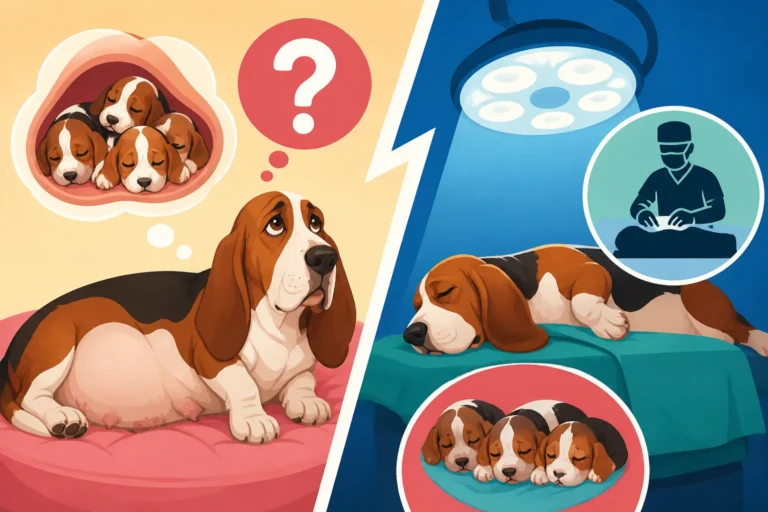
The dam, first and foremost, is under immense physical strain. Carrying so many large puppies for weeks, then enduring a prolonged labor, is incredibly taxing. She'll need constant monitoring, and there's a higher chance of needing veterinary intervention, such as a Cesarean section, if labor becomes difficult or stalls. Whether a Basset Hound Litter Needs a Cesarean is a real concern in these situations, and it can add a significant unexpected cost.
Once the puppies arrive, the demands on the dam's body continue. Feeding a dozen hungry Basset pups requires an incredible amount of milk production. She might struggle to keep up, or become depleted herself. This means the breeder will likely need to supplement feed some of the puppies, rotating them on and off the dam, or even hand-rearing some entirely. This is where products from places like Chewy become indispensable, providing specialized puppy formulas, bottles, and other feeding supplies.
Beyond feeding, large litters mean more mouths to clean, more squirming bodies to keep warm, and more potential for individual puppies to get overlooked or trampled. It's a round-the-clock commitment for the breeder, often requiring multiple people to manage. While wonderful, a very large litter underscores just how much work and dedication goes into responsible breeding.
The Breeder's Role and Preparation for a Litter
Bringing Basset Hound puppies into the world is a significant undertaking, far more involved than simply letting two dogs mate. Responsible breeders put immense effort into planning, preparing, and caring for the dam and her offspring long before the puppies even arrive. This meticulous approach is critical for the health and well-being of everyone involved.
Planning for a Healthy Litter
A good breeder doesn't just decide to have puppies on a whim. The journey begins with careful selection of breeding stock. This involves thoroughly researching pedigrees, health clearances, and temperaments of both the prospective dam and sire. For Basset Hounds, this means screening for common issues such as The Glaucoma a Basset Hound Inherits or Why One Basset Hound in Seven Has Bad Elbows. It's about ensuring that the pairing has the best chance of producing healthy, robust puppies with sound temperaments, not just about getting a certain number of pups.
Once the parents are chosen, the dam's health is paramount. She'll undergo a comprehensive veterinary check-up to ensure she's in peak physical condition before breeding. This includes vaccinations, deworming, and ensuring she's at a healthy weight. Proper nutrition is also crucial; a dam needs a high-quality diet to support her own health and the developing puppies. During pregnancy, her caloric intake will gradually increase, often switching to a puppy-specific food that is richer in nutrients to support fetal development. Reputable brands like Ollie often offer excellent fresh food options that can provide dense nutrition for pregnant or lactating mothers, ensuring they get the best start.
Beyond the physical, a breeder also needs to consider the logistics. Where will the puppies be born? Is there a clean, quiet, and warm whelping area ready? What supplies are needed, from heating pads and blankets to scales for weighing newborns? All these elements are carefully planned to create the safest and most supportive environment possible.
Supporting the Mother and Puppies
The care doesn't stop once the puppies are born; in fact, it intensifies. The breeder's primary role becomes supporting the dam and ensuring each puppy thrives. For the dam, this means continued optimal nutrition, constant access to fresh water, and a quiet, secure place to bond with her litter. It also means monitoring her for any signs of post-whelping complications, such as mastitis or metritis.
For the puppies, the first few weeks are critical. The breeder ensures they are warm, nursing regularly, and gaining weight appropriately. Newborn Basset Hounds, with their short coats and large bodies, can struggle to regulate their temperature, so maintaining a warm environment is vital. Regular weigh-ins help identify any puppies that might be struggling to get enough milk. This hands-on care means spending hours in the whelping box, making sure all the little ones are thriving.
As they grow, the puppies will need gradual introduction to solid food, a process known as weaning. This transition requires careful attention to diet and digestion. Early socialization is also incredibly important, introducing them gently to sights, sounds, and textures of the world around them. This early foundation helps them develop into confident, well-adjusted adult Basset Hounds, ready for their forever homes. The First Year With a Basset Hound Puppy highlights the importance of this early development and continued care.
| Factor | Impact on Litter Size (General Tendency) | Notes |
|---|---|---|
| Dam's Age | Younger (2-5 years) = Larger | Prime breeding age often yields more puppies; older dams tend to have smaller litters. |
| Dam's Health | Excellent health = Larger | Healthy, fit dams are more likely to carry more puppies to term. Underlying conditions can reduce litter size or viability. |
| Sire's Health/Fertility | Excellent health = Potentially Larger | A healthy, fertile sire with good sperm quality increases the chances of conception and larger litter sizes. |
| Genetics/Line | Varies Widely | Some genetic lines naturally produce larger or smaller litters; can be somewhat predictable based on family history. |
| Timing of Breeding | Optimal timing = Potentially Larger | Breeding during peak fertility increases the likelihood of successful conception and potentially more puppies. |
| Nutrition of Dam | Optimal nutrition = Larger | Well-fed dam with proper nutrients supports healthy egg production and fetal development. |
| Stress Levels | High stress = Potentially Smaller | Excessive stress during gestation can sometimes lead to smaller litters or reabsorption. |
The Reality of Raising a Basset Hound Litter
Once the anticipation of knowing how many puppies a Basset Hound litter holds fades, the real work and profound joy of raising them truly begins. It's an experience that tests your patience, fills your heart, and demands an incredible amount of time and resources. For anyone considering breeding, or even just welcoming a new Basset puppy, understanding this reality is key.
Time and Financial Commitment
Let’s be honest: raising a litter of Basset Hounds is not for the faint of heart, nor for those with shallow pockets. The time commitment is enormous, particularly during the first few weeks. It's literally a 24/7 job. You'll be assisting the dam, monitoring feedings, cleaning up messes (and there will be many!), and just ensuring every single puppy is thriving. Sleep becomes a luxury, and your personal life often takes a backseat. This intense period gradually lessens, but the ongoing need for socialization, training, and individual attention continues until the puppies leave for their new homes.
Financially, the costs can quickly add up, often far exceeding initial estimates. There's the cost of quality food for the dam during pregnancy and lactation, which is significantly more than normal. Then there's puppy food as they wean. Vet bills are almost a given: initial check-ups for the dam, potential prenatal care, post-whelping checks, and then all the necessary vet visits for the puppies themselves – deworming, first vaccinations, microchipping. What a Basset Hound's Emergency Surgeries Cost could become relevant if there are complications during birth or with any of the pups.
You'll also need a host of supplies, from whelping box materials and bedding to specialized puppy feeders, toys, and cleaning products. Brands like Chewy are invaluable for stocking up on essentials, from puppy pads to blankets to appropriate first collars and leashes. And don't forget the unexpected: what if a puppy gets sick? What if the dam needs extra care? Having a financial cushion, or even considering specialized pet insurance for the dam and potentially the litter, like Healthy Paws, could be a smart move, though policies vary on coverage for breeding. What a Basset Hound Costs a Year to Keep is a good way to frame the general financial commitment, which is exponentially higher for a litter.
The Joy and the Hard Work
Despite the immense challenges, raising a Basset Hound litter is also an incredibly rewarding experience. There’s an unparalleled joy in watching tiny, helpless pups grow into playful, clumsy, and utterly charming little Bassets. Each one develops its own unique personality, from the bold adventurer to the sleepy cuddlebug. You get to witness their first steps, their first barks (or bays!), and their first interactions with the world.
The bond you form with these puppies, and with their devoted mother, is truly special. You're giving them the best possible start in life, setting them up for success in their future homes. There’s a profound satisfaction in knowing you've contributed to the well-being of the breed and helped create loving companions for deserving families. Seeing the joy on the faces of new owners when they take home their perfectly socialized, healthy Basset pup is a feeling that often makes all the sleepless nights and financial outlays worth it.
However, it's crucial to go into this experience with eyes wide open. It's not just about cute puppies; it's about significant responsibility, dedication, and a deep love for the breed. For those considering getting a Basset Hound puppy, understanding this process helps appreciate the effort their breeder put in. For those considering breeding, it's a call to be prepared for the full spectrum of effort and emotion involved in nurturing new life.
Disclaimer
This article is for general informational purposes only and does not constitute professional advice. Laws, prices and regulations vary by location and change over time. Consult a qualified professional for guidance on your specific situation.