Whether a Basset Hound Can Diet Without Exercise
It's a familiar scenario for many Basset Hound owners: you look at your beloved, long-eared companion, who seems perfectly content to snooze on the sofa, and you know they've put on a few too many pounds. The big question then becomes, can you really get that weight off your Basset Hound with diet alone, especially if they're not exactly keen on daily jogs? This guide is here to shed light on whether a Basset Hound can successfully shed excess weight solely through dietary changes, and how to approach this common challenge with realism and a whole lot of love.
The Realities of Basset Hound Metabolism and Movement
Basset Hounds are, by design, not sprinters or endurance athletes. They were bred for a specific purpose: to leisurely track scent with their powerful noses, allowing hunters on foot to follow along. This unique heritage, combined with their characteristic heavy bone structure and relatively calm demeanor, often means they aren't the most enthusiastic exercise partners. This predisposition, unfortunately, makes them quite susceptible to weight gain, and it leaves many owners wondering how to tackle the extra pounds when getting them moving is a constant negotiation.
Why Basset Hounds Tend to Gain Weight
Our Bassets have an uncanny ability to convince us they are perpetually starving. Their soulful eyes, coupled with a genuine love for food, make it easy to overfeed them. Unlike high-energy breeds that might burn off an extra treat during a romp, a Basset Hound's metabolism tends to be slower, and their activity levels naturally lower. They are simply not built for high-impact activities, and their low-slung bodies and short legs mean even a brisk walk for them is more effort than it might be for a longer-legged dog. This combination of an efficient metabolism and a relaxed attitude towards physical exertion creates a perfect storm for packing on the pounds. We also often mistake their heavy bone structure for being "big boned" when, in reality, it's often excess fat cushioning those bones.
The Health Implications of a Heavier Basset Hound
Carrying extra weight is never good for any dog, but for a Basset Hound, it's particularly detrimental due to their unique anatomy. Their long backs are already prone to issues like Intervertebral Disc Disease in a Basset Hound, and added weight significantly increases the strain on their spine. Think of it like carrying a heavy backpack all day, every day – it takes a toll. Overweight Bassets are also far more prone to developing or exacerbating conditions like Arthritis in a Basset Hound at Seven, especially in their elbows and hips. Their short legs are not designed to support excessive poundage, leading to increased wear and tear on joints. Beyond orthopedic problems, excess weight can lead to a host of other health issues, including diabetes, heart disease, respiratory problems (especially given their broad chests), and even a shortened lifespan. When you consider What Extra Weight Does to a Basset Hound, the motivation to help them shed those pounds becomes urgent.
The Foundation of Weight Loss: Calories In, Not Just Calories Out
The absolute truth of weight management, for Basset Hounds and humans alike, boils down to a fundamental principle: calories in versus calories out. While exercise is undeniably beneficial for overall health, muscle tone, and metabolism, the primary driver of weight loss is creating a caloric deficit. This means your Basset Hound must consume fewer calories than their body burns. When a Basset Hound cannot or will not exercise much, this principle becomes even more critical and dictates that the diet is the overwhelming factor in weight loss.
Understanding Your Basset Hound's Calorie Needs
Estimating the right calorie intake for a Basset Hound can feel like a guessing game, especially when aiming for weight loss. The feeding guidelines on dog food bags are often geared toward active dogs or can be overly generous, leading to unintentional overfeeding. A crucial first step is to consult your veterinarian. They can help you determine your Basset Hound's ideal weight and calculate a safe, effective daily caloric intake to achieve a healthy weight loss. This isn't just about feeding "less"; it's about feeding the right amount for their current weight and activity level, slowly reducing it to encourage fat loss while still providing essential nutrients. Many vets use a formula based on resting energy requirements and then adjust for activity and weight loss goals.
The Cumulative Impact of "Just a Little Extra"
We've all been there: a tiny piece of cheese here, a lick of peanut butter there, a few extra kibbles because they looked so forlorn. These small additions, while seemingly insignificant, quickly add up for a Basset Hound who isn't burning many calories. That teaspoon of peanut butter could be 100 calories or more, a significant portion of a dog's daily allowance, especially on a restricted diet. Consider a common scenario: you're trying to get Getting Weight Off a Basset Hound That Will Not Exercise, and you feed the recommended portion of kibble, but then you add dental chews, training treats, and a few table scraps throughout the day. Suddenly, your Basset is consuming far more than you intended. It's vital to account for everything that goes into their mouth, including any supplements or flavored medications.
Dietary Strategies When Exercise is Minimal
When consistent, strenuous exercise isn't a viable option for your Basset Hound, either due to health limitations, temperament, or simply their inherent "Basset-ness," diet becomes the absolute cornerstone of their weight loss journey. This isn't about deprivation, but about smart, strategic feeding that satisfies their appetite while safely reducing their caloric intake.
Choosing the Right Food for Weight Management
Not all dog foods are created equal, especially when it comes to weight loss. Look for foods specifically formulated for "weight control," "light," or "senior" dogs. These typically have reduced fat and calorie content, often with increased fiber to help your Basset feel fuller for longer. High-fiber foods can be a game-changer, as they add bulk without adding a lot of calories, helping to combat that persistent Basset hunger. Some prescription veterinary diets are also available through your vet, designed for significant weight loss, offering precise calorie counts and balanced nutrition.
When you're searching for these specialized foods, online retailers like Chewy or Amazon often have a wide selection, allowing you to compare nutritional content and ingredients to find the best fit. Always transition new food slowly over 7-10 days to avoid upsetting your Basset's sensitive stomach. Remember to check How Much Food an Adult Basset Hound Eats Monthly and factor in any changes to a weight-loss formula.
Precision in Portion Control and Meal Timing
This is where the rubber meets the road. Eyeballing portions is a common mistake that can sabotage even the best intentions. Invest in a digital kitchen scale and weigh your Basset Hound's food at every meal. This is far more accurate than using measuring cups, which can vary widely. If your Basset typically eats one large meal, consider breaking their daily allowance into two or three smaller meals. This can help manage hunger pangs throughout the day and keep their metabolism gently ticking over.
For dogs that tend to bolt their food, a slow feeder bowl can be incredibly helpful. This prolongs mealtime, making them feel more satisfied and less likely to beg immediately after eating. Even if your Basset isn't moving much, consistent meal times create a routine that can help regulate their appetite and digestive system.
Smart Snacking and Treat Alternatives
Basset Hounds are masters of persuasion when it comes to treats. The good news is, you don't have to eliminate treats entirely, but you do need to be incredibly smart about them. Forget calorie-dense biscuits and opt for healthy, low-calorie alternatives. Many vegetables make excellent, crunchy, and satisfying treats. Think:
- Baby carrots: Great for dental health and a satisfying crunch.
- Green beans: Low calorie, high fiber.
- Cucumber slices: Hydrating and practically calorie-free.
- Apple slices (without seeds): A sweet treat in moderation.
- Bell pepper strips: Crunchy and flavorful.
Always introduce new vegetables slowly to ensure they don't cause digestive upset. You can also use a portion of their daily kibble as treats throughout the day for training or just as a reward. This way, you're not adding extra calories, merely redistributing them. When considering Which Treats Suit a Basset Hound on a Diet, these veggie options are always a winner.
Here's a quick comparison of common treats:
| Treat Type | Typical Calories (Estimate per unit/small portion) | Notes | Diet-Friendly Alternative |
|---|---|---|---|
| Standard Dog Biscuit | 20-50+ | Often high in carbohydrates and fat. | Small pieces of their daily kibble, air-popped popcorn (plain) |
| Dental Chew (large) | 100-200+ | Can be very high calorie; check labels carefully. | Unseasoned green beans, celery sticks |
| Peanut Butter (1 tbsp) | 100-150 | High in fat and calories; easy to overdo. | A few licks of plain pumpkin puree or yogurt (sugar-free) |
| Cheese (small cube) | 50-80 | High in fat and sodium. | Baby carrots, cucumber slices |
| Chicken Jerky | 10-30 | Varies widely; choose lean, single-ingredient options sparingly. | Thin slices of cooked, unseasoned lean chicken or turkey |
Fresh food brands, such as Ollie, might also offer pre-portioned, vet-formulated meals that make calorie control much simpler, eliminating the guesswork from each serving. This can be especially helpful for owners who struggle with consistency.
Enhancing Well-being Beyond Strict Dieting
While dietary changes are paramount for a Basset Hound who struggles with exercise, it's important to remember that weight loss is only one piece of the health puzzle. Even minimal movement, mental stimulation, and a supportive environment play a crucial role in your Basset's overall well-being and can help facilitate weight loss.
Creative Ways to Encourage Gentle Movement
Even if your Basset Hound isn't going to be a marathon runner, gentle, consistent movement is still beneficial. It helps burn some calories, improves circulation, maintains muscle mass, and is good for their mental health. Forget long, grueling walks if that's not their style. Instead, focus on:
- Short, frequent sniff-walks: Bassets live for their noses. Even a 10-15 minute amble around the block, allowing them to thoroughly investigate every interesting scent, is mentally stimulating and provides gentle exercise. It's not about distance; it's about engagement. Whether an Old Basset Hound Still Needs Walks is a common question, and the answer is usually yes, just tailored to their ability.
- Indoor "find it" games: Hide small portions of their kibble in various spots around the house, encouraging them to use their nose and move around to find their meal. This turns mealtime into an activity. Whether a Basset Hound Takes to Scent Work is a resounding yes!
- Gentle play: A slow game of tug or a short session with a favorite squeaky toy can encourage movement without being too strenuous. Keep it low-impact to protect their joints and back.
- Hydrotherapy (if available and vet-approved): For Bassets with significant joint issues or mobility problems, swimming in a controlled environment can offer excellent non-weight-bearing exercise. It's a fantastic way to build muscle without stressing their frame.
The key is consistency and making it enjoyable for them. A Basset Hound will often refuse to walk The Basset Hound That Will Not Walk Any Further if they are uncomfortable or simply bored, so variety and scent enrichment are your best friends.
Environmental Adjustments for Comfort and Safety
A heavier Basset Hound needs a home environment that supports their physical needs. Their long backs and short legs make jumping on and off furniture a risky business, especially when carrying extra weight. Even a small jump can lead to a slipped disc, which is agonizing and costly to treat.
- Ramps and steps: Provide ramps or sturdy pet steps to allow them safe access to favorite resting spots like the sofa or your bed. This reduces impact on their joints and spine. Whether a Basset Hound Should Use a Ramp is often a crucial question for preventing injuries. Amazon offers many options for durable pet ramps that can be placed strategically.
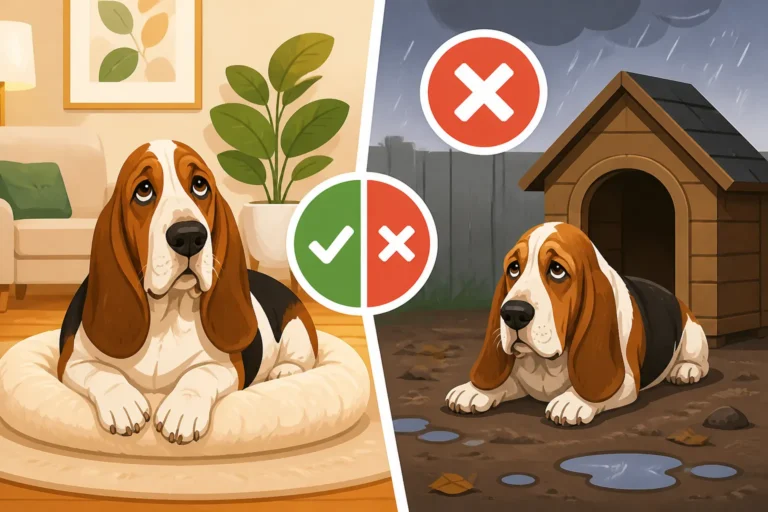
- Orthopedic beds: A supportive, orthopedic bed is essential for any Basset Hound, but especially for those carrying extra weight or dealing with joint pain. These beds provide cushioning and support, relieving pressure points and making rest more comfortable.
- Non-slip flooring: If you have hardwood or tile floors, consider placing rugs or runners in high-traffic areas. Slippery surfaces can make it harder for a heavy Basset to get up and move around, and can lead to painful slips and falls.
These adaptations not only make life more comfortable for your Basset but also help prevent further injury while they are in the process of losing weight.
The Invaluable Role of Your Veterinarian
Embarking on a weight loss journey for your Basset Hound should always begin and continue with your veterinarian's guidance. They are your most valuable partner in this process.
- Accurate diagnosis: Your vet can rule out underlying medical conditions (like Whether a Basset Hound Gets Hypothyroidism) that might contribute to weight gain and make weight loss difficult.
- Personalized plan: They can help you establish a realistic target weight, calculate a safe calorie intake, and recommend a specific weight-loss diet.
- Monitoring progress: Regular weigh-ins at the vet clinic (often free!) are crucial for tracking progress and making necessary adjustments to the diet. It's incredibly motivating to see those numbers slowly drop.
- Support and advice: Your vet can offer advice on appropriate exercise levels, joint supplements (like Whether a Basset Hound Needs Joint Supplements), and strategies for dealing with a persistently hungry Basset. They can also provide a clear, objective perspective, which can be hard to maintain when your adorable Basset is giving you puppy-dog eyes.
While getting a Basset Hound to exercise might be an uphill battle, successfully managing their weight can be achieved primarily through strict, consistent dietary control. It requires dedication, precise measurements, and a firm resolve against those pleading eyes, but the health benefits and extended happy years with your beloved companion are absolutely worth the effort.
Disclaimer
This article is for general informational purposes only and does not constitute professional advice. Laws, prices and regulations vary by location and change over time. Consult a qualified professional for guidance on your specific situation.