Whether a Basset Hound Loses Both Eyes to Glaucoma
It’s a heartbreaking moment for any Basset Hound owner: you notice something isn't quite right with your beloved hound's eye. A little redness, a squint, maybe a cloudy look you didn't see yesterday. The fear that creeps in, that sudden anxiety about their vision, is completely valid. For Basset Hounds, this fear often points to glaucoma, a truly aggressive condition that can, unfortunately, lead to total blindness in both eyes. This guide will walk you through what glaucoma means for your Basset, why it can affect both eyes, and how you can best prepare and manage this challenging journey.
Understanding Glaucoma in Basset Hounds
Bringing a Basset Hound into your life means signing up for a lot of joy, a lot of slobber, and, let’s be honest, a fair few breed-specific health concerns. Among them, glaucoma stands out as one of the most serious. It's not just any eye condition; it's a thief of sight that moves quickly and mercilessly, often leaving owners feeling helpless.
The Specific Threat Glaucoma Poses to Basset Hounds
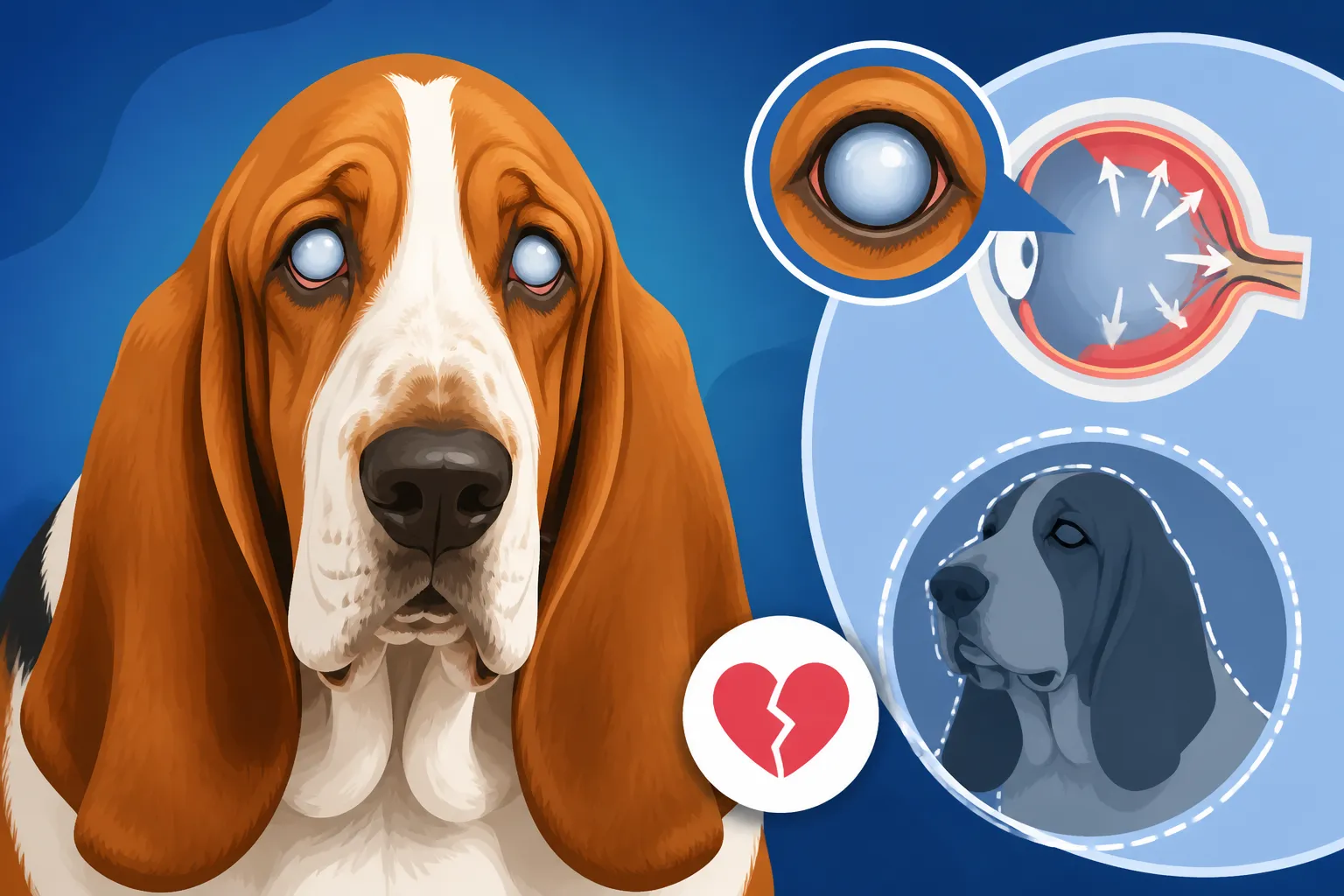
Glaucoma is characterized by increased pressure inside the eye, known as intraocular pressure (IOP). This pressure builds up when the fluid inside the eye (aqueous humor) doesn't drain properly. Think of it like a sink with a tap running but a clogged drain; the water level just keeps rising. This rising pressure damages the optic nerve, which transmits visual information from the eye to the brain, and also harms the retina.
Why are Basset Hounds particularly susceptible? Well, it largely comes down to genetics. Basset Hounds are predisposed to a specific type of glaucoma called primary open-angle glaucoma (POAG). This isn't caused by another underlying eye condition; it's an inherited defect in the eye's drainage angle. The angle itself often appears "open" or normal during an examination, which can be deceiving, but the microscopic structures within it are faulty, leading to inefficient fluid outflow. This genetic predisposition means that if one Basset Hound in your line develops it, there's a higher chance for others. We talk more about this genetic link in our article, The Glaucoma a Basset Hound Inherits. It’s a cruel irony that this sweet, gentle breed carries such a risk.
Recognizing the Early Warning Signs
The scary part about glaucoma is how rapidly it can progress, especially in acute cases. What might start as a subtle change can escalate into severe pain and vision loss in a matter of hours or days. Recognizing the early warning signs is absolutely critical, as early intervention can sometimes make all the difference in preserving at least some vision.
Keep a close watch on your Basset's eyes daily. Look for:
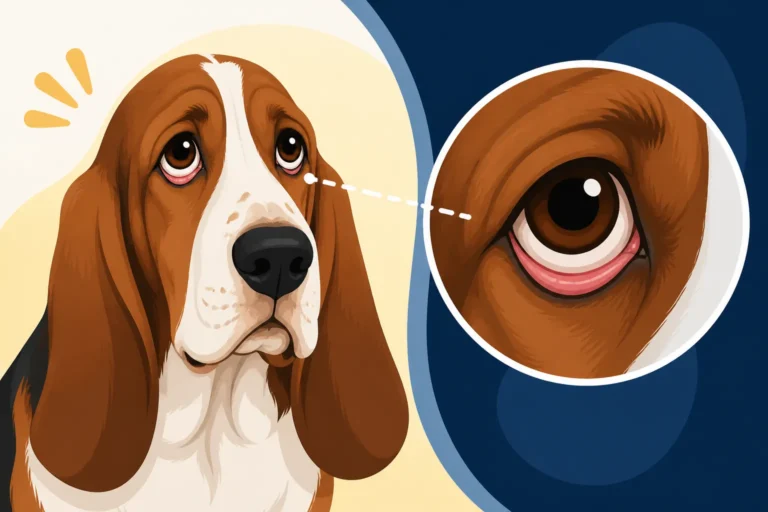
- Redness of the whites of the eye or conjunctiva: This is often one of the first and most noticeable signs. It can range from a faint pinkness to a deep, angry red.
- Cloudiness or haziness of the cornea: The clear front surface of the eye might appear dull, smoky, or even bluish. This happens because the high pressure causes fluid to accumulate in the cornea.
- Dilated pupil that doesn't react to light: The black center of the eye might look larger than normal and unresponsive.
- Squinting or holding the eye shut: This is a clear indicator of pain. Your Basset might rub at the eye with a paw or against furniture.
- Lethargy or changes in behavior: Pain can make even the most jovial Basset withdrawn, reluctant to play, or less interested in food.
- Asymmetry: One eye might look noticeably larger, bulge slightly, or simply not match the other eye in appearance.
It's vital to understand that if you notice any of these symptoms, especially a red eye, it's an absolute emergency. Don't wait. Get your Basset to a veterinary ophthalmologist or emergency vet immediately. Every minute counts when it comes to glaucoma, as the damage caused by high pressure can be irreversible. You can learn more about specific indicators in our detailed guide, The First Signs of Glaucoma in a Basset Hound, and why Whether a Basset Hound's Red Eye Is an Emergency is a question that always warrants immediate action. The pain associated with glaucoma can be significant, making prompt treatment for relief as important as preserving sight, as we discuss in Whether Glaucoma Hurts a Basset Hound.
The Progression to Bilateral Blindness
One of the most devastating aspects of glaucoma in Basset Hounds is the very real possibility that it will affect both eyes. It's a cruel double blow, not just losing vision in one eye, but knowing the other is often on a similar, dangerous path.
Why One Eye Often Leads to the Other
When a Basset Hound is diagnosed with primary glaucoma in one eye, it's almost always a precursor to the same condition developing in the other eye. This isn't because the disease "spreads" in the infectious sense, but rather because the underlying genetic defect is present in both eyes. The anatomical predispositions, the narrow or faulty drainage angles, are generally bilateral, even if the onset isn't perfectly simultaneous.
Think of it as having two cars from the same production line, both with a known manufacturing flaw in a specific part. One car's part might fail today, but it's highly probable the other car's part will fail tomorrow, or next month, or next year. The "fellow eye" (the one not yet showing symptoms) is always considered at high risk. Studies indicate that the second eye often develops glaucoma within a year or two of the first eye's diagnosis, sometimes even sooner. This creates immense anxiety for owners, constantly watching, waiting, and hoping to catch it early in the second eye.
The Timeline of Vision Loss
The speed at which glaucoma leads to vision loss varies. In acute cases, where the pressure skyrockets suddenly, blindness can occur in as little as 24-48 hours if not treated aggressively and immediately. This is particularly common in primary angle-closure glaucoma, though Bassets are more prone to the "open angle" variety. Even with open-angle glaucoma, sustained high pressure will lead to irreversible optic nerve damage over time.
For chronic glaucoma, the progression might be slower, allowing for a longer period of medical management, but the eventual outcome without successful control is still vision loss. This means that after the initial diagnosis in one eye, the focus shifts dramatically to the "at-risk" second eye. Veterinary ophthalmologists will typically recommend a proactive approach for this eye, often involving preventative eye drops and very frequent monitoring. This consistent vigilance, including regular eye pressure checks, is paramount. Our article Whether a Basset Hound Needs a Yearly Eye Pressure Check emphasizes the importance of these routine screenings for early detection.
Treatment and Management to Preserve Sight
Facing a glaucoma diagnosis in your Basset Hound can feel overwhelming, but there are management strategies available. The goal is always to reduce intraocular pressure and save as much vision as possible, for as long as possible. This often involves a multi-pronged approach combining daily medications and, in some cases, surgical interventions.
Medical Management: Eye Drops and Beyond
The cornerstone of glaucoma treatment, especially for primary open-angle glaucoma in Basset Hounds, involves medicated eye drops. These drops work in different ways: some decrease the production of aqueous humor, while others improve its outflow.
Common types of eye drops include:
- Prostaglandin Analogs (e.g., Latanoprost, Travoprost): These are often the first line of defense as they are very effective at increasing fluid outflow from the eye. They typically need to be administered frequently, sometimes every 8-12 hours.
- Carbonic Anhydrase Inhibitors (e.g., Dorzolamide, Brinzolamide): These drops work by reducing the production of fluid within the eye. They are often used in conjunction with prostaglandin analogs.
- Beta-Blockers (e.g., Timolol): These also help to decrease fluid production.
Administering eye drops multiple times a day for years can be a real challenge. Basset Hounds, with their deep-set eyes and sometimes stubborn nature, can make this a daily battle. Owners often feel frustrated, trying to get those drops in when their dog is uncomfortable or simply uncooperative. But this isn't a temporary fix; it's a lifelong commitment. The consistency is key to managing the pressure. The costs associated with these medications can also add up significantly, a topic we cover in depth in What Glaucoma Drops Cost a Basset Hound Owner Monthly. This financial aspect is often overlooked until you're faced with it month after month.
Surgical Interventions and Their Efficacy
When medical management alone isn't enough to control the intraocular pressure, or in cases where the disease is particularly aggressive, surgical options may be considered. These procedures aim to either reduce fluid production or create new drainage pathways.
- Laser Cyclophotocoagulation: This procedure uses a laser to destroy some of the cells in the ciliary body, which are responsible for producing aqueous humor. By reducing fluid production, the pressure inside the eye can be lowered. This can be done externally or internally.
- Gonioimplantation (Drainage Implants): This involves surgically implanting a tiny shunt or valve to create an artificial drainage pathway for the fluid, helping to relieve pressure. These devices, like the Ahmed Glaucoma Valve, are placed to divert fluid to a small reservoir under the conjunctiva.
Unfortunately, even with surgery, glaucoma is rarely "cured." These interventions are often about managing the condition and extending the period of vision. Sometimes, despite all efforts, the pain becomes unbearable and vision is completely lost. In such heartbreaking cases, removal of the eye (enucleation) might be the kindest option for a Basset Hound to live a pain-free life. It’s a gut-wrenching decision, but one made out of love. We explore the costs and considerations of this extreme measure in What Removing a Basset Hound's Eye Costs. These are not inexpensive procedures, and understanding What Glaucoma Surgery Costs a Basset Hound Owner is crucial for financial planning. This is where pet insurance, like policies from Healthy Paws, can truly be a lifesaver, helping to cover a significant portion of these high veterinary bills and allowing you to focus on your Basset's care rather than the crushing financial burden.
Proactive Steps for the Second Eye
Given the bilateral nature of primary glaucoma in Basset Hounds, managing the "fellow eye" that hasn't yet shown symptoms is paramount. This proactive approach can significantly delay or even prevent the onset of glaucoma in the second eye, preserving vision for longer.
Typically, veterinary ophthalmologists will recommend starting prophylactic (preventative) eye drops in the healthy eye. These drops are usually milder than those used for an active glaucoma case but serve to reduce pressure or improve outflow, essentially trying to prevent the pressure from ever rising to damaging levels. Regular monitoring is also non-negotiable. This means frequent follow-up appointments, often every 3-6 months, for pressure checks, even if the eye appears perfectly normal. The hope with consistent intervention is to keep that second eye healthy and sighted for as long as possible, but it's important to remember that it's an ongoing battle, not a guaranteed win.
Life with a Glaucoma-Affected Basset Hound
When a Basset Hound loses its vision, whether in one eye or both, it's a huge adjustment for everyone in the household. It requires patience, understanding, and a willingness to adapt. But the good news is that Basset Hounds are incredibly resilient and can still live full, happy lives.
Adapting to Vision Loss
A Basset Hound's world is already largely experienced through its nose. Their incredible sense of smell, second only to a Bloodhound, becomes an even more powerful tool when vision diminishes. They can map their environment, recognize people, and find their way around familiar spaces with remarkable accuracy. This natural ability is a huge advantage compared to breeds that rely more heavily on sight.
To help your Basset adapt, creating a consistent and safe home environment is key:
- Maintain Routines: Keep feeding times, walk schedules, and potty breaks consistent. Predictability reduces anxiety.
- Don't Rearrange Furniture: Keep their paths clear and predictable. If you must move something, guide them around it several times.
- Use Gates: Block off stairs or dangerous areas to prevent falls.
- Auditory Cues: Use verbal cues for obstacles, turns, or approaches. Happy, reassuring tones are always best.
- Scent Markers: Some owners use essential oils (safely diluted and applied to objects, not directly on the dog) or different textures of rugs to mark important areas like water bowls or exits.
- Familiar Toys: Keep their favorite toys accessible and encourage play with squeaky toys to engage their hearing. Their powerful nose can still find a treat puzzle. We cover the resilience of these hounds in Whether a Blind Basset Hound Copes.
Emotional and Financial Toll on Owners
Let's be real, dealing with a chronic, progressive condition like glaucoma is incredibly tough. Emotionally, it's a rollercoaster of worry, sadness, and frustration. You love your Basset more than anything, and seeing them struggle with pain or losing their sight is heartbreaking. It's perfectly normal to feel overwhelmed, stressed, and even a bit guilty, wondering if you could have done more. Remember, you're doing an amazing job, navigating a difficult situation with love and dedication.
Financially, the burden can be substantial. Between the initial emergency vet visits, consultations with specialists, ongoing daily medications, and potential surgeries, the costs can quickly spiral into thousands of dollars. Consider this table outlining some potential costs:
| Item/Service | Estimated Cost Range (USD) | Frequency/Notes |
|---|---|---|
| Emergency Vet Visit (Initial Diagnosis) | $200 – $1,000+ | One-time, potentially repeated for acute episodes |
| Veterinary Ophthalmologist Consultation | $150 – $400 per visit | Multiple visits per year, especially initially |
| Intraocular Pressure (IOP) Check | $50 – $100 per check | Included in consultations, or stand-alone |
| Glaucoma Eye Drops (e.g., Latanoprost) | $30 – $100 per bottle | Monthly, sometimes multiple types needed |
| Laser Cyclophotocoagulation Surgery | $1,500 – $4,000 per eye | As needed, may require repeat |
| Drainage Implant (Gonioimplantation) | $2,000 – $5,000+ per eye | As needed |
| Enucleation (Eye Removal) | $800 – $2,500 per eye | If pain is uncontrollable and vision is lost |
| Medications for Pain/Inflammation (Oral) | $20 – $80 per month | As needed |
(Note: These are estimated costs and can vary widely based on location, clinic, and specific treatments.)
These figures highlight why pet insurance is often a wise investment for Basset Hound owners, especially given the breed's predispositions. Companies like Healthy Paws can help mitigate these costs significantly, ensuring you can make treatment decisions based on what’s best for your Basset, not just your wallet. Understanding What a Basset Hound's Eye Care Costs in general, and looking into options like What Insuring a Basset Hound Runs Monthly, can provide peace of mind and financial preparedness for managing complex health issues like glaucoma. The time commitment for daily drop administration and frequent vet visits also impacts your daily life, requiring dedication and flexibility. It’s a journey, but one you don't have to walk alone.
Disclaimer
This article is intended for informational purposes only and does not constitute veterinary advice. Always consult with a qualified veterinary professional for any health concerns or before making any decisions about your Basset Hound's care.