What an Eyelid Correction Costs on a Basset Hound
It’s a heart-wrenching moment for any Basset Hound owner when those famously soulful, droopy eyes that usually inspire smiles start to look painful, red, or irritated. What often begins as a subtle squint or a little extra discharge can escalate into a serious condition requiring surgery, leaving many owners wondering about the financial strain of fixing their beloved hound’s eyelids. This guide will walk you through the real costs associated with eyelid correction for Basset Hounds, from those initial vet visits to the post-operative care, helping you understand what to expect when faced with this common but challenging issue.
Understanding the Eyelid Issues That Plague Basset Hounds
Basset Hounds are famous for their wonderfully loose skin and long, heavy ears, but these very traits can sometimes predispose them to uncomfortable eye conditions. The way their eyelids are structured can lead to problems where the lid either rolls inward (entropion) or sags outward (ectropion), each presenting its own set of challenges and necessitating intervention to prevent chronic pain and vision impairment. It’s not just about aesthetics; it's about your hound's comfort and long-term eye health.
Entropion: When Eyelids Roll Inward
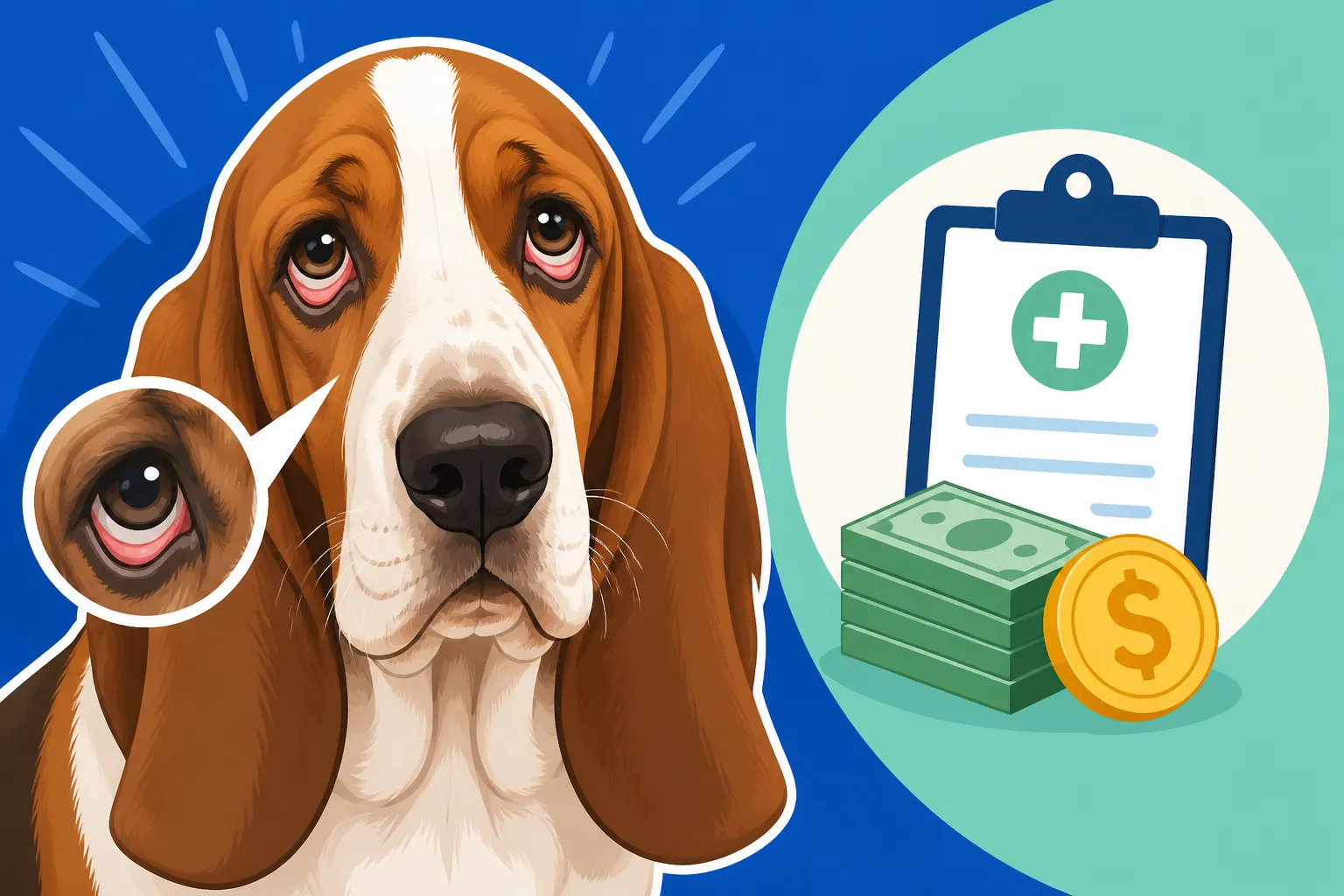
Entropion is a common culprit behind a Basset Hound's irritated eyes. Imagine having your eyelashes constantly rubbing against your eyeball – that's essentially what your Basset experiences when their eyelid rolls inward. This inward turn causes the fur and lashes to abrade the cornea, leading to irritation, pain, excessive tearing, and often, corneal ulcers. It can affect either the upper or lower lid, or both, and can impact one eye or both eyes simultaneously. The signs might be subtle at first: a bit of redness, a slight squint, or increased watery discharge. But over time, if left unaddressed, the constant friction can cause serious damage, potentially leading to scarring, pigment deposition, and even blindness. It's a truly uncomfortable condition that can significantly diminish your dog's quality of life, making surgical correction a crucial step in their care. If you've ever seen your Basset pawing at their face or seemingly unable to open their eye fully, entropion might be the hidden cause. Whether a Basset Hound Gets Entropion is a question many owners eventually face.
Ectropion: The Characteristic Sag
On the flip side, ectropion is when the eyelid sags or rolls outward, exposing the delicate inner lining of the lid and the lower part of the eye itself. While it might look less immediately painful than entropion, it's far from benign. This characteristic droop, often seen as part of the Basset Hound's breed standard, leaves the eye vulnerable. It acts like a little pocket, collecting dust, dirt, debris, and environmental irritants. This constant exposure can lead to chronic dryness, conjunctivitis (inflammation of the pink tissues around the eye), and frequent infections because the natural protective barrier is compromised. You might notice your Basset has perpetually red, watery eyes, or you might find yourself constantly wiping away discharge. Owners often confuse this constant weeping for a normal "sad eye" look, but it's actually a sign of chronic irritation. While ectropion can seem more cosmetic, it can lead to chronic discomfort and recurrent infections, making surgical correction a consideration for many Basset Hounds. Whether a Basset Hound Gets Ectropion highlights this common issue.
The Path to Diagnosis and Initial Consultations
When you first suspect an eye issue with your Basset Hound, the journey typically begins with a visit to your regular veterinarian. They are your first line of defense and can provide initial assessments and advice. However, given the specialized nature of ophthalmic conditions, a referral to a veterinary ophthalmologist is a common and often necessary next step to get a definitive diagnosis and treatment plan.
First Vet Visit and Eye Exams
Your primary veterinarian will perform a thorough general examination, including a focused eye exam. This usually involves inspecting the eyelids, checking for foreign bodies, assessing tear production with a Schirmer tear test, and often staining the cornea with fluorescein dye to check for ulcers or abrasions. They'll be looking for signs of inflammation, infection, and structural abnormalities of the eyelids. These initial diagnostic tests are vital for pinpointing the exact problem. The cost for this initial visit, including the consultation and basic diagnostic tests, will vary but is a necessary first step. You might leave with some medicated eye drops or antibiotics if an infection is present, but if the issue is structural, your vet will likely discuss a specialist referral. It's frustrating to leave without a "fix," but remember, this initial step is about ruling out simple causes and identifying the complex ones. Your vet might even suggest an Elizabethan collar (e-collar) to prevent your Basset from further irritating their eyes, which you can often find readily available from online retailers like Chewy.
Specialist Referrals to a Veterinary Ophthalmologist
For persistent or complex eyelid conditions like entropion or ectropion that require surgery, your regular vet will almost certainly recommend seeing a board-certified veterinary ophthalmologist. These specialists have advanced training and equipment dedicated solely to eye health. Their consultation will be more in-depth, often involving specialized tools to get a magnified view of the eye structures, assess corneal health in detail, and measure intraocular pressure. This specialist visit comes with its own separate consultation fee, which is typically higher than a general vet visit due to their expertise and specialized equipment. They will confirm the diagnosis, discuss the prognosis, and outline the specific surgical options tailored to your Basset Hound's unique needs. This step, while an added expense, is crucial for ensuring the best possible outcome and preventing future complications, as eye surgery requires incredible precision. It’s also important to remember that some pet insurance plans, like those from Healthy Paws, often cover specialist visits, which can provide a significant relief when faced with unexpected costs like these.
Surgical Correction: What to Expect and How Costs Add Up
Once a specialist confirms the need for surgical intervention, you'll be faced with understanding the procedure itself and the various components that contribute to the overall cost. Eyelid correction surgery, while common, is a delicate procedure requiring skilled hands and meticulous post-operative care.
The Surgical Procedure Itself
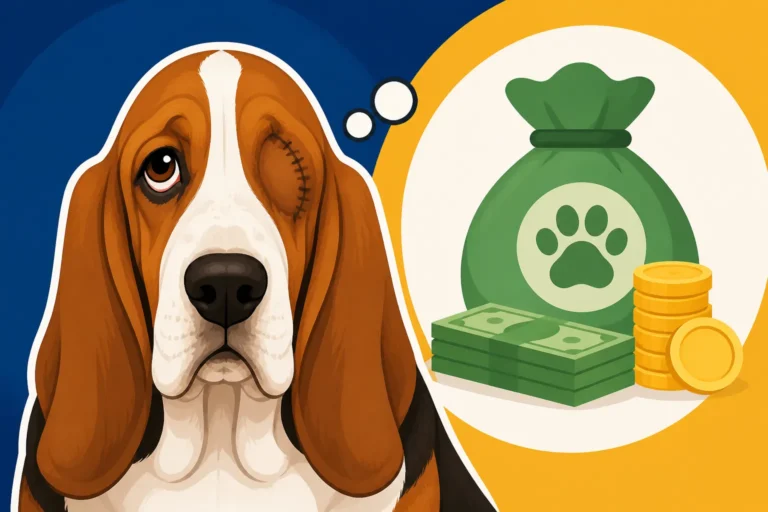
Eyelid correction surgery for entropion or ectropion in Basset Hounds is a corrective procedure designed to reshape the eyelid and restore its proper function. For entropion, the most common technique involves removing a small, crescent-shaped piece of skin and muscle from below the affected eyelid, then stitching the remaining skin together. This effectively rolls the eyelid outward, preventing the lashes from rubbing against the eye. For ectropion, different techniques might be used, such as a wedge resection, where a small V-shaped piece of tissue is removed from the eyelid to shorten and tighten it, or other procedures to lift and secure the sagging lid. The goal isn't just cosmetic; it's about alleviating pain, preventing further damage, and restoring your Basset Hound's comfort. The cost of the surgical procedure itself is often the largest component and can vary widely based on the complexity, whether one or both eyes are involved, and if both upper and lower lids need attention. It's a significant investment, but one that drastically improves your Basset's quality of life.
Anesthesia, Monitoring, and Pre-Surgical Preparations
Beyond the surgeon's fee, a substantial portion of the cost for any veterinary surgery goes into ensuring the safety and comfort of your pet during the procedure. This includes general anesthesia, which requires careful calculation based on your Basset's weight, age, and overall health. Pre-surgical bloodwork is typically mandatory to assess organ function and ensure your dog can safely undergo anesthesia. During surgery, your Basset Hound will be continuously monitored by trained veterinary staff, tracking heart rate, respiration, blood pressure, and oxygen saturation. This intensive monitoring minimizes risks, but it also adds to the overall expense. Think of it as investing in their safety; these are critical components that prevent complications. For a breed like the Basset Hound, who might already have other health considerations, this meticulous approach is even more crucial. What a Basset Hound's MRI Costs for back issues, for example, illustrates how diagnostic and monitoring services can be a significant part of any procedure's expense.
Post-Operative Care and Medication
The care doesn't stop once the surgery is complete. Post-operative care is vital for proper healing and to prevent infection. This typically involves a course of oral antibiotics, pain medication to keep your Basset comfortable, and medicated eye drops or ointments. Your Basset will also likely need to wear an Elizabethan collar (e-collar) for 10-14 days to prevent them from rubbing or scratching at the incision sites, which could lead to infection or reopening of the sutures. Follow-up appointments with the ophthalmologist are also necessary to monitor healing, remove sutures, and ensure the correction is successful. These follow-up visits, medications, and supplies (like the e-collar or special wound care products, which can often be purchased from retailers like Chewy) all contribute to the final bill. Neglecting this crucial stage can undermine the entire surgical investment. Keeping their eyes clean and protected is paramount. What a Basset Hound's Eye Care Costs can truly add up, especially during this critical recovery phase.
Managing the Financial Aspect and Long-Term Outlook
Facing a potentially expensive surgery for your beloved Basset Hound can be daunting. It’s natural to feel overwhelmed, but there are ways to prepare for and manage these costs, while also considering the long-term health implications for your hound.
Pet Insurance and Payment Options
One of the most effective ways to mitigate the financial shock of unexpected veterinary expenses, including eyelid correction surgery, is through pet insurance. Providers like Healthy Paws offer various plans that can cover a significant portion of eligible veterinary bills, often including specialist consultations, diagnostics, surgery, and post-operative medications. It’s always best to enroll in pet insurance before any conditions arise, as pre-existing conditions are typically not covered. If you don't have insurance, many veterinary clinics offer payment plans through third-party financing companies, allowing you to spread the cost over several months. It's worth discussing these options with your vet's office manager. Setting aside a dedicated emergency fund for your Basset Hound's health is also a smart strategy, as breeds like Bassets are prone to several health issues beyond their eyes. Insuring a Basset Hound Against Eyes, Ears and Backs is a wise decision for any owner.
Prevention and Ongoing Care
While structural eyelid issues often have a genetic component and aren't entirely preventable, good ongoing care can certainly minimize complications and maintain overall eye health. Regularly cleaning around your Basset's eyes with a soft, damp cloth can help remove discharge and irritants, especially given The Skin Under a Basset Hound's Folds. Be vigilant for any signs of redness, squinting, or excessive tearing. Maintaining a healthy weight is also crucial for a Basset Hound's overall well-being, as extra weight can exacerbate many health problems, including potentially influencing skin laxity. High-quality nutrition, perhaps from brands like Ollie, can support overall health, which in turn helps with recovery and general resilience. If your Basset has already undergone surgery, regular veterinary check-ups, including Whether a Basset Hound Needs a Yearly Eye Pressure Check, are essential to monitor for recurrence or the development of issues in other eyelids. Early detection of any new problems can often lead to less invasive and less costly interventions.
Summary of Eyelid Correction Cost Components
To give you a clearer picture, here’s a breakdown of the typical cost components involved in eyelid correction for a Basset Hound. Please remember that these are general categories, and actual costs will fluctuate significantly based on your location, the specific veterinary practice, the complexity of the case, and whether a general practitioner or specialist performs the surgery.
| Cost Component | Description | Typical Cost Influence |
|---|---|---|
| Initial Vet Consultation | Examination, basic eye tests (stain, tear test), general assessment. | Low to Moderate |
| Specialist Consultation | Advanced eye exam, detailed diagnosis by veterinary ophthalmologist. | Moderate to High |
| Pre-Surgical Diagnostics | Bloodwork, EKG (if needed), other screenings to ensure anesthesia safety. | Moderate |
| Anesthesia & Monitoring | Anesthesia drugs, administration, continuous monitoring during surgery. | High |
| Surgical Procedure | Surgeon's fee, operating room use, actual eyelid correction. | High (can be very high for complex bilateral cases) |
| Medications | Post-operative pain relief, antibiotics, anti-inflammatory eye drops/ointments. | Low to Moderate |
| Supplies | Elizabethan collar, specialized cleaning wipes or solutions. | Low |
| Follow-up Visits | Post-op checks, suture removal, monitoring healing. | Low to Moderate (per visit) |
This article is for general informational purposes only and does not constitute professional advice. Laws, prices and regulations vary by location and change over time. Consult a qualified professional for guidance on your specific situation.