What Elbow Surgery Costs on a Basset Hound
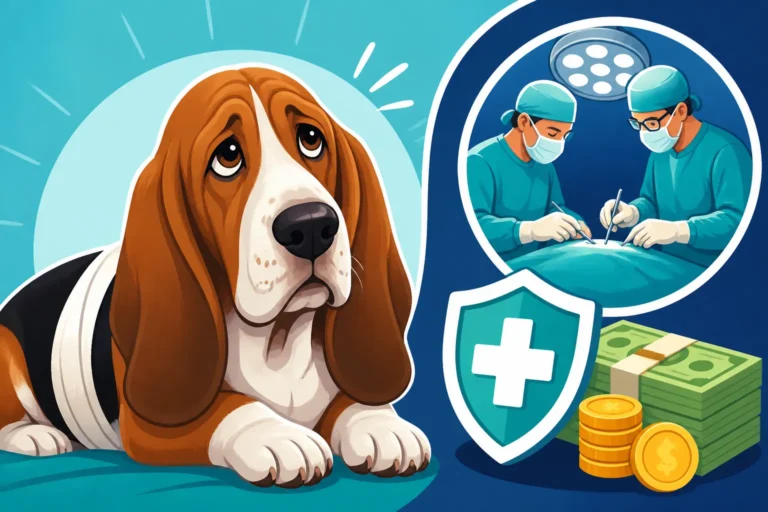
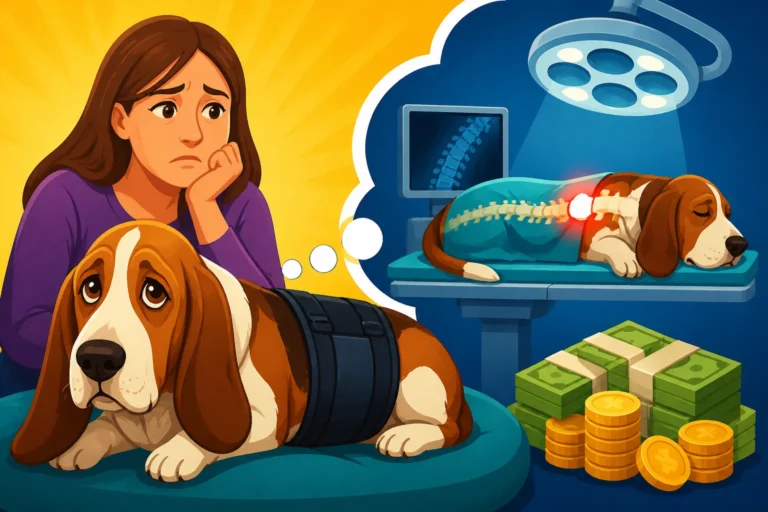
Finding out your beloved Basset Hound needs elbow surgery is enough to make any dog parent's heart sink, not just because of the worry for their furry friend but also the immense financial stress that comes with it. The reality of high veterinary costs can be a shocking wake-up call, especially when it involves specialized procedures. This guide is here to walk you through what elbow surgery for a Basset Hound typically entails, breaking down the various costs you might encounter, and offering insights into how to prepare for such a significant expense.
Understanding Elbow Dysplasia in Basset Hounds
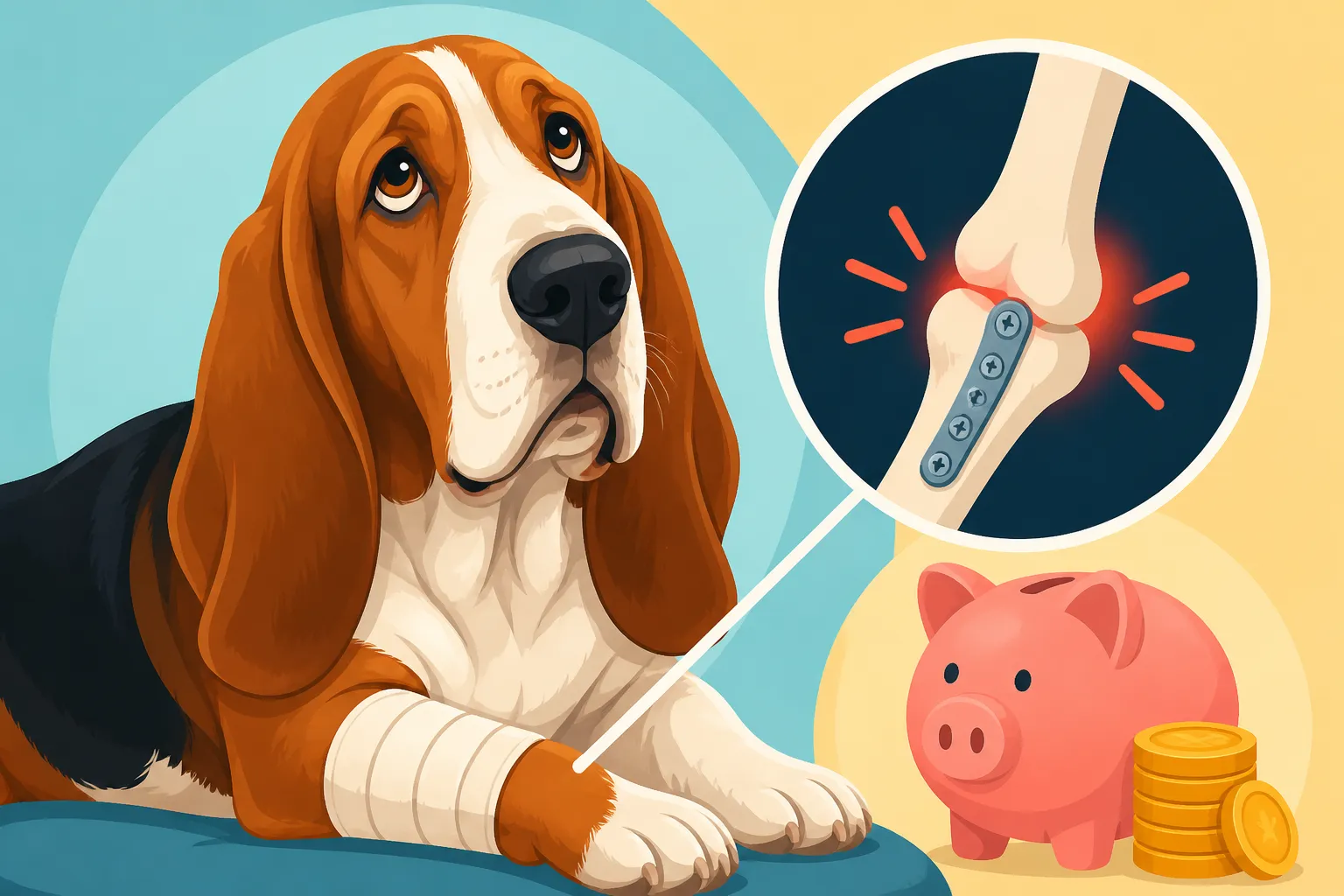
Elbow dysplasia is a heartbreaking reality for many Basset Hounds, and it's often the primary reason they might need elbow surgery. It's not just a simple ache; it's a complex condition involving multiple developmental abnormalities of the elbow joint. Unlike a sudden injury, this is something that develops as they grow, often stemming from their unique skeletal structure and genetic predispositions. Seeing your typically jovial Basset Hound struggling with a limp or hesitant to get up can be incredibly tough, knowing that their very build might be working against them.
The Root Cause: Genetic Predisposition and Development
Our Basset Hounds, with their charmingly crooked front legs and distinctive low-slung bodies, are unfortunately more prone to certain orthopedic issues than many other breeds. Elbow dysplasia is one of those conditions that lurks in the background, often inherited. It's essentially a mismatch in the growth rates of the three bones that form the elbow joint, leading to instability, abnormal cartilage wear, and eventually, painful arthritis. This isn't a condition caused by rough play or a single fall; it's a structural issue that develops over time, often manifesting symptoms as they mature. This genetic component is why responsible breeders try to screen their breeding stock, but even with careful selection, it can still pop up. You can learn more about this specific issue in Why One Basset Hound in Seven Has Bad Elbows.
Signs Your Basset Hound Might Need Help
Recognizing the signs early can make a big difference, both for your dog's comfort and potentially for managing treatment costs. Basset Hounds are often stoic, so subtle clues might be all you get. Look for a reluctance to exercise, a noticeable limp, especially after resting or intense activity, stiffness, or difficulty getting up or lying down. Sometimes, they might hold their elbow out, or you might hear a clicking or grinding sound when they move. They might even just seem generally less enthusiastic about their daily walks or playing, which, for a Basset Hound, can be a major red flag. Don't dismiss these as simply "getting old" or "being lazy," especially if your Basset is still relatively young. Arthritis in a Basset Hound at Seven can often stem from untreated conditions like elbow dysplasia.
Diagnostic Steps and Initial Vet Bills
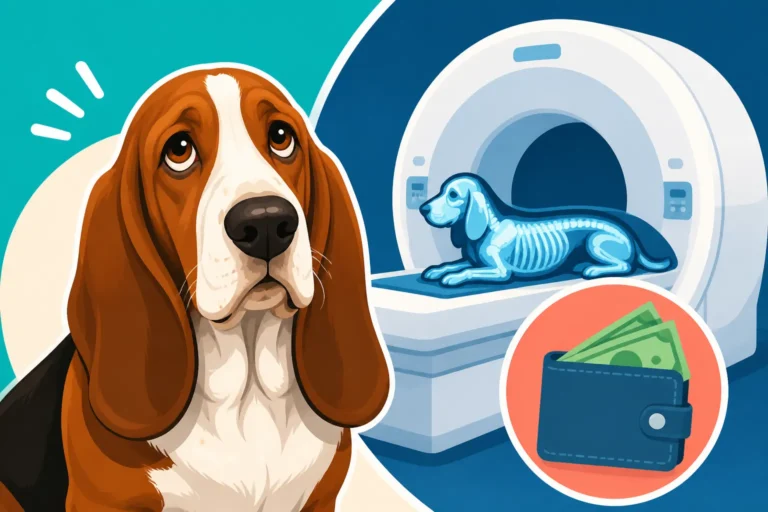
Before any talk of surgery, your vet needs to confirm the diagnosis, and this involves several steps that come with their own costs. It usually starts with a thorough physical examination where your vet will manipulate the joint and observe your Basset's gait. If elbow dysplasia is suspected, X-rays are almost always the next step. Sometimes, specialized views or even sedation might be required for the best images, adding to the expense. In more complex cases, or to fully understand the extent of the damage and plan surgery, your vet might recommend a CT scan or MRI. These advanced imaging techniques provide incredibly detailed pictures of the joint and are invaluable for surgical planning but also represent a significant upfront cost.
Deconstructing the Cost of Basset Hound Elbow Surgery
Now, let's talk about the numbers, or at least the components that make up those numbers. When your vet recommends elbow surgery for your Basset Hound, you're not just paying for the procedure itself. You're looking at a whole package of services, from initial consultations to post-op care, and each piece contributes to the final, often daunting, bill. It’s a lot to process, and understanding each part can help you prepare.
Pre-Surgical Consultations and Imaging
Before your Basset even goes near an operating table, there's a good chunk of preparation work. We've already touched on the initial vet visit, physical exam, and X-rays. If your regular vet determines surgery is needed, they might refer you to a board-certified veterinary orthopedic surgeon. This means another consultation fee, as these specialists often charge more for their expertise. The surgeon will review all previous imaging and likely want to take their own, or more specialized, X-rays. They might also suggest a CT scan or MRI, which provides a 3D view of the joint, crucial for intricate surgical planning. These advanced diagnostics are often priced in the mid-to-high hundreds to several thousand dollars, depending on the facility and whether sedation is needed.
The Surgical Procedure Itself (Anesthesia, Surgeon's Fee, Facility)
This is typically the largest part of the bill. The cost will encompass several key elements:
- Anesthesia: Basset Hounds, like all dogs, need to be fully anesthetized for surgery. This involves pre-anesthetic blood work (to ensure they're healthy enough for anesthesia), the anesthetic drugs themselves, constant monitoring by a veterinary technician or anesthesiologist throughout the procedure, and recovery. Older Basset Hounds or those with other health concerns might require more intensive monitoring, increasing this cost.
- Surgeon's Fee: This is the cost for the surgeon's time, skill, and expertise. Board-certified orthopedic surgeons command higher fees due to their specialized training and experience, which is exactly what you want when dealing with such a delicate procedure.
- Facility and Equipment Fees: This covers the use of the operating room, sterile instruments, drapes, and the general overhead of the veterinary hospital. Complex orthopedic surgeries require specialized equipment that needs to be maintained and sterilized, and these costs are factored in.
- Surgical Implants: Depending on the type of elbow surgery, implants like screws, plates, or pins might be used to stabilize the joint. These materials are often expensive and contribute significantly to the overall cost.
The total for the actual surgery, including anesthesia and surgeon's fees, can range widely, often starting in the low thousands and going up significantly, especially for more complicated cases.
Post-Operative Care, Medications, and Follow-ups
The care doesn't stop when your Basset Hound leaves the operating room. The immediate post-operative period is crucial for recovery. This includes:
- Hospitalization: Your Basset will likely need to stay overnight, or even for a few days, at the clinic for pain management, wound care, and close monitoring. This involves daily hospitalization fees.
- Medications: They'll come home with a regimen of pain relievers, anti-inflammatory drugs, and possibly antibiotics to prevent infection. These prescriptions add to the bill.
- E-collar: An Elizabethan collar (cone) is essential to prevent your Basset from licking or chewing at their incision site, which can lead to infection or reopening the wound. If you don't have one, the clinic will provide one for a fee.
- Follow-up Appointments: Several follow-up visits will be needed to check the incision, assess healing, remove stitches, and take progress X-rays. Each of these appointments will have an associated consultation and possibly imaging fee. These follow-ups are critical to ensure proper healing and address any complications promptly.
Rehabilitation and Physical Therapy – The Long Road to Recovery
Surgery is often just the first step. For many Basset Hounds, especially those who've had significant elbow issues, rehabilitation and physical therapy are absolutely vital for a successful recovery and to regain strength and mobility. Skipping this step can compromise the surgical outcome.
- Initial Therapy Sessions: These might start soon after surgery, focusing on gentle range-of-motion exercises, passive stretches, and controlled leash walks.
- Advanced Therapies: As your Basset heals, therapy might include hydrotherapy (underwater treadmill), therapeutic exercises, massage, laser therapy, and even acupuncture. These sessions are typically scheduled multiple times a week for several weeks or months. Each session has a cost, and these can add up very quickly.
- Home Exercise Program: Your therapist will also teach you exercises to do at home, but consistency with these, along with the professional sessions, is key.
The overall cost of physical therapy can range significantly based on the duration and intensity required, but it's not uncommon for it to add hundreds to thousands of dollars to the total recovery expense. It's an investment in your Basset's long-term comfort and mobility. Many vets recommend ramps or steps for Basset Hounds to avoid strain, which is especially important during recovery. You can find out more about the cost of these aids in What Physical Therapy Costs a Basset Hound Owner.
| Cost Component | Typical Inclusion in Surgery Quote | Estimated Cost Shape (Pre-Insurance) |
|---|---|---|
| Initial Vet Consult/Exam | No (separate prior visit) | Moderate |
| Diagnostic X-rays | Often included in pre-op phase | Moderate to High |
| Advanced Imaging (CT/MRI) | No (separate, specialized) | High |
| Anesthesia (Pre-op bloodwork, drugs, monitoring) | Yes | Moderate to High |
| Surgeon's Fee | Yes | High |
| Operating Room/Facility Fees | Yes | Moderate to High |
| Surgical Implants (if needed) | Often extra, or specifically itemized | High |
| Overnight Hospitalization | Often extra, per night | Moderate (per night) |
| Post-op Medications | No (separate prescription) | Low to Moderate |
| E-collar | Often extra, or provided | Low |
| Follow-up Vet Visits | No (separate appointments) | Moderate (per visit) |
| Follow-up X-rays | No (separate imaging fee) | Moderate |
| Physical Therapy/Rehabilitation | No (separate referral/sessions) | High (over several weeks/months) |
Factors Influencing the Total Bill
It's natural to want a clear-cut number, but the truth is, the cost of elbow surgery for a Basset Hound can vary wildly. There isn't a single price tag, and understanding why can help you manage your expectations and budget. Several elements play a significant role in determining how much you'll ultimately pay.
Geographic Location and Veterinary Practice Type
Just like human healthcare, veterinary costs are heavily influenced by where you live. A procedure performed in a major metropolitan area or a high-cost-of-living region will almost always be more expensive than the same procedure in a rural area. The cost of living for staff, rent for the facility, and general overhead all factor into clinic pricing.
Furthermore, the type of veterinary practice matters. A specialized orthopedic referral center, which offers state-of-the-art equipment and board-certified surgeons, will generally charge more than a general practice vet who might perform simpler orthopedic procedures. While the upfront cost might be higher at a specialist, the expertise and advanced equipment often lead to better outcomes, which can save money in the long run by reducing the risk of complications or the need for revision surgeries. Sometimes, for What a Basset Hound's Emergency Surgeries Cost, specialists are the only option.
Severity of the Condition and Surgical Complexity
Not all elbow dysplasia cases are created equal. The severity of your Basset Hound's condition, the specific type of lesion, and the extent of any secondary arthritis will directly impact the surgical approach and, therefore, the cost.
- Minor Issues: If it's a relatively minor issue caught early, a less invasive procedure might be possible.
- Complex Cases: For more advanced cases involving significant joint damage, multiple lesions, or severe arthritis, the surgery will be more complex, take longer, and require more specialized techniques or implants. This increased complexity translates directly to higher surgeon's fees and potentially longer anesthesia times and hospitalization. Your vet will explain the specifics of your Basset's diagnosis and the recommended surgical plan during your consultation.
Unilateral vs. Bilateral Surgery
This is a huge factor in the final cost. "Unilateral" means only one elbow is affected and requires surgery. "Bilateral" means both elbows are problematic and need attention. While not all Basset Hounds with elbow dysplasia in one joint will develop it in the other, it's very common, given the genetic nature of the disease.
If both elbows require surgery, the costs essentially double for the surgical fees, anesthesia, and potentially post-op care. Sometimes, surgeons can operate on both elbows during a single anesthetic event if the condition allows and the dog is a good candidate, which might slightly reduce the combined anesthesia time compared to two separate surgeries. However, recovery from bilateral surgery can be more challenging and require even more intensive post-operative care and rehabilitation, further adding to the expense. It’s a tough decision, but one you might face if your Basset has significant issues in both front limbs, especially given The Crooked Front a Basset Hound Is Built On.
Managing the Financial Impact
Faced with the prospect of high surgical costs, it’s easy to feel overwhelmed. But there are ways to prepare and manage the financial burden. Planning ahead, understanding your options, and having a safety net can make a world of difference when your Basset Hound needs a critical procedure like elbow surgery.
The Role of Pet Insurance
Pet insurance can be an absolute lifesaver for unexpected veterinary expenses, especially for conditions like elbow dysplasia which often require significant financial outlay. If you have a policy in place before your Basset Hound shows any signs of elbow problems, it can cover a substantial portion of the diagnostic, surgical, and post-operative costs.
It's crucial to understand your policy:
- Waiting Periods: Most policies have waiting periods before coverage for orthopedic conditions kicks in.
- Deductibles: You'll need to pay a deductible before your coverage starts.
- Reimbursement Rates: Policies typically reimburse a percentage (e.g., 70-90%) of covered costs after the deductible.
- Annual Limits: Some policies have annual payout limits.
Companies like Healthy Paws are popular choices among pet parents for their comprehensive coverage, but it's vital to research different providers and plans to find one that suits your budget and your Basset's potential health needs. Having pet insurance can turn a potentially crippling bill into a manageable one, allowing you to focus on your Basset's recovery rather than the stress of payment. Consider Insuring a Basset Hound Against Eyes, Ears and Backs as a long-term strategy for conditions like these.
Payment Plans and Veterinary Financing Options
If pet insurance isn't an option, or if the costs exceed your coverage, don't despair. Many veterinary hospitals understand the financial strain of major surgeries and offer solutions.
- In-House Payment Plans: Some clinics might offer direct payment plans, allowing you to spread the cost over several months. These are usually arranged directly with the clinic, but they might require a significant upfront deposit.
- Third-Party Veterinary Financing: Services specializing in veterinary financing are a common option. These work similarly to a credit card but are specifically for healthcare expenses. They often offer deferred interest periods, allowing you to pay off the balance without interest if done within a specific timeframe. You'll need to apply and be approved for credit.
- Negotiation: While major surgical fees are usually set, sometimes there's a little wiggle room on certain aspects, or your vet might be able to suggest alternative, slightly less expensive, options for follow-up care or medications if you discuss your financial constraints openly with them.
- Crowdfunding/Charities: For those facing extreme hardship, online crowdfunding platforms or veterinary assistance charities might be an option. These can help bridge the gap for critical care.
Savings and Emergency Funds
The most proactive approach to managing unexpected vet bills is to have a dedicated savings account or emergency fund. Regularly setting aside money, even a small amount, specifically for your Basset Hound's health can provide immense peace of mind. For some, this might mean putting away an amount each month that roughly equals what pet insurance premiums would be.
Think about what What a Basset Hound Costs a Year to Keep generally involves; major surgeries like elbow repair are the kind of big-ticket items that can send that annual cost skyrocketing. Having a financial cushion specifically for such events allows you to make decisions based on your Basset's best interest, rather than being limited by immediate financial constraints. It truly helps to be prepared for the unpredictable nature of pet ownership.
Disclaimer
This article is for general informational purposes only and does not constitute professional advice. Laws, prices and regulations vary by location and change over time. Consult a qualified professional for guidance on your specific situation.