What Kibble Costs for a Basset Hound
It's easy to look at those long, low Basset Hounds and think they won't eat much or that their food bill will be pretty manageable. Many new Basset owners, myself included, have been surprised to learn that while they aren't the biggest dogs, their unique physiology and propensity for certain health issues mean that feeding them well can come with a specific set of considerations and costs. This guide will walk you through what kibble really costs for a Basset Hound, delving into the factors that drive those prices and how to budget wisely without compromising their health.
Understanding the Basset Hound's Unique Dietary Needs
Before we even talk about price tags, it’s crucial to understand why your Basset Hound’s diet is so important. These aren't just any dogs; they have specific needs that impact the type of kibble you should be considering, and ultimately, what you’ll be spending. Overlooking these needs can lead to much higher vet bills down the line.
The Basset Hound's Predisposition to Weight Gain
Let's be honest, Basset Hounds are champions of the food bowl. Their pleading eyes and mournful sighs can melt even the strongest resolve. But beneath that adorable façade lies a real challenge: they are incredibly prone to packing on the pounds. Their metabolism can be a bit slower, and their instinct to clear every crumb from the floor is legendary.
This isn't just about aesthetics; extra weight is seriously detrimental to a Basset's health. Their already low-slung, heavy-boned bodies are not designed to carry additional bulk. Even a few extra pounds can put immense strain on their joints and spine, accelerating conditions like What Extra Weight Does to a Basset Hound and The Back Trouble a Basset Hound Is Built Into. When choosing kibble, you're not just buying food; you're buying a tool to manage their weight and support their unique structure. This often means looking for formulas designed for weight management or lower caloric density, which sometimes translates to a different price point than generic adult dog food.
Joint Health and Kibble Considerations
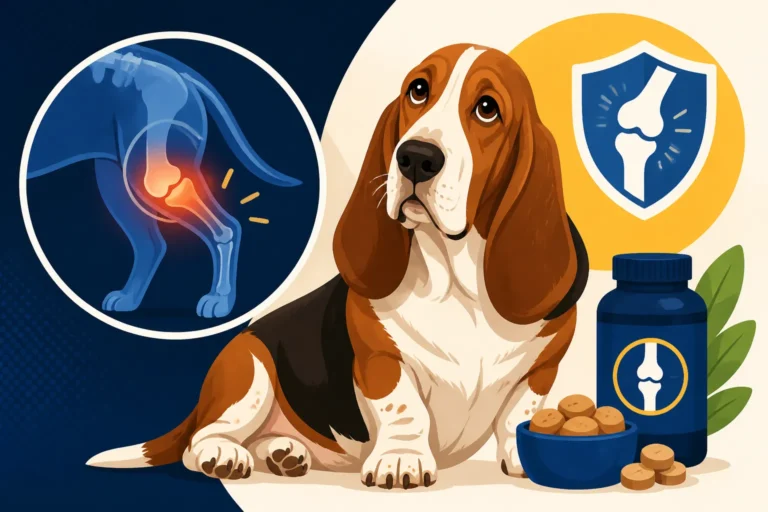
A Basset Hound's distinctive appearance, with those short, stout legs and long back, is undeniably charming. However, this very build makes them susceptible to a host of joint and spinal issues. We're talking about things like Elbow Dysplasia in a Basset Hound and Intervertebral Disc Disease in a Basset Hound. These aren't just common ailments; they're almost rites of passage for some Bassets, and good nutrition can play a preventative or supportive role.
Many premium kibble brands offer formulas enriched with ingredients like glucosamine, chondroitin, and Omega-3 fatty acids, specifically geared towards supporting joint health. While these specialized kibbles might cost a bit more upfront, consider it an investment in your dog's long-term comfort and mobility. The cost of managing joint pain or even surgery for a slipped disc can be astronomical, making a slightly higher monthly kibble bill seem like a bargain. It’s about choosing a food that proactively supports their physical well-being.
Managing a Basset Hound's Ravenous Appetite
Oh, the Basset appetite! It's a force of nature. They often act as though they're starving, even minutes after finishing a meal. This isn't just a quirk; it's an evolutionary trait of a scent hound designed to follow a trail for hours and then gobble down whatever they find. This powerful drive means you, the owner, need to be disciplined.
Free-feeding a Basset Hound is almost always a recipe for obesity. Instead, portion control is key. This means carefully measuring out their kibble at each meal, usually twice a day. Some owners find that using slow feeder bowls can help extend mealtime and make them feel more satisfied, even on a controlled portion. The quality of the kibble also plays a role here; a more nutrient-dense food might keep them feeling full longer than a cheaper, filler-heavy option, even if the volume is the same. It's about ensuring they get enough nutrition without over-consuming calories, and this careful balance is often found in higher-quality kibbles.
Factors Influencing Kibble Cost for Your Basset Hound
So, you're ready to buy kibble, and you're staring at an overwhelming aisle of options. Why do some bags cost so much more than others? It's not just marketing; several key factors determine the price of your Basset's food. Understanding these can help you make an informed decision that aligns with both your budget and your dog's health.
Quality of Ingredients and Protein Sources
This is probably the biggest differentiator in kibble pricing. Think of it like human food: a fast-food burger is cheaper than a steak dinner, and the ingredients reflect that. The same goes for dog food.
- Named Meat as First Ingredient: High-quality kibbles often list a specific meat source (like "deboned chicken" or "salmon") as the first ingredient. This indicates a higher protein content and often better digestibility. Lower-cost kibbles might list "meat meal" or even "poultry by-product meal" higher up. While not inherently bad, the specific source can be less consistent.
- Whole Grains vs. Fillers: Many good kibbles use whole grains like brown rice, oats, or barley, or even grain-free options if your vet recommends it (though for most Bassets, grains are perfectly fine and provide good fiber). Cheaper options might rely on corn or wheat as primary fillers, which offer less nutritional value.
- Added Nutrients: Premium brands often include beneficial supplements like prebiotics, probiotics for gut health, antioxidants for immunity, and, as discussed, joint support ingredients. These additions contribute to the overall cost but offer significant health benefits. For instance, brands like Ollie often emphasize fresh, human-grade ingredients that naturally offer robust nutrition, which can be reflected in their pricing compared to conventional kibble.
Brand Reputation and Specialty Formulas
Just like with anything else, brand recognition plays a role. Established brands with a long history of quality control and scientific research often command higher prices. You're paying not just for the ingredients, but for the rigorous testing and consistent quality that comes with a reputable name.
Furthermore, specialty formulas designed for specific needs can be pricier. This includes "large breed" formulas (even though Bassets are medium-sized, their bone density and joint needs often align with large breed considerations), senior formulas, or specific dietary restriction formulas. If your Basset needs a food for sensitive stomachs or allergies, you might find yourself looking at prescription diets or limited-ingredient options, which are generally at the higher end of the price spectrum. These specialized foods are often formulated by veterinary nutritionists, adding to their cost.
Bag Size and Where You Buy
The larger the bag, typically the lower the price per pound. This is a simple economics principle that applies to pet food too. Buying a big bag might seem like a larger upfront cost, but it usually saves you money in the long run, especially if you have an adult Basset Hound whose appetite is consistent.
Where you purchase the kibble also impacts the price:
- Pet Supply Stores (Physical): These often have competitive pricing and frequent sales, plus the benefit of expert staff advice.
- Grocery Stores/Supermarkets: Generally carry more mainstream, budget-friendly brands.
- Online Retailers: Sites like Chewy are fantastic for variety and often offer significant discounts, especially on larger bags or with auto-ship subscriptions. They can also deliver right to your door, which is a huge perk when dealing with heavy bags of dog food.
- Specialty Boutiques: May carry boutique, niche, or raw food brands that are often more expensive.
- Veterinary Clinics: Primarily stock prescription diets, which are medically formulated and thus typically more costly.
Strategies for Budgeting Your Basset Hound's Kibble
We all want the best for our Basset Hounds, but the cost of living can be a real concern. The good news is that you can absolutely provide high-quality nutrition without breaking the bank. It's all about smart planning and knowing where to find value.
Calculating Your Monthly Kibble Budget
First things first: get a realistic picture of what you're actually spending. This isn't just guesswork; it involves a bit of math.
- Check Feeding Guidelines: Look at the back of your chosen kibble bag. It will have a feeding chart based on your Basset's weight. Don't just scoop; measure precisely. A typical adult Basset might eat anywhere from 2 to 3 cups of kibble per day, but this varies wildly by brand and caloric density.
- Determine Daily Cost: If a 30-lb bag costs, say, a certain amount, and contains X number of cups, you can calculate the cost per cup. Then, multiply that by the number of cups your Basset eats daily.
- Project Monthly Cost: Multiply your daily cost by approximately 30 days. This gives you a solid estimate for your monthly kibble budget. Remember that treats also factor into your dog's overall caloric intake and budget. For example, if you're feeding a brand like Purina Pro Plan, which is widely available, you'll find different formulas that cater to specific needs, and understanding the cost per serving helps you compare.
Here's a simplified example of how kibble costs can vary by quality, assuming a Basset Hound eats roughly 2.5 cups per day and bags are typically 30 lbs:
| Kibble Category | Typical Cost Shape (30lb bag) | Approx. Cups per Bag | Cost per Cup (Approx.) | Daily Cost (2.5 cups) | Monthly Cost (30 days) | Common Ingredients | Key Features |
|---|---|---|---|---|---|---|---|
| Budget | Lower Cost | ~120 | Lower | Lower | More Affordable | Corn, Meat By-products, Soy | Basic nutrition, filler-heavy |
| Mid-Range | Moderate Cost | ~110 | Moderate | Moderate | Manageable | Named Meat Meal, Rice, Oats | Balanced nutrition, some targeted benefits |
| Premium | Higher Cost | ~100 | Higher | Higher | Significant | Deboned Meat, Whole Grains, Joint Supplements | High-quality protein, specialized formulas, added health benefits |
Note: These are illustrative figures for comparison. Actual costs will vary significantly by brand, retailer, and specific product.
Balancing Quality and Cost
It's tempting to go for the cheapest bag on the shelf, especially when you're watching your budget. However, as we've discussed, a Basset Hound truly benefits from quality nutrition. The trick is finding the sweet spot where quality meets affordability.
- Look for Sales and Promotions: Keep an eye out for sales at local pet stores or online retailers. Signing up for email newsletters from sites like Chewy can alert you to upcoming discounts.
- Consider Auto-Ship Subscriptions: Many online retailers offer a discount (often 5-10%) if you subscribe to regular deliveries. This can add up to significant savings over a year.
- Loyalty Programs: If you frequent a particular pet store, inquire about their loyalty program. Many offer points or discounts that accumulate over time.
- Buy in Bulk (if feasible): If you have storage space and your Basset will consume a large bag before it goes stale, buying the biggest bag available is almost always more economical per pound. Just be sure to store it in an airtight container to maintain freshness.
Considering Other Dietary Expenses
Kibble isn't the only food expense for your Basset. Treats, chews, and potentially supplements also factor into the overall cost and should be considered part of your budgeting.
- Treats: Basset Hounds are highly food-motivated, making treats invaluable for training and enrichment. However, treats are extra calories! Opt for low-calorie training treats or break larger treats into smaller pieces. You can also use a portion of their daily kibble ration as treats to avoid overfeeding and extra expense.
- Supplements: Depending on your Basset's age and health, your vet might recommend supplements for joints, skin, or digestion. While these are separate from kibble, a high-quality kibble with pre-added joint support (like glucosamine and chondroitin) might reduce the need for separate supplements, saving you money in the long run.
- Dental Chews: Good dental hygiene is important, and dental chews can help. However, they are also calories and an added cost. Consider a brand like Greenies, but always factor these into your overall food budget.
Remember, consistent, quality kibble forms the foundation of their diet. Everything else is supplementary. Investing a little more in their core nutrition can often reduce the need for expensive interventions later on. This is where organizations like Healthy Paws, which offers pet insurance, can be valuable, as they help cover unexpected veterinary costs that can arise from health issues potentially exacerbated by poor diet choices.
Common Misconceptions About Basset Hound Feeding Costs
It's easy to fall into certain traps or make assumptions about feeding a Basset Hound. These misconceptions can lead to either overspending or, more critically, inadvertently cutting corners on their health. Let's bust a few myths to ensure you're approaching your Basset's diet with clear eyes and a full understanding.
The "Small Dog, Small Bill" Fallacy
This is perhaps the biggest misconception out there. People see a Basset Hound's short stature and assume their food consumption, and therefore cost, will be comparable to a genuinely small breed like a Chihuahua or a Maltese. Nothing could be further from the truth!
While Basset Hounds are "low," they are far from "small." An adult Basset Hound can weigh anywhere from 40 to 65 pounds, sometimes even more. That's a medium-to-large dog in terms of body mass, and their caloric needs reflect that weight. They carry a lot of bone and muscle, and their lengthy bodies require substantial fuel. A Basset Hound will typically eat more than many other medium-sized dogs, especially if they are active (or if you can just get them to think they're active!). This means larger portions and a faster depletion of that kibble bag than many owners initially anticipate. Don't confuse their low height with a low appetite or low food bill! How Much Food an Adult Basset Hound Eats Monthly is a topic that often surprises people.
Generic Kibble vs. Targeted Nutrition
Another common thought is, "Dog food is dog food, right? The generic brand is fine." While some generic brands might meet basic nutritional requirements, they often lack the targeted nutrition that Basset Hounds truly benefit from. As we've discussed, their unique build makes them prone to joint issues, and their love of food means weight management is almost always a priority.
Generic kibbles often use cheaper, less digestible ingredients, which can mean your Basset needs to eat more to feel satisfied or absorb enough nutrients. This can paradoxically increase your overall cost if you're constantly refilling the bowl. More importantly, it can lead to health problems. A kibble specifically formulated for joint health, or one with a carefully balanced calorie count for weight management, is an investment in preventing future, much more expensive, veterinary visits. It's about proactive care versus reactive treatment. Considering options that focus on breed-specific needs or overall health can make a significant difference in the long run.
The True Long-Term Value of Quality Food
It's easy to look at a higher-priced bag of premium kibble and think it's an unnecessary splurge. However, when you consider the potential long-term benefits, that "splurge" often becomes a savvy investment.
Think about it this way: a Basset Hound fed a high-quality diet that supports their joints, helps maintain a healthy weight, and provides excellent overall nutrition is more likely to live a healthier, more comfortable life. This can mean fewer trips to the vet for issues related to obesity, arthritis, or skin problems. The cost of just one emergency vet visit, a course of specialized medication, or orthopedic surgery can far outweigh years of feeding a slightly more expensive, yet nutritionally superior, kibble. What a Basset Hound Costs a Year to Keep and What a Basset Hound's Emergency Surgeries Cost are stark reminders of how quickly vet bills can accumulate. By providing them with the best possible nutrition from the start, you're not just buying food; you're investing in their well-being and potentially saving yourself a lot of financial and emotional stress down the road. It’s a holistic approach to Basset Hound care.
Disclaimer
This article is for general informational purposes only and does not constitute professional advice. Laws, prices and regulations vary by location and change over time. Consult a qualified professional for guidance on your specific situation.