Whether a Basset Hound’s Nose Is Always Black
A Basset Hound’s nose is usually black or very dark, but not every healthy dog has the same shade. Some light-colored Bassets may have brown or liver-colored nose pigment, and pigment can also fade or change over time. This guide explains what nose colors can be normal, what changes deserve attention, and when it’s sensible to call your veterinarian.
What color should a Basset Hound’s nose be
Black is common, but it is not the only normal shade
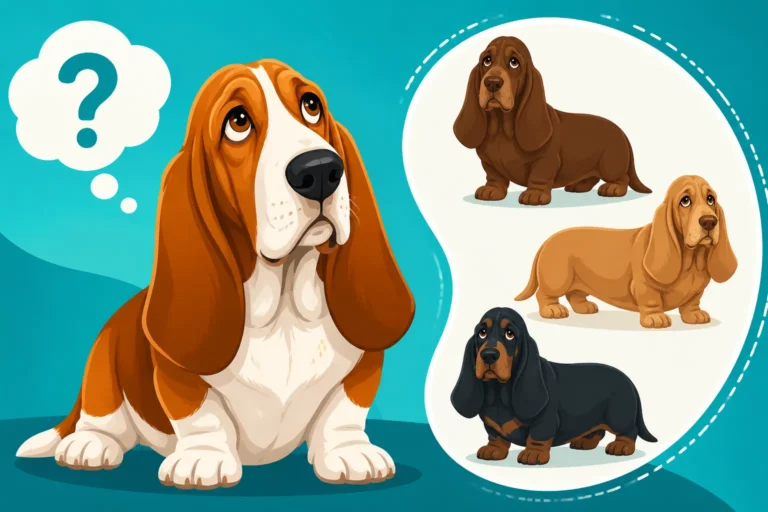
Many Basset Hounds have a black nose, and dark pigment is familiar in the breed. But a nose that is brown or liver-colored is not automatically a sign of illness. In some light-colored dogs, lighter nose pigment can occur naturally. Coat color and nose pigment are related to inherited pigmentation, though a dog’s coat alone cannot tell you exactly what its nose should look like.
The key is to judge your own dog’s nose in context. If your Basset has always had a brown nose, the skin is smooth and comfortable, and the color has stayed fairly consistent, that may simply be the dog’s normal coloring. It’s different when a nose that has been dark for years develops a new pale patch, becomes raw, or changes quickly.
Nose color is only one small part of a Basset Hound’s appearance. If you’re comparing coat and pigment patterns, The Colors a Basset Hound Comes In and Whether a Basset Hound Can Be Any Color offer useful context. Neither coat color nor nose shade, by itself, tells you whether a dog is healthy.
Nose pigment varies between individual dogs
Two Basset Hounds with similar coats can have different nose colors. One may have a uniformly dark nose, while another has brown pigment or a small lighter area. Even within a litter, dogs can differ in the amount and distribution of pigment. A puppy’s nose may also look different as the dog matures, so a single glance at a young dog may not show its final adult coloring.
A helpful question is not just “Is this nose black?” but “Has this nose always looked this way?” If you’ve had your dog since puppyhood, compare the current appearance with older photos. If your Basset is newly adopted and you don’t know its history, note what you see now and ask your veterinarian to check it during a routine exam.
Coat markings can also shift in appearance as a dog grows older. That doesn’t mean every change in nose color is harmless, but it’s one reason to separate a gradual, longstanding variation from a sudden or irritated-looking change. For more on coat changes, see Whether a Basset Hound's Markings Change With Age.
Why a Basset Hound’s nose may change color
Gradual fading is not the same as a sudden skin problem
Some dogs experience gradual fading of nose pigment, sometimes more noticeably during particular seasons. A nose can look lighter without being sore or damaged. If the surface remains smooth and the change is gradual, it may not be an emergency, but it is still worth mentioning at your dog’s next veterinary visit, especially if the pattern is new.
Other changes can follow irritation or injury. A scrape, repeated rubbing, or inflammation may leave an area lighter after it heals. Pigment may return, but it does not always do so completely. Don’t assume that a pale patch is simply cosmetic if there is also a scab, crack, swelling, tenderness, or discharge.
A nose that is becoming pale and a nose that is becoming unhealthy are not necessarily the same thing. Look at the skin’s condition as well as its color. A smooth, comfortable surface is less concerning than one that is crusted, ulcerated, bleeding, or painful.
Irritation, allergies, and skin conditions can affect the nose
A Basset Hound may rub its muzzle on the carpet, furniture, or bedding when something is irritating it. Repeated rubbing can make the nose look red or raw, and inflammation may affect the pigment. Allergies are one possible source of irritation, although face rubbing can have other causes too. If your dog also scratches, licks its paws, or has recurrent skin trouble, the wider pattern matters. Whether a Basset Hound Gets Allergies explains some of the signs owners commonly notice.
Skin conditions can sometimes affect the nose itself. A veterinarian may need to consider infection, inflammation, autoimmune disease, or other causes rather than judging by color alone. These conditions can look similar to an owner at home, so a photo search or an over-the-counter cream is not a reliable way to identify the cause.
Other skin concerns may be present elsewhere on the body. For instance, a Basset with recurring irritation in its folds or an oily coat may need a broader skin assessment. That doesn’t mean the nose change has the same cause, but it’s useful information to share with the vet. See Whether a Basset Hound's Skin Is Oily and Whether a Basset Hound's Skin Folds Need Cleaning for related care questions.
When a nose color change needs veterinary attention
Watch for changes in the skin, not just the shade
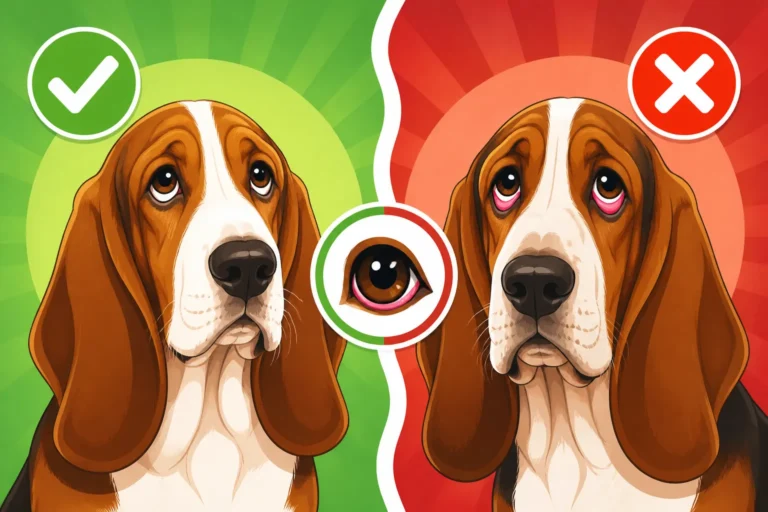
A new color change deserves closer attention if it comes with discomfort or visible damage. Contact your veterinarian for guidance if the nose is cracked, bleeding, crusted, swollen, unusually tender, or developing sores. A dog that paws at its face, rubs its muzzle repeatedly, or seems reluctant to let you touch its nose may also be uncomfortable.
The pattern can help your veterinarian understand what is happening. A single flat, pale spot is different from a spreading area with thick crusts. A gradual change over months is different from a raw-looking change that appeared quickly. Take a clear photo in good light, then take another later under similar conditions. Photos can make slow changes easier to spot and give the clinic a useful record.
Use this guide as a way to decide what to observe, not as a home diagnosis. A veterinarian may examine the nose and the rest of your dog’s skin, ask about rubbing or exposure to irritants, and recommend further evaluation if the appearance suggests a medical problem.
A practical guide to common changes
| What you notice | What it may mean | Sensible next step |
|---|---|---|
| Nose has always been brown or liver-colored and looks comfortable | May be normal pigment for that dog | Mention it at a routine check if you are unsure |
| Gradual, smooth fading with no soreness | Could be a pigment change or seasonal fading | Photograph it and ask your vet if it is new |
| A new pale spot after a scrape or rubbing | Could follow irritation or injury | Prevent further rubbing and contact your vet if it worsens |
| Cracks, crusts, sores, bleeding, swelling, or pain | May indicate an active skin problem | Arrange veterinary advice promptly |
| Color change along with face rubbing, paw licking, or widespread itching | Could be part of a broader irritation or skin issue | Tell your vet about all symptoms, not just the nose |
If your Basset’s nose is changing and the dog also has irritated eyes or facial discharge, mention those signs together rather than treating them as unrelated details. Whether a Basset Hound's Eyes Water covers another facial symptom that may be useful to discuss during an exam.
Caring for your Basset Hound’s nose safely
Keep care simple while you monitor it
For a nose that looks normal and causes no discomfort, routine observation is usually more useful than trying to change its color. Don’t scrub the nose, apply household moisturizers, or use human skin products unless your veterinarian specifically advises it. Products made for people can contain ingredients that aren’t suitable for dogs, and licking makes accidental ingestion a realistic concern.
If the surface is dirty, ask your veterinarian what gentle cleaning is appropriate. Avoid picking at crusts or peeling skin; that can cause pain and make irritation worse. If the nose is cracked or sore, get veterinary advice before applying a balm. The right choice depends on what is causing the problem, and a product that merely softens skin may not address infection or inflammation.
If your veterinarian recommends a dog-safe balm, Chewy is one place you can compare product labels, but check the ingredients and intended use with your clinic before applying anything. A retailer’s description cannot determine whether a product is appropriate for your dog’s particular nose problem.
Protect pale areas from strong sun when advised
A lightly pigmented nose may be more vulnerable to sun exposure than a fully pigmented one. Ask your veterinarian whether your Basset needs a dog-safe sunscreen or other precautions, particularly if the dog spends time outdoors during strong sun. Don’t assume that a product labeled for people is safe for dogs, and don’t let a sunscreen recommendation replace an exam for a sore or changing area.
Your vet can help you choose an option and explain how to use it safely. If the clinic recommends a specific type of dog-safe sunscreen, you can compare labels at retailers such as Chewy, then confirm that the product fits the veterinary advice. For related sun-care considerations, see Whether a Basset Hound's Belly Gets Sunburned.
Shade, shorter periods in strong sunlight, and paying attention to new redness can all be sensible parts of a plan. If your dog rubs off a product or licks the area, tell the clinic; the veterinarian can advise whether another approach is more appropriate. Don’t try to darken the nose with dye, makeup, or pigment products. The goal is healthy, comfortable skin, not a particular shade.
Keep a simple record if the color is changing
A quick note on your phone can save you from trying to remember when a change began. Record the date, whether the change seems to be spreading, and whether you’ve noticed rubbing, scratching, bleeding, or tenderness. A weekly photo taken in similar lighting can be more useful than checking repeatedly throughout the day, when small differences in light can make the color look different.
If you’re considering a balm or other nose-care product because the area looks dry, ask the veterinarian first. Chewy listings may help you read ingredient information, but online reviews cannot identify the cause of a nose change. If the vet recommends a particular product type, use that guidance to narrow your search rather than selecting something solely because it is marketed for dry skin.
There is no need to worry simply because a Basset Hound’s nose is not black. A stable brown nose can be normal, and a gradual pigment shift may be harmless. What matters most is whether the change is new, whether the skin looks damaged, and whether your dog seems uncomfortable. When in doubt, a photo and a quick conversation with your veterinary clinic are safer than experimenting with products at home.
Disclaimer
This article is for general informational purposes only and does not constitute professional advice. Laws, prices and regulations vary by location and change over time. Consult a qualified professional for guidance on your specific situation.