Whether a Basset Hound’s Ears Should Be Tied Back
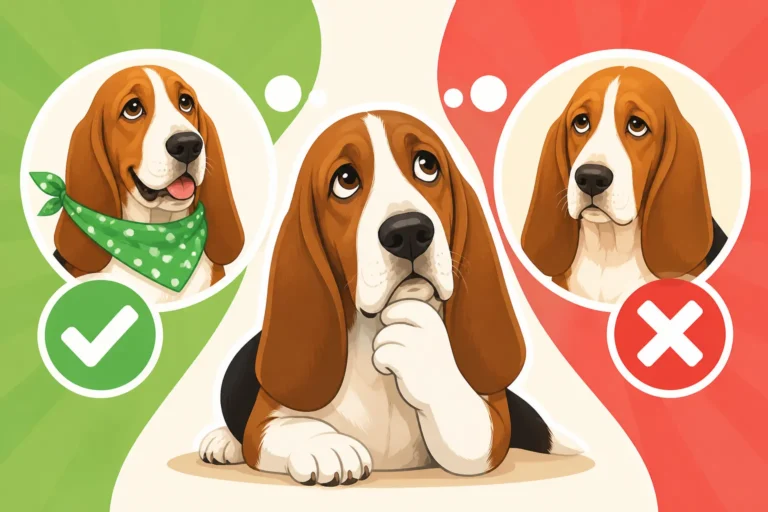
It’s a tale as old as time for Basset Hound owners: you’ve just filled their bowl with a delicious meal, or they’re excitedly lapping up water, and whoosh, those magnificent, long ears are dunked right in. Or perhaps they’ve been out sniffing every fascinating smell, and their ears have swept up half the neighborhood. It’s frustrating, messy, and often leads to that nagging question: should I just tie them back? This guide is here to dive deep into that very common query, exploring the whys, the risks, and much more practical alternatives to keep your Basset's ears clean and healthy.
The Basset Hound's Magnificent Ears: A Double-Edged Sword
There's no denying that a Basset Hound's ears are one of their most defining and charming features. They are long, velvety, and hang in a way that just melts your heart. But while they add to their unique appeal, they also come with a distinct set of challenges that can leave any owner scratching their head, wondering how to best manage them.
Why Those Long Ears Are So Iconic (and Problematic)
Let's talk about those ears for a moment. They're not just for show; they're a finely tuned piece of hound anatomy, developed over centuries to aid in their primary purpose: trailing scent. As your Basset moves, those long, heavy ears, often described as reaching The Twelve Inch Ears a Basset Hound Was Given on Purpose, actually help to sweep scents from the ground towards their incredibly powerful nose. The folds and creases aren't just for good looks; they create an enclosed environment that helps concentrate and hold scent particles, making your Basset an unparalleled scent hound.
It's truly a marvel of natural engineering, perfectly suited for following a trail. However, this same design feature, so beneficial in the field, becomes a bit of a liability in everyday life. When your Basset puts its head down to eat, drink, or simply sniff a particularly interesting patch of grass, those luxurious ear flaps become magnets for whatever is around. Food, water, mud, dust, tiny bits of leaves – you name it, it’s likely to end up on or in those ears. This constant contact with the environment, especially with moisture, is where the problems begin for us, their devoted owners.
The Unintended Consequences of Dangling Ears
The biggest headache for Basset Hound owners concerning their ears isn't just the mess, though that's certainly a part of it. It's the health implications that arise from those long, heavy, and often damp ear flaps. Because the ear canal itself is naturally long, narrow, and often perpetually warm and moist, it's already a prime breeding ground for issues. Add external factors to the mix, and you've got a recipe for trouble.
Think about it: after a drink of water, those ears are soaking wet. If they’re left to hang and air dry (which they rarely do fully because of their length and thickness), that moisture gets trapped against the side of the head and within the folds of the ear itself. This creates a humid, warm environment that yeast and bacteria absolutely adore. It’s a common frustration to constantly battle ear infections, and many owners quickly learn Why a Basset Hound's Ear Canal Never Dries. Beyond just the inner ear, the skin beneath the ear flaps can also become irritated. Constant dampness and friction can lead to The Skin Under a Basset Hound's Folds becoming sore, red, and prone to secondary infections, adding another layer of discomfort for your hound and concern for you. It's a never-ending cycle that can feel impossible to break without intervention.
Understanding the "Tying Back" Impulse
Given the daily struggles with messy and potentially unhealthy ears, it's completely understandable why so many Basset Hound owners find themselves contemplating drastic measures, like tying those beautiful ears back. It seems like a simple, logical solution to a pervasive problem.
Common Scenarios Where Owners Consider Tying Ears
The urge to tie back a Basset's ears usually strikes during those moments of peak mess or when hygiene concerns are at the forefront. Mealtime is perhaps the most common culprit. You watch your Basset enjoy their meal, only to see their ears become an unappetizing extension of their food bowl, collecting kibble, wet food, or even the remnants of a raw meal. It’s particularly frustrating to witness, especially when you know it's going to lead to extra cleaning and a potential ear issue down the line. This leads many to wonder Whether a Basset Hound's Ears Drag Through Its Food.
Drinking water is another prime scenario. Bassets are notorious for leaving trails of water not just from their jowls, but from their soaked ears after a good slurp. Then there's outdoor activity – a walk in the park can quickly turn those pristine ears into muddy, leafy mops. Even during grooming, when you're trying to clean around their face or inside their ears, those long flaps can feel like they're constantly in the way, making a simple task feel like an acrobatic feat. In these moments, the idea of simply securing them out of the way, just for a little while, feels like a beacon of common sense.
The Mechanics and Methods People Attempt
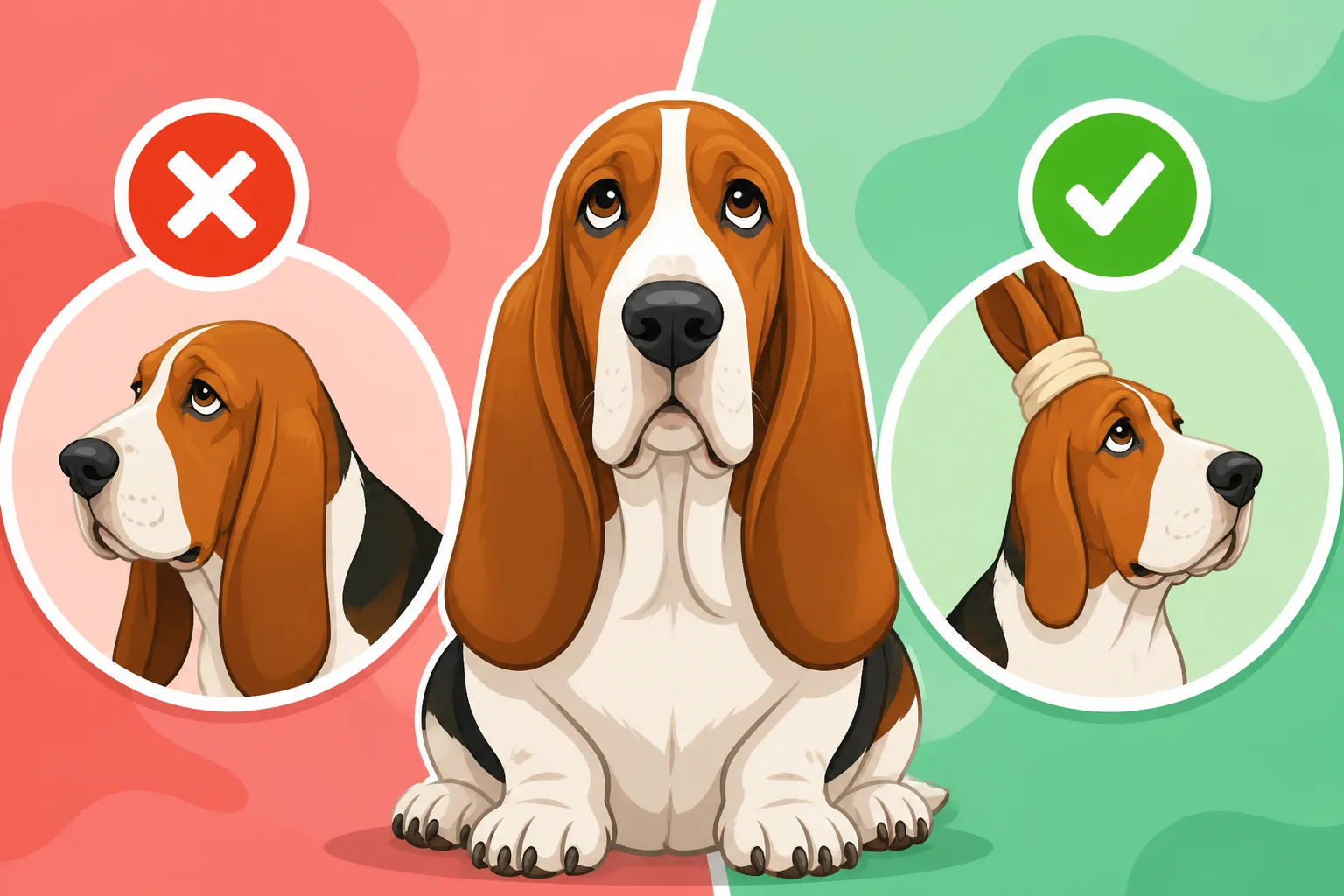
When owners do decide to try tying back their Basset Hound's ears, they often turn to everyday items that seem innocuous enough. Hair ties, scrunchies, clips, or even soft headbands designed for humans might be employed. The goal is always the same: lift the ears away from the food bowl, the water, or the muddy ground, and keep them up and out of the way for a short period. Some might try a loose bun on top of the head, securing both ears together, while others might attempt to gently clip each ear flap to the hair on the top of the head.
While the intention is always good – to keep the Basset cleaner and healthier – the reality of these makeshift solutions is often far from ideal. These methods might work for a few minutes, or even for an entire meal, but they come with their own set of potential pitfalls. Basset Hounds, despite their docile appearance, are not always keen on having their ears manipulated or restricted, and their discomfort can lead to problems that outweigh the initial mess.
The Risks and Realities of Tying Back a Basset Hound's Ears
While the thought of tying back your Basset Hound's ears might offer a momentary sense of relief from the perpetual mess, it’s crucial to understand that this seemingly simple solution can introduce a host of new problems, both physical and behavioral. The risks often far outweigh any perceived benefits, and they're worth considering deeply before attempting such a practice.
Physical Discomfort and Potential Injury
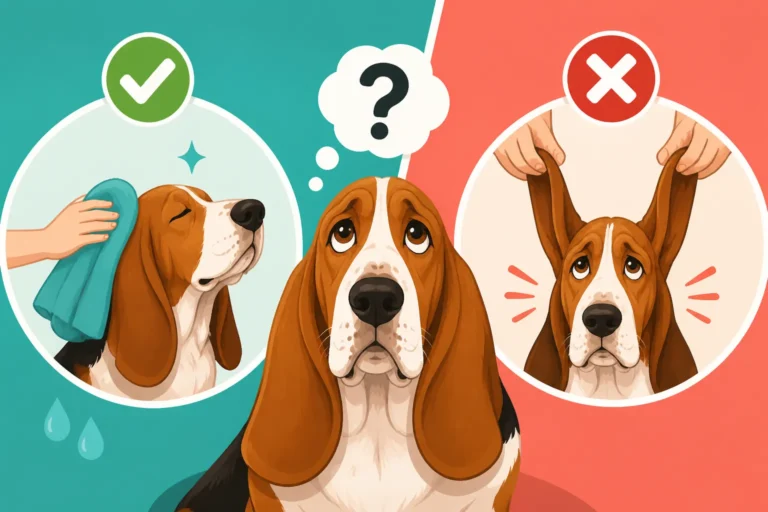
Basset Hounds are built for comfort, and anything that goes against their natural design, especially around such sensitive areas as their ears, is likely to cause distress. Tying back their ears, even gently, can create unwelcome pressure points. The skin around their ears is delicate, and securing the flaps with ties or clips can pull on the hair and skin, leading to irritation, redness, and even hair loss over time. Imagine having your hair pulled tightly for hours; it's that kind of persistent discomfort.
Furthermore, these methods can restrict the natural blood flow to the ear flaps. Basset Hound ears are surprisingly thick and vascular, and any sustained pressure can impede circulation. This can lead to swelling, localized pain, or even tissue damage if left for too long or tied too tightly. There's also the risk of the ties themselves becoming entangled or rubbing, causing abrasions or sores on the delicate skin. Your Basset might also try to shake their head or paw at the restraints, potentially causing further injury as they try to free themselves. It's a battle that no Basset or owner should have to endure.
Increased Risk of Ear Health Issues
Ironically, while the goal of tying ears back is often to improve hygiene, it can actually increase the risk of certain ear health problems. Basset Hound ears are designed to hang, allowing for some air circulation, albeit limited. When you tie them up against the head, you eliminate even that minimal airflow. This creates an even warmer, more humid, and stagnant environment deep within the ear canal – a perfect incubator for unwanted guests.
Bacteria and yeast thrive in such conditions. By trapping moisture and heat, you're essentially rolling out the welcome mat for infections that are already common in the breed. It can exacerbate conditions like Whether Yeast or Bacteria Is in a Basset Hound's Ear, making recurring infections even more persistent and severe. Moreover, if the ear becomes irritated or infected from being tied back, your Basset is likely to shake their head vigorously to relieve the discomfort. This forceful head shaking can lead to another serious issue: an aural hematoma. This is where blood vessels within the ear flap rupture, causing a blood pocket to form, which often requires surgical intervention to resolve. This painful condition is definitely something to avoid, and understanding Whether a Basset Hound Develops an Aural Hematoma can help you prevent it. Keeping an eye out for The Signs a Basset Hound's Ear Has Gone Bad is crucial, and tying them back might mask these early indicators.
Behavioral Impact and Stress
Beyond the physical risks, tying a Basset Hound’s ears back can have a significant negative impact on their behavior and overall well-being. Imagine being constantly annoyed by something on your head, something you can’t easily remove. Your Basset will likely try repeatedly to paw at, rub, or shake off the ties or clips. This constant struggle isn't just irritating; it's stressful.
A Basset Hound that is continually bothered by something on its head may become anxious or withdrawn. They might develop an aversion to having their ears touched or handled, making routine ear cleaning or veterinary examinations even more challenging in the future. Instead of associating ear handling with positive experiences, they'll learn to dread it. This can undermine the trust and bond you've built with your dog. A happy, comfortable Basset is generally a well-behaved Basset, and introducing unnecessary stress through ear restraints can lead to a less cooperative and less joyful companion.
Safe and Practical Alternatives to Tying Ears
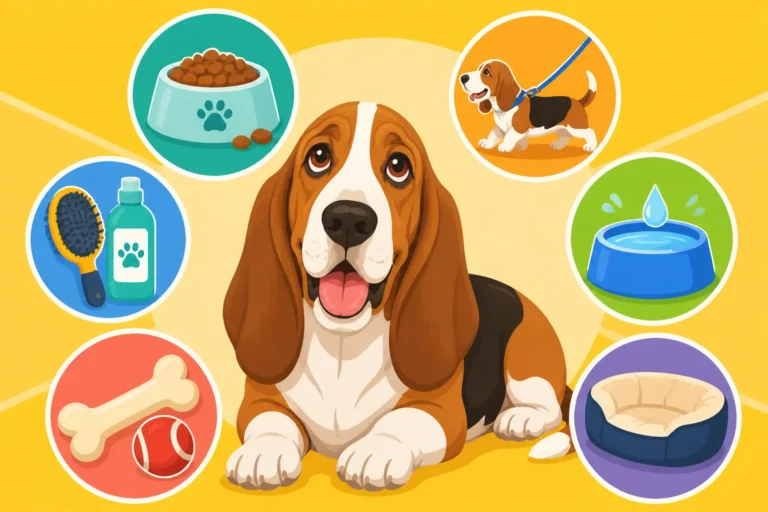
So, if tying back those lovely, long Basset Hound ears isn't the answer, what is a responsible and effective way to manage the mess and maintain their health? The good news is there are plenty of solutions that prioritize your Basset's comfort and well-being, focusing on prevention and proper hygiene rather than restriction.
Dedicated Feeding and Drinking Solutions
One of the most common reasons owners consider tying back ears is the mess created during mealtime and while drinking. Thankfully, there are several clever products designed to keep those long ears out of the bowl. The key is to choose bowls that are narrow at the top but deep enough to hold food or water, allowing your Basset to access their meal without dunking their ears. You can find a wide variety of "Basset bowls" or "spaniel bowls" on online retailers like Chewy and Amazon. These are specifically shaped to keep ears clean and dry.
Another fantastic solution is a snood. A snood is essentially a fabric tube that slips over your Basset's head, holding their ears gently against their head and out of the way. They're soft, comfortable, and most Bassets tolerate them well, especially if introduced positively. Snoods are perfect for meal times, or even for walks in muddy conditions. Many owners swear by them as a simple, non-restrictive way to prevent ear contamination. If you're wondering Whether a Snood Helps a Basset Hound at Dinner, the answer is often a resounding yes! Experiment with different styles and materials (many are available on Amazon) to find what your Basset prefers. It's also worth considering Whether a Basset Hound Needs a Deep Bowl or a Shallow One for drinking, as a deep, narrow bowl can make a huge difference.
Regular Grooming and Hygiene Practices
The truth is, Basset Hounds require a consistent grooming routine, especially when it comes to their ears. Regular care is far more effective and beneficial than any attempt to tie them back. This means daily visual checks and a consistent cleaning schedule. You should be familiar with How to Clean a Basset Hound's Ears Properly, which usually involves a gentle, veterinary-approved ear cleaner and soft cotton balls or pads. You’re typically looking at something akin to The Twice Weekly Ear Ritual a Basset Hound Owner Signs Up For to keep them truly healthy.
It's important to use products specifically designed for dog ears, which you can easily find at pet supply stores or online from retailers like Chewy. Avoid cotton swabs, as these can push debris further into the ear canal. The goal is to clean the visible parts of the ear flap and the opening of the ear canal, gently wiping away wax and dirt. If you notice a foul odor, excessive discharge, or redness, that’s a sign to call your vet, not to try and manage it at home. Consistent, gentle cleaning helps prevent the buildup of moisture and debris that leads to infections in the first place, fostering a healthier environment for those sensitive ears.
Training and Conditioning for Ear Handling
One of the best long-term solutions for managing your Basset Hound's ears is to ensure they are comfortable with handling. This isn't just about cleanliness; it's about making vet visits and grooming sessions stress-free for both of you. Start early with your Basset Hound puppy, making ear handling a positive experience. Gently touch their ears, lift them, and peek inside, always pairing these actions with praise and high-value treats. You want to make Getting a Basset Hound Used to Ear Handling as a Puppy a fun game.
The goal is to teach them that ear examinations and cleaning are not threatening or painful. Keep sessions short and positive, gradually increasing the duration as your dog becomes more comfortable. If you’re consistent, your Basset will learn to tolerate, and perhaps even enjoy, their ear checks and cleaning. This foundational training, often part of Teaching a Basset Hound to Have Its Ears Handled, will pay dividends throughout their entire life, ensuring that necessary ear care can be administered without a struggle, reducing stress for everyone involved, and making it much easier to spot and address problems early.
When Professional Advice Is Needed
Even with the most diligent home care and preventive measures, Basset Hounds are, unfortunately, prone to ear issues due to their unique anatomy. Knowing when to escalate from home care to professional veterinary attention is crucial for their long-term health and comfort.
Recognizing Signs of Ear Trouble
As a Basset Hound owner, you become attuned to their unique quirks and needs. Regular ear checks are part of that routine, and knowing what to look for can help you catch problems early. If you notice your Basset Hound shaking its head more frequently or vigorously, scratching at its ears with a paw, or rubbing its head along the furniture, these are often the first signs that something is amiss. Whether a Basset Hound Shakes Its Head Constantly is usually a strong indicator of discomfort.
Beyond these behavioral cues, a visual and olfactory inspection is vital. Look for redness, swelling, or discharge inside the ear canal or on the ear flap. The discharge might be waxy, dark, or pus-like. Pay attention to any unusual odor; a healthy ear should have a neutral smell, not a sweet, sour, or yeasty one. If you notice any of these symptoms, it's time to contact your veterinarian. Don't try to self-diagnose or treat with over-the-counter remedies without professional guidance, as you could exacerbate the problem or delay effective treatment.
Addressing Underlying Behavioral or Health Concerns
Sometimes, a Basset Hound's persistent ear issues or an extreme reaction to ear handling might point to something more than just hygiene challenges. If your dog is constantly bothered by their ears, even after implementing all the best practices, or if they show severe anxiety or aggression during ear care, it’s worth discussing these behaviors with your vet. There might be an underlying chronic condition, such as allergies, that is contributing to recurring ear infections. Environmental or food allergies can manifest as itchy, inflamed ears, making them a constant source of irritation.
Your vet can help identify if allergies are at play and recommend appropriate diagnostic tests and management strategies. They can also rule out other health issues that might be causing discomfort, or even recommend working with a professional dog trainer or veterinary behaviorist if behavioral issues related to handling are severe. Addressing the root cause, whether it's a medical condition or a behavioral one, is key to ensuring your Basset Hound lives a comfortable, happy, and healthy life, free from constant ear irritation.
| Method | Pros | Cons | Recommendation |
|---|---|---|---|
| Tying Ears Back | Temporary mess reduction | Physical discomfort, skin damage, restricted blood flow, increased infection risk, behavioral stress | Not Recommended. Risks outweigh benefits; harmful in the long run. |
| Narrow/Deep Bowls | Keeps ears out of food/water | May need to try different styles for best fit | Highly Recommended. Effective, comfortable, prevents mess and moisture. |
| Snoods | Keeps ears contained during meals/outings | Some dogs may initially resist; needs to be removed afterward | Highly Recommended. Great for specific messy activities; ensure comfortable fit. |
| Regular Cleaning | Prevents buildup, detects issues early | Requires consistency and proper technique | Essential Daily/Weekly Care. Crucial for ear health and hygiene. |
| Positive Handling | Builds trust, reduces stress for care | Requires patience and consistency, especially with puppies | Essential Long-Term Strategy. Makes all ear care easier and more pleasant. |
Disclaimer
This article is for general informational purposes only and does not constitute professional advice. Laws, prices and regulations vary by location and change over time. Consult a qualified professional for guidance on your specific situation.