Whether a Basset Hound Fills Out After Two
It's a common thought many Basset Hound owners have, especially when their puppy hits the one-and-a-half or two-year mark: "Are they done growing, or will they ever truly fill out?" You see those grand, substantial Bassets in pictures or at shows, and then you look at your still-lanky (or perhaps just solid, but not finished) hound, wondering if they'll ever achieve that signature gravitas. This guide is here to shed some light on the unique growth and maturation process of the Basset Hound, helping you understand what "filling out" truly means for this wonderful breed and what to expect as they transition from rambunctious youngsters to dignified adults.
The Basset Hound Growth Trajectory: More Than Just Height
Unlike some breeds that seem to hit their adult size and shape fairly quickly, Basset Hounds have a more protracted development. Their characteristic low-slung, heavy-boned frame takes time to fully develop, and it's not just about getting taller.
Initial Rapid Growth vs. Slow Maturation
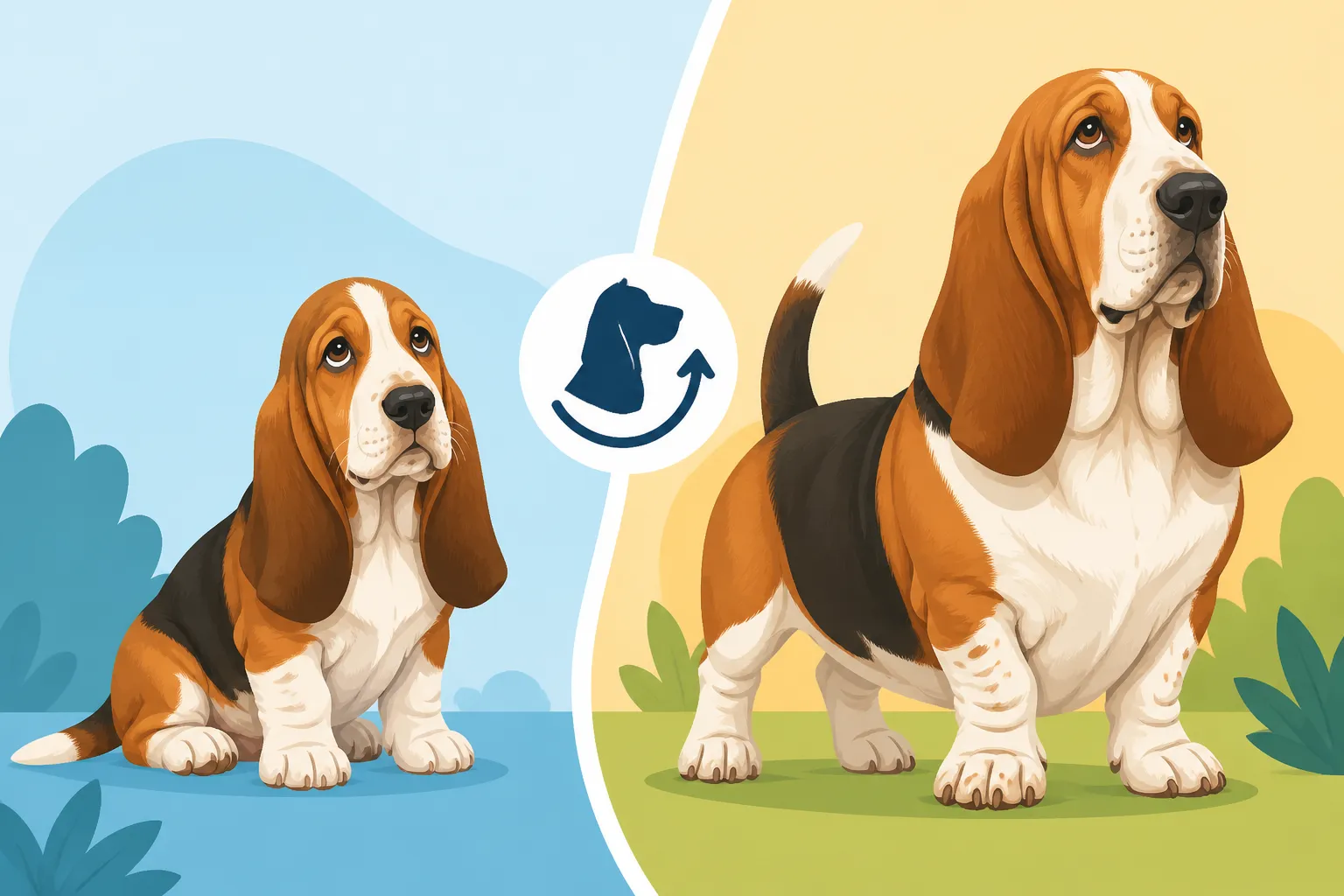
When you first bring home a Basset puppy, you'll witness a period of incredibly fast growth. Those adorable oversized paws and wrinkly skin seem to expand daily, and they shoot up in height and length quite rapidly in their first year. By the time they are around 12-18 months old, most Basset Hounds will have reached their full adult height. You might think, "Okay, that's it then, they're grown!" But here's the kicker: height is only one piece of the puzzle.
Many breeds continue to fill out and add muscle and bone density long after they reach their maximum height. For Basset Hounds, this "filling out" phase is particularly pronounced. Think of it like a human teenager who reaches their full height but still needs years to develop adult musculature and broader shoulders. Your Basset might look a bit gangly or just "thin" in comparison to the fully mature adults you admire, even if they're eating well. This is completely normal. The significant bone structure of a Basset, combined with the development of their powerful musculature, continues to mature well into their second and even third year. This slow, steady development is crucial for building the strong, robust frame needed to support their unique body type.
Bone Structure and Muscular Development
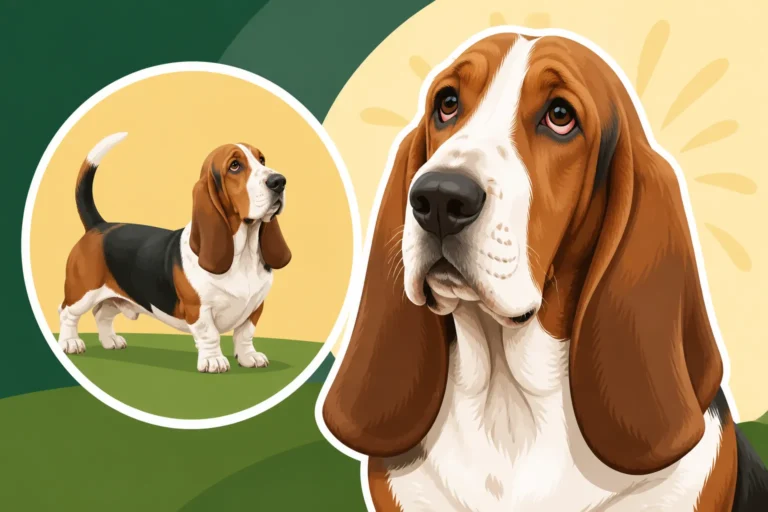
A Basset Hound's impressive bone structure is one of its defining features. They are a "heavy-boned" breed, meaning their individual bones are dense and substantial, contributing significantly to their overall weight and robust appearance. This density doesn't just magically appear overnight. It's a gradual process, and the bones continue to calcify and strengthen as the dog matures. This is why you might see a "lanky" Basset at 18 months that still seems to lack that characteristic Basset "substance."
Alongside bone development, muscle mass plays a huge role in how "filled out" your Basset Hound appears. Their deep chest, powerful hindquarters, and strong neck muscles are all part of that mature profile. These muscles develop and strengthen through consistent, appropriate exercise over time. A Basset at two years old might have the foundation, but they may not have fully developed the dense muscle that gives them their solid, weighty feel. This is a good time to ensure they are getting regular, moderate activity like walks and scent games to build and maintain healthy muscle. You'll notice changes in their chest width, the firmness of their legs, and the overall powerful impression they give as they continue to mature. This is a marathon, not a sprint, and patience is key. You might also find this period coincides with some behavioral changes, as discussed in The Age a Basset Hound Finally Matures.
What "Filling Out" Really Means for a Basset Hound
When we talk about a Basset Hound "filling out," it's often more nuanced than simply gaining weight. It's about achieving the mature, substantial build that is characteristic of the breed, a process that involves both healthy weight management and muscle development.
The Difference Between Weight Gain and Muscle Mass
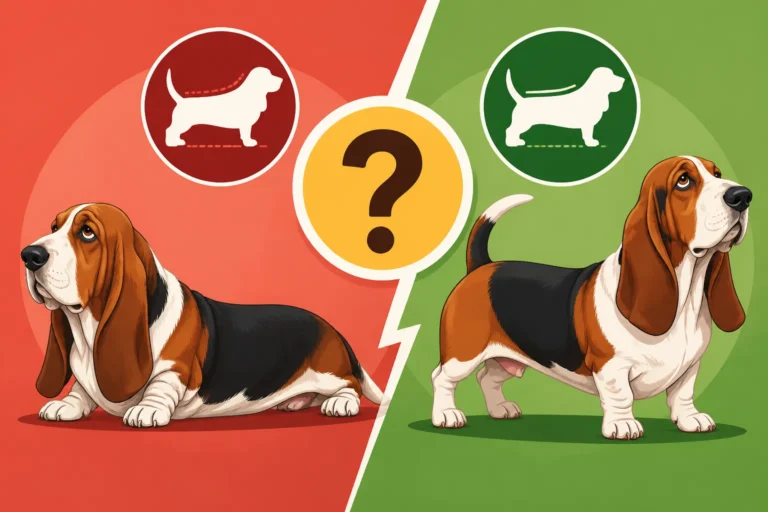
It's tempting, when you want your Basset to "fill out," to just feed them more. However, for a Basset Hound, uncontrolled weight gain is a serious concern. Their unique skeletal structure, especially their long backs and short legs, is not designed to carry excess weight. When a Basset Hound puts on fat, it adds strain to their joints and spine, which are already predisposed to issues like Intervertebral Disc Disease in a Basset Hound and Why One Basset Hound in Seven Has Bad Elbows. True "filling out" should involve adding muscle and achieving optimal bone density, not just piling on pounds of fat.
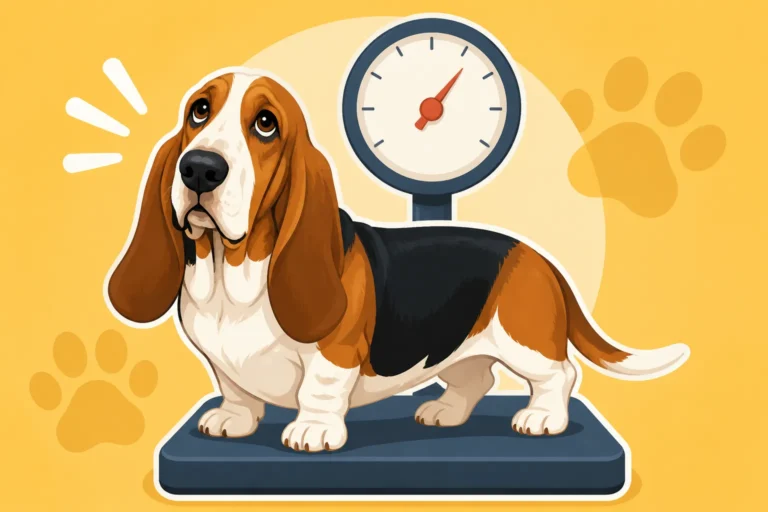
A lean Basset is a healthier Basset, even if they look a little less "cobby" than some show-line adults. A healthy adult Basset Hound should have a visible waist when viewed from above, and you should be able to easily feel their ribs when gently running your hands along their side, without them protruding too much. If you're struggling to feel those ribs, or if your Basset looks more like a sausage than a hound, they're likely carrying too much weight, not "filling out" healthily. This is a common pitfall that owners face, especially with a breed that seems perpetually hungry.
The Role of Diet and Exercise in Maturation
Proper nutrition and consistent exercise are absolutely critical for a Basset Hound to "fill out" correctly. For a young Basset still developing, a high-quality dog food formulated for adult dogs is usually appropriate after their puppy stage, providing the necessary protein, fats, and carbohydrates for muscle growth and energy. Avoid overfeeding, as the temptation to "bulk them up" can quickly lead to unhealthy weight gain. Many Basset Hounds are natural chowhounds, always looking for an extra snack, so portion control is paramount.
Consider using a slow feeder bowl or puzzle toys to make mealtime more engaging and prevent rapid ingestion, which can sometimes lead to issues like bloat. Brands like Chewy often have a wide selection of these feeding accessories. Regular, moderate exercise is equally important. This doesn't mean marathon runs or agility courses, which can be hard on their joints. Instead, focus on daily walks, scent games in the yard, and interactive play that encourages natural movement without excessive jumping or high impact. These activities help build and maintain muscle tone, contributing to that desired substantial appearance. Consistency over intensity is the rule for Basset Hounds. You'll want to avoid strenuous activity that could put undue stress on their developing joints. How Far a Basset Hound Should Walk and Whether a Basset Hound Needs Any Real Exercise are great resources to consider when planning their routine.
Common Misconceptions About Basset Hound Maturity
It's easy to fall into certain traps or misunderstandings when observing a Basset Hound's unique development. Their distinctive physique can sometimes lead to incorrect assumptions about their maturity.
Confusing Puppy Fat with Adult Substance
One of the biggest misconceptions is mistaking puppy fat for the desirable adult "substance." Basset Hound puppies often have a delightful pudginess, with rolls of skin and a soft, round belly. This is normal and even healthy for a growing pup. However, as they mature, this puppy fat should gradually give way to a more defined, muscular physique. If your Basset at two years old still has that soft, round "puppy fat" rather than lean muscle, it's likely they are simply overweight.
It's also easy to compare your Basset to others you see, perhaps online or at dog parks, and feel yours isn't "big enough." Remember that Bassets, like all breeds, have individual variations in size and build, even within healthy parameters. Some might naturally be a little heavier boned, or have a deeper chest, while others might be slightly more athletic in appearance. The goal isn't to make your Basset conform to some idealized image through overfeeding, but to ensure they are healthy, well-muscled, and at their ideal weight for their frame. A healthy, active Basset will eventually develop that impressive, solid presence that's a hallmark of the breed, but it's a process, not an event.
When to Be Concerned About Lack of "Fill"
While it's normal for Basset Hounds to take their time to fully fill out, there are times when a perceived lack of "fill" might indicate an underlying issue. If your Basset Hound, especially after two years of age, seems excessively thin, lacks muscle mass despite appropriate diet and exercise, or shows other symptoms like lethargy, poor coat quality, or digestive upset, it's time for a vet check.
Conditions such as parasites, malabsorption issues, or even metabolic disorders could prevent a dog from thriving and putting on healthy weight or muscle. Your veterinarian can perform a thorough examination, including blood tests if necessary, to rule out any medical reasons for their condition. Sometimes, simply adjusting their diet or exercise routine based on professional advice can make a significant difference. It's always better to consult with a vet if you have concerns about your dog's development rather than attempting to self-diagnose or overfeed them. Reputable pet supply retailers like Chewy also offer a range of specialized diets if your vet recommends one for specific health needs.
Supporting Your Basset Hound's Healthy Development
Ensuring your Basset Hound develops into a robust, healthy adult means being proactive and consistent with their care, particularly regarding nutrition and activity.
Nutritional Needs for the Maturing Basset
As your Basset Hound transitions from puppyhood into young adulthood and beyond, their nutritional needs evolve. While puppy food is crucial for rapid growth, adult formulas provide a balanced nutrient profile suitable for maintaining their health without promoting excessive growth or weight gain. Look for high-quality kibble with a good source of animal protein as the primary ingredient. Many brands offer formulas tailored for large breeds or breeds prone to joint issues, which can be beneficial for Bassets.
It's important to monitor their body condition regularly. You can do this by feeling their ribs (easily palpable but not protruding), observing their waistline, and checking their energy levels. Adjust food portions as needed based on their activity level, metabolism, and whether they are maintaining a healthy weight. Treats should be given in moderation and factored into their daily calorie intake. Avoid table scraps, which can lead to weight gain and may not be nutritionally appropriate. For Basset Hounds who are prone to a sensitive stomach, choosing a consistent, high-quality food from a reputable brand available on platforms like Chewy can help manage their digestion. How Much an Adult Basset Hound Eats Daily can give you a clearer picture of appropriate portioning.
Appropriate Exercise for a Growing Hound
We've touched on exercise, but it's worth reiterating the importance of appropriate exercise for a Basset Hound that is still filling out. Their low-slung body, heavy bone, and long spine mean they are not built for high-impact activities. Over-exercising a young Basset can put undue strain on their developing joints and growth plates, potentially leading to long-term orthopedic problems.
Instead, focus on activities that promote muscle development and cardiovascular health without excessive stress. Daily, moderate walks on varied terrain (but not too rough or slippery) are excellent. Allowing them to explore scents at their own pace is mentally stimulating and physically beneficial. Short bursts of play with toys in a securely fenced yard can also be good. Avoid activities that involve a lot of jumping, running up and down stairs frequently, or prolonged strenuous exercise. Think "quality over quantity" when it comes to Basset Hound exercise. Remember, even an adult Basset isn't a marathon runner. This balanced approach will help them build the lean muscle mass that contributes to their "filled out" appearance while protecting their precious joints and spine. As they grow older, continuing these gentle exercises can also help prevent issues like The Old Basset Hound That Cannot Get Off the Floor.
The journey to a fully "filled out" Basset Hound is one that requires patience, proper nutrition, and mindful exercise. They truly are magnificent dogs, and watching them mature into their full, substantial selves is a rewarding experience.
| Age (Approx.) | Key Development | Appearance | Care Focus |
|---|---|---|---|
| 0-12 months | Rapid height/length growth | Puppy fat, lanky | Puppy food, moderate play, socialization |
| 12-24 months | Max height, muscle/bone density increases | Less lanky, gaining substance, still maturing | Adult food, consistent walks, avoid overfeeding |
| 24-36 months | Full physical maturity, muscle refinement | "Filled out," substantial, adult shape | Maintain ideal weight, regular moderate exercise |
Disclaimer
This article is for general informational purposes only and does not constitute professional advice. Laws, prices and regulations vary by location and change over time. Consult a qualified professional for guidance on your specific situation.