Whether a Basset Hound Destroys Anything as a Puppy
Oh, the romantic image of a Basset Hound puppy! You picture a little, floppy-eared bundle, perhaps a bit clumsy, mostly sleeping in a sunbeam. It's easy to fall into that trap, believing that these calm, laid-back dogs somehow skip the "velociraptor stage" of puppyhood. But let me tell you, when it comes to destructive tendencies, a Basset Hound puppy can absolutely give a beaver a run for its money. This guide will walk you through the very real potential for destruction with a Basset puppy and offer practical advice on how to navigate this surprisingly challenging phase.
Understanding the Basset Hound Puppy's Drive to Destroy
It's not usually out of malice, I promise. Most destructive behavior in Basset Hound puppies stems from a combination of instinct, boredom, discomfort, and pure, unadulterated puppy energy. While they might seem lethargic as adults, those early months are a whirlwind, and their unique physiology plays a big role in what they decide to chew on.
The Irresistible Call of Scent
Think about it: a Basset Hound's nose is legendary. It's their superpower, their life's calling. So, when they're exploring their new world, every object is a potential treasure trove of scents. That discarded sock smells like you, the leg of the coffee table smells like dust and old floor cleaner (and maybe a bit of Fido from last week), and the baseboard? Oh, the baseboard is just a whole symphony of interesting things. Chewing isn't just about teething; it's about investigation. They pick up an item, sniff it, lick it, and then the natural inclination for a puppy is to test it with their mouth. Your favorite leather shoe, left carelessly on the floor, isn't just a shoe to a Basset puppy; it's a fascinating, chewy object permeated with your unique scent, practically begging to be gnawed. Whether a Basset Hound Follows Its Nose Into Traffic is a great example of how powerful this drive is.
Boredom and Undealt-With Energy
While Basset Hounds aren't typically known for being high-energy, puppies are. And a bored Basset puppy, especially one who hasn't had enough mental or appropriate physical stimulation, will absolutely find its own fun. Their exercise needs as puppies might not be as intense as a Border Collie, but they still need outlets. A short walk, some playtime in the yard, and most importantly, plenty of mental enrichment, can make a huge difference. If they're not given appropriate things to chew, games to play, or puzzles to solve, they will invent their own entertainment, and that often involves your furniture, rugs, or anything else within reach. It's a classic puppy problem, amplified by a Basset's determination.
Teething and Oral Fixation
Like all puppies, Basset Hounds go through an intense teething phase. Those sharp puppy teeth fall out, and new, stronger adult teeth push through, causing discomfort. Chewing provides relief, massaging their sore gums. But even beyond teething, Basset Hounds can have a strong oral fixation. They love to carry things, mouth things, and investigate with their mouths. This isn't just a phase; it's a characteristic. If you don't provide a continuous supply of appropriate, engaging chew toys, they will choose their own. And trust me, their choice often aligns with your most cherished possessions. This makes The First Year With a Basset Hound Puppy a critical time for setting good habits.
Common Targets of Basset Puppy Destruction
You might be surprised by the sheer variety of things a Basset puppy can get their jaws around. Their low stature doesn't mean less reach; it just means different targets.
Furniture Legs and Baseboards
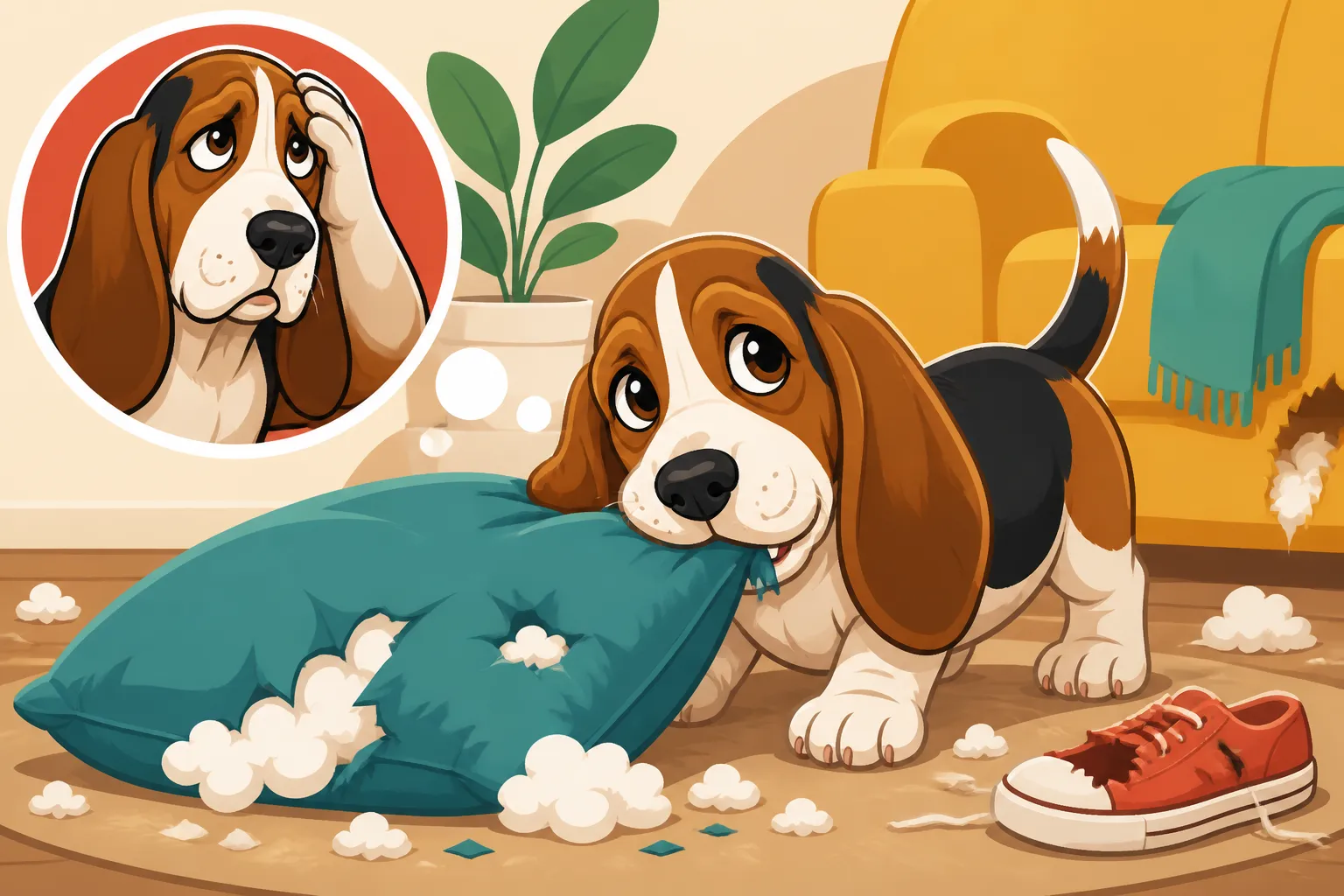
These are prime targets. Imagine being a low-slung Basset puppy. The legs of chairs, tables, and especially bed frames are right at nose and mouth level. They're solid, satisfying to chew, and often have interesting textures. Baseboards, too, fall into this category. They're part of the house, so they're always there, making them a consistent source of entertainment. I've heard countless stories of Basset puppies stripping paint or even gnawing significant chunks out of door frames. It's not just the height; it's the accessibility and the rewarding feel of the wood or plaster under their powerful jaws.
Shoes, Socks, and Laundry
Your personal items are often the most irresistible. Why? Because they smell like you. A Basset puppy adores your scent, and anything that carries it becomes a comfort object, a plaything, and a chew toy all rolled into one. Shoes, especially, offer a complex texture with leather, laces, and rubber soles, making them a multi-sensory chewing experience. Socks and other laundry are easy to grab, soft to mouth, and perfect for a game of "keep away" or a good shredding session. It's frustrating, I know, to lose a favorite pair of sneakers or find your clean clothes scattered and damp, but it's a testament to their love for your scent and their need for oral engagement.
Carpets, Rugs, and Even Walls
Yes, even walls. Some Basset puppies take their oral exploration to the extreme, finding joy in tearing up carpet edges, pulling threads from rugs, or, in particularly egregious cases, even sampling drywall. This often points back to severe boredom, anxiety, or a lack of appropriate alternatives. A Basset's strong jaws and determined nature, combined with their low perspective, can turn a simple rug into a digging and shredding project. You might even find them "mining" the couch cushions for hidden treasures or just for the sheer pleasure of rearranging the stuffing. It's definitely something that can make you consider What a Basset Hound Costs a Year to Keep when you factor in repairs!
Strategies to Prevent Destructive Behavior
The good news is that much of this destructive behavior is preventable with the right approach. It requires patience, consistency, and a deep understanding of your Basset puppy's needs.
Providing Appropriate Chew Toys and Enrichment
This is paramount. You need a rotating selection of safe, durable, and engaging chew toys. Think variety: rubber toys, nylon bones, puzzle toys that dispense treats, and softer options for teething relief. Companies like Chewy offer a vast array of options, so you can experiment to see what truly captures your Basset's attention. The key is to make these appropriate toys more appealing than your furniture. Consider stuffing Kongs or other food-dispensing toys with peanut butter (xylitol-free!), plain yogurt, or even a bit of their regular food mixed with something tasty, then freezing them. These can keep a Basset puppy occupied for a good long while.
Regular rotation of toys keeps them novel and interesting. Don't leave all the toys out all the time. Bring out a few, then swap them for others after a day or two. This tricks your puppy into thinking they have new toys constantly.
Crating and Puppy-Proofing Your Home
Crating isn't cruel; it's a safe haven and a vital management tool, especially during those early, destructive months. A crate that's appropriately sized—just big enough for them to stand, turn around, and lie down comfortably—prevents them from getting into trouble when you can't supervise directly. What a Crate That Fits a Basset Hound Costs might seem like an upfront expense, but it's far cheaper than replacing a sofa. When they are out of the crate, you need to puppy-proof. This means moving anything valuable or dangerous out of reach. Put away shoes, secure electrical cords, block off rooms where you can't supervise, and consider gates to limit their access. If you have an expensive rug, roll it up for a few months. It's temporary, but it can save your sanity and your possessions.
Mental and Physical Stimulation
Even though Bassets are not marathon runners, they still need exercise. Short, regular walks (being mindful of their developing joints, especially as a puppy) are essential. More importantly, mental exercise can be just as tiring, if not more so, than physical activity. Engage their powerful noses! Scent games, like hiding treats around the house for them to find, using snuffle mats, or even structured nose work classes, can satisfy their instinctual drives. These activities tire them out in a good way, making them less likely to resort to destructive chewing out of sheer boredom. Remember, Whether a Basset Hound Destroys Anything When Bored is a very real possibility.
A consistent routine with feeding, potty breaks, playtime, and rest also provides structure, which can help reduce anxiety and uncertainty, common contributors to destructive behavior.
Living with a Destructive Basset Puppy
It can feel overwhelming when your adorable, floppy-eared friend seems determined to redecorate your home with their teeth. But remember, this is a phase, and with the right approach, you can guide them toward more acceptable behaviors.
Supervision and Redirection
Constant supervision is your best friend. When your Basset puppy is out of their crate, keep an eye on them. If you catch them chewing on something inappropriate, calmly interrupt the behavior. Say "Ah-ah!" or "Leave it!" (a command worth teaching early on), then immediately redirect them to an approved chew toy. Praise them lavishly when they choose the correct item. This teaches them what is and isn't acceptable. Consistency is key here; every family member needs to be on board with the same rules and redirection techniques.
Sometimes, destructive behavior can stem from separation anxiety or frustration. If you notice it primarily when you leave, or when they are otherwise distressed, addressing the underlying cause is important. For severe cases, consulting with a professional dog trainer or a veterinary behaviorist can be incredibly helpful.
Training for Impulse Control
Teaching basic obedience commands like "sit," "stay," "come," and especially "leave it" and "drop it" can be invaluable. These commands help establish impulse control, which is essential for a dog that tends to follow its nose into trouble or pick up forbidden objects. Positive reinforcement training works wonders with Basset Hounds, especially when high-value treats are involved. They might be considered "stubborn," but they are also incredibly food-motivated. Short, frequent training sessions can build a strong foundation. You might even find that Whether a Basset Hound Learns Tricks is easier than you think, especially when food is involved!
Managing Expectations and Patience
This is perhaps the hardest part. Basset puppies are notoriously slow to mature, both physically and mentally. What might be a fleeting phase for some breeds can feel like an extended saga with a Basset. They might be a year or even two before they truly settle down and reliably distinguish between their chew toys and your antique furniture. Don't take it personally when they chew; it's rarely out of spite. It's just a puppy figuring out the world.
Investing in durable pet beds (some even come with chew-resistant covers), using pet-safe bitter sprays on forbidden items (though results vary widely, and some Bassets don't mind the taste!), and celebrating small victories will help you through. Remember to regularly check their feet for issues like Whether a Basset Hound Gets Interdigital Cysts, as discomfort can sometimes lead to excessive licking or chewing of paws. Keep an eye on their overall health; sometimes, dental pain or other health issues can manifest as increased chewing. This is where a good pet insurance plan from a company like Healthy Paws can be a lifesaver, covering unexpected vet visits related to ingestion of foreign objects or other puppy mishaps.
Think of it as an investment in their education. Provide structure, guidance, and plenty of appropriate outlets, and your Basset puppy will eventually learn what belongs to them and what belongs to you. And sometimes, you just need a hearty laugh and another order from Chewy for new chew toys! Even if you are feeding a premium food like Ollie, ensuring they have the right chew outlets is critical.
Here's a quick overview of common destructive behaviors and how to address them:
| Destructive Behavior | Primary Cause(s) | Prevention/Solution |
|---|---|---|
| Chewing furniture/baseboards | Teething, boredom, investigation | Provide durable chew toys (e.g., KONG, Nylabone), bitter deterrent spray, supervise closely, crate when unsupervised, increase mental stimulation (nose work games). |
| Shredding fabrics (socks, rugs) | Scent-driven, boredom, play | Keep laundry put away, pick up loose items, provide appropriate soft toys for shredding (e.g., fabric puzzle toys), ensure enough playtime and mental exercise. |
| Digging/chewing carpets | Boredom, anxiety, seeking attention | Offer digging-friendly alternatives (e.g., sandpit in yard, snuffle mat), increase enrichment, address underlying anxiety (e.g., separation anxiety), ensure sufficient physical activity. |
| Chewing electrical cords | Investigation, teething, boredom | Secure all cords with protectors, elevate out of reach, use bitter spray, supervise strictly, redirect to appropriate chew toys. |
| Counter surfing/raiding trash | Scent-driven, food motivation | Keep counters clear, secure trash cans (lidded/latched), do not free-feed, train "leave it," ensure adequate calorie intake (a well-fed Basset is less likely to raid). |
Disclaimer
This article is for general informational purposes only and does not constitute professional advice. Laws, prices and regulations vary by location and change over time. Consult a qualified professional for guidance on your specific situation.