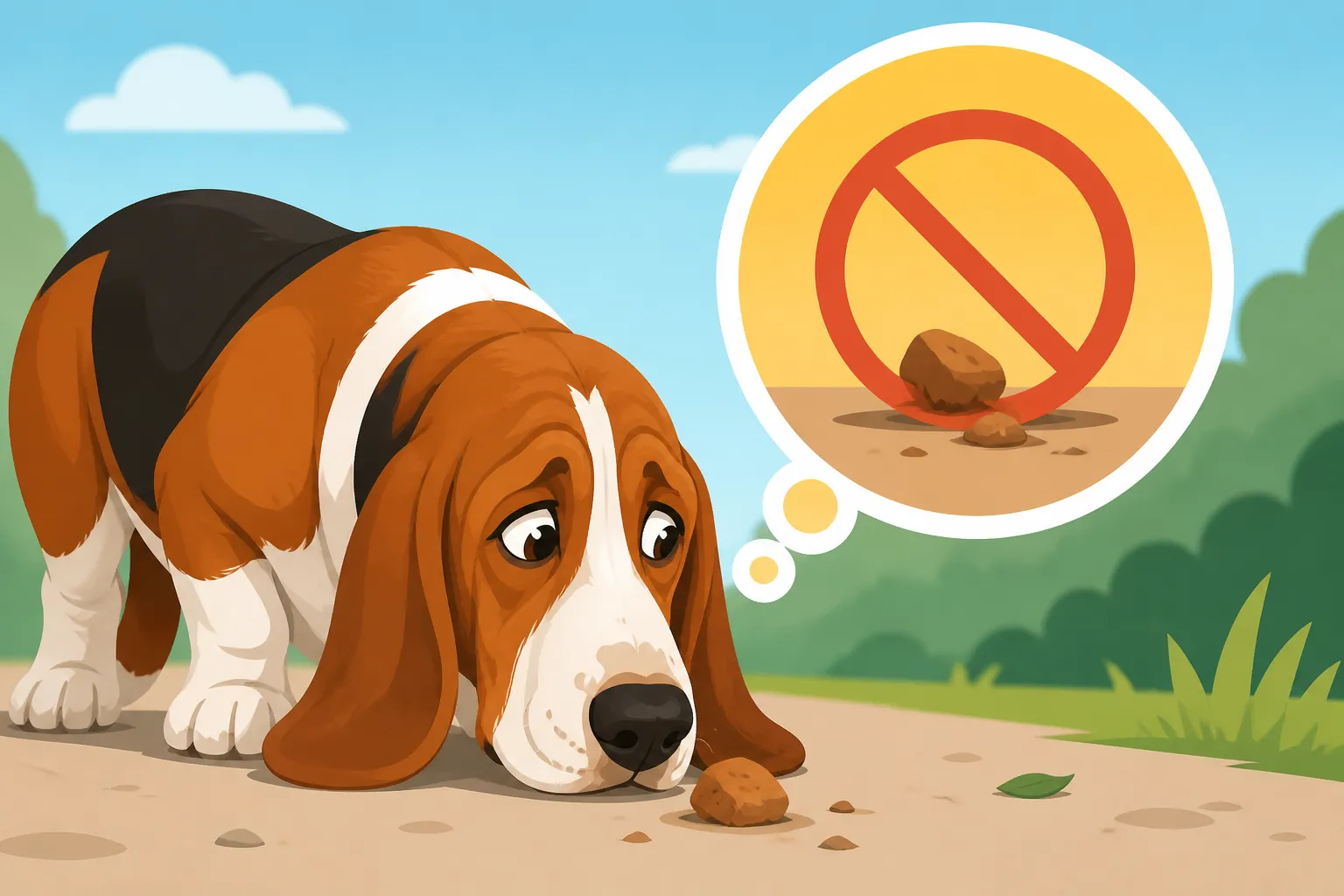
Whether a Basset Hound Eats Things Off the Ground
Oh, the sheer frustration of watching your beloved Basset Hound nose-dive into something utterly disgusting or, worse, potentially dangerous, the split second you look away! It's a common refrain among Basset owners: "My dog eats everything off the ground!" It feels like they're a four-legged vacuum cleaner, and it leaves us constantly worried about what they might pick up. This comprehensive guide will delve into why Basset Hounds are so prone to this behavior, the very real risks involved, and practical strategies you can employ to keep your ground-foraging companion safe and healthy.
The Basset Hound's Inevitable Ground-Sniffing Nature
Let's be honest, trying to stop a Basset Hound from sniffing the ground is like trying to stop the tide. It's not a sign of naughtiness; it's a fundamental part of who they are, woven into their very DNA. Understanding this instinct is the first step toward managing it.
Why Their Nose is King
The Basset Hound was literally bred for its nose. Their ancestors were developed in France to track game, primarily rabbits and hares, over long distances. To do this effectively, they needed an extraordinary sense of smell, coupled with a low-to-the-ground build that allowed them to keep their noses locked on a scent trail without having to lift their heads. When you see your Basset with its nose glued to the pavement, they're not just idly exploring; they are actively processing a rich tapestry of smells that we humans can't even begin to comprehend.
Their physical characteristics are perfectly designed for this task. Those magnificent, long, pendulous ears don't just look charming; they actually serve a purpose by sweeping scent particles from the ground up towards their nostrils. The loose skin around their face and neck, known as a dewlap, also helps to trap and concentrate scents, creating a mini scent chamber for their powerful olfactory system. This means that when a Basset Hound's nose is down, their entire world shrinks to that scent trail, making them incredibly focused and often seemingly deaf to your calls. It's an instinct that overrides almost everything else, making training challenging but not impossible. Whether a Basset Hound's Ears Sweep Scent Upward
The "Edible" and "Interesting" Distinction
For a Basset Hound, "eating things off the ground" isn't always about hunger. Their mouth is often an extension of their nose – a tool for further investigation. If their nose identifies something as highly interesting, their mouth is often the next sensory organ to engage. This means they might ingest things that hold no nutritional value simply because the scent was intriguing or the texture was novel.
Think about it from their perspective: a discarded wrapper might smell faintly of human food, a fallen leaf might carry the scent of another animal, or a small pebble might just feel interesting in their mouth. It’s an information-gathering exercise, and for a Basset, oral exploration is a key part of that. This can lead to them attempting to eat everything from dried leaves and grass, to dropped tissues, small pieces of plastic, or even unidentified street debris. While some of these might pass through without issue, many pose significant risks, turning every walk into a high-stakes game of "what's in their mouth now?"
The Risks of the Ground-Dwelling Diet
While their relentless sniffing is endearing in its own way, the habit of eating things off the ground comes with a host of dangers that every Basset owner needs to be acutely aware of. It's not just about a tummy ache; some ingestions can be life-threatening.
Obvious Hazards and Toxic Treats
The most immediate and concerning risks come from things that are overtly toxic or can cause physical damage. Common household items like dropped medication, cleaning products, or even certain garden chemicals (like slug bait or antifreeze, which can be fatally attractive) are incredibly dangerous. Human foods are also a major culprit. Things like chocolate, grapes, raisins, onions, garlic, xylitol (found in many sugar-free products), and avocado pits are all highly toxic to dogs and can cause severe illness or death.
Beyond toxins, small objects can pose a terrible risk of choking or internal obstruction. We're talking about things like plastic toys, socks, corn cobs, fruit pits, batteries, or even sharp bits of metal or glass. A Basset's relatively large mouth and tendency to gulp rather than chew thoroughly means these items can be swallowed quickly, leading to emergency vet visits for blockages or perforations. It's a constant vigilance game, feeling like you need eyes in the back of your head every time you walk them.
The Hidden Dangers of "Natural" Finds
It’s not just the obvious garbage that’s a problem. Many seemingly natural or innocuous items found outdoors can also be incredibly harmful. Take sticks, for instance. While many dogs love to chew on them, sticks can splinter, causing lacerations in the mouth, throat, esophagus, or intestines. Larger pieces can also cause obstructions. Acorns, common in many parks and yards, contain tannins that are toxic to dogs and can lead to kidney damage and gastrointestinal upset. Old bones, especially cooked ones, can splinter easily, leading to internal damage or severe constipation.
Even simple grass, which dogs often eat when they have an upset stomach, can be problematic if it's treated with pesticides or herbicides. Furthermore, ingesting dirt or contaminated soil can expose your Basset to parasites, bacteria, or fungi. It’s a stark reminder that the outdoor world, while a playground for their nose, is also a minefield for their health. Understanding these less obvious dangers helps us be more proactive in protecting our Bassets from themselves. Whether a Basset Hound Gets Pancreatitis
Strategies for Managing the Ground-Eating Tendency
Since we know that a Basset Hound's nose is an unstoppable force, our best approach is to manage their environment and provide alternative, safer outlets for their instincts. This is where patience, consistent training, and smart tools come into play.
Proactive Management and "Leave It"
The cornerstone of prevention is proactive management. This means being incredibly vigilant when you're out and about. Keep your Basset on a leash at all times, especially in unfenced areas or places where you can't guarantee a clean ground surface. A sturdy leash and comfortable harness are essential, giving you the control you need to steer them away from tempting ground finds. In your own yard, make it a habit to do a quick sweep before letting your Basset out, removing any fallen fruit, sticks, discarded trash, or anything else that might catch their eye (or nose).
The "leave it" command is your most powerful training tool, but it requires diligent and consistent effort, especially with a Basset's single-minded focus on scent. Start practicing in a distraction-free environment with low-value items, gradually increasing the difficulty. Use high-value treats as rewards when they successfully ignore something. For a Basset, this usually means something incredibly tasty, like small pieces of cooked chicken or cheese, rather than dry kibble. The goal is to teach them that ignoring something on the ground leads to an even better reward from you. Remember, it's a marathon, not a sprint, with a Basset's stubborn streak. What Actually Motivates a Basset Hound
Tools and Techniques
Sometimes, even the best training isn't enough, or you need an extra layer of protection. This is where physical tools can be incredibly helpful. A basket muzzle, for example, allows your Basset to pant, drink, and even take treats, but prevents them from picking up and ingesting items off the ground. It's a fantastic safety device for walks in areas where you know there will be tempting, dangerous debris. You can find comfortable, well-fitting basket muzzles on platforms like Chewy or Amazon, ensuring you choose one that allows full panting and doesn't rub.
Another simple tool, especially for keeping those glorious long ears out of their food and any ground messes, is a snood. While it won't stop them from eating everything, it helps prevent their ears from dragging through puddles, mud, or dropped food, which can then get transferred to their mouth. Whether a Basset Hound Needs a Snood at Dinner Finally, to satisfy their natural urge to forage and "work" for their food, consider using slow feeders or puzzle toys at meal times. Instead of just gulping down their dinner from a bowl, these toys make them use their nose and brains to get their food, channeling that natural instinct in a safe, productive way. Again, these are readily available through retailers like Chewy or Amazon.
Diet and Health Considerations
While most ground-eating is behavioral and instinctual, it's always worth considering if there are any underlying dietary or health factors contributing to the behavior. Ensure your Basset is on a high-quality, nutritionally complete diet appropriate for their age, weight, and activity level. Sometimes, a dog seeking out non-food items can be a sign of a nutritional deficiency or an upset stomach, although this is less common with Bassets whose drive is primarily scent-based. Brands like Ollie, which offer fresh, balanced meals, can provide excellent nutrition.
Regular veterinary check-ups are also crucial. If your Basset is frequently ingesting things, discuss it with your vet. They can help rule out any medical conditions, parasitic infections, or nutrient imbalances that might be contributing to pica (the eating of non-food items). They can also offer advice on safe deworming protocols and discuss foods that might be particularly gentle on a Basset's stomach. Keeping a Basset at a healthy weight is also vital, as excess weight can exacerbate many health issues. Whether a Basset Hound Has a Sensitive Stomach Keeping a Basset Hound at Its Correct Weight
Here's a quick comparison of different strategies for managing ground-eating:
| Strategy | Description | Pros | Cons |
|---|---|---|---|
| Leash Walking | Keeping your Basset on a leash in uncontrolled environments. | Immediate control; prevents running off; directs away from hazards. | Requires constant vigilance; Basset may still try to snatch things. |
| "Leave It" Command | Training your Basset to ignore items on command. | Empowers dog with choice; builds impulse control; flexible. | Requires high consistency and valuable rewards; challenging for Bassets. |
| Environmental Control | Clearing your yard/home of potential hazards. | Prevents unsupervised ingestion; peace of mind at home. | Not feasible for all environments; requires proactive effort. |
| Basket Muzzle | A muzzle that allows panting/drinking but prevents ingesting ground items. | Highly effective physical barrier; allows safe exploration of scents. | Can be perceived negatively; requires proper fit and introduction. |
| Slow Feeders/Puzzle Toys | Using interactive feeding tools for meals. | Satisfies natural foraging instinct; slows eating; mental enrichment. | Does not prevent outdoor ground-eating; some dogs solve quickly. |
When to Worry and Seek Vet Advice
Despite our best efforts, Basset Hounds are masters of snatching things when we least expect it. Knowing when to worry and when to call the vet is critical.
Signs of Trouble
If you suspect your Basset has eaten something they shouldn't have, or if you notice any changes in their health, it's time to act. Be on the lookout for symptoms such as:
- Vomiting: Especially if it's repeated, severe, or contains blood or the ingested item.
- Diarrhea: Particularly if it's severe, bloody, or black and tarry.
- Lethargy: Unusual tiredness, reluctance to move, or generally seeming "off."
- Loss of Appetite: Refusing to eat their regular food or treats.
- Abdominal Pain: Whining, reluctance to be touched on the belly, or a tense abdomen.
- Straining to Defecate: Or inability to pass stool, which can indicate an obstruction.
- Changes in Behavior: Restlessness, pacing, hiding, or unusual aggression.
- Excessive Drooling: Or pawing at the mouth, which could indicate something stuck.
Any of these signs, especially if they appear suddenly after a suspected ingestion, warrant an immediate call to your veterinarian. Don't wait for things to get worse.
The Importance of Open Communication with Your Vet
When you call or visit the vet, be as honest and detailed as possible about what your Basset might have eaten. Even if you're not 100% sure, or if you feel a little embarrassed, this information is invaluable. Knowing the potential substance or object helps your vet narrow down diagnostic tests and start the most appropriate treatment quickly. For instance, if you saw them swallow a small toy, the vet will know to look for an obstruction. If you suspect they ate snail bait, specific antidotes or treatments can be initiated much faster.
Your vet is there to help your Basset, not to judge your vigilance. Providing accurate, timely information can literally be a lifesaver, potentially saving your dog from more invasive procedures, prolonged illness, or worse. Always err on the side of caution when it comes to ground-eating Basset Hounds – their lives depend on it.
Disclaimer
This article is for general informational purposes only and does not constitute professional advice. Laws, prices and regulations vary by location and change over time. Consult a qualified professional for guidance on your specific situation.