Whether an Old Basset Hound’s Coat Changes
Watching our beloved Basset Hounds gracefully age brings a mix of joy and bittersweet moments. You might notice their step isn't quite as spry, or their deep, soulful eyes seem a little cloudier. But one area that often sees subtle, yet significant, shifts is their coat. It's not just about a few gray hairs popping up; their fur can tell a much bigger story about their changing health and needs, and understanding these shifts can help us keep them comfortable and happy in their golden years. This guide will walk you through the various ways an older Basset Hound's coat can transform, what those changes might signify, and how you can best support their skin and fur as they mature.
The Subtle Shift in a Basset Hound's Coat Texture
As our Bassets move from their energetic younger years into the calm wisdom of old age, their physical characteristics naturally evolve. The coat, which might have once been sleek and dense, can undergo a noticeable transformation. These changes are often gradual, sneaking up on you, but they're important to observe as they can be indicators of deeper physiological shifts.
From Puppy Soft to Senior Coarse
Remember that incredibly soft, almost velvety fur your Basset had as a puppy or even in their prime adult years? For many owners, this is one of the most endearing qualities. As they age, however, you might start to feel a subtle coarsening of their coat. The individual hairs can become thicker, less pliable, and lose some of that youthful silkiness. This isn't necessarily a cause for alarm on its own; it's often a normal part of the aging process, much like human hair can become coarser with age. The skin itself can also become less elastic, which affects how the hair lies and feels. You might notice areas that used to be smooth now have a slightly wiry or stiff texture, especially along their back or over their hips. This change can sometimes make grooming a little different, as brushes might not glide through as easily, and the coat might feel less dense to the touch despite individual hairs being thicker.
Increased Shedding or Thinning Hair
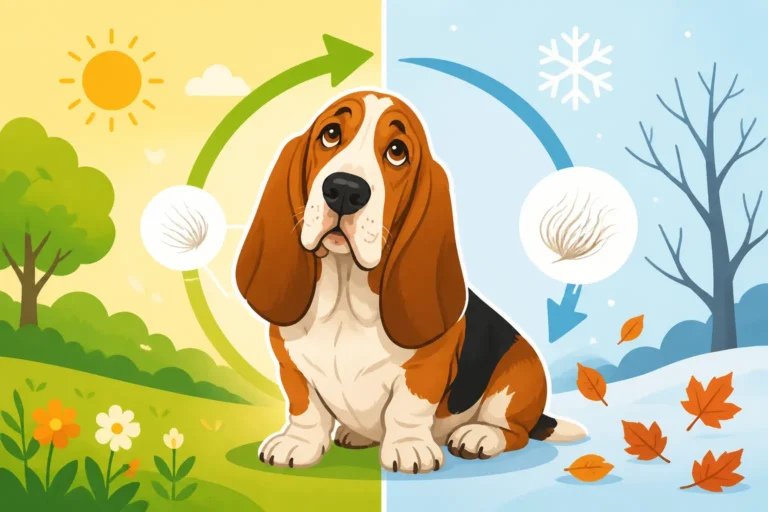
Shedding is a fact of life with a Basset Hound, no matter their age. Their short, dense coats tend to "blow" twice a year, and regular maintenance is always a good idea. However, as they get older, some Basset Hounds may experience either an increase in shedding or a general thinning of their coat. This isn't always the dramatic hair loss you might associate with certain illnesses, but rather a more generalized sparse appearance. You might find more fur around the house, or notice that patches along their flanks or hindquarters seem less full than they once were. This thinning can make their skin more visible, especially in areas where their coat is naturally lighter or thinner, such as on their belly or inner thighs. How Much Hair a Basset Hound Leaves on Furniture is a reality, and it can sometimes seem like even more in their senior years. It's worth considering whether this is just a natural age-related change or if it's accompanied by other signs that might warrant a vet check.
The Impact of Skin Elasticity
Just like our own skin, a Basset Hound's skin loses elasticity as they age. This is particularly noticeable in a breed known for its abundant loose skin and expressive wrinkles. The famous dewlap, the folds around their face, and the loose skin on their body might become even more prominent, or conversely, feel drier and less supple. This reduced elasticity can directly affect the coat. Hair follicles are embedded in the skin, and if the skin isn't as healthy or elastic, the hair growing from it might be weaker, more prone to breakage, or simply not grow as densely. You might notice their skin appears duller, perhaps a little flaky, even if you're diligent about their care. These changes can make them more susceptible to certain skin issues, as the protective barrier of their skin and coat isn't as robust as it once was.
Color Changes and Graying Patterns in Aging Basset Hounds
The visible sign of aging that most owners notice first is often the emergence of gray hairs. It's a universal truth for many breeds, and Basset Hounds are no exception. While it can tug at your heartstrings to see your vibrant hound start to "salt and pepper," understanding the patterns of this graying can be quite fascinating.
The Gradual Appearance of Gray Hairs
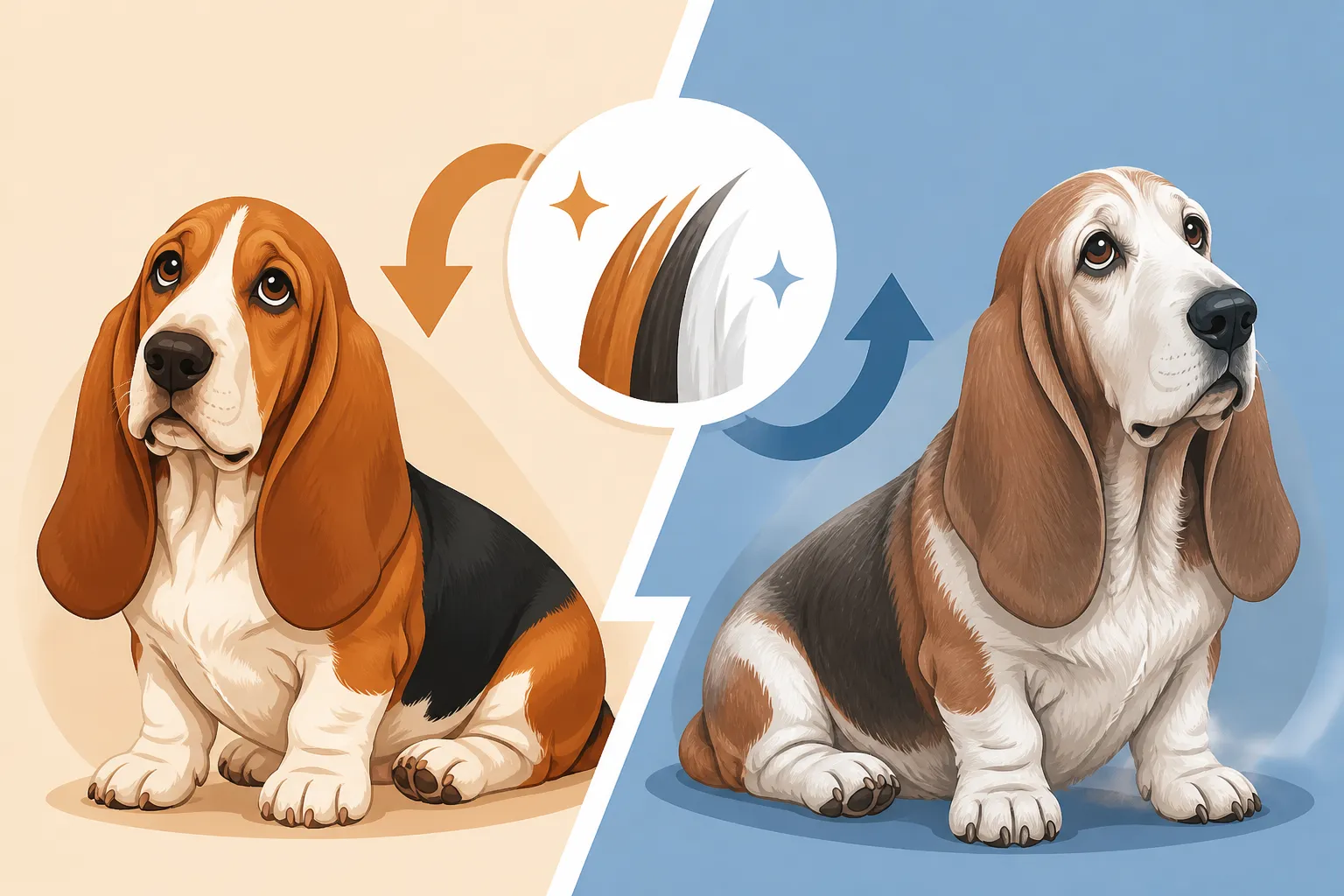
Graying in Basset Hounds, much like in people, is a gradual process. It rarely happens overnight. What often starts as a few stray white hairs around the muzzle can slowly spread, becoming more pronounced over months or even years. This loss of pigment in the hair follicles is a natural part of cellular aging. The exact age it begins varies widely among individual Bassets. Some might show their first signs of gray in their middle years, around The Age a Basset Hound Counts as Senior, while others might hold onto their youthful color much longer. It's a unique progression for each dog, and observing its spread can be a heartwarming, if slightly melancholy, way to track their journey through time. Don't be surprised if your black-and-tan Basset develops a charming silver chin or if your lemon-and-white hound gains a dusting of white around their eyes.
Where Graying Tends to Start
For most Basset Hounds, the first place you'll likely spot those tell-tale gray hairs is around their muzzle and chin. This is often followed by the areas around their eyes, giving them a wise, distinguished look. From there, graying can spread to their forehead, ears, and then more generally across their body. It tends to be more concentrated on the face, which is why many senior Bassets often appear to be wearing a "frosted" mask. You might also notice some graying on their paws or at the tips of their long, velvety ears. The pattern can differ based on their original coat color; graying might be more obvious on darker coats, while a lemon and white Basset Hound might simply appear to have more white blending in.
Coat Color Dullness and Fading
Beyond just graying, you might notice that the vibrant hues of your Basset Hound's original coat start to dull or fade. A rich chocolate brown might become a softer, muted cocoa, and deep black patches might take on a slightly dusty, brownish tone. This fading can be due to several factors, including sun exposure over time, but it's also a natural consequence of aging as pigment production in the hair follicles slows or becomes less intense. The coat might also appear less lustrous, lacking the shiny sheen it once had, even with regular brushing. This dullness can sometimes be an early indicator that their skin isn't as hydrated or that their diet might need a boost in omega fatty acids. It’s a subtle shift, but when you look at old photos, you might suddenly realize just how much their color has softened over the years.
Underlying Health Issues Reflected in an Older Basset Hound's Fur
While many coat changes are simply normal parts of aging, it’s crucial to remember that your Basset Hound's fur can also be a billboard for their internal health. When you see changes that seem sudden, extreme, or are accompanied by other symptoms, it’s always best to consult your veterinarian. These changes can often be the first visible signs of health challenges that become more common as dogs age.
Hormonal Imbalances and Their Furry Manifestations
One of the most common health issues that impacts an older Basset Hound's coat is a hormonal imbalance, particularly hypothyroidism. The thyroid gland is responsible for regulating metabolism and, as part of that, plays a huge role in skin and coat health. If your Basset Hound's thyroid isn't functioning correctly, you might see a dull, dry, brittle coat, often accompanied by excessive shedding or thinning, especially along their flanks or tail. They might develop "rat tail," where the hair on the tail becomes sparse and thin. Their skin might also become flaky or even prone to infections. Signs a Basset Hound's Thyroid Has Failed often include lethargy, weight gain even with a normal diet, and intolerance to cold, so look for these alongside the coat changes. Cushing's disease, another hormonal condition, can also lead to hair loss, particularly on the body, making the skin thin and fragile.
Nutritional Deficiencies Affecting Coat Health
Just like us, older Basset Hounds can sometimes struggle with nutrient absorption or have increased dietary needs. A diet that was perfectly adequate in their younger years might not provide everything their aging body needs. If your Basset isn't getting enough essential fatty acids (like Omega-3 and Omega-6), vitamins, or quality protein, their coat will often be one of the first places to show it. You might notice their fur becoming dry, flaky, coarse, or unusually dull. It can also lead to excessive shedding or patchy hair loss. Providing high-quality food, possibly specifically formulated for senior dogs, and supplementing with fish oil can make a huge difference. Brands like Ollie offer fresh, balanced meals that can be particularly beneficial for senior dogs, ensuring they get all the necessary nutrients for a healthy coat and overall well-being. Always discuss any dietary changes or supplements with your vet. Feeding an Old Basset Hound That Has Slowed often involves adjusting their diet to their changing metabolism and activity levels.
Parasites and Skin Conditions in Older Dogs
Even well-cared-for senior Basset Hounds can be more susceptible to parasites and various skin conditions. Their immune systems might not be as robust, and their skin can become more fragile, creating a welcoming environment for problems. Fleas, mites, and ticks can cause intense itching, leading to scratching, licking, and chewing that can damage the coat, resulting in bald spots, scabs, and secondary skin infections. Beyond parasites, older dogs are prone to skin conditions like seborrhea, which causes greasy, flaky skin and a distinct odor, or even allergies that can manifest as persistent itchiness and skin inflammation. The Skin Under a Basset Hound's Folds can be a particular problem area, prone to yeast or bacterial infections if not meticulously cleaned, and these can become more challenging to manage in an older dog with reduced mobility. Regular checks, appropriate parasite prevention, and prompt veterinary attention for any skin lesions are vital.
Adapting Your Grooming Routine for a Senior Basset Hound's Changing Coat
Observing changes in your older Basset Hound’s coat is just the first step. The next is to adjust their care routine to meet these new needs. What worked for a spry young hound might not be suitable for a more sensitive, slower-moving senior. Thoughtful grooming can significantly improve their comfort and the health of their skin and fur.
Gentle Brushing Techniques and Tools
As your Basset Hound ages, their skin can become thinner and more delicate, and they might also have underlying aches and pains, such as arthritis, making them less tolerant of vigorous brushing. It’s time to shift to a gentler approach. Opt for softer brushes, like a rubber curry brush or a soft bristle brush, which stimulate the skin and distribute natural oils without causing discomfort. Avoid harsh slicker brushes unless absolutely necessary for a specific tangle, and even then, use with extreme caution. Short, frequent brushing sessions are better than long, intense ones. Not only does this keep their coat healthy, but it also provides a wonderful opportunity for bonding and allows you to routinely check for new lumps, bumps, or skin irritations that might be hiding under their fur. You can find a great selection of gentle brushes on Chewy or Amazon, often with ergonomic handles that are easier on your hands too.
| Aspect of Coat Care | Younger Basset Hound | Older Basset Hound |
|---|---|---|
| Brush Type | Stiffer bristle, slicker brush for shedding seasons | Soft rubber curry, gentle bristle brush, grooming glove |
| Brushing Frequency | 2-3 times a week, more during shedding | Daily or every other day, for shorter durations |
| Approach | Can tolerate more vigorous strokes | Gentle, slow strokes, mindful of sensitive areas |
| Shampoo & Conditioner | Standard dog shampoos, occasionally a de-shedding formula | Hydrating, hypoallergenic, oatmeal-based, senior-specific |
| Drying | Towel dry, air dry, or low-heat blow dry | Thorough but gentle towel dry, avoid chilling |
| Health Checks | Regular but less intensive | More frequent and detailed checks for skin issues, lumps, pain |
Choosing the Right Shampoos and Conditioners
An older Basset Hound's skin and coat often need more moisture and gentler ingredients. Their skin can be drier, more sensitive, and less resilient to harsh chemicals or strong fragrances. Look for shampoos specifically designed for sensitive skin, those containing oatmeal, aloe vera, or ceramides, which help to soothe and hydrate the skin. Hypoallergenic options are also a good choice. Follow up with a good quality conditioner to help lock in moisture and keep the coat pliable. Avoid over-bathing, which can strip natural oils; aim for baths every 4-6 weeks unless your vet recommends more frequent medicated baths for a specific skin condition. When bathing, make sure the water is lukewarm and dry them thoroughly but gently afterward, ensuring they don't get chilled. Brands available on Chewy or Amazon often have excellent options tailored for senior dogs or those with sensitive skin, and remember to pick one that is pH-balanced for dogs. Which Shampoo Suits a Basset Hound is an important consideration as they age.
Supporting Coat Health Through Diet and Supplements
Beyond external grooming, what goes into your Basset Hound's body is paramount for maintaining coat health. As discussed, nutritional needs change with age. Ensure they are on a high-quality senior dog food, which typically has adjusted protein and fat levels, and often includes joint support ingredients. Consider supplementing their diet with omega-3 fatty acids, such as fish oil, which are fantastic for skin hydration and coat luster. Glucosamine and chondroitin, while primarily for joint health, also support overall bodily function which indirectly helps the coat. Always consult your veterinarian before adding any supplements to ensure they are appropriate for your individual Basset Hound's health status and don't interact with any medications they might be on. A healthy diet, potentially including fresh food options from Ollie, coupled with targeted supplements, can make a noticeable difference in the texture, sheen, and overall health of their senior coat. Whether a Basset Hound Needs Joint Supplements is a common question, and they can certainly aid in overall comfort, which reflects in coat health.
Disclaimer
This article is for general informational purposes only and does not constitute professional advice. Laws, prices and regulations vary by location and change over time. Consult a qualified professional for guidance on your specific situation.