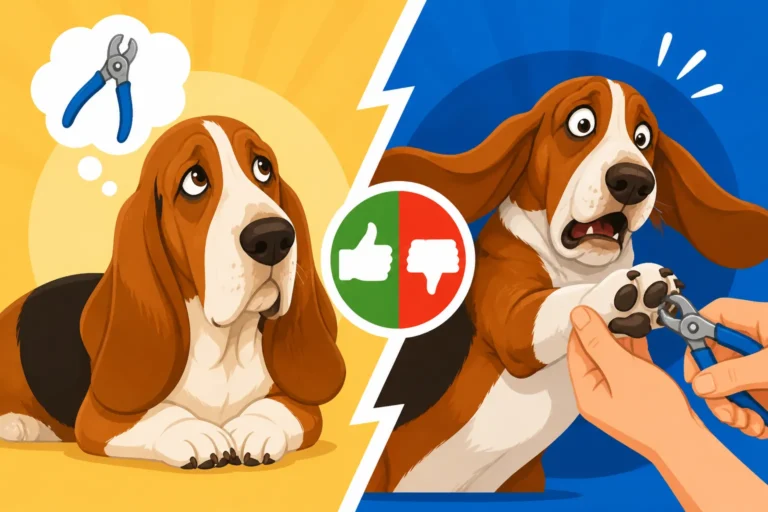
Whether a Basset Hound Fights a Nail Grinder
Oh, the infamous nail grinder battle! If you're a Basset Hound parent, you've likely stared at that buzzing little tool and seen a look of utter betrayal flash across your dog's soulful eyes. It's a common frustration, truly. Many Basset owners find themselves in a wrestling match just to keep their hound's nails at a healthy length, and the nail grinder, which seems like such a gentle alternative, often becomes the ultimate villain. This guide is here to walk you through understanding why your Basset might be giving Oscar-worthy performances of terror, and how to gently, patiently, and sometimes creatively, turn those grooming sessions into something less akin to a medieval torture device.
Understanding Why Your Basset Hound Hates Nail Grinders
It's easy to think your Basset is just being stubborn or dramatic when they bolt at the sight of the nail grinder. But for these sensitive hounds, their aversion often stems from deep-seated instincts and uncomfortable realities. It's not a personal affront; it's a genuine reaction that we need to understand to address effectively.
The Basset Hound's Sensitive Nature
Basset Hounds, despite their sturdy appearance, possess a remarkably sensitive constitution, especially when it comes to their senses. Their incredible noses are legendary, but their hearing is also exceptionally keen, designed to pick up the faintest scent trails or the distant bay of a pack mate. This heightened auditory awareness means that sounds we might consider minor can be intensely irritating or even frightening for them.
Imagine for a moment: the whirring noise of a nail grinder, even a "quiet" one, is like a miniature buzz saw right next to their paw, potentially amplified by the bone conduction through their sensitive toes. Add to that the vibration that travels through the nail and into the paw, and it becomes a multi-sensory assault. It’s not just an annoyance; it can genuinely feel like an alien object vibrating unpleasantly through their body. For a creature who relies so heavily on comfort and routine, this sudden, jarring sensation can be deeply unsettling. They aren't trying to be difficult; they're reacting to a sensory overload that's truly unpleasant for them. It’s a core part of the Basset Hound's sensitive nature, and their ears are no different.
Furthermore, Basset Hounds are creatures of comfort, often preferring a calm, predictable environment. A loud, vibrating tool introduces an element of chaos and perceived threat, which goes against their peace-loving nature. Their natural caution, combined with their sensory acuity, means they're quick to register potential discomfort or danger, and that whirring gadget often falls squarely into that category.
Negative Past Experiences and Conditioning
Let's be honest, nail trims can be tricky for any dog. It's a grooming task fraught with potential pitfalls, and even one bad experience can leave a lasting impression on a Basset Hound. Perhaps as a young puppy, their quick was accidentally hit with clippers, causing a sharp pain and bleeding. Or maybe they were held down firmly, even gently, but in a way that felt restrictive and scary. Basset Hounds have excellent memories, especially for things that cause them discomfort.
These negative past experiences create powerful associations. The mere sight of the grinder, the sound of you rummaging for it, the specific scent of a nail dust particle lingering from a previous attempt – all these cues can trigger a "fight or flight" response before you've even touched their paw. It's a classic case of classical conditioning: tool equals pain or fear. It doesn't matter if you are being super careful now; their brain has already logged the potential danger. It's much like how some Bassets might become wary of ear cleaning if past infections made the process painful, similar to Whether a Basset Hound Objects to Nail Trims.
Even if your Basset has never been physically hurt by a nail trim, the sheer act of being restrained or having their personal space invaded can be enough to create an aversion. They might have learned that struggling leads to the session ending, inadvertently reinforcing the undesirable behavior. Understanding this history, whether known or presumed, is crucial for approaching the problem with empathy and patience. We're not just trying to trim nails; we're trying to re-write a narrative of fear into one of trust and tolerance.
Setting the Stage for Successful Nail Grinding
Approaching nail care with a Basset Hound requires more than just picking up the tool and getting to work. It demands a deliberate, thoughtful strategy to minimize stress and maximize cooperation. Think of it less as a chore and more as a delicate negotiation.
Essential Tools and Creating a Calm Environment
Before you even think about touching your Basset's nails, make sure you have the right arsenal of tools and have prepared the perfect setting. A good quality nail grinder is key. While no grinder is silent, some are significantly quieter and have less vibration than others. Brands widely available on Amazon often list decibel levels or have many reviews specifically praising their quiet operation. Look for models that are battery-operated for ease of movement and less cord distraction. You might also want to explore grinders with different grit heads, some gentler than others.
Beyond the grinder itself, high-value treats are non-negotiable. We're talking about the good stuff: cheese, cooked chicken slivers, squeeze cheese in a tube, or a lick mat slathered with peanut butter or plain yogurt. These aren't just bribes; they are powerful counter-conditioners that help your Basset associate the grinder with something incredibly positive. A non-slip mat or a comfortable bed can also help your Basset feel secure during the session, preventing any unintended slips or tumbles that could add to their anxiety. Some owners even find that a soft blanket or towel over their Basset's head can help muffle the sound and reduce visual distractions, making them feel more secure.
Creating a calm environment means choosing your moment wisely. Avoid times when the house is bustling with activity, children are playing loudly, or other pets are vying for attention. Opt for a quiet part of the day, perhaps after a relaxed stroll when your Basset is a bit tired but not overly stimulated. Play some calming music or use a white noise machine to help mask the grinder's sound. Keep your own demeanor calm and confident; your Basset picks up on your energy. If you're stressed, they'll be stressed. This patient approach is vital for building trust in all aspects of What a Basset Hound Needs Every Day.
Desensitization: The Slow and Steady Approach
This is where the real work, and real magic, happens. Desensitization is about gradually exposing your Basset to the grinder in tiny, non-threatening steps, always paired with something positive, until they no longer react with fear. This isn't a one-day fix; it can take days, weeks, or even months, but patience here pays dividends.
Start by simply showing your Basset the grinder. Don't turn it on. Just let them sniff it. As soon as they do, give them a super high-value treat. Repeat this a few times over a short session, then put the grinder away. The goal is for them to see the grinder and think, "Oh, treats!" not "Oh no!"
Next, introduce the sound. With the grinder off, present it, treat. Then, turn the grinder on, but hold it far away from your Basset – across the room, perhaps. As soon as you turn it on, give a stream of treats. Turn it off, treats stop. Slowly, over many sessions, gradually decrease the distance. The moment the grinder turns on, a delicious treat appears. If your Basset shows any signs of fear, you've gone too fast; move back to an earlier, more comfortable step.
Finally, introduce the vibration. Once your Basset is comfortable with the sound close by, turn the grinder on and gently touch a non-sensitive part of their body, like their elbow or the top of their shoulder, for just a second. Immediately follow with a treat. Never touch a nail at this stage. You want them to feel the vibration and associate it with pleasure, not fear. This slow dance of exposure and reward is critical. Remember, every positive interaction, no matter how small, is a step forward in alleviating their fear. This process is very similar to how you might Teaching a Basset Hound to Have Its Ears Handled for cleaning; it's all about positive associations.
The Grinding Session: Techniques and Positive Reinforcement
Once your Basset Hound has made some progress with desensitization, you can begin to incorporate the actual nail grinding. Remember, this is still a delicate process. Short, positive sessions are far more effective than long, stressful ones.
Proper Grinding Technique
When you feel your Basset is ready, think about how you'll position them. Many Bassets are most comfortable lying on their side, perhaps with you gently cradling their head or offering a continuous stream of lick-mat goodness. Others might prefer to sit, or even stand if you have a helper. The key is to find a position where they are relaxed and feel secure, not restrained. If you do need to guide them, use a comfortable harness rather than pulling on their sensitive neck. For general handling, knowing How to Lift a Basset Hound Safely can also help if you need to reposition them without causing discomfort.
Once positioned, take one paw at a time. Gently but firmly hold the toe you are working on, pushing back any long fur to prevent it from getting caught in the grinder. Isolate the nail you're addressing. The trick with a grinder is to use a "paintbrush" stroke – short, gentle touches, rather than holding the grinder on the nail for an extended period. Touch the grinder to the very tip of the nail for a second, then pull it away. Praise and treat. This prevents heat buildup in the nail, which can be uncomfortable, and allows you to constantly reinforce the positive behavior.
Focus on grinding the bottom of the nail first, rounding off the sharp tip. As you grind, you'll eventually see a small, dark circle appear in the center of the nail – this is the "quick," which contains blood vessels and nerves. Stop before you reach this point. You want to take off enough to keep the nail short and healthy, without causing pain. Go slowly, and if you're unsure, just take a tiny bit off, then move to the next nail. Consistency is more important than perfection in one session. Aim for short sessions, even if you only manage one or two nails successfully. Coming back to it later, or even the next day, is perfectly fine. Regular care is part of The Twice Weekly Ear Ritual a Basset Hound Owner Signs Up For and applies to nails too!
Maximizing Positive Reinforcement
For Basset Hounds, motivation is key, and often, that motivation comes in the form of food. High-value treats are your secret weapon. Don't be shy with them! Every single positive interaction with the grinder, no matter how small, should be rewarded. Did they let you touch their paw? Treat. Did they tolerate the sound for an extra second? Treat. Did you successfully grind one nail? Jackpot!
Verbal praise should be plentiful and enthusiastic. "Good boy!" or "Good girl!" in a happy, encouraging tone reinforces their good behavior. Gentle petting and ear scratches (if they enjoy them) can also be used as rewards. The goal is to create such a strong positive association that they start to view nail grinding as a delicious game, not a dreaded chore. Remember What Actually Motivates a Basset Hound – it’s often food, so use it to your advantage!
Crucially, know when to quit. It’s far better to end a session on a positive note, even if you only managed a couple of nails, than to push your Basset past their comfort zone and undo all your hard work. Look for signs of stress: yawning, lip licking, averting their gaze, trying to pull away, or even low growls. If you see these, stop. Give them a final treat and let them go. You can always try again later or the next day. The objective is to make each session as pleasant and stress-free as possible, building trust and confidence over time. Some Basset Hounds might appreciate a snood to keep their long ears out of the way, similar to Whether a Basset Hound's Ears Should Be Tied Back, and it can double as a calming aid.
Troubleshooting and Advanced Strategies
Even with the best intentions and most patient approach, some Basset Hounds might continue to struggle intensely with nail grinding. This doesn't mean you've failed; it just means it's time to explore alternative strategies or seek professional help.
When Fear or Aggression Persists
If your Basset's fear or outright aggression towards the nail grinder persists despite consistent desensitization and positive reinforcement, it's a clear signal that they need more support. In situations where your Basset becomes genuinely fearful to the point of snapping or attempting to bite, for your safety and theirs, consider consulting with a veterinary professional or a certified professional dog trainer (CPDT). They can assess the underlying cause of the fear and develop a tailored counter-conditioning and desensitization plan. They might also suggest using a basket muzzle as a temporary safety measure during training, but this should only be done under professional guidance and never as a punishment. It's about ensuring safety while working through the problem, not forcing compliance.
A veterinary behaviorist, in particular, can be invaluable. They can sometimes prescribe anti-anxiety medication to help reduce your Basset's stress levels during these training sessions, making it easier for them to learn and form new, positive associations. Think of it as taking the edge off their fear so they can actually process the training. For some Bassets, the trauma is so ingrained that medication provides the necessary bridge to successful behavior modification.
Another option, if the grinder truly remains a non-starter, is to revert to traditional nail clippers. While many Bassets also dislike clippers, the lack of sound and vibration can sometimes make them more tolerable. The same principles of desensitization, high-value treats, and short, positive sessions apply. Or, you might find that having a professional groomer or your vet clinic handle nail trims is the best solution. While it adds to the cost, it can save you and your Basset a great deal of stress, and ensure their nails are kept healthy.
Building Long-Term Trust and Comfort
The journey to comfortable nail care doesn't end when you successfully trim all the nails. It's an ongoing process of building and maintaining trust. Integrate regular paw handling into your daily interactions, not just when it's nail-trimming time. Gently massage their paws, inspect their pads, and touch their toes, always pairing it with positive reinforcement. Make it a normal, pleasant part of your routine. This helps desensitize them to touch and makes them less wary when you need to handle their feet for grooming. It's an extension of the general care for The Skin Under a Basset Hound's Folds or checking their ears for Whether Every Basset Hound Gets Ear Infections.
Consistency is paramount. Short, frequent sessions (even once or twice a week, grinding just one or two nails) are much better than infrequent, marathon sessions. This keeps the positive associations fresh and prevents nails from getting so long that the task becomes more daunting. Always end on a good note, leaving your Basset feeling successful and rewarded.
For many Basset owners, finding resources that emphasize positive reinforcement training is a game-changer. Online platforms like BAXTER & Bella offer comprehensive puppy training programs that often include modules on grooming and handling. While primarily aimed at puppies, the underlying principles of positive reinforcement, gradual desensitization, and building a strong, trusting relationship are universally applicable and can be incredibly helpful for adult Basset Hounds too. They focus on making learning fun and stress-free, which is exactly what your Basset needs when facing a nail grinder.
Ultimately, your goal isn't necessarily for your Basset to love the nail grinder, but to tolerate it calmly and without fear. With patience, understanding, and the right approach, you can transform nail care from a dreaded battle into a manageable, even somewhat pleasant, routine.
Grinder vs. Clippers for Basset Hounds
Here's a quick comparison to help you weigh your options:
| Feature | Nail Grinder | Nail Clippers (Guillotine or Scissor-style) |
|---|---|---|
| Noise | Produces a distinct whirring/vibrating sound | Relatively silent (a 'snip' sound) |
| Vibration | Significant vibration felt through the nail/paw | No vibration |
| Speed | Slower, more gradual removal of nail | Quicker removal of nail, one snip per nail |
| Risk of Quicking | Lower, as you remove small amounts gradually | Higher, if not careful, easy to cut too much at once |
| Nail Finish | Smooth, rounded edge, less prone to snagging | Can leave sharp edges, may require filing |
| Learning Curve | Requires patience for desensitization | Requires precision and confidence to avoid quicking |
| Dog's Perception | Often feared due to sound/vibration | Can be feared due to past pain or restrictive feeling |
Disclaimer
This article is for general informational purposes only and does not constitute professional advice. Laws, prices and regulations vary by location and change over time. Consult a qualified professional for guidance on your specific situation.