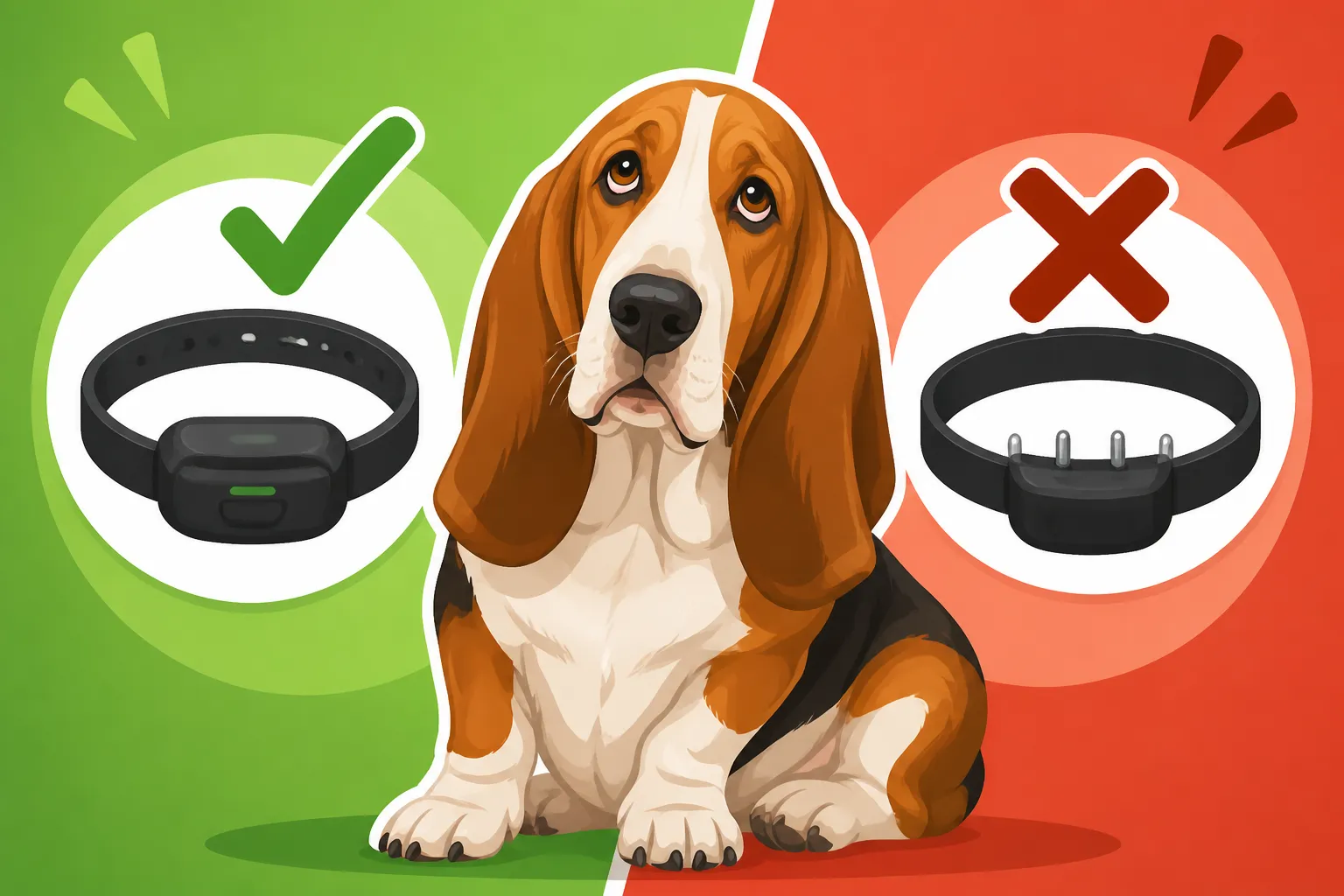
Whether a Bark Collar Belongs on a Basset Hound
The persistent baying or barking of a Basset Hound can be a real test of patience, often leaving owners at their wit's end, especially when neighbors start to complain or quiet moments become a distant memory. Many Basset parents, seeking a quick solution, turn their thoughts to bark collars, wondering if these devices are the answer to silencing the melodious, yet sometimes relentless, vocalizations of their beloved hounds. This comprehensive guide will explore the various types of bark collars, their suitability for a breed like the Basset Hound, and more humane, effective approaches to managing their vocal tendencies, helping you make an informed decision for your furry family member.
Understanding Basset Hound Vocalizations
Before we even begin to think about bark collars, it's crucial to understand why your Basset Hound is making noise in the first place. These aren't just random barks; they're deeply ingrained behaviors tied to the breed's history and purpose. Trying to stop a Basset Hound from vocalizing without addressing the underlying cause is like trying to stop a river by damming it at one tiny point – the water will just find another way around.
The Basset Hound's Natural Voice: Baying vs. Barking
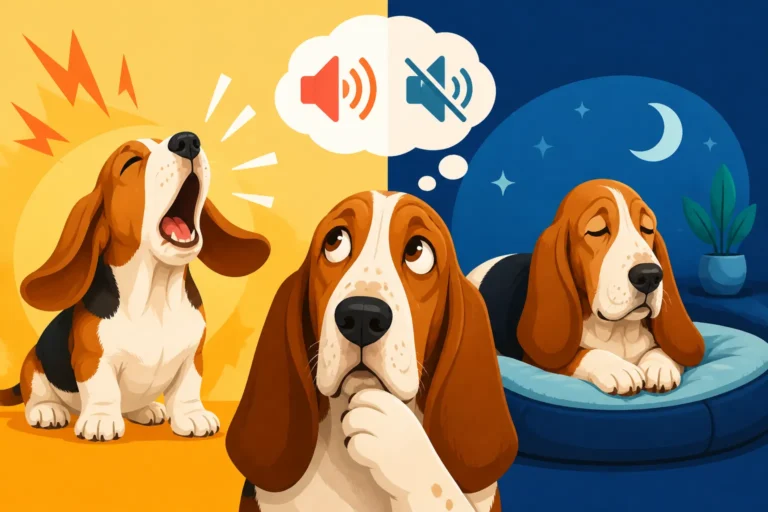
Basset Hounds are, at their core, scent hounds. They were bred for hundreds of years to follow a scent trail and alert hunters to their quarry with a distinctive, deep, mournful bay. This isn't your average "woof-woof" bark. The Basset's bay is a loud, prolonged, resonant sound that can carry for long distances. It's a communication tool, a signal that says, "I've found something! Come follow me!" This profound vocal ability is part of their charm for many, but it can quickly become overwhelming in a residential setting.
Barking, on the other hand, is often a more direct response to immediate stimuli. While a bay might be a declaration of discovery or excitement over a scent, a bark is usually more of a reaction to a sight, a sound, or a perceived threat. Understanding the difference is key because the motivation behind each vocalization type will dictate the most effective training approach. You might find your Basset bays when they're tracking an interesting smell in the yard, and barks sharply when the mail carrier approaches the door. This distinction matters because a bark collar might respond to both, even if one is more problematic than the other.
Common Reasons for Basset Hound Vocalization
Basset Hounds vocalize for a myriad of reasons, and it's rarely out of malice. Instead, it's usually rooted in their natural instincts or their environment. One of the most common reasons is simply boredom. A Basset Hound with an active mind and a strong nose needs mental stimulation. If they're not getting enough opportunities to use their incredible sense of smell, they might resort to baying or barking to entertain themselves or express their frustration. This is why giving a Basset Hound's nose something to do is so important.
Another frequent cause is separation anxiety or loneliness. Basset Hounds are social creatures who thrive on companionship. If left alone for long periods, especially without proper preparation or a gradual acclimation, they can become distressed and vocalize excessively as a way to call for their absent family. This isn't "stubbornness"; it's a genuine emotional response. Furthermore, Basset Hounds are highly alert to their surroundings. A passing squirrel, a leaf blowing across the yard, or a distant siren can all trigger a round of enthusiastic vocalization. Their deep bay also means that a Basset Hound in a House With Children might be prone to waking sleeping babies, or generally creating a lot of noise. They also react strongly to other dogs, sometimes joining in a neighborhood chorus if a dog a few houses down starts barking. These are natural instincts that require understanding and management, not just suppression.
Types of Bark Collars and How They Work
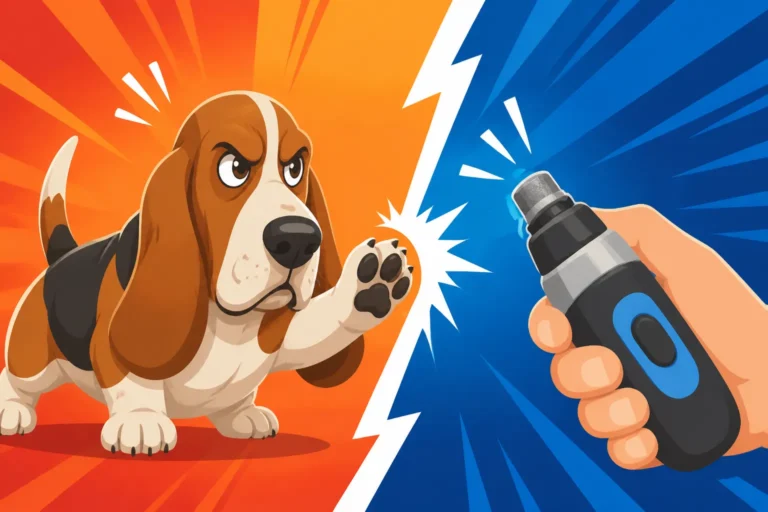
Once you've exhausted your patience and tried everything you can think of, it's easy to start researching bark collars. There's a wide range of devices on the market, each promising to curb nuisance barking, but they work in very different ways. It’s important to understand these distinctions, especially when considering a sensitive breed like the Basset Hound.
Citronella Spray Collars
Citronella spray collars are often considered one of the more humane options among bark collars. When your Basset Hound barks, a microphone in the collar detects the sound and releases a short burst of citronella spray near their muzzle. The idea is that the dog finds the smell and sensation unpleasant, and this interruption distracts them from barking. It's a startling sensation, often accompanied by a hiss of air, which can be enough to break their focus.
For some Basset Hounds, this mild aversion therapy can be effective. The spray is harmless, though some dogs find the smell quite strong. However, Bassets have a legendary nose – second only to a Bloodhound in many respects – so a smell that might be merely irritating to another breed could be intensely overwhelming and anxiety-inducing for a Basset. While a short-term deterrent, there's a risk that a highly scent-driven breed might become overly sensitive to smells or associate the unpleasant sensation with other, unrelated stimuli in their environment. It’s also important to ensure the collar fits snugly but comfortably, as a loose collar might not deploy correctly or could cause discomfort.
Vibration Collars
Vibration collars operate on a similar principle to citronella collars but use a different sensory deterrent. When the collar detects barking, it emits a vibration against the dog's neck. This vibration can range from a gentle buzz to a more insistent shake, depending on the setting and the specific device. The goal is to startle or distract the dog from their vocalization without causing physical pain.
Many owners prefer vibration collars as a training aid because they are non-aversive in the sense of pain. For a Basset Hound, the vibration can be a noticeable interruption. Some Bassets might quickly learn to associate the vibration with their barking and adjust their behavior. However, it's crucial to remember that Bassets can also be quite stoic and, dare I say, sometimes a little too good at ignoring things they don't want to engage with. What might be a strong deterrent for a high-strung breed could simply be a minor annoyance for a determined Basset, especially if they are highly motivated by a scent or deeply embedded in a baying session. There's also the risk of habituation, where the dog simply gets used to the vibration and it loses its effectiveness over time.
Ultrasonic Collars
Ultrasonic bark collars work by emitting a high-frequency sound that is typically inaudible to humans but is designed to be irritating or startling to dogs. These collars also have a microphone that picks up the dog's bark, triggering the ultrasonic blast. The idea is that the unpleasant sound will interrupt the barking behavior.
While seemingly harmless because humans can't hear it, the effectiveness and humane nature of ultrasonic collars are often debated. For a Basset Hound, whose ears are not only long and floppy but also incredibly sensitive to sound, a continuous or repeated high-pitched noise could be genuinely distressing. Whether a Basset Hound Goes Deaf From Ear Disease is a concern for some, but even healthy Bassets have acute hearing. What one dog perceives as a mild annoyance, another, especially a sensitive Basset, might experience as outright pain or intense anxiety. There's also the challenge of consistent effectiveness; some dogs quickly learn to ignore the sound, while others might become anxious and reactive to other sounds in their environment, potentially leading to more widespread anxiety rather than just reduced barking.
Static Correction Collars
Static correction collars, often referred to as "shock collars," deliver a mild electrical stimulation (a static "correction") to the dog's neck when they bark. The intensity of the static correction can usually be adjusted, with some collars offering progressive levels of stimulation. These are the most controversial type of bark collar due to the potential for pain and psychological distress.
For a breed like the Basset Hound, known for its gentle nature and sensitivity, static correction collars are generally not recommended. While the sensation is often described as a "static shock," it is designed to be unpleasant. Using a device that inflicts discomfort or pain can erode trust between you and your Basset. Instead of learning not to bark, a Basset might learn to associate the pain with other things, such as the approach of a person, another dog, or even being in the yard. This can lead to increased fear, anxiety, and potentially aggression, rather than a well-adjusted, quiet companion. When a Basset Hound struggles to stand in old age, for example, the last thing they need is a painful deterrent for normal vocalizations. Positive reinforcement is almost always the more humane and effective route for these wonderful hounds.
Considering the Pros and Cons of Bark Collars for Basset Hounds
Deciding whether to use a bark collar is a weighty decision for any dog owner, and for Basset Hound parents, it carries its own unique set of considerations. It’s tempting to look for a quick fix, especially when dealing with the powerful vocalizations of a Basset, but it’s vital to weigh the potential short-term benefits against the significant drawbacks for this particular breed.
Potential Benefits: Short-Term Solutions
In specific, desperate situations, a bark collar might offer a temporary reprieve from incessant barking. Perhaps you live in an apartment building with thin walls and a strict no-bark policy, or you have a critical, one-off event where quiet is absolutely essential. For owners feeling overwhelmed, a collar that provides an immediate, albeit superficial, reduction in barking can feel like a lifeline. These devices are designed to provide an instant consequence for barking, which, in theory, should lead to a reduction in the behavior.
For some Basset Hounds, particularly those whose barking is purely habit-based and not driven by deep-seated anxiety or boredom, a gentle deterrent like a vibration collar could potentially interrupt the pattern. The immediate feedback might cause the dog to pause and reconsider before barking again. However, it's crucial to understand that this is rarely a long-term solution and often doesn't address the root cause of the vocalization. It's more of a band-aid than a cure, and for a Basset, whose baying is so intrinsically linked to their identity as a scent hound, asking them to suppress this natural instinct without providing an alternative outlet is a big ask.
Significant Drawbacks and Risks for Basset Hounds
The drawbacks and risks associated with bark collars, especially for Basset Hounds, are substantial and often outweigh the perceived benefits. Firstly, these collars operate on the principle of aversion. While some methods are less harsh than others, they all aim to make barking an unpleasant experience. For a sensitive and emotionally deep breed like the Basset, this can lead to significant stress and anxiety. They might become fearful of the collar itself, of the environment in which they wear it, or even of the sounds that typically trigger their vocalization. This can manifest as shyness, withdrawal, or even aggression in some cases, which is completely counterproductive to fostering a happy, confident dog.
Secondly, bark collars don't teach your Basset what to do instead of barking. They only punish an undesirable behavior without offering a positive alternative. A Basset Hound might stop barking, but they could then develop other stress-related behaviors like destructive chewing, excessive licking, or pacing. If their vocalization stems from separation anxiety, a bark collar will only add to their distress without resolving the underlying emotional issue. Imagine feeling anxious and then being punished for expressing that anxiety – it only makes the anxiety worse.
Furthermore, Basset Hounds are notorious for their loose, wrinkly skin around the neck. Finding a bark collar that fits securely enough to be effective without causing chafing, irritation, or even Skin Fold Infections on a Basset Hound can be a challenge. A collar that is too tight is uncomfortable and painful, while one that is too loose won't work consistently and can rub the skin raw. Then there's the possibility of misfires. A sudden loud noise, like a car backfiring or another dog barking nearby, could trigger the collar, punishing your Basset for something completely outside of their control. This kind of indiscriminate correction can be incredibly confusing and unfair, further eroding their trust. It is always better to address issues like Whether a Basset Hound Gets Its Owner a Noise Complaint through positive means.
Alternatives to Bark Collars for Managing Basset Hound Vocalizations
Given the potential drawbacks of bark collars, especially for a sensitive and vocal breed like the Basset Hound, focusing on positive, humane training methods is almost always the better path. These approaches aim to understand and address the root cause of the barking, fostering a stronger bond and a happier, quieter hound.
Addressing the Root Cause Through Training
Effective management of Basset Hound vocalizations starts with identifying why they are barking or baying. Is it boredom? Loneliness? Alerting to passersby? Once you pinpoint the trigger, you can begin to implement targeted training. For boredom, increasing mental stimulation is key. Basset Hounds have an incredible nose, and engaging this natural talent is highly rewarding for them. Incorporate daily scent work games. Hide treats around the house, use puzzle feeders, or even invest in a snuffle mat (you can find plenty of options on Amazon) to keep their minds busy. Teaching a Basset Hound a quiet cue is also very effective. Instead of punishing barking, you teach them to be quiet on command. This involves rewarding them heavily when they are silent, especially after a period of barking, or when they respond to your "quiet" cue. BAXTER & Bella's online puppy school often advocates for these positive reinforcement methods, showing how powerful they can be without resorting to aversive tools.
If your Basset barks due to alert barking (e.g., at the mail carrier), counter-conditioning can be very helpful. When the trigger appears, distract your Basset with a high-value treat before they start barking, then reward them for being quiet. Over time, they'll learn to associate the trigger with good things happening, rather than feeling the need to vocalize. For Basset Hounds prone to separation anxiety, the solution isn't to silence them when you leave but to build their confidence in being alone gradually. This could involve short departures at first, providing engaging toys, and ensuring they have a comfortable, safe space. Addressing issues like Whether a Basset Hound Howls When Left requires patience and understanding, not punishment.
Enrichment and Exercise: Tiring Out That Nose and Mind
A tired Basset Hound is often a quiet Basset Hound. While they might seem like couch potatoes, Basset Hounds actually need consistent, moderate exercise and plenty of mental enrichment to thrive. This isn't about running miles – their short legs and long backs aren't built for high-impact activities – but rather about quality engagement. Daily walks where they can sniff to their heart's content are paramount. Allow them to explore scents, rather than rushing them along. Think of it as "nose work" rather than just a walk.
Beyond physical activity, mental stimulation is crucial. Interactive toys, treat-dispensing gadgets, and engaging in formal or informal scent work games can make a huge difference. Consider enrolling in a beginner scent work class, which can be incredibly fulfilling for a Basset and will thoroughly tire them out mentally. Providing appropriate chew toys can also help relieve stress and boredom, diverting their attention from vocalizing. A Basset Hound who has had a good "sniffari" walk and engaged in some mental puzzles is far less likely to resort to nuisance barking out of sheer boredom or pent-up energy. Remember, How Far a Basset Hound Should Walk is often less about distance and more about the quality of the sniffing experience.
Professional Guidance and Behaviorists
Sometimes, despite your best efforts, a Basset Hound's vocalization issues can be too deeply ingrained or complex for an owner to resolve alone. This is when professional help can be invaluable. A certified professional dog trainer or a veterinary behaviorist can assess your Basset Hound's specific situation, identify the underlying causes of their barking, and develop a tailored, humane behavior modification plan. They can teach you effective positive reinforcement techniques, help you manage environmental triggers, and guide you through more complex behavioral protocols if needed.
These professionals can offer personalized strategies, such as structured desensitization and counter-conditioning programs for fear-related barking, or comprehensive plans for managing separation anxiety. They can also help you rule out any underlying medical conditions that might be contributing to increased vocalization. For instance, an elderly Basset Hound with pain might vocalize more, and a vet check could reveal something like Arthritis in a Basset Hound at Seven, which needs medical attention, not a bark collar. Investing in professional guidance not only leads to a more effective and lasting solution but also strengthens the bond between you and your Basset Hound, based on trust and understanding rather than fear or discomfort.
Conclusion
The thought of using a bark collar on your Basset Hound often comes from a place of genuine frustration and a desire for peace in your home and neighborhood. While the appeal of a quick fix is undeniable, it's essential to remember that Basset Hounds are deeply sensitive, intelligent, and instinct-driven animals. Their vocalizations, whether a booming bay or a sharp bark, are a fundamental part of who they are and almost always rooted in an underlying need or emotion. Applying an aversive device without understanding and addressing that root cause can lead to more problems than it solves, fostering anxiety and eroding the trust between you and your beloved companion.
Instead, let's lean into what makes Basset Hounds so special: their incredible noses, their need for connection, and their desire to communicate. By investing time in positive reinforcement training, providing ample mental stimulation through scent work, ensuring they get appropriate exercise, and seeking professional guidance when needed, you can teach your Basset Hound more appropriate ways to express themselves. This humane approach not only helps manage their vocalizations effectively but also nurtures a happier, more confident Basset Hound who feels understood and cherished, proving that a bark collar rarely belongs on a Basset Hound's neck.
Disclaimer
This article is for general informational purposes only and does not constitute professional advice. Laws, prices and regulations vary by location and change over time. Consult a qualified professional for guidance on your specific situation.