Whether a Basset Hound Gets Car Sick
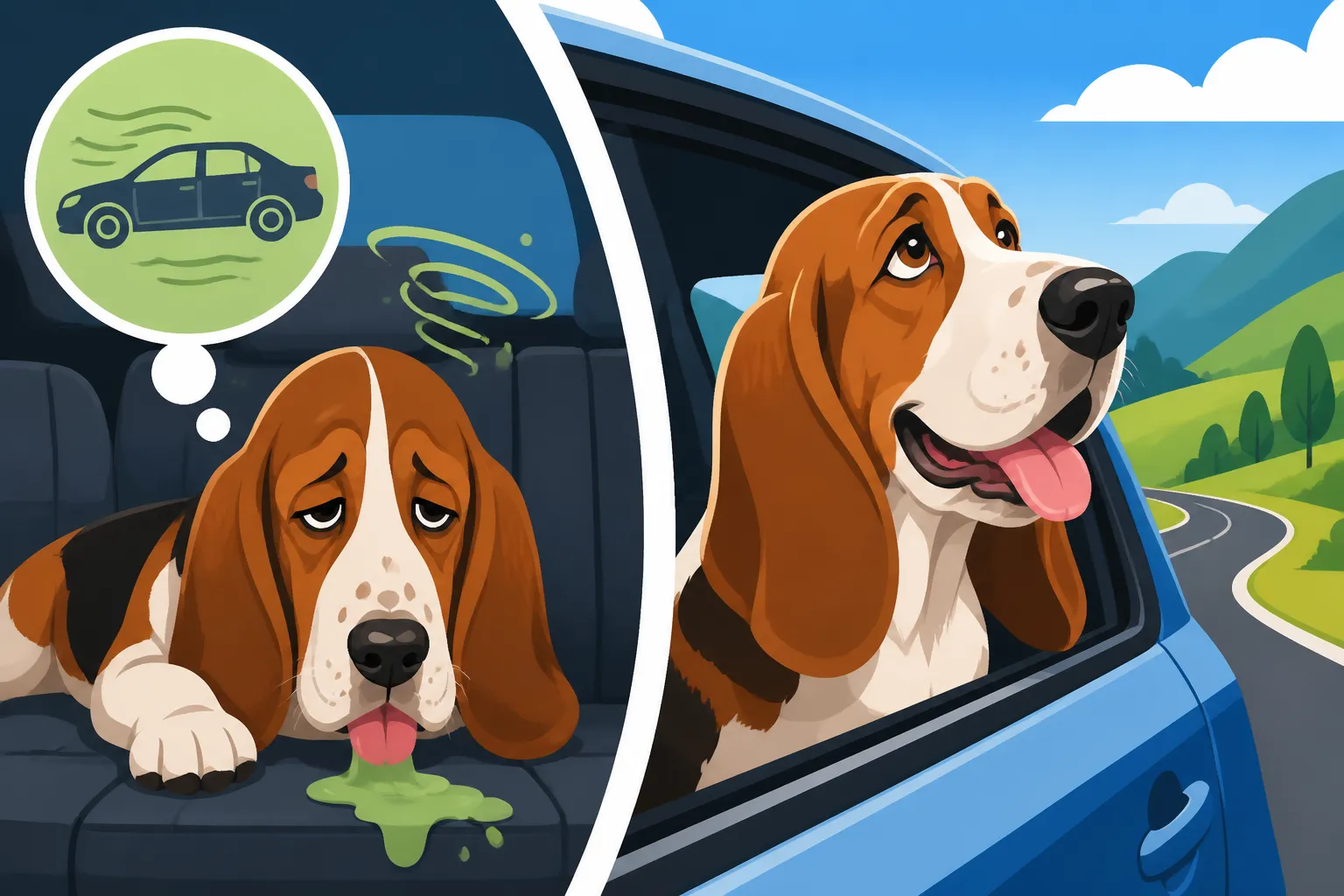
There's nothing quite like packing up the car for an adventure, whether it's a short trip to the vet or a longer journey to a beloved park or family gathering. But for many Basset Hound owners, the thought of car travel quickly turns into a pit in their stomach, often mirroring the queasiness their floppy-eared companions experience. The reality is, a good number of Basset Hounds do get car sick, and it's a truly miserable experience for everyone involved. The drooling starts, then the anxious whining, and before you know it, you're pulling over for a cleanup that nobody wants. This guide is here to help you understand why your Basset Hound might be feeling under the weather on wheels and, more importantly, what practical steps you can take to make car rides a much smoother, happier experience for both of you.
Understanding Why Basset Hounds Get Car Sick
It's easy to dismiss car sickness as simply a delicate stomach, but there's often a lot more going on beneath the surface for our Basset Hounds. Their unique physiology, combined with their sensitive natures, can make them particularly susceptible to the rocking and rolling of a car journey. It’s not always just a tummy ache; it can be a complex mix of physical sensations and emotional responses.
The Inner Ear and Motion Sickness
At the heart of motion sickness for any creature, including our Basset Hounds, is the vestibular system located in the inner ear. This system is crucial for balance and spatial orientation. When your Basset Hound is in a car, their eyes might see a static interior, but their inner ear detects the constant motion, acceleration, deceleration, and turns. This creates a sensory mismatch—the eyes say one thing, the inner ear says another—and this confusion is what triggers the feeling of nausea.
For a Basset Hound, with their distinctive heavy head and long, low-slung body, this can sometimes be even more pronounced. While their ears are famous for being long and luxurious, it's the inner ear that's responsible here, and that's not something we can visually inspect. The way their body moves in relation to their head might contribute to this sensory conflict. Think about how a human might feel seasick on a rocking boat; it's a similar principle at play for your Basset Hound, and their anatomical structure doesn't necessarily make them immune, and in some cases, might even exacerbate it.
Beyond the physical mechanics, the actual movement of air and pressure changes within the car can also play a subtle role. If your Basset Hound is positioned such that they're getting a lot of direct wind or fluctuating air pressure, this might add to the sensory overload without them even realizing it. Maintaining good, stable airflow can sometimes be a small but mighty change.
Anxiety and the Car Environment
Sometimes, car sickness isn't purely about the physical sensation of motion; it's deeply rooted in anxiety or fear. For many dogs, the car is inextricably linked to negative experiences, like trips to the vet or being left alone in an unfamiliar place. If your Basset Hound has learned to associate the car with something unpleasant, their stress levels will skyrocket the moment they step (or are lifted) inside. This emotional distress can then manifest as physical symptoms, including nausea and vomiting.
Consider your Basset Hound's past experiences. Was their first few car rides stressful? Did they only go in the car for shots or unpleasant grooming experiences? These early associations are incredibly powerful. A Basset Hound's sensitive nature means they can pick up on subtle cues, and if they sense your own apprehension about the upcoming journey, it can amplify their stress. It's a vicious cycle where anxiety leads to sickness, which then reinforces the anxiety.
Lack of proper socialization to car travel as a puppy can also contribute. If a Basset Hound wasn't gradually introduced to cars as a young dog, they might view the vehicle as a big, scary, moving box. Their natural inclination to Whether a Basset Hound Still Hunts means they thrive on predictable environments and routines, and a car can be anything but. Helping them see the car as a neutral or even positive space is key, and this often involves more than just a quick walk around the block.
Dietary Factors and Timing
What and when your Basset Hound eats before a car trip can significantly impact whether they get car sick. A full stomach, especially with a rich or heavy meal, is far more likely to lead to vomiting than an empty or lightly fed one. The jostling motion of the car can churn that food around, making any existing nausea much worse. Imagine trying to read in a car after a big meal – it’s a similar, uncomfortable feeling for your dog.
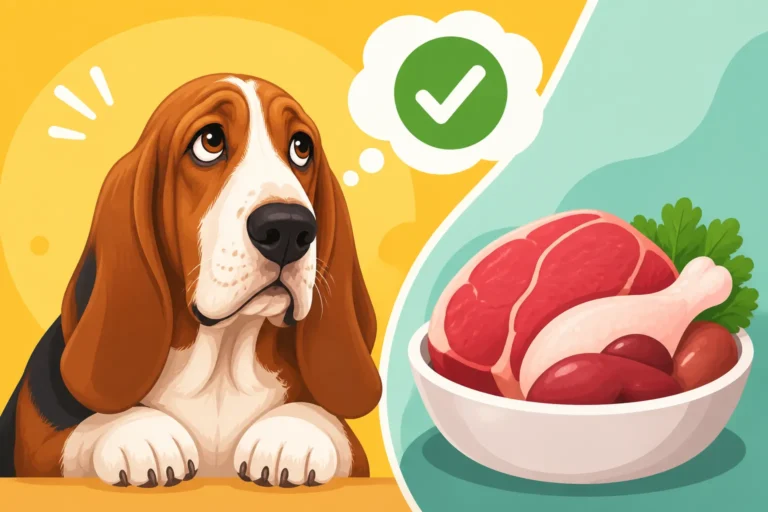
It’s generally recommended to avoid feeding your Basset Hound a large meal in the hours immediately preceding car travel. Some owners find that a completely empty stomach is best, while others opt for a very light, bland snack, like a few plain biscuits or a small piece of cooked chicken, a couple of hours before departure. This provides something for the stomach to work on but isn't enough to cause major issues if they get nauseous.
Hydration also plays a role. While a large quantity of water right before a trip might seem like a good idea, it can also lead to a full bladder and stomach discomfort. Offer water a few hours before, and then small sips during breaks, rather than letting them guzzle down a large amount. Balancing food, water, and timing is a crucial part of managing car sickness, and it's definitely something that requires a bit of trial and error to find what works best for your individual Basset Hound.
Recognizing the Signs of Car Sickness in Your Basset Hound
Before your Basset Hound ends up throwing up in the back seat, they often give off subtle clues that they're not feeling well. Learning to spot these early warning signals can make a huge difference, allowing you to intervene and potentially prevent a full-blown incident. Our Bassets might be stoic, but their bodies speak volumes.
Subtle Early Warning Signals
The very first signs of car sickness in a Basset Hound often involve an increase in drooling. Basset Hounds are known for their drool anyway, but if you notice it's excessive, stringy, or frothy, particularly when they're usually dry-mouthed, that's a big red flag. They might also start lip licking or swallowing frequently, trying to manage the increased saliva production. This is their body's automatic response to feeling nauseous, a precursor to vomiting.
Another common early sign is restlessness or mild agitation. Your usually calm Basset Hound might start to shift positions repeatedly, pant slightly more than usual, or let out small whines or grumbles. They might stare out the window with a fixed gaze, or conversely, try to hide their head. Think about Whether a Basset Hound Whines for Food; this kind of vocalization can escalate to something more distressed if the sickness progresses. This restlessness isn't boredom; it's a clear indication that they are uncomfortable and trying to find a position that alleviates their growing nausea.
Yawning, surprisingly, can also be an early indicator of stress and discomfort in dogs, not just tiredness. If your Basset Hound is yawning repeatedly and it doesn't seem linked to just waking up or settling down, especially in the car, it could be a sign of anxiety and impending car sickness. Paying close attention to these seemingly minor changes in behavior can give you the precious moments needed to pull over or administer relief before things get truly messy.
Overt Symptoms
Once those subtle signs are missed or ignored, the overt symptoms of car sickness usually make themselves undeniably clear. The most obvious, and unfortunately most common, is vomiting. This can range from a small amount of foamy bile to a full expulsion of stomach contents. It’s not pleasant for anyone, and it’s a clear sign your Basset Hound is beyond just feeling a little off.
Beyond vomiting, you might notice more intense behavioral changes. Your Basset Hound might start pacing frantically in the car (if they have space), exhibiting heavy, rapid panting even if the temperature is cool, or continuous loud whining and even howling. They might press themselves against you or try to burrow into a blanket or corner, seeking comfort. This extreme distress isn't just about discomfort; it indicates significant nausea and anxiety. Whether a Basset Hound Bays Indoors usually describes a different kind of vocalization, but this anxious whining and baying in the car is distinctly about their distress.
In some severe cases, a Basset Hound might also experience diarrhea, though vomiting is far more common. They might become completely unresponsive, lying listlessly, or shake uncontrollably. These are all signs that your dog is truly miserable and needs immediate relief. If you see these signs, it's time to stop the car, let them out for a break, and reassess the situation.
Behavioral Changes Post-Journey
The effects of car sickness don't always end when the car stops moving. Many Basset Hounds who suffer from motion sickness will show lingering behavioral changes even after the journey is over. They might be lethargic, sleeping more than usual, or seem unusually quiet and withdrawn. It takes time for their body and mind to recover from the ordeal.
A strong aversion to food and water is another common post-sickness symptom. Even if your Basset Hound is usually Whether a Basset Hound Eats Things Off the Ground or Whether a Basset Hound Begs Constantly, they might turn their nose up at their dinner or even favorite treats after a bad car ride. This loss of appetite can last for several hours, or even a full day, depending on the severity of their sickness. It's a sign that their stomach is still unsettled and they're still feeling quite poorly.
Perhaps the most heartbreaking post-journey change is an increased aversion to the car itself. Your Basset Hound might actively resist getting into the vehicle, pulling back on the leash, or even trying to hide. This reinforces the cycle of anxiety we discussed earlier. It becomes clear that the car is no longer a neutral space but a source of dread. Addressing these post-journey behaviors is just as important as managing the sickness during the ride, as it speaks to the emotional trauma they've experienced.
Practical Strategies for Preventing and Managing Car Sickness
The good news is that car sickness isn't necessarily a life sentence for your Basset Hound. There are many strategies you can employ to minimize its effects, or even prevent it altogether. It often requires patience, consistency, and a multi-faceted approach, but the payoff of a happy travel companion is truly worth it.
Gradual Desensitization and Positive Association
One of the most effective long-term strategies is to gradually desensitize your Basset Hound to the car and build positive associations. Start small: don't even turn on the engine. Just open the car door and let your Basset Hound sniff around. Offer high-value treats and praise for simply approaching the car. Do this for a few minutes, several times a day, until they seem comfortable. A good brand for high-value treats is Ollie, with their fresh, human-grade options often being irresistible.
Next, have them sit in the car with the engine off. Again, offer treats and praise. Don't close the door if they're nervous. Slowly build up to closing the door, then starting the engine for a few seconds, then backing out of the driveway, and finally, very short trips around the block. Always make the experience positive, ending before they show signs of distress. This process can take weeks or even months, but it's crucial for breaking the negative association. Think of it like training a Basset Hound to have its ears handled – it's all about positive reinforcement and baby steps.
The goal is for your Basset Hound to associate the car with good things: treats, praise, and eventually, fun destinations like the park or a visit with favorite people. Avoid making the first "real" car trips to the vet; instead, go somewhere genuinely exciting. This helps rewrite their mental script about car travel, transforming it from a scary experience into something to anticipate positively. Consistent, patient effort here makes all the difference in the world.
Environmental Adjustments in the Vehicle
Making some simple adjustments to the car environment can also dramatically reduce car sickness. Firstly, good ventilation is key. Crack a window a few inches to allow fresh air to circulate, but not so much that strong winds are buffeting your Basset Hound directly. The cool air can help with nausea and keep them from overheating, which can exacerbate sickness.
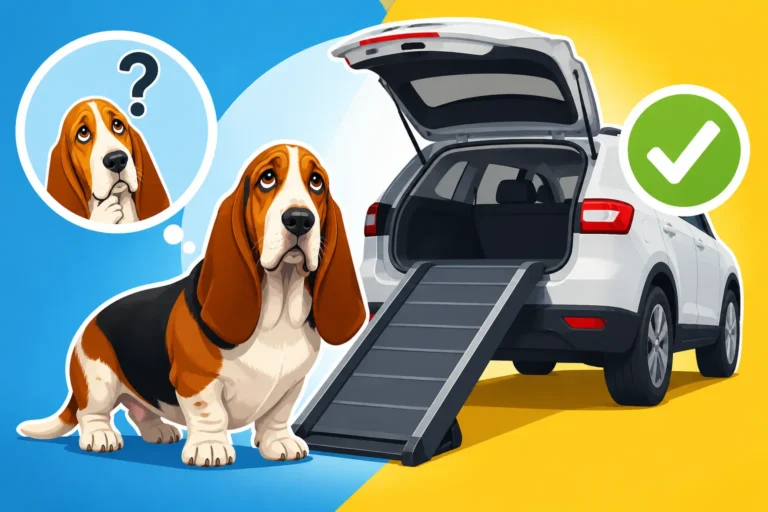
Consider how your Basset Hound is positioned. Many dogs feel less sick if they can see out the window, but too much visual stimulation can also be overwhelming. Try a car seat or booster that allows them to look out comfortably, or alternatively, a crate that limits their view to a more stable interior. A sturdy, well-secured crate, placed across the back seat or in the cargo area, can also minimize movement and provide a sense of security. Ensure the crate is large enough for them to stand and turn around comfortably, but not so big that they slide around in it. You can find a good range of reliable car crates on Amazon.
Always ensure your Basset Hound is safely restrained, whether in a crate or with a crash-tested seatbelt harness. Not only is this for safety, but it also prevents them from being thrown around with the car's motion, which can certainly worsen nausea. Some dogs benefit from having a familiar blanket or their favorite toy in the car, as these items carry comforting scents and can help reduce anxiety, just like when they are home. What a Basset Hound Needs Every Day often includes a safe, comforting space, and the car should replicate this as much as possible.
Dietary Management and Travel Preparations
Careful management of your Basset Hound's diet before and during travel is paramount. As mentioned earlier, avoid feeding a large meal 3-4 hours before a trip. For short journeys, an empty stomach might be ideal. For longer trips, a small, bland snack (like a few pieces of plain chicken or rice) about two hours prior might be tolerated better than an empty stomach or a full one. This gives their system something light to process without being too heavy.
During the journey, frequent breaks are essential, especially for longer drives. Pull over every 1-2 hours to allow your Basset Hound to stretch their legs, relieve themselves, and have a small drink of water. This helps prevent a full bladder adding to their discomfort and breaks up the continuous motion that triggers nausea. Offer small sips of water during these stops, rather than letting them drink a large amount at once.
If your Basset Hound tends to bolt their food, consider using a slow feeder or puzzle toy for their light pre-travel snack. This ensures they don't ingest food too quickly, which can contribute to an upset stomach. You can find excellent slow feeder bowls and travel-friendly water dispensers on Chewy. Remember that consistency is key here, and what works for one Basset Hound might need slight adjustments for another.
When to Seek Veterinary Advice and Medication Options
Despite your best efforts with behavioral training and environmental adjustments, some Basset Hounds may still struggle with car sickness. In these cases, it's time to consider medical interventions, but always in consultation with your veterinarian. Self-medicating your dog can be dangerous, so professional guidance is essential.
Discussing Over-the-Counter Remedies
Before jumping to prescription medications, you might want to discuss milder, over-the-counter options with your vet. Many owners have found success with natural remedies like ginger. Ginger has anti-nausea properties and can be given in various forms, such as a small ginger biscuit or a ginger capsule (make sure it's pure ginger and vet-approved dosage). It's important to understand that ginger might work for mild cases but isn't a guaranteed solution for severe motion sickness.
Pheromone sprays or diffusers, like Adaptil, are another popular choice. These products release synthetic dog appeasing pheromones, which can have a calming effect on anxious dogs. Spraying a bit on a blanket in the car or on their car seat an hour before travel can help reduce the anxiety component of car sickness. Again, these are best used as part of a multi-faceted approach rather than a standalone cure. You can often find calming treats and sprays from reputable brands on Chewy or Amazon, but always double-check with your vet before introducing new supplements.
Calming supplements, often containing ingredients like L-tryptophan, thiamine, or CBD, are also available. While some owners report success, their efficacy can vary widely between individual dogs. Your vet can advise on suitable brands and dosages, and help you determine if these are appropriate for your Basset Hound, especially if they have any underlying health conditions. Remember, these are meant to support calmness, not sedate, and may not fully address the physical aspects of motion sickness.
Prescription Medications from Your Vet
For Basset Hounds with moderate to severe car sickness, prescription medications are often the most effective solution. Your veterinarian can prescribe anti-nausea drugs specifically formulated for dogs. These medications work by targeting the parts of the brain that control vomiting, effectively preventing the nausea from escalating. They are typically given an hour or so before travel and can make a huge difference in your dog's comfort.
In some cases, if anxiety is a major contributing factor, your vet might also suggest a mild sedative or anti-anxiety medication. These are usually short-acting and designed to take the edge off their stress during travel, rather than making them completely drowsy. This can be particularly helpful if your Basset Hound experiences extreme panic in the car, beyond just feeling sick. It's important to use these precisely as directed by your vet, as improper dosing can lead to adverse effects.
It's crucial to have a thorough discussion with your vet about potential side effects of any medication, and to find the right balance for your Basset Hound. Every dog reacts differently, and it might take a bit of adjustment to find the optimal plan. Don't be afraid to ask questions about how the medication works, how long it lasts, and what to do if you observe any unusual reactions.
Long-Term Management and Quality of Life
Living with a Basset Hound who gets car sick can be challenging, but it doesn't mean you have to give up on travel altogether. Long-term management involves a combination of the strategies discussed: consistent positive reinforcement, environmental control, careful feeding, and, if necessary, appropriate medication. Regular check-ups with your vet are important to rule out any other underlying health issues that might be contributing to their nausea, such as gastrointestinal problems or ear infections, which can sometimes mirror or exacerbate motion sickness.
The ultimate goal is to improve your Basset Hound's quality of life and make car travel less stressful for everyone. This might mean only taking necessary trips, or it might mean equipping them with the tools and medications they need to enjoy family adventures. For an old Basset Hound, car sickness can become more pronounced, and their comfort should always be a priority. The Old Basset Hound That Cannot Get Off the Floor may struggle more with car travel due to mobility issues adding to their discomfort.
Be patient, be persistent, and always prioritize your Basset Hound's comfort and well-being. A happy, non-nauseous travel companion makes every journey a better one.
Disclaimer
This article is for general informational purposes only and does not constitute professional advice. Laws, prices and regulations vary by location and change over time. Consult a qualified professional for guidance on your specific situation.