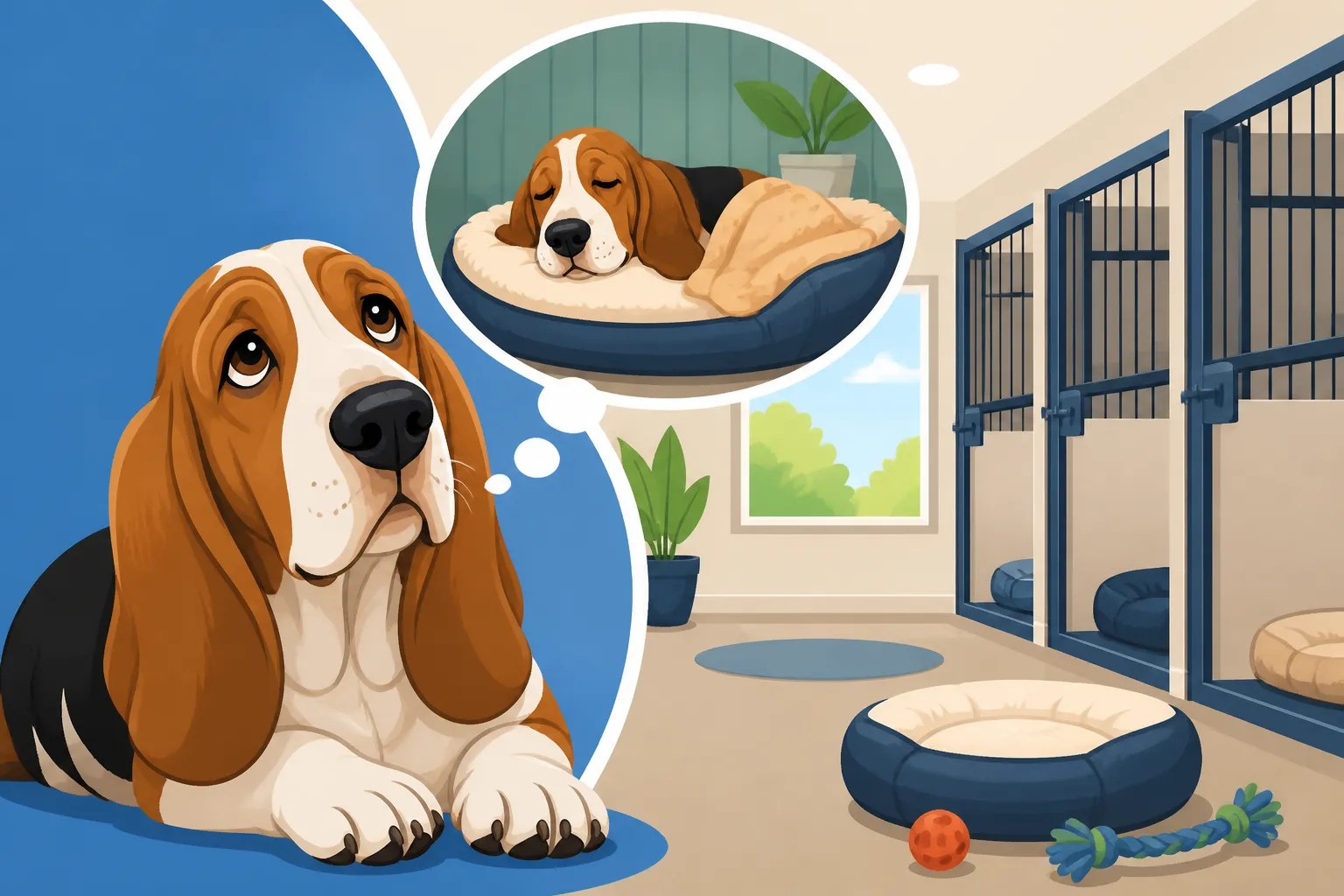
Whether a Basset Hound Settles at a Boarding Kennel
It’s a common worry for us Basset Hound parents: you're planning a trip, and suddenly that nagging thought pops up – "Will my sweet, sensitive Basset actually settle at a boarding kennel?" It’s a completely valid concern, because while these hounds are famously laid-back, their deep attachments and love of routine can make the idea of a temporary change of scenery a little daunting. This guide is here to walk you through what to expect, how to prepare, and what options you have to ensure your Basset Hound's time away from home is as stress-free as possible.
Understanding the Basset Hound Temperament and Kennel Environment
Basset Hounds are truly unique characters, aren't they? Their gentle nature, incredible sense of smell, and those soulful eyes capture our hearts. But these very traits can also dictate how they react to new environments like a boarding kennel. It’s not just about finding a place; it's about understanding how that place interacts with the very core of your Basset’s being.
The Basset Hound's Social Nature
Our Basset Hounds are, at their heart, pack animals. They thrive on companionship, whether it's with their human family or other canine pals. This isn't just a preference; it's ingrained in their history as hunting hounds who worked in groups. When they're suddenly removed from their familiar 'pack' and placed in a new setting, even one filled with other dogs, it can be a significant emotional shift for them. They often form very strong bonds with their primary caregivers, and separation from that bond can lead to feelings of anxiety or confusion, much like a child might feel when dropped off at a new school. They might not show it with frantic barking or destructive behavior, but rather with quiet withdrawal or a lack of interest in food, which can be heartbreaking for any owner to imagine.
Imagine your Basset, usually lounging contentedly on the sofa, suddenly finding themselves in a run with concrete floors and a chorus of unfamiliar barks from other dogs. Their usual sense of security, their spot by your feet, or their routine belly rubs are gone. While some Bassets are naturally more gregarious and might quickly make friends, many others will initially feel quite lost. They might spend a lot of time sniffing the ground, trying to process all the new scents, which can be overwhelming when combined with a sudden lack of familiar human contact. It's a testament to their sensitive souls that they feel these changes so deeply.
Sensitivity to Change and Routine
Basset Hounds are creatures of habit. They love their schedule – the morning stretch, the breakfast bell, the mid-day snooze in their favorite sunbeam, the evening walk. Disruptions to this predictable rhythm can be unsettling for them. A boarding kennel, by its very nature, operates on its own schedule, which might be very different from what your Basset is used to. Meal times, potty breaks, and playtime might occur at different hours, and the people providing these services are strangers. This shift isn't just a minor inconvenience for a Basset; it can be a source of stress, especially for those hounds who are particularly sensitive or prone to anxiety.
Think about how you feel when your own routine is completely upended – it can be disorienting, right? For a Basset Hound, whose world often revolves around the comfort of predictability, this can be even more pronounced. The sounds of unfamiliar dogs, the smells of a different environment, and the absence of their personal space can all contribute to a feeling of being out of sync. Some Bassets might react by refusing to eat, by pacing, or by simply lying down and appearing depressed. It’s not about being "stubborn," as some might perceive it; it's a genuine expression of their discomfort with such a significant change. Understanding this inherent need for routine is crucial when considering any boarding option.
Factors Influencing a Basset Hound's Adjustment to Boarding
Not all Basset Hounds are created equal when it comes to adapting to new situations. Just like people, they have individual personalities and past experiences that shape their responses. Several key factors play a significant role in how well your Basset Hound will settle into a boarding kennel environment.
Prior Socialization and Exposure
A Basset Hound who has been well-socialized from a young age and exposed to various sights, sounds, people, and other dogs tends to adjust more easily to new situations. If your Basset puppy attended Training classes cost a Basset Hound owner and frequently visited dog-friendly places, met new people, or even had short stays at a friend's house, they're likely to be more resilient when facing a kennel stay. These early experiences teach them that new things aren't necessarily scary and that their humans always come back. A hound that has always been isolated, however, might find the kennel environment, with its constant sensory input, incredibly overwhelming.
Consider a Basset that spent its formative months going to puppy classes, regularly visited a busy park, and had sleepovers at Grandma's house. This hound has built up a toolkit of coping mechanisms for novelty. When dropped off at a kennel, they might still be a little nervous, but they'll likely recover quicker, curious about the new smells and perhaps even engaging with staff or other dogs. On the flip side, a Basset whose only world has been their quiet home might view the kennel as a frightening place. The sudden onslaught of new smells, barks, and human interactions can send them into a state of anxiety. It's truly about the foundation you've helped them build.
The Quality of the Boarding Facility
This is perhaps one of the most critical factors. Not all kennels are created equal, and what works for a high-energy Labrador might not suit a sensitive Basset Hound. Look for a facility that understands scent hounds specifically. Do they have large, secure runs? Do they offer individual playtime or group play tailored to temperament? What is their staff-to-dog ratio? Are the staff attentive and do they genuinely seem to care about the animals, rather than just going through the motions? A good kennel will prioritize cleanliness, safety, and providing mental and physical stimulation, even if it's just a quiet cuddle session for a nervous Basset.
A top-notch boarding kennel understands that a Basset Hound might not be keen on boisterous group play but would absolutely adore a sniff walk around a secure yard, following an interesting trail. They might offer cozy beds (perhaps ones you can even bring from home to carry a familiar scent), calming music, or individual attention for a nervous dog. Some facilities even have cameras so you can check in on your furry friend, which can bring immense peace of mind. Conversely, a kennel that offers little more than a cage and a few potty breaks a day is unlikely to provide the comfort and security a Basset Hound needs to settle, potentially leading to increased stress and even minor health issues. Always ask for a tour and meet the staff beforehand.
Your Basset Hound's Individual Personality
Every Basset Hound has their own unique quirks and personality traits. Some are true social butterflies, happy to greet anyone and make new friends, while others are more reserved, preferring the quiet company of their trusted humans. A naturally confident and adaptable Basset might take a new environment in stride, curious about what's next. A shy or anxious Basset, however, might struggle significantly, becoming withdrawn, refusing food, or even experiencing stress-related digestive upset. It's vital to be honest with yourself about your own dog's specific temperament.
Think about how your Basset reacts to visitors in your home. Do they immediately offer a friendly sniff and a tail wag, or do they retreat to their bed and observe from a distance? If they're prone to Whether a Basset Hound gets separation anxiety even when you just go to the grocery store, a longer kennel stay will undoubtedly be harder for them. Owners often know their dogs best, and listening to that intuition is key. If your Basset is particularly sensitive to loud noises, for example, a busy kennel might be a sensory overload. If they are very bonded to one person, they might pine for that individual. Recognizing these individual traits allows you to make the most informed decision, not just about if they'll settle, but where and how they'll settle.
Strategies to Help Your Basset Hound Settle in a Kennel
So, you’ve decided a boarding kennel is the best option for your Basset Hound, or perhaps it's the only practical choice for your travel plans. Don't despair! There are many proactive steps you can take to make the transition smoother and help your beloved hound feel as comfortable and secure as possible during their stay.
Preparing for Boarding: Before You Go
Preparation is truly your best friend when it comes to kennel stays for Basset Hounds. It starts long before you pack your own suitcase. Firstly, if possible, schedule a few short "practice stays" at the chosen kennel. Even a few hours of doggy daycare or an overnight trial run can work wonders. This allows your Basset to get familiar with the smells, sounds, and staff, and most importantly, learn that you do come back. It also gives you a chance to see how they truly react in that specific environment when you're not there.
Next, gather all their creature comforts. Bring their own food – suddenly changing diets can cause digestive upset, and consistency helps. Many kennels require you to bring your own food anyway, so if you're exploring options like Ollie fresh food or a specific kibble you buy from Chewy, make sure you pack enough for the duration of their stay, plus a little extra. Include a favorite blanket or bed from home that smells like you and your house. This familiar scent can be incredibly calming. Some owners even leave an old, unwashed t-shirt with their scent on it. Clearly label everything, and make sure the kennel staff understands the importance of these comfort items for your Basset. Don't forget their regular medications if they have any, clearly labeled with dosage instructions.
During the Stay: What the Kennel Can Do
Once your Basset is settled in (or trying to settle in) at the kennel, communication with the facility is key. A good kennel will provide regular updates, perhaps even photos or videos, to reassure you. Don't be afraid to ask for these. You can also specifically request that the staff engage with your Basset in ways that suit their personality. For instance, instead of rowdy group play, perhaps your Basset would prefer a quiet, individual leash walk where they can indulge their love of sniffing. This satisfies their natural instincts and offers gentle exercise without overwhelming them. How far a Basset Hound should walk is usually not as far as other breeds, so a gentle sniffari is often ideal.
Encourage the kennel to maintain as much of your Basset’s routine as possible. While they can't replicate your home life exactly, they can often schedule meals and potty breaks at similar times to what your dog is used to. Ask about enrichment activities. Some kennels offer puzzle toys or KONGs stuffed with treats, which can be a great way to provide mental stimulation and distract a nervous Basset. You might even purchase a favorite puzzle toy from Amazon beforehand and send it with your hound. Regular, calm human interaction, even just sitting quietly with your Basset, can make a huge difference in their ability to cope and settle, reminding them that they are still cared for.
Post-Boarding Adjustment
When you finally pick up your Basset Hound, be prepared for some adjustment period back at home. They might be overly excited, clingy, or even a little withdrawn. It’s not uncommon for dogs to sleep a lot or experience a mild change in appetite or bowel movements for the first day or two after coming home. This is often due to the stress of the new environment and the excitement of being reunited with you. Offer them their familiar food and water in their usual bowls, and let them decompress in their own space.
Avoid overwhelming them with too much excitement or activity right away. A quiet walk in a familiar place might be welcome, but a trip to a bustling dog park might be too much too soon. Give them time to settle back into their routine and reconnect with their home environment. Most Basset Hounds will quickly rebound, but some might need a few days to fully relax. If you notice persistent changes in behavior or appetite, a quick call to your vet is always a good idea, just to rule out any underlying issues that might have been triggered by the stress.
Alternatives to Traditional Boarding for Basset Hounds
Sometimes, despite your best efforts, a traditional boarding kennel just isn't the right fit for your particular Basset Hound. Perhaps they're too anxious, too bonded, or you simply prefer a more personalized approach. Thankfully, there are several excellent alternatives that might provide a more comfortable and less stressful experience for your furry family member.
In-Home Pet Sitters
For many Basset Hound owners, an in-home pet sitter is the ideal solution. This option allows your Basset to remain in their familiar surroundings, adhering to their regular routine, and sleeping in their own bed. A pet sitter can come to your home multiple times a day to feed, walk, administer medication, and provide companionship, or even stay overnight. This minimizes disruption to your Basset's world, which is especially beneficial for those sensitive hounds who struggle with change. It also ensures they receive one-on-one attention, which is often crucial for a dog as people-oriented as a Basset.
The benefits of a pet sitter extend beyond just comfort for your Basset. They also provide security for your home, collecting mail, watering plants, and giving the impression that someone is home. When looking for a pet sitter, seek out individuals or services with excellent references, insurance, and experience with scent hounds. Schedule a meet-and-greet beforehand to ensure your Basset gets along with the sitter and that you feel comfortable with them in your home. Discuss your Basset's specific needs, including any health concerns like The back trouble a Basset Hound is built into or The Ear Infections That Never Really Leave a Basset Hound, and provide detailed instructions for their care.
Doggy Daycare with Overnight Stays
Some facilities offer doggy daycare services that include overnight boarding, but in a more homelike or less traditional kennel setting. These can be particularly good for Bassets who genuinely enjoy the company of other dogs and thrive in a more social, supervised environment during the day. Often, these places have smaller groups of dogs, more structured playtimes, and comfortable sleeping arrangements that feel less institutional than a large kennel. The key here is the "daycare" aspect: your Basset spends their days playing and interacting, rather than being confined for long periods.
However, it's essential to assess your Basset's suitability for this option carefully. While some Bassets enjoy social interaction, too much rambunctious play can be overwhelming, especially for their sensitive joints and short legs. Ensure the facility offers different play groups based on size, energy level, and temperament, and that there are opportunities for quiet time. If your Basset isn't particularly outgoing with other dogs, or if they prefer human company above all else, this might still be too much. Always ask for a trial day (or two!) to see how your Basset handles the constant interaction and the overnight component before committing to a longer stay.
| Boarding Option | Pros for a Basset Hound | Cons for a Basset Hound | Key Considerations |
|---|---|---|---|
| Traditional Kennel | Structured environment, often less expensive | Can be loud, unfamiliar smells, disruption of routine | Look for quiet areas, individual attention, outdoor sniff time, experienced staff. |
| In-Home Pet Sitter | Stays in familiar environment, maintains routine, one-on-one attention | Less social interaction with other dogs, can be more costly | Vet references, insurance, experience with Bassets, good chemistry with your dog. |
| Doggy Daycare w/ Overnights | Social interaction, supervised play, potentially less confinement | Can be overstimulating, too much rough play for joints, less one-on-one attention | Separate play groups, quiet areas, staff who understand Basset needs, trial stays. |
| Friend/Family Care | Familiar faces, home environment | Potential for disrupted routine, friend's responsibility | Ensure they understand Basset care (e.g., The Twice Weekly Ear Ritual a Basset Hound Owner Signs Up For, Keeping a Basset Hound at Its Correct Weight), fair compensation. |
Remember, your Basset Hound is an individual, and what works for one might not work for another. Don't be afraid to explore all your options and choose the one that truly feels best for your beloved companion.
Disclaimer
This article is for general informational purposes only and does not constitute professional advice. Laws, prices and regulations vary by location and change over time. Consult a qualified professional for guidance on your specific situation.