Whether a Basset Hound Begs Constantly
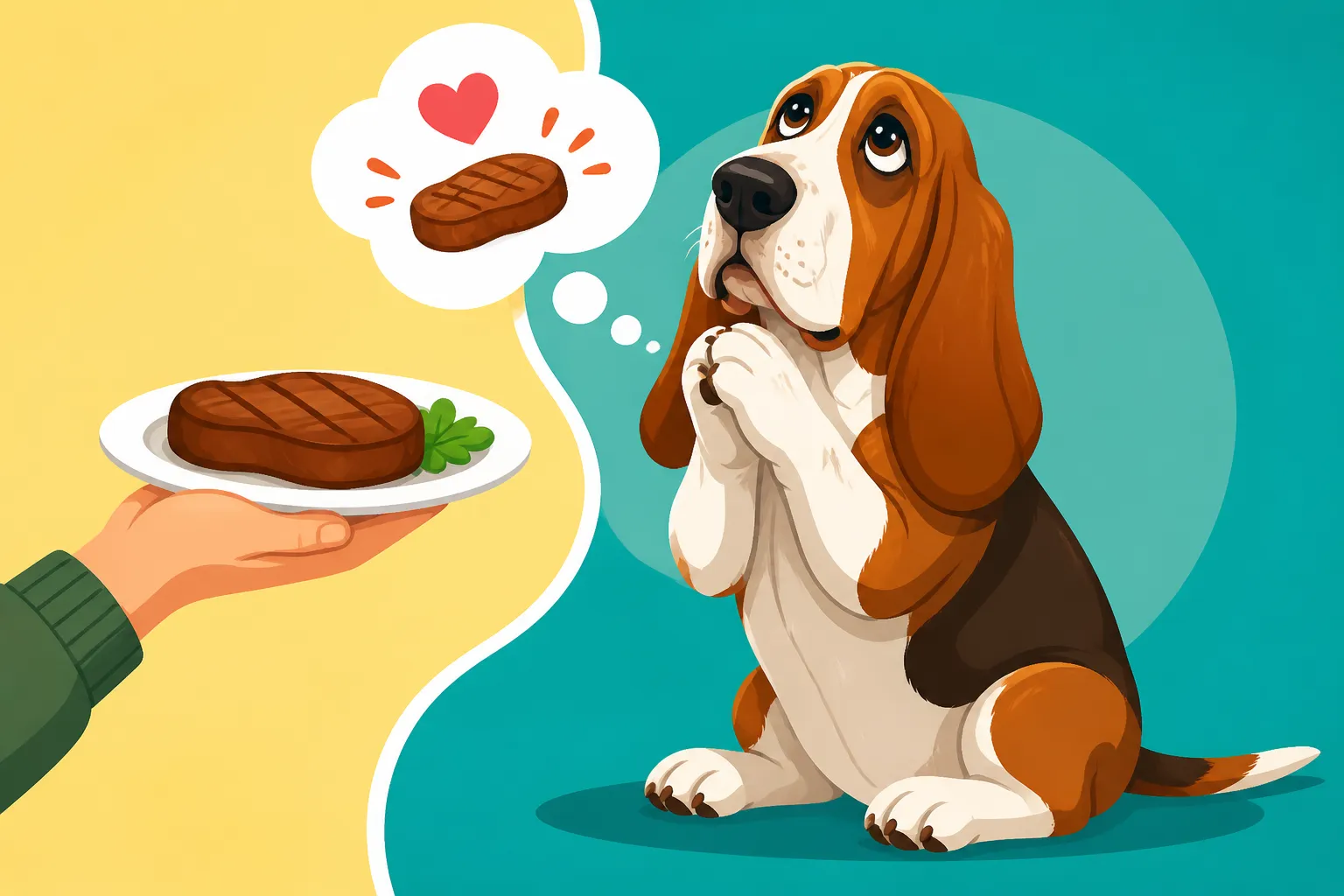
Oh, the infamous Basset Hound begging! If you're currently reading this with a pair of soulful, droopy eyes fixed on your dinner plate, or perhaps feeling a soft, wet nose nudge your elbow under the table, then you know this struggle all too well. It’s a common frustration for Basset Hound owners: these adorable, low-slung hounds seem to have a PhD in persistent begging, turning mealtime into a test of wills. This guide is here to help you understand why your Basset Hound seems to beg constantly and, more importantly, what practical steps you can take to manage this ingrained behavior, bringing peace back to your mealtimes.
The Deep Roots of a Basset Hound's Obsession with Food
Let's be honest, Basset Hounds are built for food. Their entire being seems to revolve around it, from their incredible noses to their endless appetites. It’s not just a cute quirk; there are very real, historical reasons why your Basset Hound might seem perpetually hungry and constantly on the lookout for a treat. Understanding these foundational traits can help you approach the begging problem with a little more empathy and a lot more strategy.
The Power of the Basset Hound's Nose
You’ve heard it before: the Basset Hound’s nose is legendary, second only to the Bloodhound. This isn't just for tracking rabbits in the field; it’s also incredibly effective at sniffing out every crumb, every spilled morsel, and every delectable aroma emanating from your kitchen. Imagine living in a world where every scent is amplified, especially the glorious smell of food. To a Basset Hound, your cooking isn't just dinner; it's an irresistible symphony of aromas that demands investigation and, ideally, consumption.
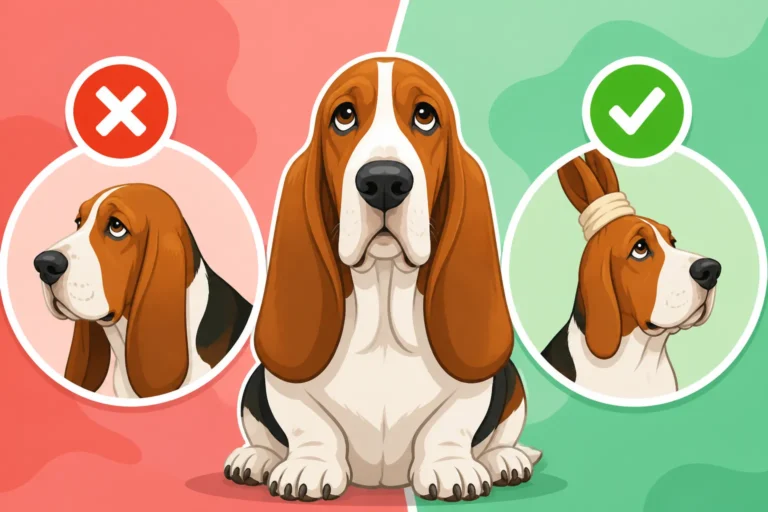
Their long, velvety ears aren't just for show; they actually help sweep scents towards their nose, enhancing their already formidable tracking abilities. This means that even if you're eating something relatively bland to you, your Basset Hound is likely experiencing a gourmet feast of scents. This powerful sensory input makes it incredibly difficult for them to ignore food, especially if it’s within their perceived reach. It's not malicious; it's instinct. They are wired to find and pursue food, and your dining room is just another hunting ground for delicious discoveries. Trying to stop a Basset Hound from being interested in food is like asking a fish not to swim – it goes against their very nature.
An Appetite That Knows No Bounds
Beyond the nose, Basset Hounds are generally known for robust appetites. They often act as if they haven't eaten in days, even moments after finishing a substantial meal. This hearty appetite, combined with their propensity to gain weight, creates a challenging dynamic for owners. It's easy to fall into the trap of overfeeding or giving in to those pleading eyes because they seem so genuinely hungry. However, this is a dangerous path, as What Extra Weight Does to a Basset Hound can be severe, impacting their joints and overall health.
This intense food drive likely stems from their working history. Hounds needed to be strong and resilient, capable of long days of tracking. In a domestic setting, this translates to a dog that's always eager for the next meal or snack. They learn very quickly that persistence pays off, especially when it comes to human food. If begging has ever resulted in a dropped piece of chicken or a tiny nibble of toast, your Basset Hound has filed that away as a successful strategy, and they will absolutely try it again. This historical drive, paired with positive reinforcement (even accidental), solidifies begging as a reliable tactic in their minds.
Decoding Your Basset Hound's Begging Signals
Begging isn't just one behavior; it's a whole repertoire of subtle (and not-so-subtle) cues that your Basset Hound employs to get your attention and, hopefully, your food. Understanding these different signals can help you respond more effectively and avoid inadvertently reinforcing the behavior you're trying to stop.
The Polite Stare and the Gentle Nudge
Many Basset Hounds start with the classic "polite stare." They'll settle quietly a few feet away, perhaps resting their chin on their paws, and just gaze at you with those deep, mournful eyes. You might even feel a slight psychic pressure as they focus their entire being on your plate. It's remarkably effective, isn't it? This quiet contemplation is often followed by a gentle nudge with their wet nose or a soft paw tap on your leg. It’s their way of saying, "Excuse me, human, but I believe you've forgotten to share."
This type of begging, while seemingly innocent, is still a form of demand. It's easy to dismiss because it's not loud or disruptive, but it's crucial to address it just as you would more overt behaviors. If you give in even occasionally, you're teaching your Basset Hound that their subtle efforts are worthwhile. Imagine a child quietly sitting at the table, just staring at your dessert. You might feel compelled to offer a bite, but doing so teaches them that quiet staring can get them what they want. The same principle applies here. Consistent ignoring, even of the "polite" begging, is key.
The Vocal Demands and Disruptive Tactics
Then there's the more overt begging, often employed when the subtle approach hasn't yielded results. This can escalate to whining, soft whimpers, or even the characteristic "aroo" or bay if their patience wears thin. They might start sighing dramatically, huffing, or shifting restlessly. Some Basset Hounds take it a step further, placing their head on your lap, trying to inconspicuously inch closer to the table, or even attempting a sneaky lick if you're not paying attention.
These are often escalation tactics. Your Basset Hound has learned that if polite doesn't work, maybe a little more noise or physical presence will. It can be incredibly annoying, especially when you're trying to enjoy a quiet meal or have guests over. It's important not to scold or punish them for this, as that can create anxiety around food, or even make them more persistent. Instead, the goal is to consistently teach them that any begging behavior, subtle or disruptive, will never result in food from your plate.
The Counter-Surfing and Sneaky Snack Attacks
For some Basset Hounds, begging extends beyond the dining table to full-on counter-surfing or garbage raiding. Given their low stature, they might not be able to reach the back of a tall counter, but anything within snout-level is fair game. I've known Basset Hounds who could clear an entire coffee table of snacks faster than you can say "Leave it!" This isn't just begging; it's opportunistic food theft, often fueled by past successes. If they've ever managed to snatch a runaway crumb or an unattended sandwich, they remember that victory vividly.
This behavior is particularly challenging and can even be dangerous if they consume something toxic. It often indicates that their food drive is very high, and they see any accessible food as fair game. This takes more than just ignoring; it requires managing their environment and specific training. Understanding Whether a Basset Hound Steals Food can help you put preventative measures in place, such as keeping counters clear and securing garbage bins, alongside consistent training to reinforce boundaries.
Practical Strategies to Gently Curb the Begging
While it might feel like an uphill battle, you absolutely can reduce constant begging in your Basset Hound. It requires consistency, patience, and a united front from everyone in the household. Remember, you're not trying to extinguish their natural love for food, but rather to teach them appropriate manners around human mealtimes.
Establishing a Clear "Place" Command
One of the most effective strategies is to teach your Basset Hound a "place" command. This means having a designated spot – a dog bed, a mat, or their crate – where they must go and stay during your mealtimes. Start by practicing this command outside of meal times, rewarding them generously when they go to their spot and stay. Make "place" a positive, comfortable experience. You can find excellent, durable dog beds on sites like Chewy that will be comfortable for their joints and encourage them to settle.
When it's mealtime, direct them to their "place" before you even sit down. If they leave, gently guide them back without a fuss. Only reward them for staying in their place after you’ve finished eating and cleared the table, or better yet, as a separate training exercise. The goal is for them to associate your mealtime with a quiet, calm presence in their designated area, not with the possibility of getting food from you. This creates a clear boundary and removes the opportunity for them to practice begging behaviors. It takes time, but consistency is key.
Managing Mealtime Environment and Expectations
Beyond "place," adjust your mealtime environment to reduce temptation. This means no food on low coffee tables, securing trash cans, and ensuring no plates are left unattended. If your Basset Hound is a particularly skilled counter-surfer, consider using baby gates from Amazon to keep them out of the kitchen entirely during meal prep and dining.
It's also crucial that no one in the household ever gives in to begging. Even a tiny crumb, once, can set your training back weeks. Ensure everyone, from children to guests, understands the rules. Explain that giving in, no matter how small the treat, only reinforces the begging behavior. Whether a Basset Hound Is Safe Around Food and Children is a relevant concern, especially if resource guarding or intense begging escalates around kids. Instead of giving table scraps, if you want to offer a treat, do it completely separately from your mealtime, in their designated eating area, and only when they haven't been begging.
Smart Feeding Strategies and Puzzle Toys
Another critical aspect is managing your Basset Hound's own meals. Ensure they are getting appropriate portions of high-quality food. You can refer to resources like How Much Food an Adult Basset Hound Eats Monthly to gauge appropriate amounts. If they truly seem insatiably hungry, discuss their diet with your vet. Sometimes, switching to a more nutrient-dense food, or even exploring options like fresh food providers such as Ollie, might help them feel more satisfied.
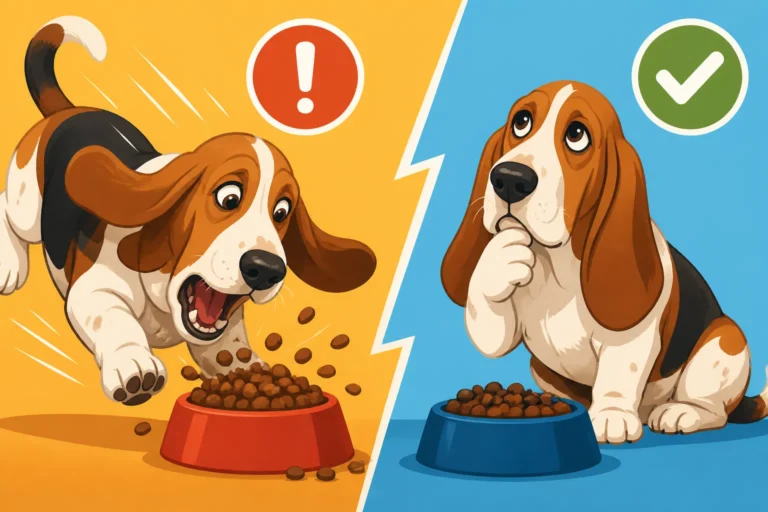
Slow feeders and puzzle toys can be game-changers for Basset Hounds who bolt their food or always seem hungry. Whether a Slow Feeder Suits a Basset Hound is often a resounding yes! These devices make them work for their kibble, extending mealtime and providing mental stimulation, which can reduce their overall obsession with food. You can find a wide variety of slow feeder bowls and dispensing toys on Chewy or Amazon. This not only makes them feel fuller but also uses up some of that scent-driven energy in a productive way. You can even use some of their daily food ration in these toys throughout the day to keep them occupied.
| Begging Behavior | Strategy to Combat It | Key Considerations |
|---|---|---|
| The Polite Stare | Consistent "Place" command during meals. | Must be enforced by everyone. No eye contact, no talking. Reward for staying after meal. Make the "place" comfortable. |
| Gentle Nudge/Paw Tap | Same as above. Immediately redirect to "Place." | Avoid pushing them away or scolding; simply guide back. Maintain a neutral demeanor. |
| Whining/Vocalizing | Complete ignoring. Turn your back if necessary. | This is the hardest one! Any attention, even negative, reinforces it. Wait for a moment of quiet before any interaction, even returning them to "Place." |
| Counter-Surfing | Environmental management (clear counters, secured trash). | Prevention is key. Use baby gates to block kitchen access. Teach a strong "Leave It" command. Consider bitter apple spray on tempting surfaces (use with caution and test first). |
| Stealing Food | Strict "Leave It" command, supervised mealtimes. | Crucial for safety. Practice "Leave It" with increasingly tempting items. Never leave food unattended within their reach. Whether a Basset Hound Can Be Taught to Leave It is possible with consistent training. |
When Begging Points to Something More
While most constant begging is a behavioral issue, it’s always worth considering if there might be an underlying physical or psychological factor contributing to your Basset Hound's insatiable quest for food. It’s part of responsible pet ownership to rule out other causes.
Nutritional Deficiencies or Malabsorption Issues
Sometimes, a dog that seems constantly hungry might actually not be absorbing enough nutrients from its food. This could be due to a low-quality diet that isn't providing adequate nutrition, or an underlying health issue affecting their digestive system. Conditions like exocrine pancreatic insufficiency (EPI) or certain intestinal disorders can lead to malabsorption, making a dog feel perpetually hungry even if they're eating enough calories.
If your Basset Hound is losing weight despite eating a lot, or if they have other symptoms like diarrhea, vomiting, or a poor coat, it's definitely time for a vet visit. They can run tests to check for underlying medical conditions and recommend appropriate dietary changes or treatments. Always consult your veterinarian before making significant changes to your dog's diet, especially if you suspect a health issue. Your vet might suggest a specific therapeutic diet or supplements to address any deficiencies.
Overweight Basset Hounds and False Hunger Cues
It's a cruel irony that overweight Basset Hounds often seem more intensely interested in food. When a dog is carrying too much weight, their body’s natural hunger and satiety signals can become disrupted. Fat cells can produce hormones that interfere with the brain's ability to register fullness, leading to a vicious cycle where the dog feels hungrier, eats more, and gains more weight. Feeling for a Basset Hound's Ribs Under Loose Skin is a good way to regularly check their body condition and catch weight gain early.
If your Basset Hound is overweight, constant begging isn't just a nuisance; it's a sign that their relationship with food needs to be re-evaluated for their long-term health. Working with your vet on a weight loss plan is crucial. This will involve carefully controlled portions, appropriate exercise (even if it's just short, frequent walks for Whether an Old Basset Hound Still Needs Walks), and perhaps a special weight-management food. It's often difficult to say no to those pleading eyes, but remember that you're doing it out of love and for their health. Getting Weight Off a Basset Hound That Will Not Exercise can feel like a monumental task, but with consistency, it's entirely possible to improve their quality of life.
Managing the Human Element: Consistency is King
Let's face it, we, the human companions, are often the weakest link when it comes to persistent begging. It's hard to resist those soulful eyes, the gentle nudges, or the desperate sighs. But understanding our role in reinforcing this behavior is paramount to changing it.
The Slippery Slope of "Just This Once"
Every single time you give in to begging, even "just this once," you are reinforcing the behavior. Your Basset Hound doesn't understand exceptions; they only understand cause and effect. If they beg and sometimes get food, they learn that begging works. This makes them more persistent, not less. It's like a slot machine – if it pays out occasionally, you keep pulling the lever.
This applies to everyone in the household. If one person is strict and another slips up, your Basset Hound will quickly learn who the "easy mark" is. Gather your family and ensure everyone is on the same page. Explain the importance of consistency and agree on a clear set of rules. This might mean having a designated "feeding time" for approved treats, completely separate from human mealtimes, or having a "no human food from the table, ever" policy.
The Power of Positive Reinforcement (for Good Behavior)
Instead of focusing on what you don't want your Basset Hound to do (beg), focus on what you do want them to do. Reward calm, quiet behavior during mealtimes. If your Basset Hound is lying quietly in their "place" while you eat, make a mental note. After you've finished, gotten up, and cleaned the table, then you can go over and calmly praise them or offer an appropriate treat from their own bowl or a puzzle toy. This teaches them that calm behavior, not begging, earns rewards.
Consider integrating more structured training into your routine. Basset Hounds are often perceived as stubborn, but What Actually Motivates a Basset Hound is often food, which can be a huge advantage in training! Use their regular kibble or low-calorie training treats to teach them basic obedience commands, engage them in nose work games, or simply reward them for lying down calmly when you're busy. The more mental stimulation they get, the less likely they are to be solely focused on begging for food. Enrichment activities, such as snuffle mats or Kongs stuffed with safe treats (you can find plenty of options on Chewy or Amazon), can also provide a healthy outlet for their food drive.
Being Proactive, Not Reactive
The key to managing begging is to be proactive. Anticipate when begging might occur and put strategies in place before it starts. This means feeding your Basset Hound their own meal before you eat, ensuring they have an enriching activity to occupy them (like a stuffed Kong in their "place"), and creating a clear boundary between your food and theirs.
If you know you're sitting down for a meal, have your plan ready. Is your Basset Hound going to their "place"? Do they have a long-lasting chew to work on? By being prepared, you avoid the scenario where you're already annoyed by begging and more likely to give in just to make it stop. Remember, you're guiding a beautiful, instinct-driven creature. With understanding, consistent boundaries, and a whole lot of patience, you can absolutely teach your Basset Hound better table manners and enjoy a more peaceful dining experience together.
Disclaimer
This article is for general informational purposes only and does not constitute professional advice. Laws, prices and regulations vary by location and change over time. Consult a qualified professional for guidance on your specific situation.