Whether a Basset Hound Needs Its Glands Emptied
Many Basset Hound owners find themselves scratching their heads, wondering about those notorious anal glands. There's a lot of chatter out there, and it can be confusing to figure out if your floppy-eared friend truly needs their glands emptied regularly or if that's just an old wives' tale. This guide aims to clear up the mystery, giving you the real scoop on your Basset's anal glands, how to spot trouble, and what to do when something feels off.
Understanding Your Basset Hound's Anal Glands
Let's start with the basics, because understanding what these glands are and why they exist is the first step to knowing how to care for them. It's a topic that often comes up in general discussions about pet care, but it's especially important for breeds like our beloved Basset Hounds.
The Hidden Scent Glands: Anatomy and Purpose
Anal glands, sometimes referred to as anal sacs, are actually two small pouches located just inside your Basset Hound's rectum, one on each side. Each sac has a tiny duct that opens directly into the anus. These glands contain a truly unique, often rather pungent, liquid. Think of it as your dog's personal identifier, a unique scent signature that's as individual as a fingerprint. When a Basset Hound has a bowel movement, particularly one that is firm and well-formed, the pressure of the stool passing through the rectum usually causes these glands to express naturally. It’s an ingenious bit of biological engineering, really.
In the wild, this scent-marking mechanism is incredibly important for communication among canids. It tells other dogs who's been in the area, their sex, reproductive status, and even how healthy they might be. While your Basset Hound might not be marking territory for survival in the same way a wolf does, the biological function remains. The system works perfectly when it's allowed to function as nature intended. The problems and discomfort for your Basset typically begin when this natural expression doesn't occur, leading to a build-up of the fluid, which can quickly become irritating, painful, or even infected.
Why Basset Hounds Can Be Prone to Anal Gland Issues
Now, while all dogs possess anal glands, our charming Basset Hounds sometimes seem to land themselves in a bit more trouble with them than other breeds. Their unique build, with those wonderfully low-slung, substantial bodies, can sometimes play a role. A Basset's physical structure, combined with a tendency to carry a little extra weight if not carefully monitored – which can be all too easy given their persuasive begging skills – might mean the muscle tone around the anal area isn't always as taut or efficient as in a much leaner, more active breed. This can subtly hinder the natural pressure needed for the glands to express themselves fully during defecation.
Another significant factor often contributing to anal gland woes in Basset Hounds is their diet and subsequent stool quality. If their stools are consistently soft, loose, or inconsistent, they simply aren't firm enough to exert the necessary pressure on the glands as they pass. Imagine trying to get a tightly packed suitcase to close without firm, even pressure – it's a similar principle. Keeping a Basset Hound at Its Correct Weight is not just about protecting their joints or preventing issues like The Back Trouble a Basset Hound Is Built Into; it also helps ensure their digestive system, and thus their anal glands, can function at their best. A healthy, firm stool is your Basset's best defense against impacted anal glands.
Recognizing the Signs of Anal Gland Trouble
It's crucial for any Basset Hound owner to be attuned to the subtle, and sometimes not-so-subtle, indicators that their dog might be experiencing discomfort related to their anal glands. Catching these signs early can save your Basset a lot of pain and prevent more serious complications.
The Dreaded "Scooting" and Other Visible Cues
Perhaps the most universally recognized, and often quite comical, sign that your Basset Hound is having anal gland issues is the infamous "scooting." This involves your dog dragging its rear end across the floor, the carpet, the grass, or really any available surface. While it might look amusing, it's actually a desperate attempt by your Basset to relieve the intense pressure, itching, or discomfort caused by full or impacted anal glands. It’s an instinctive behavior, a clear signal from your dog that something is definitely not right with their behind. You might notice them doing this after a nap, or following a bowel movement that clearly didn't provide enough pressure to express the glands.
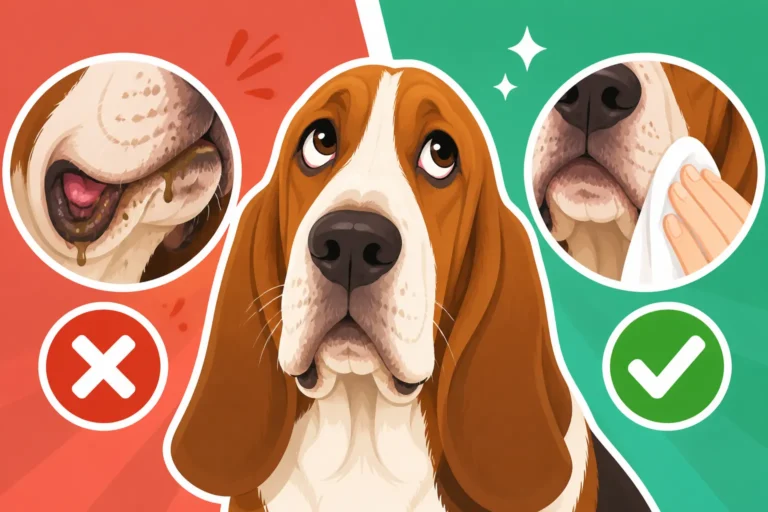
Beyond the classic scoot, pay close attention to excessive licking or biting at their hindquarters, particularly around the tail base or just under the tail. This obsessive self-grooming is another strong indicator of irritation in the anal area. Sometimes, you might even detect a distinct, foul, fishy odor – this is the unmistakable smell of anal gland fluid that might be leaking or has inadvertently expressed. This smell can be quite potent and is often the first thing owners notice, especially if their Basset Hound likes to snuggle up on the couch. Additionally, if you see your Basset straining excessively during defecation, or if their stools become unusually soft, watery, or ribbon-like, these could also be linked to underlying anal gland problems or broader digestive upset.
Beyond the Obvious: Subtle Indicators and Behavioral Changes
Sometimes, the signs of anal gland discomfort aren't as dramatic or obvious as scooting across the living room rug. Your Basset Hound might exhibit more subtle shifts in their normal behavior that, once you piece them together, clearly point to an issue. For instance, they might become noticeably restless, unable to settle down comfortably for a nap or a snooze. You might see them constantly shifting their weight, getting up and down, or generally appearing agitated. They might even show a clear reluctance to sit down normally, preferring to perch gingerly on one hip or stand more than usual, avoiding putting full pressure on their hindquarters. Imagine having a persistent, dull ache; you'd probably try to avoid any position that aggravated it.
The discomfort from anal gland issues can even extend to affecting their overall demeanor, appetite, or energy levels. A Basset Hound who usually approaches mealtime with enthusiastic gusto Feeding a Basset Hound That Would Eat Forever might suddenly seem less interested in their food or pick at it without much enthusiasm. This is because pain and irritation can significantly impact a dog's general well-being. You might also notice a change in their tail carriage; instead of their typical happy, low-slung wag, they might hold their tail lower, tucked, or seem hesitant to move it, indicating pain or sensitivity in the area. If you gently touch around their tail base or sides, they might flinch, snap, or even vocalize, which is highly uncharacteristic for the usually docile Basset Hound. Recognizing these nuanced changes is key, underscoring why knowing your Basset's normal habits is so important.
When and How to Address Anal Gland Concerns
Understanding when to intervene, and how, is paramount to maintaining your Basset Hound's comfort and preventing more serious health issues. There's a right way and a wrong way to approach anal gland care.
Natural Expression vs. Manual Expression: A Crucial Distinction
In a perfect world, your Basset Hound's anal glands would express naturally every single time they pass a firm, healthy stool. This is the physiological design; the pressure of the feces against the glands as they exit is meant to be sufficient to empty them. When this natural mechanism is working effectively, you, as an owner, ideally shouldn't need to do anything at all. The glands remain healthy, and your Basset lives a life free of anal gland discomfort. Issues only arise when the stools aren't firm enough, or if there's insufficient muscle tone around the area, leading to a build-up of fluid.
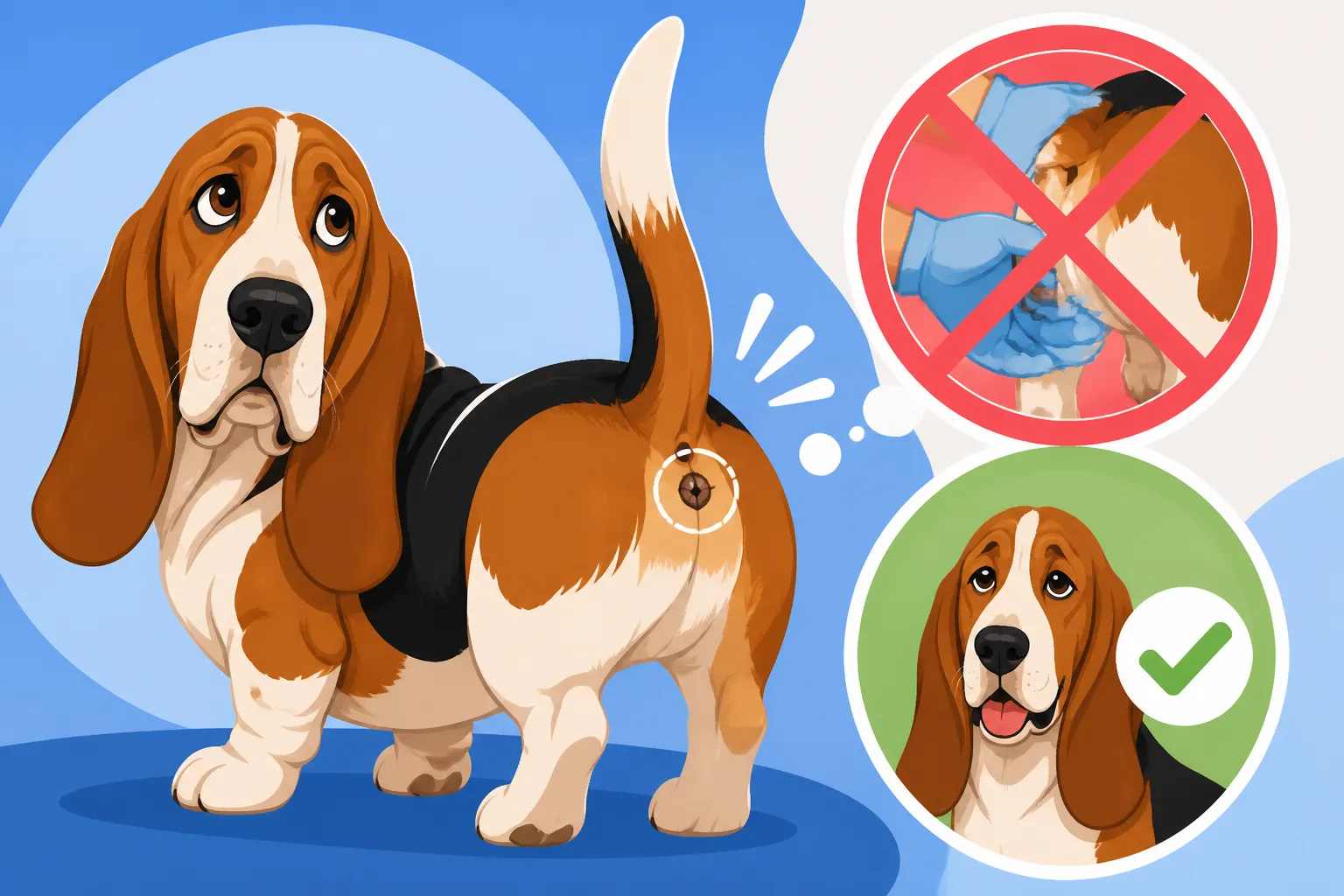
Manual expression, where a human intervenes to squeeze the glands, should not be a routine, preventative measure unless specifically advised and demonstrated by your veterinarian. Unnecessary manual expression can actually create more problems than it solves over time. It can lead to inflammation, irritation, and the formation of scar tissue, which can ironically make the glands less able to express naturally in the future. Repeated squeezing can also stretch the delicate ducts, potentially leading to more frequent impactions because the ducts become less effective at holding and then releasing the fluid. Think of it like a muscle that loses its natural function if it's always being assisted. If your Basset Hound is showing signs of discomfort, then yes, intervention is needed, but the primary goal should always be to support and encourage their body's own natural processes.
Professional Help: Vet vs. Groomer for Gland Expression
If you suspect your Basset Hound is experiencing anal gland issues, your absolute first call should always be to your veterinarian. They are medically trained to accurately diagnose whether the problem is indeed simply impacted anal glands, or if it's something far more serious, such as an infection, an abscess, or even a tumor. A vet can perform a thorough, gentle internal examination to assess the size, consistency, and health of the glands, and check for any signs of infection or rupture. They will then use the correct, sterile technique to express the glands, minimizing discomfort and the risk of injury. In more severe cases, they might flush the glands or prescribe antibiotics if an infection is already present.
While many professional groomers do offer external anal gland expression, it's generally advisable to have this procedure performed by a vet, especially for the first instance or if problems are recurring. External expression is often less effective at fully emptying the glands, meaning they can become impacted again much more quickly. More importantly, groomers are not equipped or trained to diagnose underlying medical conditions. What might seem like a simple full gland could, in reality, be an abscess on the verge of rupturing, which requires urgent veterinary care. Opting for a vet visit ensures a proper diagnosis and the most appropriate course of treatment, ultimately saving your Basset Hound from unnecessary pain and potentially preventing more costly treatments down the line. It's an important part of understanding What Basset Hounds Are Most Often Treated For.
Home Management and Prevention Strategies
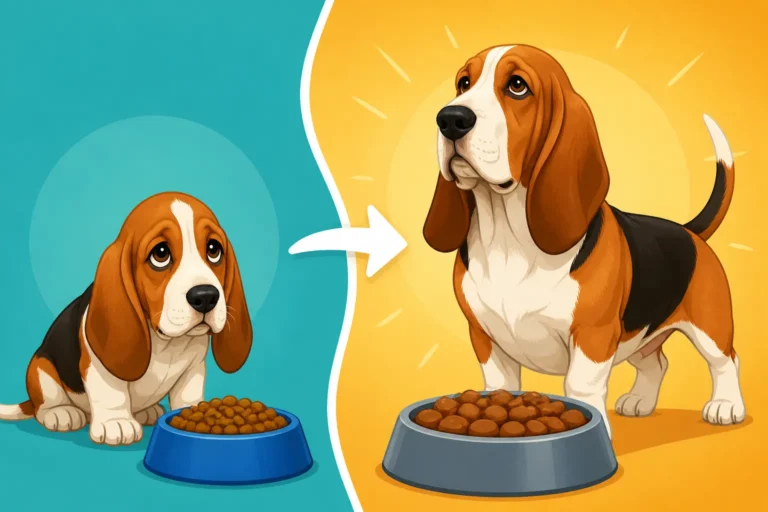
The most effective strategy for anal gland health in your Basset Hound is proactive prevention, with a strong focus on encouraging natural expression. The cornerstone of this approach is a high-fiber diet that promotes firm, bulky stools. Fiber adds volume to the feces, which in turn helps to apply the necessary pressure to the glands as the stool passes, assisting in their natural emptying. Look for dog foods that include good sources of fiber, such as beet pulp, pumpkin, or psyllium husk, and consider supplementing with a small amount of plain, canned pumpkin puree (ensure it's not pie filling with added spices!) if your vet recommends it.
Maintaining your Basset Hound at a healthy weight is equally critical. An overweight Basset Hound may have reduced muscle tone, and the presence of extra fatty tissue around the anal area can further impede natural expression. Ensuring your Basset is within its ideal weight range, in line with How Much a Basset Hound Should Weigh, is vital for overall health and for supporting healthy gland function. Regular, moderate exercise also plays a significant role in promoting healthy digestion and gut motility, which contributes directly to consistent, healthy stool quality. While Basset Hounds aren't typically known for their athleticism, consistent daily walks are essential. Additionally, some owners find certain supplements, such as probiotics or specific anal gland health supplements (often containing ingredients like pumpkin seed or psyllium), to be helpful, but always discuss these with your vet before introducing them into your Basset's routine. Reputable online retailers like Chewy and Amazon offer a wide selection of high-fiber dog foods and digestive supplements; just remember to always research thoroughly and consult your vet.
Debunking Myths and Misconceptions About Anal Gland Emptying
There's a lot of folklore and misinformation surrounding anal glands, and it's easy to get caught up in practices that aren't necessarily beneficial for your Basset Hound. Let's clear up some common misunderstandings.
The "Routine Expression" Myth: Why Less is Often More
One of the most enduring myths about anal glands is the belief that all dogs, or at least breeds perceived as "prone" to issues like Basset Hounds, need their glands routinely expressed by a professional every few weeks or months. This is a pervasive misconception that can actually do more harm than good. Many well-meaning owners, in their desire to be proactive and prevent problems, will specifically ask their groomer or vet to "do the glands" during every visit, even if their Basset Hound is showing no signs of discomfort whatsoever. This practice can inadvertently create a dependency where the glands lose their natural ability to express themselves because they are constantly being manually emptied.
Consider the biological implication: if your Basset Hound's glands are naturally expressing as they should, interfering with this process can disrupt a delicate balance. Repeated, unnecessary manual expression can lead to chronic inflammation and irritation in the area, which in turn can cause swelling that further impedes natural expression. Moreover, it can contribute to the formation of scar tissue within the ducts, making future impactions more likely and potentially more painful. Instead of fostering long-term health, routine, unindicated expression can paradoxically turn a non-existent issue into a chronic problem. The guiding principle here should always be: if your Basset Hound is not showing any signs of discomfort or impaction, it's best to leave well enough alone.
The Critical Role of Diet in Anal Gland Health
The old adage "you are what you eat" holds significant truth when it comes to your Basset Hound's anal gland health. The consistency of their stool is arguably the single most critical factor in whether their glands express naturally and effectively. Firm, well-formed stools provide the ideal amount of pressure to squeeze the glands as they pass through the rectum. In contrast, soft, mushy, or inconsistent stools often pass without adequately pressing on the glands, allowing the fluid to accumulate and eventually lead to impaction. This direct correlation between diet and gland health is why meticulous attention to your Basset Hound's food is so vital, especially if they have a history of anal gland issues.
A diet rich in appropriate fiber is the cornerstone of this preventative strategy. Fiber, whether soluble or insoluble, adds bulk and firmness to the stool. Many commercial dog foods, particularly those formulated for digestive health or weight management, often boast higher fiber content. However, it's important to note that not all fibers affect every dog the same way. Some Bassets might thrive on soluble fibers (found in ingredients like psyllium or certain vegetables), while others might benefit more from insoluble fibers (like cellulose). If your Basset Hound frequently has loose stools, it's definitely worth having a conversation with your vet about a potential diet change. Sometimes, even a high-quality, expensive diet might not be the right fit for an individual dog, and switching to a diet focused on whole, fresh ingredients from brands like Ollie, or even a veterinary-prescribed therapeutic diet, could make a profound difference. The ultimate goal is consistent, well-formed stool, and that journey unequivocally begins with what's in their food bowl. Digestive issues like Whether a Basset Hound Has a Sensitive Stomach can also indirectly affect stool quality and, by extension, anal gland health.
Living Proactively: Long-Term Anal Gland Health for Your Basset Hound
Ensuring your Basset Hound enjoys long-term anal gland health requires more than just addressing problems as they arise. It means adopting a proactive, holistic approach to their overall well-being.
Monitoring and Early Intervention: Knowing Your Dog's Normal
Being a truly proactive owner means being incredibly observant of your Basset Hound. Make it a habit to regularly check your Basset's rear end, perhaps during their routine grooming or after a bath. Are there any subtle signs of redness, swelling, or unusual discharge around the anal area? Does the area seem particularly sensitive to your touch? Equally important is paying close attention to their bathroom habits. Are their stools consistently firm and well-formed? Are they straining more than usual, or taking an unusually long time to defecate? Even a slight increase in how often they lick or pay attention to their hindquarters can be an early warning sign that something isn't quite right. The quicker you identify a potential issue, the easier and less painful it typically is to resolve.
Keep a mental note, or even a literal journal, of how often your Basset might scoot or attempt to relieve discomfort. A single, isolated instance might not be cause for alarm, but if it becomes a regular occurrence, or if you start noticing a combination of symptoms, it's definitely time to take action. Don't wait until the problem escalates into severe pain or, worse, an abscess. Early intervention, guided by your trusted veterinarian, can prevent a great deal of suffering for your Basset Hound and potentially save you from more complex and expensive treatments later on. This consistent vigilance and gentle inspection are integral components of What a Basset Hound Needs Every Day to thrive and be comfortable.
Supporting Overall Digestive Health: A Holistic Approach
True anal gland health isn't an isolated concern; it's intricately woven into the fabric of your Basset Hound's entire digestive system. A healthy, well-functioning gut directly translates to healthy digestion, which in turn leads to consistent, firm stools and the natural expression of those vital glands. Therefore, it's beneficial to adopt a holistic approach to your Basset Hound's digestive well-being. This comprehensive strategy includes providing a consistent, high-quality diet that truly agrees with their individual system, ensuring they always have unrestricted access to fresh, clean water for optimal hydration, and incorporating appropriate, regular exercise into their daily routine.
In some cases, your veterinarian might recommend introducing a probiotic supplement, which can help balance the gut flora, leading to improved digestion and better stool quality. Prebiotics, which essentially act as food for the beneficial bacteria in the gut, can also be a valuable addition. When it comes to diet, always avoid sudden changes, as these can easily upset a sensitive digestive system and result in loose stools. If a food transition is necessary, always do so gradually over several days to a week. Maintaining your Basset Hound at a healthy weight also significantly supports overall organ function, including the digestive tract, and reduces unnecessary strain on their body, which is particularly important given how their unique physique can predispose them to issues like What Extra Weight Does to a Basset Hound. Regular veterinary check-ups are also crucial for catching any subtle underlying health issues, such as Whether a Basset Hound Gets Bloat or other gastrointestinal concerns, that might indirectly impact anal gland function.
How to Check Your Basset Hound's Anal Glands (Safely)
Many Basset Hound owners, myself included, become quite curious about how to check their dog's anal glands at home. While manual expression is truly best left to a skilled professional, you absolutely can, and should, monitor the area for signs of trouble without causing any harm. The key here is gentle observation, not aggressive intervention.
First and foremost, always ensure your Basset Hound is relaxed and comfortable. This is not a procedure to rush or force. Having some high-value treats on hand can help make it a more positive experience for them. Gently lift your Basset's tail. The anal glands themselves are located internally, but you can feel the general area on either side of the anus. What you are primarily looking for is any unusual swelling, redness, or tenderness. A healthy anal area should appear clean, be free of any discharge, and your Basset shouldn't react with discomfort when you gently touch the skin around it.
What to Look For During Your Home Check
When you're conducting your home check, use a very soft, light touch. Gently feel for any noticeable lumps or areas of firmness on either side of the anus, just below the tail. Ideally, these glands should be relatively small and not overtly palpable. If you feel a distinct, hard, or swollen lump, that is a clear red flag. Also, carefully observe the skin surrounding the anus for any discoloration. Redness, inflammation, or any broken skin is a definite sign of irritation or infection. Any visible discharge, especially if it's thick, bloody, or emits a strong, incredibly unpleasant odor, is another unequivocal indication of a problem that warrants an immediate vet visit.
Pay close attention to your Basset's reaction to your gentle touch. Do they flinch, pull away, or show any signs of pain or discomfort, such as yelping or growling? Any negative reaction means something is likely bothering them significantly. Remember, your role here is strictly to observe and feel for abnormalities. You are absolutely not attempting to squeeze or express the glands yourself. If you discover anything concerning, or if your Basset is displaying any of the behavioral signs mentioned earlier (like scooting, obsessive licking, or that unmistakable foul odor), then it's time to call your vet. Improper technique during home expression can lead to further injury, inflammation, or even rupture of the gland, making the problem far worse. This type of regular, gentle inspection is a crucial element of holistic Basset Hound care.
When to Seek Immediate Veterinary Care
While many anal gland issues can be effectively managed with professional expression and some dietary adjustments, certain situations demand immediate veterinary attention. If you observe any of the following signs, do not hesitate; contact your veterinarian without delay:
- Abscess Formation: A severely impacted and infected anal gland can develop into an extremely painful abscess. You might notice a very obvious, hot, and tender swelling on one or both sides of the anus. In some severe cases, this abscess can rupture, leading to an open, draining wound that requires urgent cleaning, antibiotics, and sometimes even surgical intervention.
- Bleeding or Pus: Any discharge from the anal area that contains blood or pus is a serious indicator of infection, rupture, or another significant underlying issue. This requires immediate medical evaluation to prevent the spread of infection and provide relief.
- Extreme Pain or Lethargy: If your Basset Hound is exhibiting obvious, severe pain (e.g., yelping when touched, crying, refusing to move), is refusing to eat or drink, or seems unusually lethargic and withdrawn, these are signs that the problem has progressed beyond a simple impaction and requires urgent care.
- Recurring Issues: If your Basset Hound is repeatedly experiencing anal gland problems despite consistent dietary adjustments and professional expressions, it might be indicative of a deeper, underlying issue. This could range from chronic inflammation, a stricture within the duct, or, rarely, even a tumor. Further diagnostic tests might be necessary to pinpoint the root cause.
These types of scenarios can escalate rapidly and pose significant pain and health risks to your Basset Hound. Prompt veterinary care is absolutely essential to prevent severe complications, alleviate suffering, and ensure the best possible outcome for your furry friend. Being aware of these critical signs is part of being a responsible Basset owner, and helps you navigate the sometimes challenging journey of What a Basset Hound Costs a Year to Keep.
Creating a Comprehensive Care Routine for Optimal Gland Health
Ultimately, the goal isn't just to react to anal gland problems but to proactively prevent them. This means creating a well-rounded care routine that supports your Basset Hound's overall health, with a specific focus on digestive harmony.
Integrating Diet and Exercise for Digestive Harmony
To truly support your Basset Hound's anal gland health, it’s essential to look at the bigger picture and embrace a holistic approach that seamlessly integrates diet and exercise into their daily routine. This isn't about looking for quick fixes or temporary solutions; it’s about establishing consistent, healthy habits that promote overall well-being and, as a wonderful byproduct, contribute to healthy anal gland function. Begin with a consistent, high-quality dog food. It might take a little experimentation (always under veterinary guidance, especially if your Basset has specific health needs) to find a food that consistently produces firm, well-formed stools for your individual Basset. If your Basset Hound frequently struggles with loose stools, gently increasing their dietary fiber through vet-approved supplements or natural additions like cooked sweet potato, carrots, or green beans can make a surprisingly significant difference. Always ensure that your Basset has constant access to fresh, clean water, as proper hydration is fundamental for healthy digestion.
Pairing a nutritious diet with appropriate and regular exercise is equally vital. Consistent, moderate walks – they don't have to be marathons, but regular daily activity – are incredibly beneficial for keeping your Basset's digestive system moving efficiently. Exercise promotes healthy gut motility, which in turn directly aids in the natural expression of their anal glands. Furthermore, regular activity is crucial for managing their weight and preventing obesity, which, as we’ve discussed, can exacerbate gland issues. A heavier Basset Hound might find it harder to move around briskly, impacting both digestion and general muscle tone. By creating a daily routine that thoughtfully balances nourishing food with consistent physical activity, you'll be paving the way for a healthier, happier Basset Hound with far fewer anal gland worries. You also protect them from the compounding health effects, as Whether an Overweight Basset Hound Lives Shorter is a real concern.
Regular Health Checks and Vet Communication
Even with the most meticulously planned diet and exercise routine, maintaining regular health checks for your Basset Hound remains incredibly important. This encompasses not only their scheduled annual veterinary examinations but also quick, attentive at-home checks that you can perform between those appointments. During your regular grooming sessions, whether you How Often a Basset Hound Should Be Bathed yourself or take them to a professional groomer, take a moment to gently inspect the anal area. Look closely for any redness, swelling, or any changes that seem out of the ordinary. This quick visual and tactile inspection can be instrumental in catching minor issues before they have the chance to escalate into more significant, painful problems.
Open and clear communication with your veterinarian is absolutely paramount. If you notice any changes whatsoever in your Basset's scooting frequency, their tendency to lick excessively, or any alterations in their stool consistency, do not hesitate to reach out to your vet for advice. They are your most valuable resource for accurately diagnosing and effectively treating anal gland issues, and they can help you formulate a tailored preventative strategy specifically for your unique Basset Hound. They might recommend specific dietary adjustments, provide guidance on a weight management plan, or suggest particular supplements. Maintaining a regular dialogue with your vet and remaining proactive ensures that any anal gland concerns are addressed swiftly and effectively, which ultimately keeps your Basset Hound comfortable, healthy, and happy in the long term.
| Sign of Anal Gland Trouble | What It Looks Like | Recommended Action |
|---|---|---|
| Scooting | Dragging rear end on ground/carpet | Monitor for frequency; increase fiber in diet; consult vet if persistent or recurring |
| Excessive Licking/Biting | Obsessive grooming of hindquarters or tail base | Consult vet for examination to rule out infection or impaction |
| Foul, Fishy Odor | Strong, unpleasant, distinct smell from rear end | Consult vet, as this often indicates leaking or impaction |
| Redness/Swelling | Visible inflammation, heat, or lump around the anus | Immediate vet visit, as this could be an abscess or severe infection |
| Straining to Defecate | Difficulty or pain while passing stool; repeated attempts | Consult vet; assess diet and stool consistency |
| Bloody/Purulent Discharge | Pus or blood observed from the anal area | Immediate vet visit, as this indicates infection or rupture |
| Reluctance to Sit/Pain | Shifting weight, sitting gingerly, yelping when touched | Consult vet, as this suggests significant discomfort |
| Changes in Stool Consistency | Consistently soft, mushy, or watery stools | Review and adjust diet with vet guidance, focusing on fiber and digestibility |
Disclaimer
This article is for general informational purposes only and does not constitute professional advice. Laws, prices and regulations vary by location and change over time. Consult a qualified professional for guidance on your specific situation.