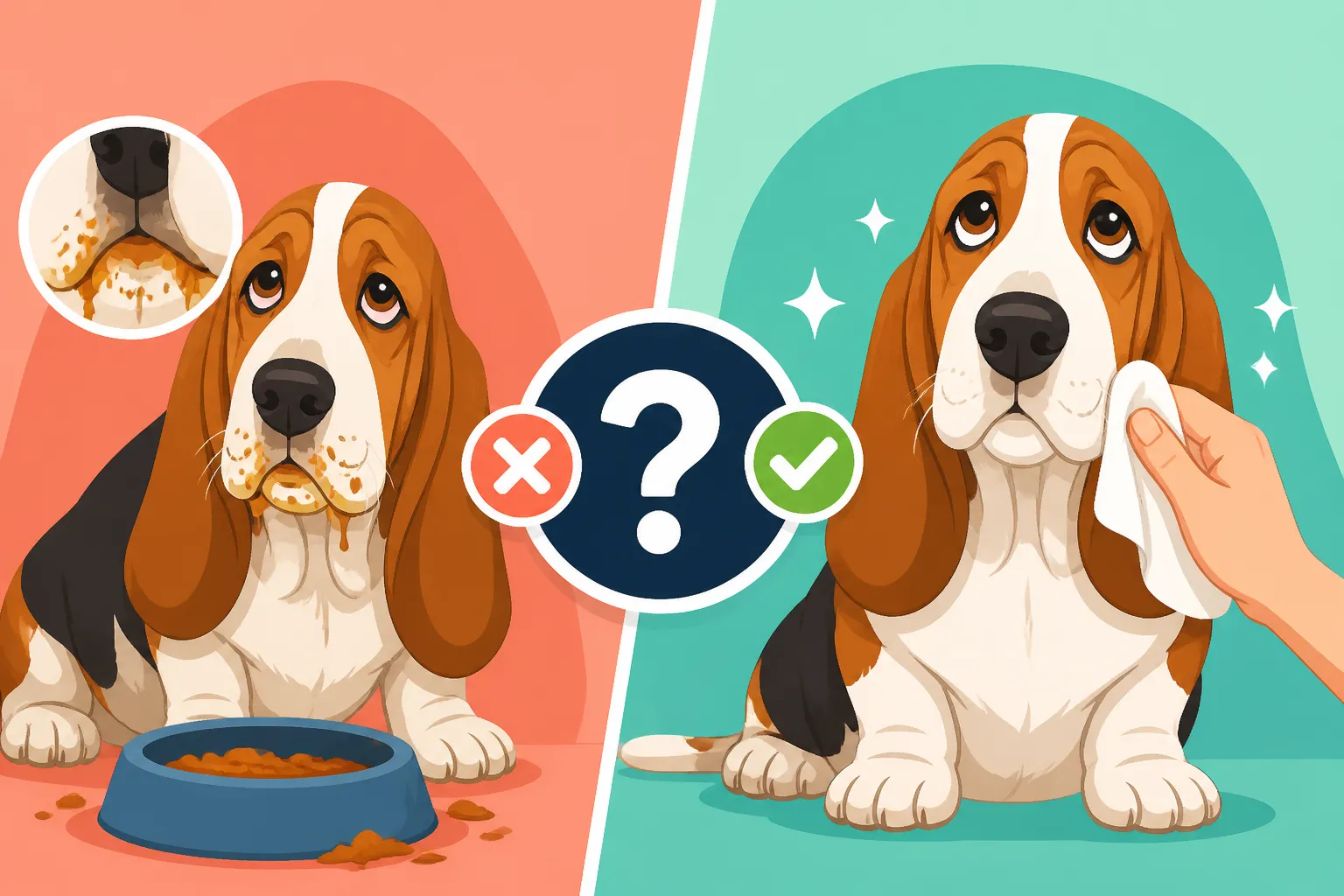
Whether a Basset Hound Needs Wiping After Every Meal
Oh, the mealtime aftermath with a Basset Hound! If you've ever found yourself wondering if you should be doing more than just staring at the food trail leading from the bowl, you're not alone. Many Basset owners grapple with the delightful mess these wonderful hounds create around their feeding stations. This guide will walk you through why Basset Hounds are such messy eaters, the health implications of that mess, and how to establish an effective post-meal wiping routine that keeps your home cleaner and your Basset healthier.
Understanding the Basset Hound's Unique Anatomy and Mealtime Habits
It's not that our beloved Bassets are trying to be messy; it's simply how they're built! Their distinctive features, while utterly charming, are perfectly designed to scatter food, slosh water, and leave a tell-tale trail of dinner wherever they go. Understanding these anatomical quirks is the first step in tackling the glorious chaos of mealtime.
The Impact of Droopy Jowls and Long Ears
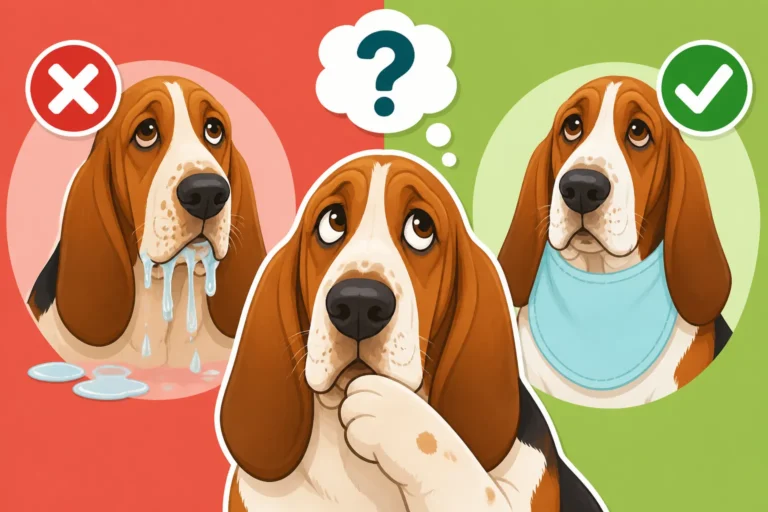
The Basset Hound's signature long, droopy ears and magnificent jowls are not just for show; they serve important functions for their scent-trailing heritage. However, at mealtime, these same features become prime culprits in the mess-making department. When your Basset dips its head into a bowl of kibble, those long ears often swing right into the food, acting like little shovels that scoop out pieces onto the floor. Wet food, in particular, can cling to the jowls and ears, only to be flung across the kitchen with a shake of the head or a leisurely stroll away from the bowl.
Imagine your Basset happily crunching away, and then, with a satisfied gulp, it lifts its head. Those long, velvety ears, which have been lovingly submerged in a gravy-soaked meal, now drip and flick food bits across your meticulously cleaned floor. The jowls, designed to gather scent, become impromptu food catchers, only to release their contents as your hound wanders off for a post-meal nap. It’s an adorable, albeit frustrating, reality of sharing your life with such a distinct breed. You might even find yourself laughing as you watch it happen in slow motion. Whether a Basset Hound's Ears Drag Through Its Food is a common observation for many of us.
How Basset Hounds Eat and Drink
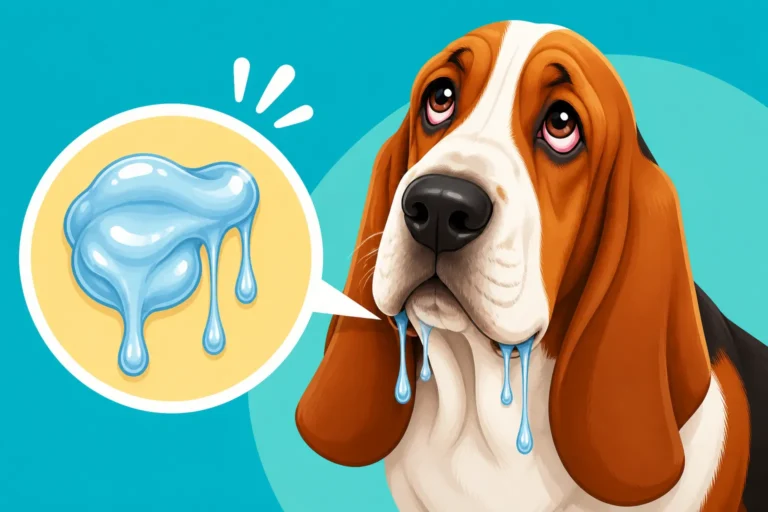
Beyond their physical traits, the way Basset Hounds approach their meals can also contribute to the chaos. Many Bassets are enthusiastic eaters, sometimes "bolting" their food down, which can lead to more spillage as they nudge and push the bowl around. Their lower stature means their chest and dewlap are often very close to the bowl, acting as a secondary catch-all for any falling crumbs or splashes. When it comes to drinking, their deep, saggy lips are not the most efficient for containing water, leading to copious amounts of drips and dribbles across the floor after every gulp.
It's a dance of slurps, chomps, and drips. Your Basset might enthusiastically attack its dinner, pushing the bowl with its nose, sending kibble flying. Then, after a hearty meal, a big drink of water becomes a major event, with water dripping from jowls and ears, creating a glistening trail across your kitchen tiles. It’s an endearing display of canine pleasure, but one that certainly demands attention if you want to maintain a semblance of tidiness. The sheer volume of liquid these hounds can deposit around their water bowl is truly impressive.
The Health Implications of Neglecting Post-Meal Cleanup
While the visible mess might be your primary concern, neglecting to clean your Basset Hound's face and surrounding areas after meals can lead to significant health issues. Their unique facial structure, combined with food and moisture, creates a perfect breeding ground for bacteria and yeast, leading to discomfort and potentially costly vet visits.
Skin Fold Infections
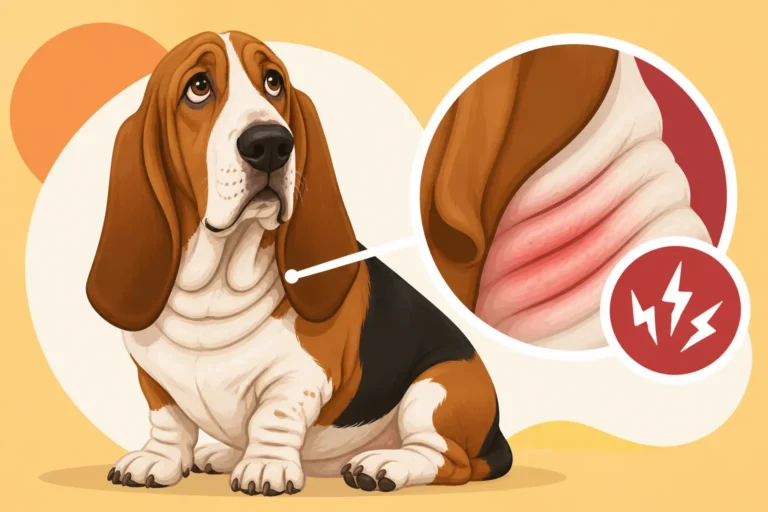
Those adorable, deep wrinkles and folds around a Basset Hound's muzzle and neck are wonderful for gathering scent, but they also trap moisture, food particles, and saliva. If these areas aren't cleaned regularly, this moist, warm environment becomes an ideal habitat for bacteria and yeast to flourish. This can result in skin fold dermatitis, a common and uncomfortable condition characterized by redness, irritation, inflammation, and a foul odor. The Skin Under a Basset Hound's Folds is surprisingly delicate and prone to issues.
Imagine sticky food remnants getting lodged deep within those folds, forgotten after dinner. Over hours, or even days, this trapped organic matter starts to ferment. Combined with natural oils and moisture, it becomes a literal petri dish against your dog's skin. This isn't just a minor rash; it can be incredibly painful, causing your Basset to rub its face, making the irritation worse, and potentially leading to deeper infections that require antibiotics or antifungals from the vet. Prevention, in this case, is far easier and kinder than cure.
Yeast and Bacterial Growth
The combination of food debris and moisture in uncleaned jowls and ears is a prime recipe for yeast and bacterial overgrowth. Yeast infections, often recognizable by a sweet, musty odor and greasy, reddish-brown discharge, can be particularly persistent and uncomfortable. Bacterial infections can manifest with pus, swelling, and a more pungent smell. Both can cause intense itching, leading your Basset to rub its face on carpets or furniture, further irritating the skin and spreading potential contaminants.
If you’ve ever wondered Whether a Basset Hound's Ear Smells Sweet or Sour, that distinct sweet scent is often a tell-tale sign of yeast. These organisms thrive in dark, moist conditions, and the folds of a Basset's face and the interior of their droopy ears provide exactly that. Regular wiping isn't just about cleaning away food; it's about removing the nutrient source and moisture that allows these opportunistic pathogens to take hold. A healthy Basset has clean, dry skin folds, free from any lingering odors or irritation. It’s a small effort that makes a huge difference to their comfort and well-being.
Establishing a Post-Meal Wiping Routine
Now that we understand why it's important, let's talk about how to make post-meal cleanup a seamless part of your daily routine. It doesn't have to be a major chore; a few simple steps can keep your Basset clean and healthy, and your home tidier.
Choosing the Right Wipes and Tools
When it comes to wiping your Basset's face, not all wipes are created equal. You'll want to choose pet-specific wipes that are gentle, hypoallergenic, and free from harsh chemicals or strong fragrances that could irritate their sensitive skin. Many brands offer specialized "facial wipes" or "ear wipes" that are formulated to be safe around eyes and mouths. A soft, clean washcloth dampened with warm water can also work wonders, especially if your Basset has very sensitive skin. Avoid human baby wipes, as they often contain ingredients that aren't suitable for dogs.
You can find these special wipes at pet supply stores or online retailers like Chewy or Amazon. Look for options that emphasize natural ingredients, aloe vera, or witch hazel, which can be soothing to the skin. Keep a supply of these wipes, or a designated stack of small, soft washcloths, right next to your Basset's feeding area. This way, cleanup becomes a quick, automatic step rather than a scramble for supplies. Having everything at arm's reach ensures you're more likely to follow through with the routine consistently.
The Step-by-Step Cleanup Process
Once your Basset has finished its meal, wait a moment for them to take a drink, and then gently guide them to a convenient spot for wiping.
- Start with the Mouth: Begin by gently wiping around their muzzle and lips, paying close attention to the deep folds where food might hide. Use a fresh part of the wipe or a clean section of the washcloth for this area.
- Move to the Jowls and Chin: Carefully clean the jowls and under the chin, lifting any loose skin or folds to ensure you're getting into all the crevices. This is often where the most significant accumulation of drool and food residue occurs.
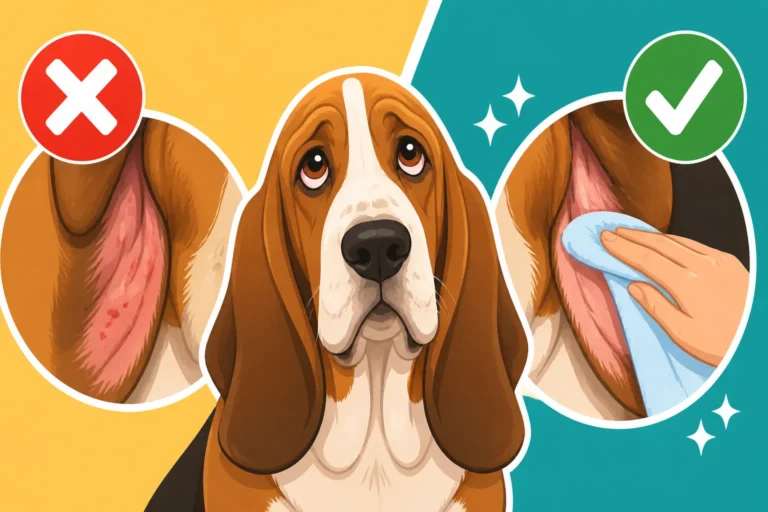
- Address the Ears: Gently wipe the underside of their ear flaps and around the base of their ears, where they might have dipped into the food or water. While you're there, quickly check the inner ear for any excessive moisture or redness; this isn't a full ear cleaning, but a quick visual check. For a deeper clean, refer to guides like How to Clean a Basset Hound's Ears Properly.
- A Quick Body Check: Finally, give a quick wipe to any chest or leg areas that might have caught stray bits of food, especially if your Basset is a particularly enthusiastic eater. This helps prevent minor skin irritations in other areas and keeps their coat cleaner between baths.
This entire process should take no more than a minute or two. The key is consistency and making it a positive experience for your Basset. Offer a small treat or some praise afterward to reinforce that wiping is a good thing. With a little patience, most Bassets quickly learn to tolerate, and even enjoy, their post-meal pampering. Some owners even find Whether a Basset Hound's Mouth Should Be Wiped Daily to be an important part of preventing issues.
Preventative Measures to Minimize Mealtime Mess
While post-meal wiping is crucial, there are several steps you can take to reduce the amount of mess your Basset Hound creates in the first place. A combination of smart feeding accessories and habits can make a noticeable difference, lightening your cleanup load.
Choosing the Right Food and Water Bowls
The type of bowls you use can dramatically impact the amount of mess. Look for bowls designed to mitigate spillage for long-eared or droopy-jowled breeds.
- Deep, Narrow Bowls: These bowls prevent long ears from dipping directly into the food or water. Their tall sides mean less food can be pushed out over the rim.
- Slow Feeder Bowls: If your Basset tends to gobble its food, a slow feeder bowl can help. These bowls have internal obstacles that force your dog to eat around them, slowing down consumption and often reducing the amount of flung kibble.
- Raised Bowls: For some Bassets, especially older ones, raised bowls can improve posture and make eating more comfortable, potentially reducing neck strain and subsequent mess. However, this is a debated topic for deep-chested breeds concerning bloat, so consult your vet if you have concerns.
Experiment with different styles. You might find a deep, ceramic crock for water works well to minimize splashes, while a narrow, stainless steel bowl keeps kibble contained. For fresh food from brands like Ollie, a slightly wider, but still deep bowl might be necessary to accommodate the texture while keeping jowls from dragging. Whether a Basset Hound Needs a Deep Bowl or a Shallow One really depends on observing your specific dog's habits.
Using Snoods and Placemats
Sometimes, the simplest solutions are the most effective.
- Snoods: A snood is a fabric tube that slips over your Basset's head, holding its long ears up and out of the food bowl. This is incredibly effective at keeping ears clean and preventing food from being scooped out. Many Basset owners swear by them. You can find a variety of snoods online on platforms like Amazon, in different materials and patterns. What a Snood for a Basset Hound Costs is typically a small investment for a big return in cleanliness.
- Placemats or Feeders with Rims: Placing your Basset's food and water bowls on a waterproof placemat with a raised lip can catch any spills, drips, and stray kibble before they hit your floor. These are easy to wipe down or throw into the washing machine. Look for silicone mats that grip the floor and stay put, even with enthusiastic eaters.
By incorporating these preventative measures, you're not just waiting for the mess to happen; you're actively working to stop it before it starts. This proactive approach means less time spent on rigorous cleanup after every meal and more time enjoying your beloved Basset.
Common Mealtime Mess Challenges and Solutions for Basset Hounds
Even with the best intentions, Basset Hounds will find ways to challenge our efforts for a tidy mealtime. Here’s a quick overview of common problems and practical solutions.
| Challenge | Description | Solution |
|---|---|---|
| Ears in Food | Long ears dip into food/water, dragging mess. | Use a snood; opt for narrow, deep bowls. |
| Drool & Drips | Excessive drooling and water dripping post-drink. | Immediate post-meal/drink wiping; consider elevated bowls (with vet OK). |
| Food Flinging | Kibble or wet food pushed out of the bowl during eating. | Use a slow feeder bowl; bowls with high, inward-curving rims. |
| Sticky Jowls/Chin | Food residue clings to deep facial folds. | Consistent post-meal wiping with pet-specific facial wipes. |
| Messy Trails | Basset walks away from bowl, leaving a drip/crumb trail. | Confine eating to an easy-to-clean area; use large, rimmed placemats. |
| Skin Irritation | Uncleaned folds lead to redness, odor, infection. | Daily cleaning of folds; use hypoallergenic wipes. |
Maintaining Overall Hygiene Beyond Meals
Wiping after meals is a fantastic start, but a Basset Hound's unique needs extend beyond just their dinner table manners. A holistic approach to hygiene ensures they stay comfortable, healthy, and smelling fresh, reducing the chance of those persistent "Basset smells" many owners talk about.
Regular Skin Fold Cleaning
Beyond mealtime, your Basset's face folds still need attention. Saliva, environmental dirt, and natural oils can accumulate in these crevices throughout the day. Establishing a separate routine for Cleaning a Basset Hound's Face Wrinkles is crucial. This might be a quick wipe-down with a damp cloth or a pet-safe facial wipe in the morning or evening, completely separate from mealtime. This prevents irritation and infections from building up.
If you notice any redness, discharge, or a sour smell, it's time to increase the frequency of cleaning and potentially consult your vet. Ignoring these early signs can quickly lead to painful infections that require medication. Think of it like taking care of human skin; regular cleansing prevents breakouts and irritation. For Bassets, it’s even more critical due to the warmth and moisture trapped within their magnificent folds.
Grooming and Bathing Schedules
While Basset Hounds have short coats and might not seem like they need much grooming, a regular schedule is important for their overall cleanliness and skin health.
- Brushing: A weekly brush with a rubber curry brush or a shedding blade helps remove loose hair and stimulate the skin, distributing natural oils and reducing shedding.
- Bathing: The frequency of bathing depends on your Basset's lifestyle. If they're prone to rolling in mud or developing skin issues, more frequent baths might be necessary. However, typically, a bath every 4-6 weeks is sufficient. Use a gentle, dog-specific shampoo to avoid drying out their skin. If your Basset gets Skin Fold Infections on a Basset Hound, your vet might recommend a medicated shampoo.
- Ear Care: Given their long, heavy ears, Bassets are notorious for ear problems. Regular ear cleaning, beyond just wiping the outside after meals, is a non-negotiable part of their care. Follow a routine of using a veterinarian-approved ear cleaner to flush out debris and prevent infections. How Often a Basset Hound's Ears Must Be Cleaned is a question every Basset owner quickly learns the answer to.
Remember, a Basset Hound's distinctive features are beautiful, but they do come with specific care requirements. By diligently attending to their post-meal cleanup, regular skin fold hygiene, and overall grooming, you're not just keeping them looking good – you're actively contributing to their long-term health and comfort. It's a testament to the special bond we share with these wonderful, quirky hounds.
Disclaimer
This article is for general informational purposes only and does not constitute professional advice. Laws, prices and regulations vary by location and change over time. Consult a qualified professional for guidance on your specific situation.