Whether a Basset Hound’s Mouth Should Be Wiped Daily
If you're a Basset Hound parent, you know the struggle: that sweet, expressive face can quickly become a canvas of drool, food bits, and general slobbery goodness. It's not just a charming quirk; it’s a daily reality that leaves many of us wondering if we should be doing more to keep our furry friends' mouths clean. This guide is here to walk you through the ins and outs of Basset Hound mouth hygiene, helping you decide if a daily wipe-down is truly necessary for their health and happiness.
The Unique Challenges of a Basset Hound's Mouth
Let's face it, Basset Hounds are built for scent, and their facial anatomy reflects that. While those long, droopy ears and soft, loose jowls are undeniably part of their charm, they also create a perfect storm for mess and potential health issues. It's not just about looking clean; it's about understanding how their unique features contribute to their daily care needs.
Anatomy That Catches Everything
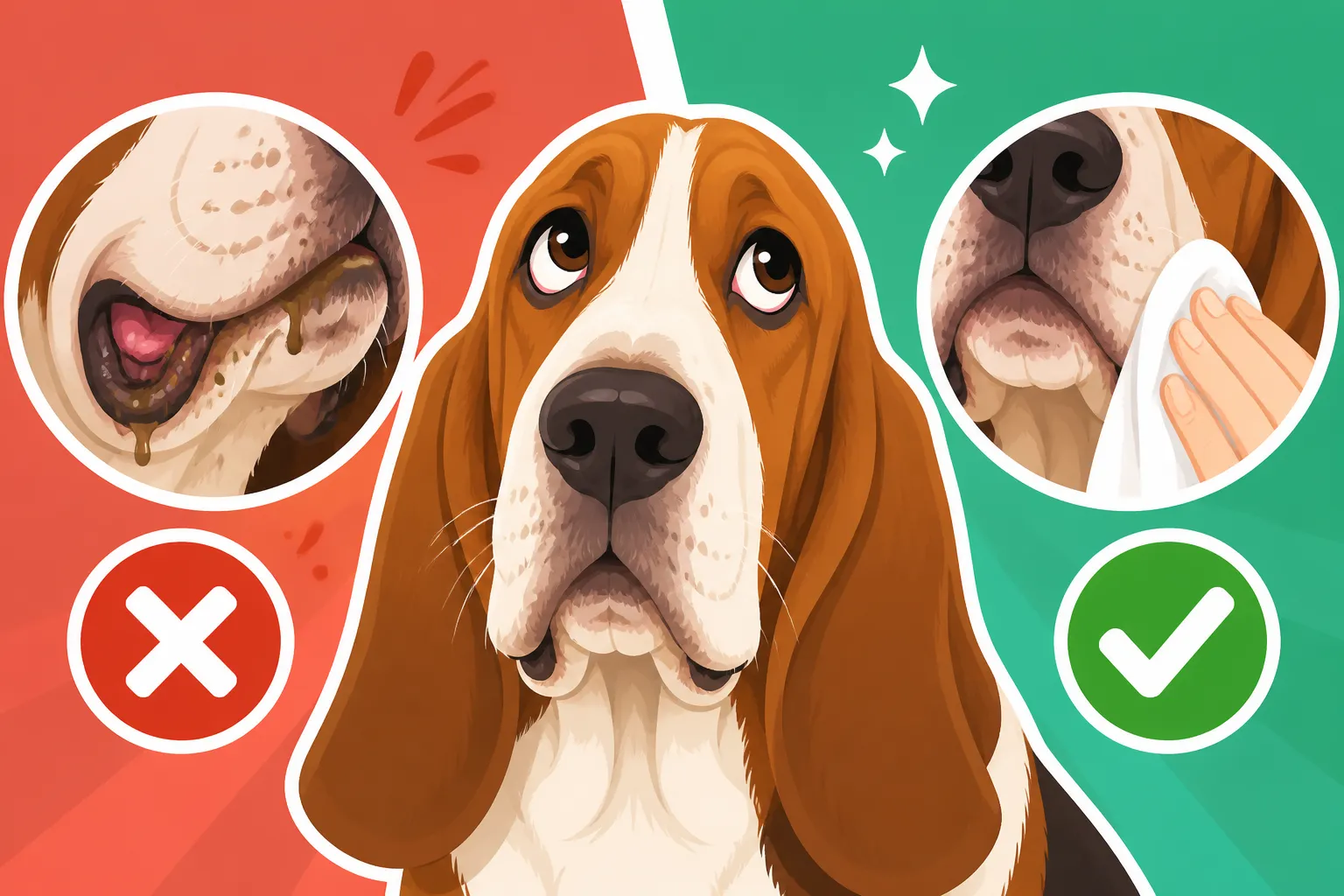
A Basset Hound's signature look — those long, pendulous lips, the abundant dewlap beneath their chin, and the deep facial folds — are truly magnificent, but they also act like natural food and liquid traps. Picture your Basset taking a drink of water; it’s not just a sip, it’s often a full dunk, and those long lips and jowls act like sponges, holding onto water that then drips everywhere. When they eat, especially softer foods or anything that crumbles, the same thing happens. Bits of kibble, moist food, or even tiny pieces of treats can easily get lodged in the crevices around their mouth and lips. It's not a flaw in their design, but rather a characteristic that requires a little extra attention from us. This constant dampness and trapped debris create an environment where issues can easily brew if left unchecked.
The Reality of Mealtime Mess
Beyond just the physical anatomy, the sheer enthusiasm with which many Basset Hounds approach their meals is a factor. They're not exactly known for delicate eating habits! A Basset Hound will often dive face-first into their bowl, regardless of whether it's The Twice Weekly Ear Ritual a Basset Hound Owner Signs Up For or dinner. This vigorous eating, combined with their anatomical features, means food and water aren't just around their mouth; they're often in their mouth folds, on their dewlap, and even clinging to their long ears. Think about it: a quick glance after dinner often reveals a small crusty collection around the mouth, or a perpetually damp chin from water consumption. This isn't just unsightly; it's a breeding ground for problems. This persistent mess isn't going to clean itself, and just waiting for the next meal to wash it away isn't a viable strategy for good hygiene.
Beyond Just Aesthetics: Health Concerns
While a clean Basset Hound mouth certainly looks better and reduces that tell-tale "doggy breath," the real impetus for regular cleaning goes deeper than just appearance. The constant moisture and trapped food particles create an ideal environment for bacteria and yeast to flourish. These microbes thrive in warm, damp, and dark places, and the deep folds of a Basset's mouth provide exactly that. This can lead to skin irritation, redness, and even painful infections, which are often grouped under the umbrella of "skin fold dermatitis." You might notice a sour or yeasty smell, or your Basset might start rubbing their face more often. These aren't just minor annoyances; they can cause real discomfort and necessitate veterinary intervention if they escalate. Regular wiping is a preventative measure, akin to brushing our own teeth, keeping these common problems at bay. You'd be surprised how many common Basset Hound issues can be traced back to these seemingly minor hygiene oversights, sometimes even impacting areas like The Skin Under a Basset Hound's Folds.
Why Daily Wiping is More Than Just Tidiness
When we talk about wiping your Basset Hound's mouth daily, it's not about being obsessive or creating more work than necessary. It's about being proactive and understanding the impact of consistent, simple care. This small daily act can make a significant difference in their overall comfort and health, preventing common issues before they even have a chance to take hold.
Preventing Skin Irritation and Infections
The dampness and trapped organic matter in a Basset Hound's facial folds are a prime invitation for skin irritation. When skin stays wet for extended periods, it becomes macerated, meaning it softens and breaks down, much like our own skin after a long bath or wearing a wet bandage. This compromised skin barrier is then highly susceptible to bacterial and yeast infections. You might start noticing redness, itchiness, or even small sores in those delicate areas around their lips and chin. These aren't just uncomfortable; they can become quite painful and require veterinary treatment, including medicated wipes, creams, or even oral antibiotics, to clear up.
Daily wiping helps by removing the moisture and food debris that act as fuel for these infections. It allows the skin to dry out, breathe, and maintain its natural protective barrier. Think of it as hitting the reset button on their mouth hygiene every day, stopping the growth of harmful microbes before they get out of control. This simple act can save your Basset from a lot of discomfort and potentially expensive vet visits down the line. It's similar to the care needed to prevent Skin Fold Infections on a Basset Hound in other areas of their body.
Combating Unpleasant Odors
Let's be honest, Basset Hounds can sometimes carry a distinct "eau de dog," and a significant contributor to this can be their mouth and the surrounding damp folds. The same bacteria and yeast that cause skin irritation also produce unpleasant odors. When food particles decompose in those moist, warm crevices, they generate smells that can quickly become noticeable, especially if your Basset loves to snuggle up close. That sweet or sour smell around their mouth isn't charming; it's often a sign that something is brewing.
Daily wiping tackles this head-on. By removing the trapped food, saliva, and moisture, you're essentially eliminating the source of these odors. It's not just masking a smell with a scented wipe; it's physically cleaning away the microscopic culprits that are causing it. A clean mouth smells, well, clean! This makes those slobbery kisses much more appealing and generally makes living with your Basset a more pleasant experience for everyone. It's a small victory in the ongoing battle against that specific Basset Hound aroma.
A Proactive Approach to Dental Health
While wiping your Basset's mouth isn't a substitute for regular tooth brushing or professional dental cleanings, it does play a supportive role in overall oral hygiene. Food particles that cling to the outside of the lips and get trapped in the folds can contribute to a buildup of plaque and tartar on the outer surfaces of the teeth, especially the canines and incisors, if they migrate inward. Even if you're regularly brushing your Basset's teeth (which is a fantastic habit to get into), the external cleaning of the mouth area ensures a more comprehensive approach.
By wiping away this external debris, you're reducing the overall bacterial load around the mouth, which can indirectly benefit the health of their gums and teeth. It’s an extra layer of defense, particularly for those areas that might be missed during a quick tooth-brushing session. Think of it as preparing the battlefield – removing the easy targets before moving onto the more challenging areas. A clean exterior helps maintain a cleaner interior, supporting their long-term Whether a Basset Hound Gets Dental Disease.
Practical Tips for Effective Mouth Wiping
Okay, so you're on board with daily mouth wiping. Now, how do you actually do it without turning it into a wrestling match? The key is to make it a positive experience, use the right tools, and integrate it seamlessly into your daily routine. It doesn't have to be a chore; it can be a quick moment of connection with your Basset.
Choosing the Right Tools and Products
When it comes to wiping your Basset Hound's mouth, simplicity and gentleness are your best friends. You don't need a fancy arsenal of gadgets, but choosing the right materials can make a big difference in effectiveness and your Basset's comfort.
- Soft Cloths: Microfiber cloths, old cotton t-shirts cut into squares, or even soft washcloths are excellent choices. They are absorbent, gentle on sensitive skin, and can be easily washed and reused. Dampen them with warm water – no need for harsh soaps. For convenience, you might keep a small stack near their food area or by the door.
- Pet-Specific Wipes: There are many excellent pet wipes on the market specifically designed for facial folds and sensitive areas. Brands like TropiClean or Earthbath often have formulations that are gentle, fragrance-free, and safe if ingested. Some even contain ingredients like aloe or witch hazel to soothe skin and combat yeast. You can find a wide variety of these on sites like Chewy or Amazon, making it easy to stock up. Just make sure to read the labels carefully to ensure they're appropriate for daily use and won't cause irritation. Avoid baby wipes, as they often contain ingredients not suitable for pets.
- Gentle Cleansing Solutions: For a bit more cleaning power, especially if you're battling a bit of existing funk, you can use a very dilute solution of veterinary-approved chlorhexidine wash (diluted as per instructions) or even just a splash of apple cider vinegar in water (again, heavily diluted). However, for daily maintenance, plain warm water on a soft cloth is usually more than sufficient and gentlest. Always avoid anything with strong perfumes, alcohol, or harsh chemicals.
| Tool/Product | Pros | Cons | Best Use Case |
|---|---|---|---|
| Soft Cotton Cloths | Reusable, economical, very gentle, customizable | Requires washing, less portable than wipes | Daily basic cleaning with water |
| Pet-Specific Wipes | Convenient, pre-moistened, often soothing | Can be single-use (less eco-friendly), ongoing cost | Quick clean-ups, travel, between deeper cleanings |
| Diluted Cleansers | More effective for mild irritation/odor | Requires dilution, check vet approval | Targeted cleaning for specific issues (under vet guidance) |
Establishing a Routine That Works
Consistency is key when introducing any new grooming habit to your Basset Hound. The goal is to make mouth wiping a routine that's as unremarkable and easy as their dinner bowl hitting the floor.
- Timing is Everything: The best time to wipe their mouth is usually right after they've eaten and/or had a drink. This is when the most debris and moisture will be present, and you're tackling the mess before it has a chance to dry and harden. Many Basset owners find it helpful to combine it with other post-meal routines, like a quick ear check or a gentle chin rub.
- Start Slow and Positive: Don't just dive in. Begin by gently touching their face and around their mouth. Use a soft, damp cloth and make it a brief, pleasant experience. Offer a small, high-value treat (perhaps a bit of cooked chicken or a taste of their favorite fresh food like Ollie offers) immediately after. Over time, gradually increase the duration and thoroughness of the wipe. If your Basset is resistant, keep the sessions short and frequent, focusing on positive reinforcement.
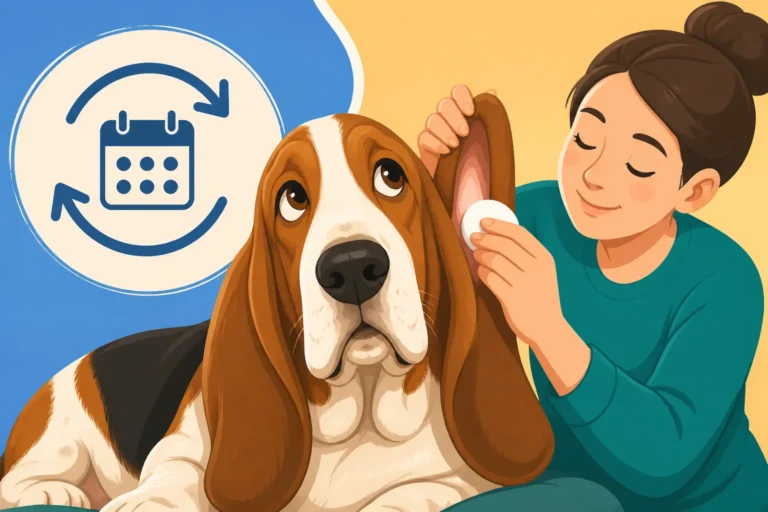
- Make it a Habit: Aim for at least once a day, especially if your Basset is a particularly messy eater or drinker. If their face gets exceptionally wet or dirty from outdoor adventures, an extra wipe might be beneficial. Just like you'd ensure they get their How Often a Basset Hound's Ears Must Be Cleaned, this needs to become a regular part of their day. A consistent routine helps them understand what to expect, reducing anxiety and making the process smoother for both of you.
Beyond the Mouth: Other Key Areas to Keep Clean
While the focus here is on the mouth, it's worth remembering that a Basset Hound's unique anatomy often means other areas of their face and body also require attention. Their long, pendulous ears are notorious for trapping moisture and debris, leading to infections. A quick glance at The Ear Infections That Never Really Leave a Basset Hound will tell you just how prone they are. Similarly, those adorable, soulful eyes can sometimes collect discharge, especially if they have loose eyelids.
When you're wiping their mouth, take a moment to gently wipe around their eyes with a separate, clean, damp cloth. Always wipe away from the eye, and use a fresh part of the cloth for each eye to prevent cross-contamination. And, of course, their magnificent ears require their own dedicated cleaning schedule, but a quick wipe of the outer ear flaps can be done at the same time as their mouth, catching any stray food or dirt that may have ended up there. Think of it as a mini-facial for your Basset, ensuring all those beautiful folds and crevices are kept clean and comfortable.
When to Consult Your Vet (and What to Look For)
Even with the most diligent daily wiping routine, sometimes issues can arise. It's crucial for Basset Hound owners to be vigilant and know when a minor mess has turned into something that requires professional veterinary attention. Early intervention can prevent small problems from escalating into more serious, painful, and costly conditions.
Signs That Indicate a Deeper Problem
While redness and a bit of odor can be normal indicators that daily wiping is necessary, certain signs suggest that a more significant issue might be at play. Don't hesitate to contact your veterinarian if you observe any of the following:
- Persistent Redness and Inflammation: If the skin around your Basset’s mouth or in their folds remains red, swollen, or inflamed despite regular cleaning, it could indicate an active infection that needs medication. Sometimes, owners mistake the normal pinkness of healthy skin for early irritation, but persistent, angry-looking redness is a red flag.
- Sores, Ulcers, or Weeping Skin: Any open sores, raw patches, or areas where the skin is weeping fluid are definite signs of infection and significant irritation. These can be very painful and are prone to worsening rapidly. You might notice dried crusts or matted fur in these areas.
- Strong, Foul Odor: While a slight "doggy" smell is normal, a strong, offensive, putrid, or intensely yeasty odor that doesn't dissipate after cleaning points to an underlying bacterial or fungal infection that likely requires specific medication. This isn't just a surface issue; it means the microbes are thriving deeply in the tissue.
- Excessive Licking, Rubbing, or Discomfort: If your Basset is constantly licking their lips, rubbing their face against furniture, or showing signs of pain when you try to touch their mouth, they are telling you they are uncomfortable. This behavior change indicates the irritation is beyond a mild level.
- Thickened or Discolored Skin: Chronic inflammation can lead to changes in skin texture and color. The skin might become thicker, tougher, or develop a brownish/blackish discoloration, often referred to as hyperpigmentation or lichenification. This is a sign of long-standing irritation.
- Loss of Appetite or Reluctance to Eat: If the pain or discomfort around their mouth is severe, your Basset might become reluctant to eat or drink. This is a serious symptom that needs immediate veterinary attention, as it can quickly lead to dehydration or malnutrition, especially if they are also struggling with something like Whether a Basset Hound Has a Sensitive Stomach.
If you notice any of these signs, please don't try to self-diagnose or treat with home remedies. Your vet can accurately diagnose the issue (which might involve skin scrapes, cytology, or cultures) and prescribe the correct antifungal, antibacterial, or anti-inflammatory medications.
The Role of Diet and Supplements in Oral and Skin Health
It might seem like a jump from mouth wiping to diet, but what goes into your Basset Hound's mouth absolutely affects the health of their skin, coat, and overall immune system – which, in turn, impacts their ability to ward off infections around their mouth and elsewhere. A high-quality, balanced diet provides the essential nutrients needed for healthy skin and a robust immune system.
- Balanced Nutrition: Ensure your Basset is eating a complete and balanced dog food appropriate for their age and activity level. Look for ingredients that support skin and coat health, such as omega-3 and omega-6 fatty acids, often found in fish oils or flaxseed. Sometimes, food allergies or sensitivities can manifest as skin issues, including irritation around the mouth. If you suspect a food sensitivity, your vet might recommend a dietary trial.
- Hydration: Adequate water intake is crucial for overall health, including keeping mucous membranes healthy and aiding in the flushing of toxins. Always ensure your Basset has access to fresh, clean water. Using a narrower, deeper bowl can sometimes help keep those long ears and dewlaps a bit drier, minimizing mess.
- Supplements: Your vet might recommend supplements such as fish oil (rich in EPA and DHA) to support skin barrier function and reduce inflammation. Probiotics can also sometimes help with overall gut health, which can indirectly influence skin health. Brands like Chewy and Amazon offer a wide range of supplements, but always consult your vet before adding anything new to your Basset's regimen. For fresh food options that might offer different nutritional benefits, looking into companies like Ollie could be worthwhile, as they prioritize fresh, whole ingredients that can contribute to overall vitality and skin health. Just remember, these are complementary to good hygiene, not a replacement.
Long-Term Management for a Happy, Healthy Basset
Managing your Basset Hound's mouth and skin health is an ongoing commitment, not a one-time fix. It's about establishing habits that support their unique needs throughout their life, from puppyhood to being The Old Basset Hound That Cannot Get Off the Floor.
- Consistent Routine: The most important aspect is consistency. Daily mouth wiping, regular ear cleaning, and routine veterinary check-ups are the pillars of long-term health for a Basset. Don't wait for a problem to appear; prevent it from happening.
- Weight Management: Keeping your Basset at a healthy weight is also crucial. What Extra Weight Does to a Basset Hound includes exacerbating skin fold issues by making existing folds deeper and creating new ones, which can become hotspots for moisture and infection.
- Environmental Factors: Consider your home environment. Is it very humid? Does your Basset roll in mud or spend a lot of time in damp areas? These factors can contribute to skin problems and increase the need for vigilant cleaning.
- Regular Vet Visits: Schedule regular check-ups with your vet. They can monitor your Basset's overall health, including their skin and mouth, and catch any potential issues early. Don't forget those annual dental checks, as a healthy mouth starts inside, too.
By embracing these comprehensive care strategies, you're not just dealing with the "drool factor," you're actively contributing to your Basset Hound's comfort, health, and quality of life. A clean Basset is a happy Basset, and a happy Basset means a happy owner.
Disclaimer
This article is for general informational purposes only and does not constitute professional advice. Laws, prices and regulations vary by location and change over time. Consult a qualified professional for guidance on your specific situation.