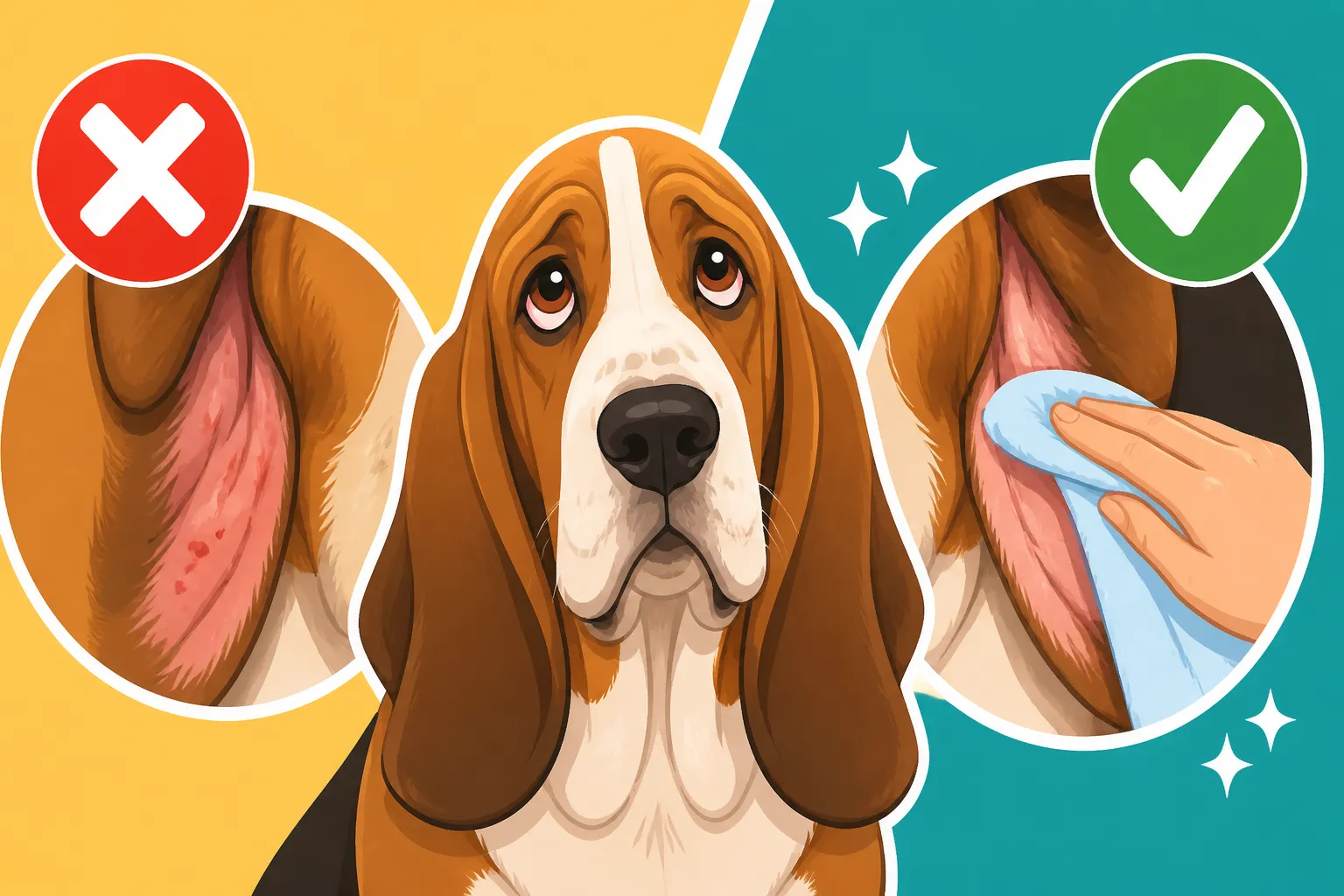
Whether a Basset Hound’s Folds Need Drying After Cleaning
Oh, the beloved, wrinkly face of a Basset Hound! It's one of their most endearing features, isn't it? But those charming folds, while giving them that distinctive look, can also be a real magnet for moisture and mischief, leading to uncomfortable skin issues for our floppy-eared friends. Many of us Basset owners find ourselves wondering just how diligent we need to be about keeping those nooks and crannies dry after a good clean. This guide is here to tell you that drying those folds isn't just a good idea, it's absolutely essential for your Basset's health and happiness.
The Anatomy of a Basset Hound's Folds and Why They Matter
Basset Hounds are famous for their generous skin, which bunches up into characteristic folds around their face, neck, and sometimes even other parts of their body. These aren't just for show; they're a crucial part of what makes a Basset a Basset, and understanding their purpose, as well as their propensity for trouble, is the first step to proper care.
The Purpose of Those Beautiful Wrinkles
Those luscious, droopy folds, particularly around the face, serve a fascinating purpose related to the Basset Hound's incredible sense of smell. As a Basset follows a scent trail with its nose to the ground, its long ears and loose facial skin act like a natural scent-collecting apparatus. The folds help to trap scent particles, directing them towards the nose and keeping them close, enhancing their already phenomenal olfactory abilities. It's a design marvel for a scent hound! However, this very design, while brilliant for tracking, creates pockets that can easily hold moisture, food debris, and environmental gunk, making them a prime location for skin irritation and infection if not properly managed. This unique facial structure is part of The Twelve Inch Ears a Basset Hound Was Given on Purpose and contributes to their overall trailing prowess.
Beyond their functional purpose, these wrinkles are also a defining characteristic of the breed's standard. A well-bred Basset Hound will have prominent, loose skin, giving them that wonderfully mournful and dignified expression we all adore. It’s part of their charm, but also part of the daily commitment we make as Basset owners. Ignoring the care of these folds is like ignoring a leaky faucet – eventually, you’ll have a much bigger, smellier problem on your hands.
Common Areas Prone to Moisture Trapping
While a Basset Hound's entire body can have loose skin, certain areas are particularly prone to trapping moisture due to their depth and location. The facial folds are perhaps the most prominent. You'll find deep wrinkles around their muzzle, under their eyes, and especially along their prominent jowls and flews (the pendulous upper lips). After drinking water, eating, or even just drooling (a Basset specialty!), these areas can remain damp for extended periods.
Then there are the neck folds. A Basset's substantial dewlap – that loose skin under their chin and neck – can also create deep creases. These can become damp from water, sweat, or even just normal body moisture, especially in warmer weather or after exercise. Furthermore, while less common for severe moisture trapping, the folds on their chest or even between their toes can also sometimes be affected, particularly in heavier-set individuals or those with more pronounced skin laxity. These areas often go unnoticed until a problem arises, making a regular, thorough check essential.
The Risks of Undried Folds
Leaving your Basset Hound's skin folds damp after cleaning, or simply allowing them to remain moist from other sources, invites a host of unpleasant and often painful problems. The warm, dark, and humid environment created within these folds is the perfect breeding ground for various microorganisms, primarily yeast and bacteria. This can quickly escalate from a minor annoyance to a full-blown skin infection.
The most common issue is skin fold dermatitis, also known as intertrigo. This condition causes inflammation, redness, and irritation, leading to intense itching and discomfort for your dog. If left unchecked, it can progress to open sores, secondary bacterial infections, and a persistent, foul odor that no amount of bathing seems to resolve. It's truly a situation where an ounce of prevention (drying!) is worth a pound of cure (expensive vet visits and antibiotics). Skin Fold Infections on a Basset Hound are a real concern and one of the most common ailments these wonderful dogs face.
The Imperative of Drying: Why It's Not Optional
When it comes to Basset Hounds, drying their folds isn't just about good grooming; it's a critical component of their health regimen. Overlooking this step can lead to chronic discomfort, persistent odors, and expensive veterinary interventions. We owe it to our Bassets to understand why this seemingly simple act is so profoundly important.
Preventing Skin Fold Dermatitis
Skin fold dermatitis is a direct consequence of prolonged moisture and friction in skin folds. Imagine chafing, but in a constantly damp environment, and you get a pretty good picture of what your Basset is experiencing. When moisture accumulates, it softens the skin (maceration), making it incredibly vulnerable to irritation. The constant rubbing of skin against skin within the folds exacerbates this, creating tiny abrasions that are ripe for infection.
This condition is not just superficial. The inflammation can penetrate deeper layers of the skin, causing intense pain and persistent itching. Your Basset may try to relieve the discomfort by rubbing their face on furniture, pawing at their wrinkles, or even licking the affected areas, which only introduces more moisture and bacteria, creating a vicious cycle. The key to breaking this cycle, or better yet, preventing it from ever starting, is diligently ensuring those folds are completely dry after any exposure to moisture.
Combating Yeast and Bacterial Overgrowth
The warm, moist, and oxygen-deprived environment of damp skin folds is a veritable paradise for yeast and bacteria. Malassezia pachydermatis, a type of yeast, is a very common culprit in Basset Hound skin fold infections, thriving in such conditions. This yeast produces a distinct, often sweet-ish or pungent odor, and can cause thick, greasy, darkened skin. You might even wonder Whether a Basset Hound Gets Yeast Between Its Folds.
Simultaneously, various bacteria, such as Staphylococcus, also seize the opportunity to multiply rapidly. Bacterial infections typically manifest with more redness, pus, and a stronger, more unpleasant odor. Both yeast and bacterial overgrowths cause immense itching and discomfort. Without proper drying, even after a thorough cleaning, you're essentially providing the perfect incubator for these problematic microorganisms. Regular, complete drying disrupts their habitat, making it much harder for them to colonize and cause trouble.
Managing Odor and Discomfort
Let's be frank: Basset Hounds can sometimes be a bit… fragrant. While some of this is just typical "hound smell," a significant portion of unpleasant odors can be directly attributed to neglected skin folds. When yeast and bacteria proliferate, they produce metabolic byproducts that smell, well, terrible. This isn't just a minor issue; a persistent, sour or sickly sweet smell emanating from your Basset's face or neck is a clear indicator that a skin issue is brewing, or already well underway. This can lead to questions like Whether a Basset Hound Smells Because of Its Skin.
Beyond the smell, the discomfort for your Basset is real. Imagine having perpetually damp, irritated skin folds, constantly itching and perhaps even burning. It can significantly impact their quality of life, making them lethargic, irritable, or unwilling to engage in normal activities. By keeping their folds clean and, crucially, dry, you're not just preventing a smelly dog; you're ensuring your companion is comfortable, happy, and free from preventable pain. It allows them to be the joyful, laid-back Bassets we all know and love, without the constant distraction of itchy, irritated skin.
Practical Steps for Effective Fold Drying
Now that we understand why drying is so important, let's talk about the how. It's not just a quick wipe; it's a careful, deliberate process that should become a routine part of your Basset Hound's care. Consistency and thoroughness are your best friends here.
Gentle Cleaning Before Drying
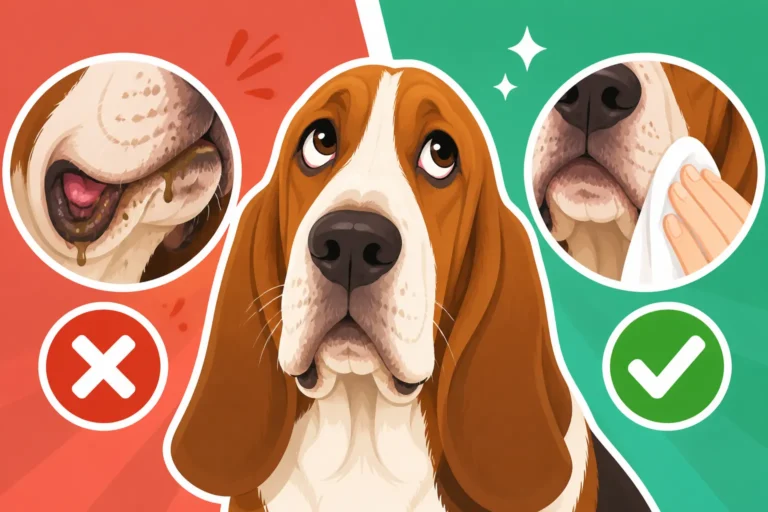
Before you can effectively dry the folds, they need to be clean. Think of it like trying to dry a dirty dish – it won't really be clean until you've washed it first! For Basset Hounds, this means regularly Cleaning a Basset Hound's Face Wrinkles with a product designed for canine skin. You want something gentle yet effective, to remove any food debris, dirt, drool, or discharge that has accumulated.
There are many excellent canine-specific wipes available from places like Chewy or Amazon that are pre-moistened with gentle cleansing solutions. Opt for those that are hypoallergenic and free from harsh chemicals or strong fragrances, as these can further irritate sensitive skin. Gently lift each fold and wipe the skin underneath, being meticulous but not abrasive. For deeper, more problematic folds, your vet might recommend a medicated wipe with an antifungal or antibacterial agent. Once the cleaning solution has done its job, you'll need to remove any residual moisture from the cleaning process itself – that’s where the drying comes in.
Tools and Techniques for Drying
Once the folds are clean, it’s time to dry them. The goal is to get the skin completely dry, without causing irritation. Here are some effective tools and techniques:
- Soft Cloths or Cotton Pads: For most Bassets, a soft, absorbent cloth (like a microfiber towel or even a clean washcloth) or plain cotton pads work wonders. Gently pat the inside of each fold until it feels dry to the touch. Avoid rubbing aggressively, as this can cause friction and irritation. Remember, you're trying to absorb moisture, not scrub the skin. Using fresh pads or sections of cloth for different areas ensures you're not spreading any potential microbes.
- Cotton Swabs (with caution): For very deep or narrow crevices, a cotton swab can be useful, but use it with extreme care and only if you can clearly see the area you're drying. Never insert it blindly, and again, pat gently rather than rubbing. This is especially helpful in the corner areas or around the eyes where discharge might accumulate.
- Low-Setting Blow Dryer: If your Basset tolerates it, a pet-specific blow dryer on the lowest heat and fan setting can be incredibly effective, especially after a full bath. Hold it at a safe distance, moving it constantly, and direct the airflow into the folds, gently lifting them to ensure the air reaches all surfaces. Always test the temperature on your own skin first to ensure it’s not too hot. If your Basset finds the noise or sensation stressful, stick to manual drying methods.
- Air Drying (with assistance): While pure air drying isn't recommended for the deep, moist areas, sometimes a few minutes of gently holding up the folds to expose them to air after patting dry can help. Just don't rely on it as the sole method, as the folds will likely collapse back, trapping moisture again.
Establishing a Regular Drying Routine
Consistency is paramount when it comes to Basset Hound fold care. This isn't a "once in a blue moon" task; it's an ongoing commitment that often requires daily attention, depending on your dog's individual needs and activity level. Start by incorporating fold checks and drying into your daily routine. Perhaps after their morning walk, or in the evening before settling down.
Think about triggers for moisture accumulation:
- After Meals and Drinks: Immediately after your Basset eats or drinks, take a moment to wipe and dry their jowls and chin folds. Food particles and water are primary culprits for moisture. Issues like Whether a Basset Hound's Ears Drag Through Its Food highlight the general messiness that can affect facial folds.
- After Baths: This is non-negotiable! Every single fold must be thoroughly dried after a bath. Water trapped deep in the wrinkles can lead to an infection faster than anything.
- Humid Weather or Exercise: If you live in a humid climate, or if your Basset has been active and might be sweating, an extra check and dry might be necessary.
- Discharge: If your Basset tends to have discharge from their eyes, this can also accumulate in facial folds. Regularly cleaning and drying these areas, particularly under the eyes, is crucial. Whether a Basset Hound's Eye Folds Collect Discharge is a common concern.
By making this a consistent habit, you'll not only prevent problems but also get your Basset accustomed to the handling, making the process smoother for both of you. Many owners find products available from Chewy or Amazon helpful for establishing this routine, from specific wipes to soft towels designated just for this purpose.
| Drying Method | Pros | Cons | Best Use Cases |
|---|---|---|---|
| Soft Cloth/Cotton Pads | Gentle, quiet, readily available | Can be time-consuming, requires diligence | Daily routine, after meals/drinks, sensitive dogs |
| Cotton Swabs | Reaches very deep, narrow folds | Risk of irritation if used improperly, single-use | Targeted drying of small, hard-to-reach areas |
| Low-Setting Blow Dryer | Fast, thorough, good for deep folds | Noise/sensation can scare dogs, requires tolerance | After baths, thick-furred areas, tolerant dogs |
| Air Drying (assisted) | Very gentle, no equipment needed | Slow, not fully effective on its own | Complement to other methods, mild moisture situations |
Long-Term Care and When to Seek Professional Help
Maintaining your Basset Hound's skin fold health is an ongoing journey that often requires a combination of diligent at-home care and, at times, professional veterinary intervention. Understanding the tools available and knowing when to call for backup is key to keeping your Basset comfortable and free from chronic skin issues.
Products to Aid in Fold Care
Beyond basic cleansing wipes and soft cloths, there are a variety of specialized products that can significantly aid in long-term fold care, particularly for Bassets prone to recurring issues. These products are readily available at pet supply stores or online marketplaces like Amazon and Chewy.
- Antifungal/Antibacterial Wipes: For Bassets with a history of yeast or bacterial infections, your vet might recommend specific medicated wipes. These often contain ingredients like chlorhexidine or miconazole, which kill or inhibit the growth of common skin pathogens. Using these as part of your regular cleaning routine can prevent flare-ups.
- Medicated Powders: Some owners find a light dusting of veterinary-approved medicated powder (containing zinc oxide or cornstarch-based absorbents) helpful after the folds are completely dry. These can absorb residual moisture and reduce friction. However, always consult your vet before using powders, as some can clump and worsen the problem, especially if the area isn't truly dry first.
- Barrier Creams: For very irritated areas, a thin layer of a prescribed barrier cream might be recommended by your vet. These create a protective layer on the skin, shielding it from moisture and irritants while promoting healing. Never use human creams without veterinary guidance, as many contain ingredients that are harmful to dogs.
Remember, these products are generally aids to, not replacements for, thorough cleaning and drying. They can be powerful allies in managing challenging fold issues, especially in areas like Whether a Basset Hound's Lip Folds Sour or Whether a Basset Hound's Neck Folds Get Sore.
Recognizing Signs of Trouble and When to Call the Vet
Despite your best efforts, sometimes problems can arise, or existing issues can escalate. It's crucial for Basset owners to be vigilant and know the signs that warrant a trip to the veterinarian. Early intervention can prevent minor irritations from becoming severe, painful infections.
Look out for any of these indicators:
- Persistent Redness or Inflammation: If the skin within the folds remains red, inflamed, or swollen despite regular cleaning and drying.
- Strong, Foul Odor: A persistent, unpleasant smell that doesn't go away after cleaning, especially if it's sweet, yeasty, or putrid.
- Discharge: Any oozing, pus, or thick, discolored discharge from the folds.
- Pain or Sensitivity: If your Basset yelps, flinches, or resists when you try to touch their folds, it's a sign of pain.
- Bleeding or Open Sores: These are clear signs of a serious infection or irritation that needs immediate attention.
- Behavioral Changes: Increased scratching, rubbing their face on carpets or furniture, lethargy, or a general reluctance to interact can indicate discomfort.
If you observe any of these symptoms, don't wait. Contact your veterinarian promptly. They can accurately diagnose the issue (which might involve skin scrapes, cultures, or cytology to identify yeast, bacteria, or other pathogens) and prescribe appropriate treatment, such as topical medications, oral antibiotics, or antifungals. What Basset Hounds Are Most Often Treated For often includes skin conditions, precisely because of these fold-related issues.
The Role of Diet in Skin Health
While external care is vital, don't underestimate the role of internal health, particularly diet, in maintaining your Basset Hound's skin integrity. A healthy diet provides the building blocks for strong skin and a robust immune system, making your Basset better equipped to fight off infections and reduce inflammation.
Ensure your Basset is on a high-quality, balanced dog food. Some Bassets can develop sensitivities or allergies to certain ingredients (like common proteins or grains), which can manifest as skin problems, including increased itching and inflammation that might worsen fold dermatitis. If you suspect a food allergy, discussing a limited ingredient diet or a novel protein diet with your vet is a good idea. Brands like Ollie offer fresh, customized meal plans that can be beneficial for sensitive dogs, providing high-quality, easily digestible ingredients.
Furthermore, consider supplements rich in Omega-3 fatty acids, such as fish oil. These "good fats" are known for their anti-inflammatory properties and can significantly improve skin and coat health, reducing dryness, itchiness, and overall susceptibility to skin issues. Always introduce new supplements under veterinary guidance. A healthy gut microbiome also contributes to overall immune function and skin health, so a diet that supports digestive wellness can indirectly benefit your Basset's folds. Addressing Whether a Basset Hound Reacts to Its Food can sometimes be a missing piece of the puzzle in managing chronic skin problems.
Disclaimer
This article is for general informational purposes only and does not constitute professional advice. Laws, prices and regulations vary by location and change over time. Consult a qualified professional for guidance on your specific situation.