Whether a Basset Hound’s Neck Folds Get Sore
The majestic, soulful gaze of a Basset Hound is often framed by those wonderful, characteristic folds of skin, especially around their neck and face. While these wrinkles are part of what makes our Bassets so uniquely charming, they can also be a hidden source of discomfort and irritation. It's a real frustration when you notice your beloved hound scratching or rubbing, only to discover a tender, angry-looking patch within those seemingly innocuous folds. This guide will walk you through why your Basset Hound's neck folds might get sore, how to spot the signs, and, most importantly, how to keep your floppy-eared companion comfortable and healthy.
The Unique Vulnerability of a Basset Hound's Neck Folds
Those luxurious rolls of skin aren't just for show; they're actually a crucial part of the Basset Hound's legendary scent-tracking ability, helping to trap and concentrate odors closer to their powerful nose. But this very design, which serves them so well in the field, unfortunately creates a perfect storm for potential skin issues. It's an often-overlooked aspect of their care that can lead to significant discomfort if not managed proactively.
More Than Just Loose Skin
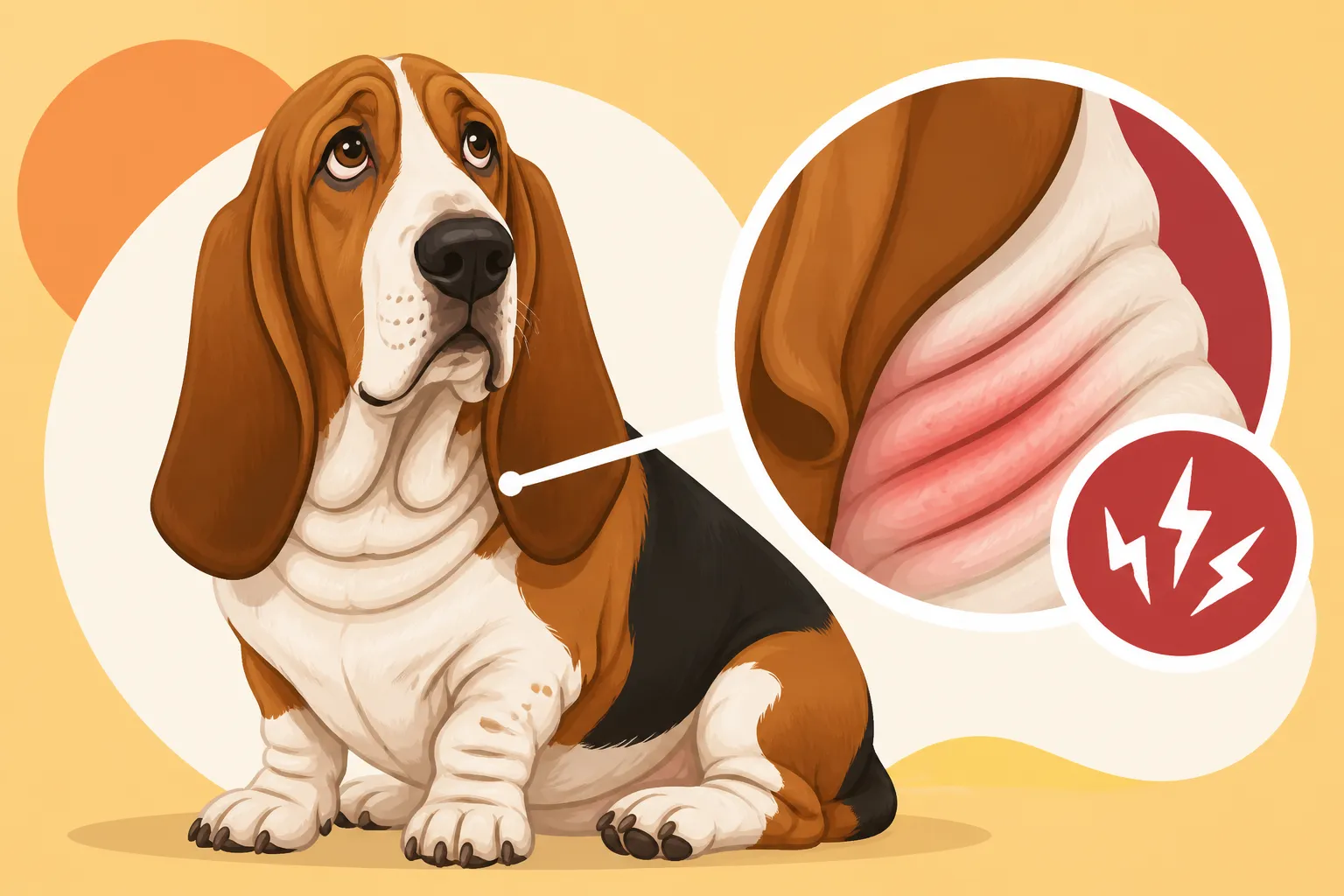
Imagine wearing a perpetually damp, warm blanket around your neck that never quite sees the light of day. That's a bit like what the undersides of a Basset Hound's neck folds experience. These folds create deep crevices where skin rubs against skin, trapping moisture, warmth, and various environmental particles. Unlike flat skin surfaces that get plenty of air circulation, these areas are often dark, humid, and poorly ventilated.
This environment is ripe for trouble. The skin itself, while robust, can become delicate when constantly moist or under friction. Think about how your own skin feels after being wet for too long – it gets pruney and more susceptible to irritation. Now imagine that, but in an area that’s constantly moving, stretching, and rubbing throughout the day as your Basset ambles about, eating, sniffing, and sleeping. This constant friction alone can be enough to break down the skin's natural protective barrier.
The Perfect Storm for Irritation
Beyond just the physical rubbing, a Basset's neck folds are essentially a collection zone for everything they encounter. Drool, which Basset Hounds can produce in abundance, especially after a meal or when excited, easily dribbles into these folds and sits there. Food particles, whether from enthusiastic eating or just general messiness, can also get trapped. And let's not forget the great outdoors – dust, pollen, mud, grass seeds, and other allergens can find a cozy home deep within those wrinkles.
The combination of trapped moisture from drool or humidity, warmth from their body heat, and lack of air flow creates an ideal breeding ground for opportunistic microorganisms. Bacteria and yeast, naturally present on the skin, can multiply rapidly in these conditions, leading to inflammatory responses and infections. It’s a vicious cycle where irritation leads to scratching, which further breaks the skin, inviting more infection. It's a common story that can easily turn a minor issue into a significant health problem if not addressed promptly and diligently. Skin Fold Infections on a Basset Hound are a prime example of this cascade of issues.
Common Causes of Soreness in Basset Hound Neck Folds
When those neck folds become sore, it's rarely for just one reason. Often, it's a combination of factors culminating in a painful situation for your hound. Understanding the culprits can help you prevent and treat these common issues effectively.
Skin Fold Dermatitis and Yeast Infections
This is perhaps the most frequent offender when it comes to sore neck folds. Skin fold dermatitis, also known as intertrigo, occurs when skin rubs together, trapping moisture and allowing bacteria and yeast to flourish. For Basset Hounds, the deep wrinkles of their neck provide the perfect dark, moist, and warm environment. You might start to notice a distinct, often sweet-sour, musty odor emanating from the area – a tell-tale sign of yeast overgrowth. Whether a Basset Hound Smells Because of Its Skin is a common concern among Basset owners, and often the folds are the source.
The skin will typically appear red, inflamed, and perhaps even greasy. Your Basset might start scratching or rubbing their neck excessively, leading to further irritation and even open sores. Without intervention, these areas can become incredibly painful, leading to behavioral changes like lethargy or reluctance to be touched. It's a frustrating cycle for both you and your dog, as the more it itches, the more they scratch, and the worse it gets. A veterinarian's diagnosis is crucial here, as they can determine if it's primarily a yeast infection, a bacterial infection, or both, and prescribe the appropriate antifungal or antibiotic treatments.
Allergic Reactions and Environmental Irritants
Just like us, Basset Hounds can suffer from allergies, and their skin is often the first place these reactions show up. Their neck folds can be particularly susceptible. Contact allergies, for instance, might arise from certain materials in their collar, shampoo, or even detergents used on their bedding. Imagine your Basset enjoying a good roll in the grass, only for pollen or environmental allergens to get trapped deep within their neck folds, triggering an itchy, inflamed reaction.
Food allergies or sensitivities can also manifest as skin issues. If your Basset is reacting to an ingredient in their diet, it can lead to generalized itchiness and inflammation, making their already vulnerable folds even more prone to secondary infections and soreness. Symptoms might include redness, bumps, excessive licking, and discomfort when touched. It can be a long process to pinpoint the exact allergen, often requiring dietary changes or environmental modifications. If you suspect allergies, discussing it with your vet is essential. They might suggest a prescription diet or introduce novel protein sources. Brands like Ollie, which offers fresh, customized meals, might be something to explore with your vet to see if a specific diet helps manage skin sensitivities. Whether a Basset Hound Gets Allergies is an important topic, as skin issues are frequently linked to environmental or food triggers.
Chafing, Rubbing, and Collars
Sometimes, the simplest things can cause the most trouble. A poorly fitting collar, or even one that fits well but is worn constantly, can cause friction and chafing within the neck folds. This is especially true if the collar gets wet and stays damp, or if it's made of a rough material. The constant movement of walking, playing, and even just breathing can cause the collar to rub against the delicate skin of the folds, leading to redness, hair loss, and even raw spots.
Consider also the general movement of the Basset Hound's head and neck. As they sniff the ground, lift their heads, or play, these substantial folds are constantly shifting and rubbing against each other. This natural chafing, when combined with moisture or allergens, can quickly break down the skin barrier. Over time, even without an outright infection, this continuous irritation can lead to thickened, tough, and uncomfortable skin. Choosing the right collar and ensuring it's not too tight or too loose, and regularly giving your Basset "naked neck" time, can go a long way in preventing this type of soreness. Whether a Basset Hound Should Wear a Collar or Harness is a debate many Basset owners have, and often a well-fitted harness can alleviate neck strain and rubbing.
Recognizing the Signs and Taking Action
As a Basset Hound owner, you become intimately familiar with their quirks, and their skin health should be no exception. Early detection is absolutely key when it comes to preventing minor fold irritation from escalating into a full-blown, painful infection.
Spotting the Trouble Early
Regularly checking your Basset's neck folds should become as routine as checking their ears or brushing their coat. The tricky part is that Bassets are masters of stoicism, sometimes hiding discomfort until it's quite advanced. You need to be proactive.
Here's what to look for during your routine checks:
- Redness or Inflammation: Gently part the folds and look for any areas of pinkness or deep red. Compare it to the healthy skin you can see elsewhere.
- Dampness or Stickiness: The folds should be dry. If they feel damp, sticky, or greasy to the touch, it's a sign that moisture is trapped.
- Unusual Odor: A healthy Basset should smell like a dog – not like sour milk, old socks, or overpowering yeast. Any unpleasant, sweet, or pungent smell coming from the folds is a red flag.
- Sensitivity or Pain: If your Basset flinches, pulls away, whines, or shows any sign of discomfort when you gently touch their neck folds, they're telling you something is wrong.
- Hair Loss or Matted Fur: Inflammation can lead to localized hair loss. If the fur within or around the folds looks sparse, matted, or discolored, investigate further.
- Discharge: Any yellowish, green, or brownish discharge, especially if it's crusty, indicates an active infection.
- Excessive Licking, Rubbing, or Scratching: If your Basset is constantly trying to rub their neck on furniture, scratch at the area, or lick excessively, they are itchy and uncomfortable.
Making these checks a part of your daily What a Basset Hound Needs Every Day routine, maybe while you're giving them a cuddle, can help you catch issues before they become severe.
Immediate Steps for Relief
If you've spotted some suspicious signs, don't panic, but do take action. Your immediate goal is to clean the area and prevent further irritation.
- Gentle Cleaning: Use a soft cloth or cotton pad dampened with a mild, dog-safe antiseptic solution or plain warm water. Gently wipe within the folds, making sure to get into the deeper crevices. Avoid harsh soaps or anything with strong perfumes. Many owners find success with specialized skin fold wipes that are designed to be gentle and effective. You can often find these at pet supply stores or online retailers like Chewy or Amazon. Which Wipes Suit a Basset Hound's Face Folds are formulated to be pH-balanced for canine skin.
- Thorough Drying: This step is crucial! After cleaning, use a dry, clean, soft cloth or cotton pad to thoroughly dry the area. You can even gently blot with a soft paper towel. Ensure there is absolutely no moisture left, as dampness is the enemy. You can follow up with a light dusting of cornstarch (unscented) to absorb any residual moisture, but only if there are no open sores or active infection, as cornstarch can trap bacteria.
- Prevent Further Irritation:
- Collar Check: Remove your Basset's collar if possible, or switch to a very soft, loose-fitting alternative temporarily.
- Environmental Control: Ensure their bedding is clean and dry. If they're a messy eater, consider using a snood during meal times to keep their ears and folds out of food and water. Whether a Basset Hound Needs a Snood at Dinner can also help prevent drool from soaking into the neck folds.
- Consult Your Vet: Even if you've cleaned it up, a sore fold almost always warrants a vet visit. They can properly diagnose the underlying cause – whether it's yeast, bacteria, allergies, or a combination – and prescribe targeted medications like medicated wipes, ointments, oral antibiotics, or antifungals. Trying to guess and treat it yourself can prolong discomfort and lead to more serious problems down the line.
Remember, consistency is key. Addressing these issues promptly and getting professional advice means a happier, healthier Basset.
| Symptom | Possible Cause | Immediate Action | When to See Vet |
|---|---|---|---|
| Redness/Inflammation | Chafing, beginning of infection, allergy | Gentle cleaning & drying, remove collar | If no improvement in 24 hrs, or worsening |
| Unpleasant Odor | Yeast/bacterial overgrowth | Gentle cleaning & drying | Always, for diagnosis & specific treatment |
| Dampness/Stickiness | Trapped moisture, discharge | Thorough drying, gentle cleaning | If persistent or accompanied by odor/redness |
| Sensitivity/Pain | Advanced inflammation, open sore | Minimize handling, clean gently if tolerated | Immediately, especially if open sore or discharge |
| Hair Loss | Chronic irritation, infection, allergy | Keep area clean & dry | To diagnose underlying cause |
| Excessive Scratching | Itchiness from infection or allergy | Prevent further scratching (e.g., cone if necessary) | Immediately, for diagnosis & relief |
Preventative Care for Healthy Neck Folds
The best defense against sore neck folds is a good offense! Establishing a consistent routine of preventative care can save your Basset Hound a lot of discomfort and you a lot of worry (and vet bills!). Think of it as investing in their long-term skin health.
Regular Cleaning and Drying Routines
This is the cornerstone of keeping your Basset's folds healthy. It might sound like a chore, but once you get into the rhythm, it becomes second nature.
- Daily or Every Other Day Wipes: Depending on your Basset's individual drooling habits, activity level, and skin sensitivity, you might need to wipe their neck folds daily or every other day. Use a soft, lint-free cloth or specific pet wipes formulated for skin folds. These often contain mild antiseptic ingredients like chlorhexidine or witch hazel which can help prevent microbial overgrowth. Ensure you gently but thoroughly clean all crevices. Brands like Douxo S3 Pyo wipes or even just plain baby wipes (unscented, alcohol-free) can be helpful, though always check with your vet for recommendations. You can find a great selection of these on Chewy or Amazon.
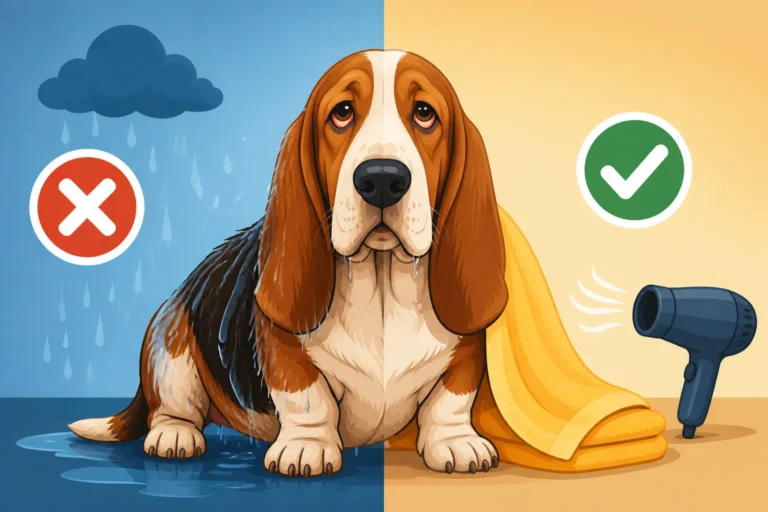
- Thorough Drying is Non-Negotiable: After cleaning, or anytime the folds get wet (e.g., after drinking, a bath, or a humid walk), take the time to meticulously dry them. Use a clean, soft towel or a cotton pad. You want the skin to be completely dry, not just superficially. This prevents that warm, moist environment where yeast and bacteria thrive.
- Ear Care Link: It might seem unrelated, but often, the same diligent approach you use for their ears should extend to their neck folds. If you're cleaning their ears as part of your routine How Often a Basset Hound's Ears Should Be Done, it's the perfect time to give their neck folds some attention too. The principles are similar: gentle cleaning and thorough drying.
Environmental Management and Gear Choices
Your Basset's immediate environment and the gear they wear play a huge role in preventing fold irritation. Small changes can make a big difference.
- Collar Considerations: Avoid narrow or rough collars that can dig into or chafe the folds. Opt for wider, softer collars made of breathable materials. Better yet, consider using a harness for walks to take pressure off the neck entirely. If you use a collar, remove it when your Basset is relaxing at home to allow air to circulate around their neck. Whether a Basset Hound's Ears Drag Through Its Food is a common problem, and a snug-fitting snood (like those available on Amazon) can help keep both ears and neck folds out of food and water.
- Clean Bedding: Your Basset spends a lot of time lounging. Ensure their bedding is regularly washed to remove dust, allergens, and shed skin cells that can contribute to skin irritation. A clean environment means fewer irritants to get trapped in those folds.
- Water Bowl Choice: While not directly affecting neck folds, a deep, narrow water bowl can minimize how much their ears and chin get wet while drinking. Less dripping water around the neck means less moisture pooling in the folds. Whether a Basset Hound Needs a Deep Bowl or a Shallow One is a question worth considering.
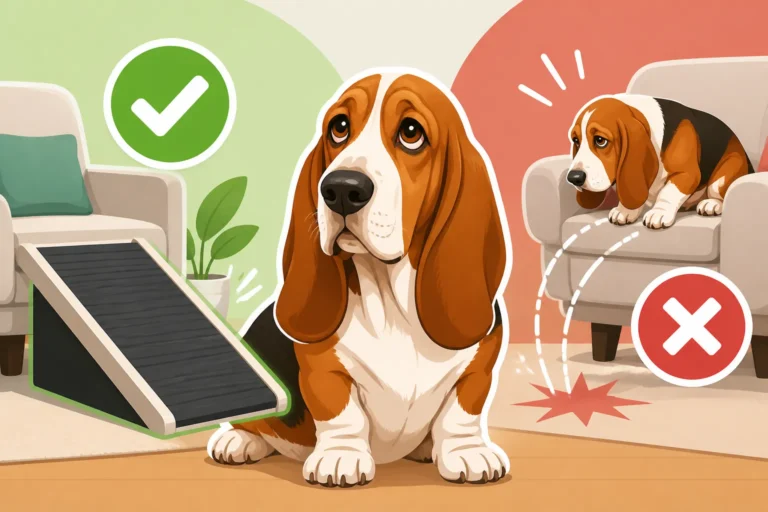
- Ramps and Steps: If your Basset jumps on and off furniture, this repeated motion can cause the skin around their neck and chest to stretch and rub in ways that might exacerbate irritation. Providing ramps or steps to beds and sofas can reduce this strain.
Nutritional Support and Vet Check-ups
What goes into your Basset Hound can significantly impact the health of their skin, and regular professional oversight is invaluable.
- Balanced Diet for Skin Health: A high-quality, balanced diet provides the essential nutrients, fatty acids, and vitamins necessary for healthy skin and a robust immune system. Some Bassets benefit from foods rich in omega-3 and omega-6 fatty acids, which can improve skin barrier function and reduce inflammation. If your Basset seems to have chronic skin issues, discussing specialized or therapeutic diets with your veterinarian is a good idea. Sometimes, a change to a fresh food diet, like those offered by Ollie, can make a noticeable difference in overall skin and coat health.
- Maintaining a Healthy Weight: Keeping a Basset Hound at Its Correct Weight is crucial for their overall health, and this extends to their skin. Excess weight can create even deeper, more numerous, and more constricted skin folds, worsening ventilation and increasing friction. It makes cleaning harder and dramatically increases the risk of skin fold dermatitis.
- Regular Vet Visits: Don't wait until there's a problem. Routine veterinary check-ups allow your vet to examine your Basset's skin and folds thoroughly, catching potential issues before they become severe. They can also offer tailored advice, recommend specific medicated washes or supplements, and discuss preventative strategies based on your individual dog's needs. If your Basset's skin feels particularly oily, your vet can assess if it’s a symptom of an underlying condition. Whether a Basset Hound's Skin Is Oily might indicate a need for a specific shampoo or dietary adjustment.
By being mindful and consistent with these preventative measures, you can dramatically reduce the chances of your Basset Hound experiencing sore neck folds, keeping them happy, healthy, and comfortable in their wonderfully wrinkled skin.
Disclaimer
This article is for general informational purposes only and does not constitute professional advice. Laws, prices and regulations vary by location and change over time. Consult a qualified professional for guidance on your specific situation.