Whether an Old Basset Hound Goes Deaf
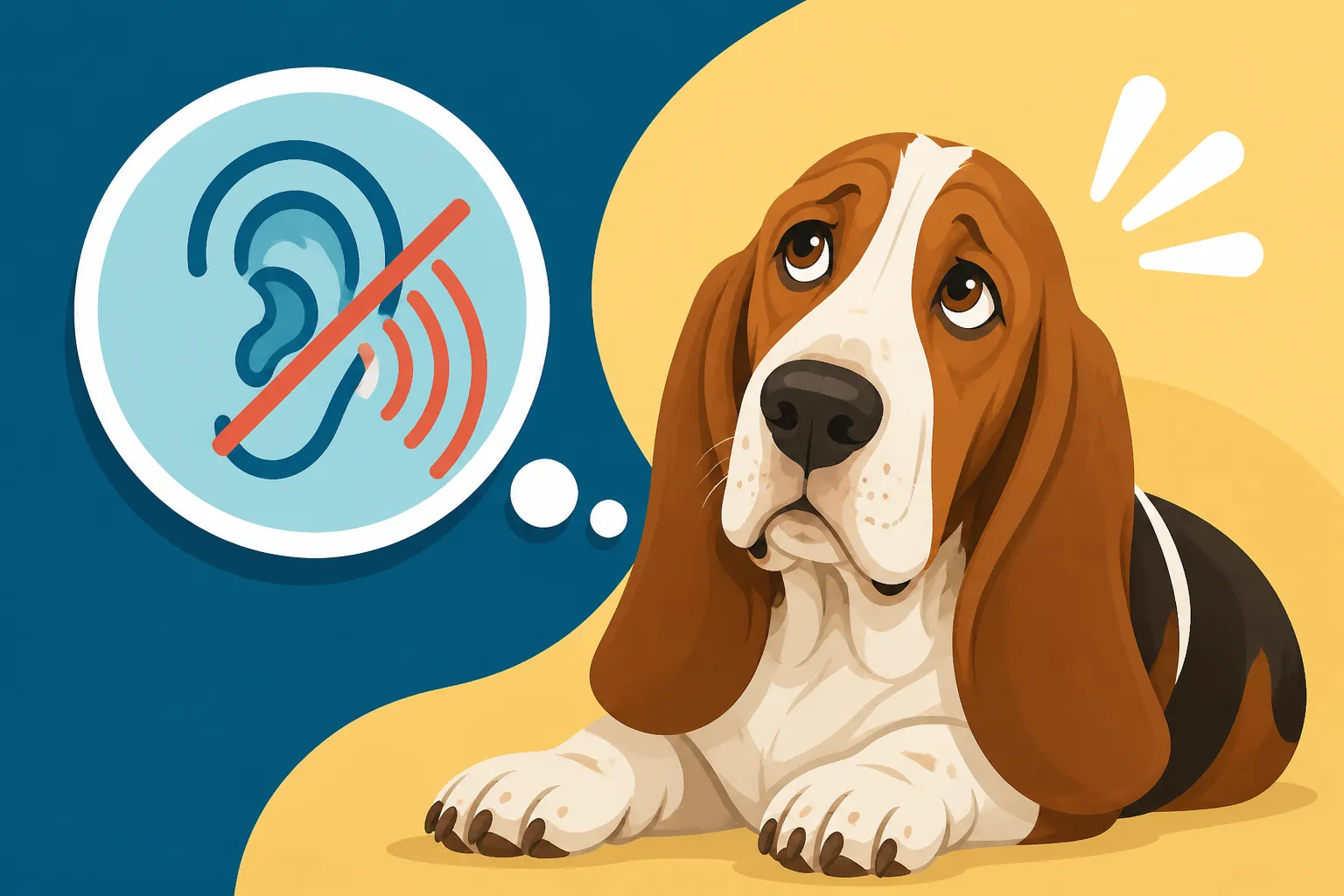
It’s a heart-wrenching moment when you realize your beloved Basset Hound, who once barked at every passing leaf, now sleeps through the doorbell or doesn’t come when called. For many Basset Hound owners, watching their floppy-eared companions age brings a unique set of worries, and hearing loss is definitely up there. This guide aims to thoroughly explore why senior Basset Hounds often experience deafness, how to spot the signs, and most importantly, how to support your dog through this common transition.
Understanding Age-Related Hearing Loss in Basset Hounds
Just like us, dogs can experience a gradual decline in their senses as they grow older. For Basset Hounds, who are already prone to ear issues due to their distinctive anatomy, this natural aging process can sometimes feel exacerbated. It’s not just about a few missed cues; it can profoundly change their interaction with the world.
The Natural Progression of Presbycusis
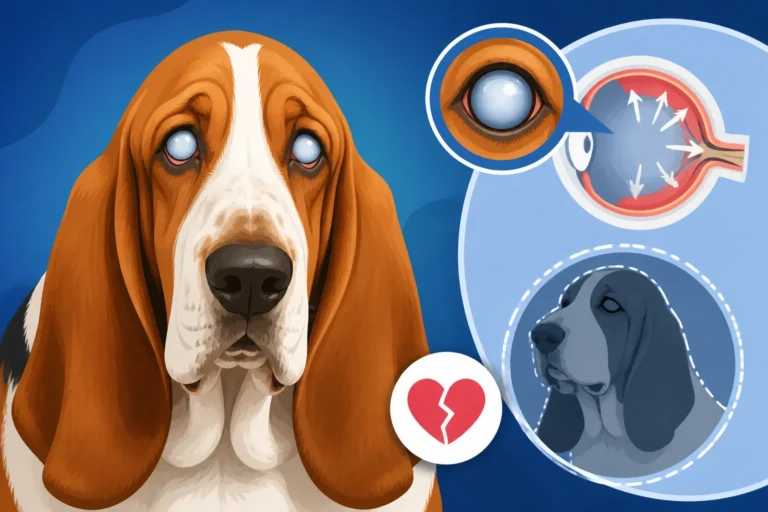
The medical term for age-related hearing loss is presbycusis, and it's incredibly common in older dogs. This isn't a sudden onset deafness but a slow, progressive deterioration of the tiny hair cells within the inner ear, which are responsible for transmitting sound vibrations to the brain. Over time, these cells become less efficient and eventually stop working altogether. For Basset Hounds, who typically live for The Ten to Twelve Years a Basset Hound Lives , these changes usually begin to manifest in their senior years, often around 8-10 years old, though it can vary.
Imagine your Basset, once the first to greet you at the door, now continues to snooze peacefully on the couch, oblivious to your return. Or perhaps you've noticed they don't respond to their name when their back is turned, only when they see you. These subtle shifts are often the first indicators that presbycusis is setting in. The high-frequency sounds, like whistles or soft calls, are usually the first to go, followed by lower frequencies. This means they might hear a loud clap but miss a gentle whisper. It’s a frustrating experience for both pet and owner, as miscommunication can lead to confusion and even anxiety for your dog.
Differentiating Age-Related Deafness from Other Causes
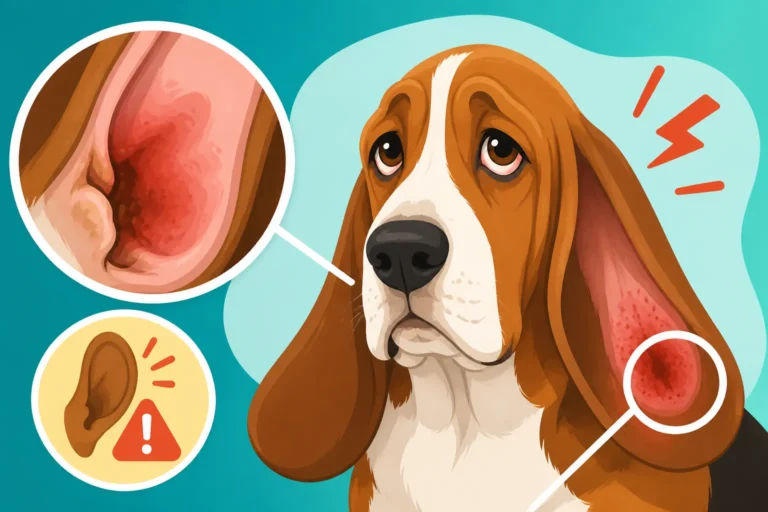
While presbycusis is a primary culprit for hearing loss in older Basset Hounds, it’s crucial to understand that other factors can also contribute, or even be the sole cause. Their unique ear structure, with those long, heavy ear flaps, can create a warm, moist environment ideal for infections. Chronic ear infections, if left untreated or poorly managed, can lead to permanent damage to the ear canal and eardrum, affecting hearing. You might want to refer to The Ear Infections That Never Really Leave a Basset Hound for more in-depth information.
Other potential causes include a buildup of wax or foreign objects deep in the ear canal, which physically block sound waves. Certain medications, especially some antibiotics, can be ototoxic, meaning they can damage the inner ear and cause temporary or permanent hearing loss. Trauma to the head or ear, though less common, could also be a factor. In some cases, tumors or polyps in the ear canal can obstruct hearing. Therefore, if you notice any sudden or severe hearing loss, or if it seems to affect only one ear, a veterinary visit is essential to rule out these treatable conditions before attributing it solely to old age. An early diagnosis can make a significant difference in managing these issues.
Recognizing the Signs of Hearing Loss in Your Senior Basset Hound
Spotting hearing loss in a Basset Hound can sometimes be tricky because they are so skilled at compensating with their other senses. Their incredible noses and keen eyesight often pick up on cues you might not even realize you’re giving, making it easy to miss the early signs. However, paying close attention to their behavior can help you identify when their hearing is starting to fade.
Subtle Clues and Behavioral Changes
One of the most common early indicators is a lack of response to familiar sounds. Does your Basset no longer rush to the door when the doorbell rings, or fail to respond when you call their name from another room? Perhaps they don't react to the crinkle of a treat bag, or they sleep through noises that would have once had them on high alert. If they're no longer startled by sudden loud noises, that's a significant red flag. You might also notice that they're sleeping more soundly than usual, not waking to the morning commotion, or even when you come home.
Another common sign is that your Basset seems to ignore you more often, especially when their back is turned. This isn't stubbornness (though Basset Hounds can certainly be willful!); it's simply that they genuinely didn't hear you. They might also appear confused or disoriented when approached from behind, as they can't hear you coming. Some dogs might become more vocal, barking or howling excessively, as if trying to hear themselves or get attention, or conversely, they might become quieter. Observing these subtle shifts in daily routines and interactions is key. Regular check-ups are vital as your Basset Hound reaches The Age a Basset Hound Counts as Senior, allowing your vet to keep an eye on their overall health, including hearing.
Progressive Stages of Deafness
Hearing loss in Basset Hounds, particularly age-related presbycusis, is typically a gradual process. It rarely happens overnight. Initially, your dog might only miss very soft sounds or higher frequencies. They may still respond to claps, stomping feet, or loud verbal commands. As the condition progresses, they will start to miss more significant sounds, requiring you to speak louder or use more pronounced gestures to get their attention. At this stage, they might seem "selectively deaf," responding sometimes but not others, which can be frustrating if you don't realize what's happening.
Eventually, if the hearing loss continues to worsen, your Basset Hound may become profoundly deaf. This means they cannot hear anything at all. At this point, their world becomes a silent one, relying entirely on sight, smell, and touch for information. You might notice them startled more easily when touched unexpectedly, or they might seem more attached to you, relying on your visual cues and presence for security. It's a challenging transition, but with patience and understanding, you can help them navigate their new reality. Keeping on top of preventative ear care throughout their lives, such as The Twice Weekly Ear Ritual a Basset Hound Owner Signs Up For , can sometimes help mitigate certain ear health issues that could compound age-related deafness.
| Sign of Hearing Loss | Early Indication (Mild) | Progressive Indication (Moderate) | Profound Indication (Severe/Deafness) |
|---|---|---|---|
| Response to Name | Misses occasional calls from another room | Rarely responds unless looking directly at you | No response, even when close and direct |
| Reaction to Doorbell/Knock | Delayed reaction, might look up slowly | Often sleeps through it, needs visual cue | No reaction at all |
| Startle Response | Might not react to soft, unexpected noises | Startled by sudden, close touches/approaches | Easily startled by any unexpected physical contact |
| Vocalization | No significant change, or slight increase | May bark/howl more frequently or become quieter | May not vocalize as much, or sound different |
| Engagement | Less attentive during verbal commands | Relies heavily on visual cues and body language | Relies entirely on visual, smell, and touch cues |
| Sleep Patterns | Deeper sleep, less likely to wake for noises | Sleeps through most household sounds | Unaware of any noise during sleep |
| Awareness of Surroundings | May seem confused by sounds they can't locate | Less aware of audible environmental changes | Completely unaware of auditory environment |
Managing and Supporting a Deaf Senior Basset Hound
Discovering that your senior Basset Hound is losing its hearing can feel overwhelming, but it doesn't mean their quality of life has to diminish. With thoughtful adjustments and a little creativity, you can ensure your furry friend continues to lead a happy, fulfilling life. It’s all about adapting your approach and creating a supportive environment.
Adapting Communication Methods
The first and most important step is to shift how you communicate. Verbal commands will become less effective, so you'll need to transition to visual cues. Hand signals are incredibly powerful and something dogs already understand intuitively. Start simple: a raised hand for "stay," a downward sweep for "sit," or a pointing gesture for "come." You can find many resources online for standard dog hand signals, or even invent your own. Consistency is key – everyone in the household needs to use the same signals. Some owners also use a vibrating collar (not a shock collar!) as a silent "tap on the shoulder" to get their dog's attention before giving a visual command. A few gentle vibrations can signal them to look your way.
Another helpful tip is to use exaggerated facial expressions and body language. Basset Hounds are excellent at reading human emotions, and they will rely even more on your expressions. When you enter a room, make eye contact, offer a happy smile, and give a clear hand signal to acknowledge their presence. Always approach your deaf Basset from the front or side, where they can see you, to avoid startling them. If they're sleeping, a gentle tap on the shoulder or back (never on the head) is better than a sudden jolt. For Basset Hounds facing other age-related challenges, such as The Old Basset Hound That Cannot Get Off the Floor , adapting communication also ties into creating a smoother daily routine for their physical comfort.
Creating a Safe and Enriched Environment
A deaf Basset Hound’s world requires a bit more thought regarding safety. Without the ability to hear approaching dangers, they are particularly vulnerable outdoors. This means they should never be off-leash in an unfenced area, as they won't hear a car, another dog, or your frantic calls. A sturdy harness and a secure leash are non-negotiable for walks. Consider adding a bell to other pets in the house so your deaf Basset can still be aware of their presence. Inside the home, ensure their sleeping areas are safe and they won't be easily tripped over.
Enrichment activities become even more crucial, as their other senses need to be stimulated. Engage their incredible nose with scent work games, puzzle toys filled with treats, or even simple "find it" games around the house. Visual games, like chasing a laser pointer or watching you play fetch with a bright toy, can also be stimulating. Maintain a consistent routine, as predictability helps deaf dogs feel secure. Regularly checking in with your veterinarian is important for comprehensive care, and having pet insurance, such as a policy from Healthy Paws, can be incredibly beneficial for covering these routine visits, potential therapies, or even aids to help your senior dog. Insuring a Basset Hound against their specific breed predispositions, as discussed in Insuring a Basset Hound Against Eyes, Ears and Backs , can offer peace of mind.
When to Seek Veterinary Consultation
Even if you suspect age-related hearing loss, a trip to the vet is always a good idea. Firstly, a vet can confirm the diagnosis and rule out any treatable underlying causes, like foreign bodies, excessive wax, or severe ear infections that might still be salvageable with medication or cleaning. For Basset Hounds, given their propensity for ear issues, an untreated infection can lead to profound and irreversible damage. Sometimes, a professional deep clean or specific ear drops can make a world of difference. Your vet might even suggest specific tests, such as a brainstem auditory evoked response (BAER) test, which measures electrical activity in the brain in response to sound, offering a definitive diagnosis of deafness.
Your vet can also offer guidance on managing the condition and discuss any other age-related concerns. They can help you devise strategies for communication and ensure your Basset Hound is comfortable and safe. If your Basset Hound has experienced chronic ear issues, you might have worried about Whether a Basset Hound's Ear Canal Closes Up , which is a serious complication that would definitely warrant immediate veterinary attention. Timely veterinary care, supported by a reliable pet insurance provider like Healthy Paws, can help you provide the best possible care without the added stress of unexpected costs.
Proactive Steps for Basset Hound Ear Health Throughout Life
The Basset Hound's iconic long, pendulous ears are undeniably charming, but they are also a significant source of health challenges throughout their lives. Being proactive about ear health from puppyhood can't prevent age-related hearing loss entirely, but it can certainly minimize other issues that contribute to or exacerbate hearing problems as they get older.
The Lifelong Battle Against Ear Infections
Basset Hounds are, unfortunately, predisposed to ear infections. Their long, heavy ears trap moisture and heat, creating a perfect breeding ground for bacteria and yeast. This is why a consistent ear care routine is not just recommended, but essential for a Basset Hound owner. Regular cleaning helps remove wax buildup, dirt, and debris, and keeps the ear canal dry. Ignoring these signs can lead to chronic infections that scar the ear canal, narrowing it and eventually affecting hearing. You can learn more about how to manage this in How Often a Basset Hound's Ears Must Be Cleaned .
Even if your Basset Hound never seems to get a full-blown infection, simply neglecting regular cleaning can lead to chronic irritation and inflammation. Over years, this low-grade inflammation can contribute to structural changes in the ear, making it more susceptible to further issues and potentially impacting hearing even before age-related decline sets in. Establishing a routine for ear inspection and cleaning from a young age also helps your Basset Hound become accustomed to the handling, making the process less stressful for both of you as they age.
Nutritional and Environmental Considerations
While direct links between diet and age-related deafness are not as clear-cut as with, say, dental disease, a holistic approach to your Basset Hound's health can contribute to their overall well-being and potentially slow the progression of age-related issues. A high-quality diet, rich in antioxidants and omega-3 fatty acids, supports cellular health throughout the body, including the delicate structures of the inner ear. Some supplements specifically target joint health, like glucosamine and chondroitin, but supporting overall vitality can indirectly benefit all body systems.
Environmental factors, too, play a role. Avoiding exposure to excessively loud noises can protect sensitive ear structures. While Basset Hounds might seem oblivious, prolonged exposure to loud environments can contribute to hearing damage over time. Keeping their ears clean and dry, especially after baths or swimming, is crucial. Ensuring your home environment is safe and comfortable, with soft bedding and easy access to their favorite spots, contributes to their overall mental and physical health. Remember, a comprehensive pet insurance plan, such as those offered by Healthy Paws, can cover many aspects of preventive care and unexpected medical needs, which is a huge benefit for a breed known for its health challenges. While it might not cover congenital deafness, it can help with the costs of treating ear infections and other age-related conditions, reducing the overall What a Basset Hound Costs a Year to Keep.
Disclaimer
The information provided in this article is for general informational purposes only and is not a substitute for professional veterinary advice. Always consult with a qualified veterinarian for any health concerns or before making any decisions related to your pet's health and treatment.