Whether a Basset Hound Should Use Ramps at Home
It's a familiar scenario for many Basset Hound parents: you're relaxing on the couch, and your sweet, floppy-eared companion stares up at you with those soulful eyes, desperately wanting to join you. The problem is, their unique anatomy, those wonderfully long backs and short legs, just isn't built for the gymnastics involved in jumping up and down from furniture. This guide will explore why ramps are not just a luxury but a crucial tool for protecting your Basset Hound's long-term health and enhancing their quality of life at home.
Why Basset Hounds and Jumping Don't Mix
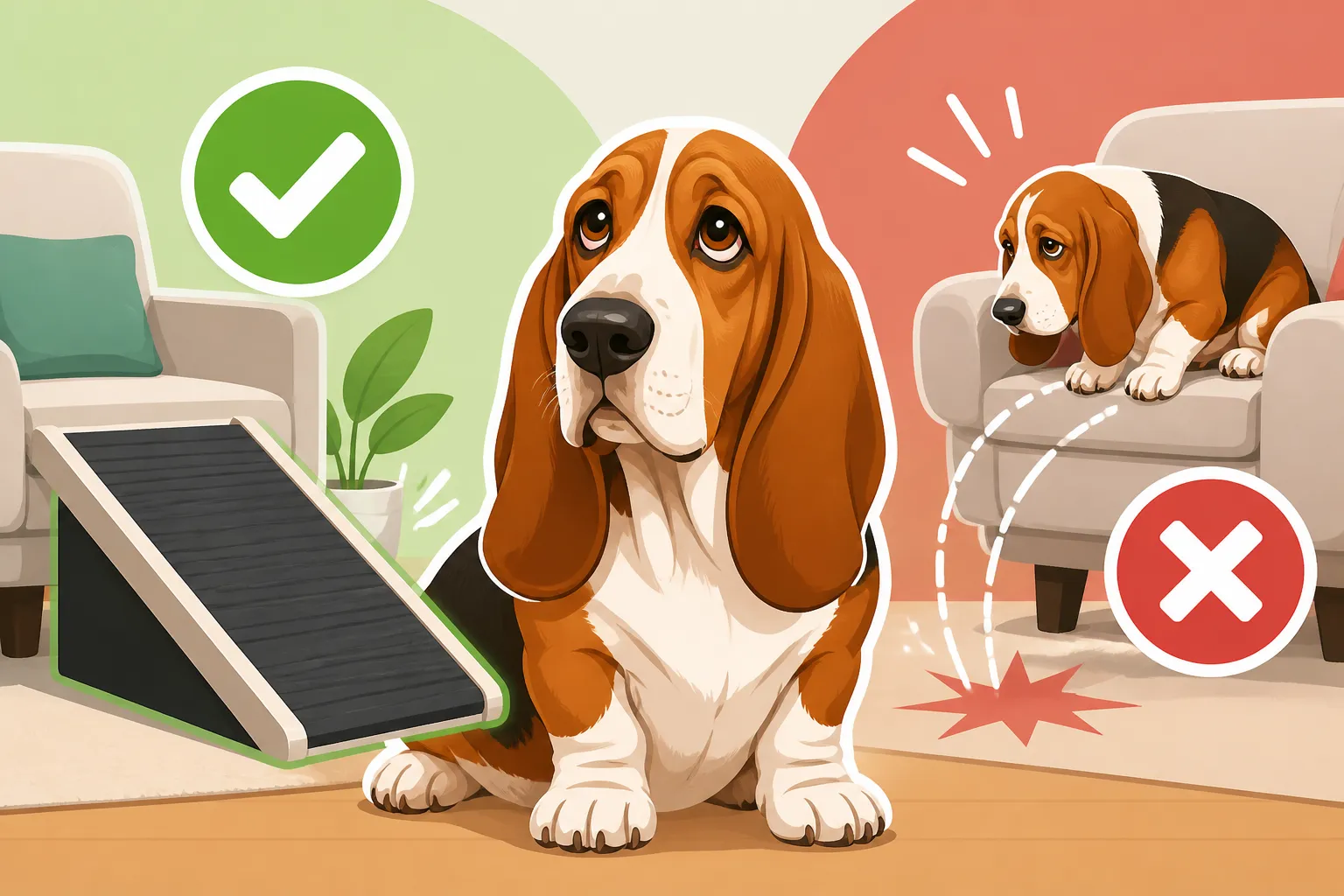
As much as we adore their distinctive low-slung profiles, those same characteristics make Basset Hounds incredibly vulnerable to injury from everyday activities like jumping. Their physical design, while charming, puts significant strain on their spine and joints, even from seemingly small leaps. Understanding these risks is the first step in creating a safer home environment for your beloved hound.
The Peril of Intervertebral Disc Disease
One of the most concerning risks for Basset Hounds is Intervertebral Disc Disease (IVDD). This isn't just a slight ache; it's a serious neurological condition where the cushioning discs between the vertebrae in their spine either bulge or burst, pressing on the spinal cord. Because Bassets are a chondrodystrophic breed – meaning they have abnormal cartilage development that leads to their short legs – their discs are inherently more prone to degeneration. Every jarring jump, every twist as they land, adds to the cumulative stress on these delicate structures. A single misstep off the couch could lead to excruciating pain, partial paralysis, or even permanent disability. Owners often tell me stories of a perfectly healthy hound suddenly yelping in pain, unable to move its back legs, all after a seemingly innocuous jump. This is the nightmare of IVDD, and it's a very real threat. Intervertebral Disc Disease in a Basset Hound is a topic no Basset owner should take lightly.
Strain on Elbows and Other Joints
Beyond the spine, a Basset Hound's joints are also at high risk. Their short, heavy-boned legs and deep chest mean that when they jump down, a disproportionate amount of impact is absorbed by their elbows, shoulders, and hocks. Over time, this repetitive stress can exacerbate or accelerate conditions like elbow dysplasia, a common orthopedic issue in the breed. Imagine jumping off a small wall repeatedly throughout your day; that's what a Basset Hound's joints endure with every hop off the bed or sofa. Even seemingly healthy Bassets can develop chronic pain, arthritis, and reduced mobility as they age, all worsened by years of unnecessary joint impact. Preventing this wear and tear is critical for their long-term comfort and mobility. Why One Basset Hound in Seven Has Bad Elbows delves deeper into these specific joint challenges.
Exacerbating Issues for Overweight Hounds
Let's be honest, Basset Hounds have a knack for looking perpetually hungry, and it's easy for them to pack on a few extra pounds. While a cuddly Basset might seem cute, any excess weight dramatically amplifies the risks associated with jumping. A heavier hound exerts more force on its spine and joints with every impact. This isn't just about appearance; it's about physics and biology. An overweight Basset Hound is at a significantly higher risk of severe IVDD and accelerated joint degeneration. The combination of their build and extra weight creates a dangerous cocktail, making a simple jump a potential catastrophe. If you're struggling with Keeping a Basset Hound at Its Correct Weight, incorporating ramps can be a vital part of a broader strategy to protect their health.
The Undeniable Benefits of Using Ramps for Basset Hounds
Introducing ramps into your home isn't just about preventing injury; it's about enhancing your Basset Hound's overall quality of life, independence, and comfort. It's an investment in their well-being that pays dividends in reduced vet bills and a happier, healthier dog.
Injury Prevention and Spinal Health
The primary benefit of ramps is, without a doubt, injury prevention. By providing a gradual incline, ramps eliminate the jarring impact of jumping up and down. This drastically reduces the strain on your Basset Hound's delicate spine, particularly minimizing the risk of IVDD flare-ups or new disc herniations. It's like giving their back a continuous, gentle support system for every ascent and descent. For breeds like Basset Hounds, whose backs are already predisposed to issues, this protective measure is invaluable. It allows them to enjoy their favorite spots on the couch or bed without you holding your breath every time they decide to dismount.
Preserving Joint Function and Reducing Arthritis Risk
Beyond spinal health, ramps are a game-changer for joint preservation. Each time your Basset Hound uses a ramp instead of jumping, you're saving their elbows, hips, and hocks from unnecessary stress. This cumulative reduction in impact can significantly delay the onset and progression of arthritis, a condition many Bassets inevitably face as they age. For a senior Basset Hound, whose joints are already feeling the effects of time, a ramp can mean the difference between painful stiffness and comfortable mobility. It's about letting them age gracefully, with as much comfort and independence as possible, rather than struggling with chronic pain that might lead to The Old Basset Hound That Cannot Get Off the Floor.
Promoting Independence and Mental Well-being
One of the less obvious, but equally important, benefits of ramps is the independence they offer your Basset Hound. They want to be with you, to snuggle on the sofa, to nap on your bed. When jumping is dangerous or painful, they become reliant on you to lift them, or worse, they're left out of the family comfort zones. Ramps give them back their autonomy. They can decide when to come up for a cuddle and when to go down for a drink of water, all on their own terms, without pain or risk. This newfound freedom can do wonders for their mental well-being, reducing frustration and fostering a stronger sense of security and belonging within the family unit. It's a simple change that can make a profound difference in their daily happiness.
Choosing the Right Ramp for Your Basset Hound
When it comes to selecting a ramp, it's not a one-size-fits-all situation. The best ramp for your Basset Hound will depend on various factors, including the height of your furniture, the available space, and your dog's specific needs and preferences.
Assessing Ramp Length and Incline
The key to a good ramp for a Basset Hound is a gentle incline. Those short legs and long back mean they can't handle steep angles. A longer ramp will naturally provide a shallower slope, making it easier and safer for them to navigate. For a standard sofa, you might need a ramp that's at least 4-5 feet long. For a bed, especially a higher one, you might be looking at 6-7 feet or more. Think about the rise-over-run: for every inch of height, you want at least 2-3 inches of ramp length. A ramp that's too short and steep is barely better than jumping and can still put strain on their back and legs. Always measure the height of the furniture first, then look for ramps designed with a gradual slope in mind.
Material and Surface Considerations
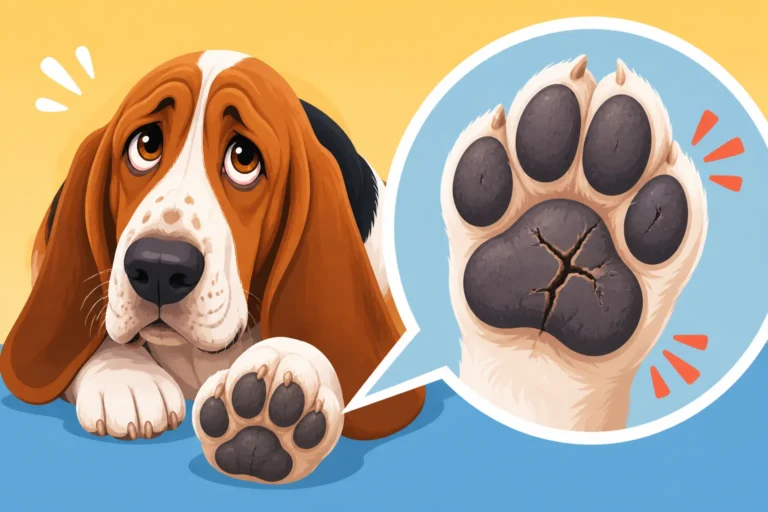
The material and surface of the ramp are incredibly important for safety and traction. You want a ramp that is sturdy and stable, without any wobbling that might scare your Basset Hound away. Wood and heavy-duty plastic ramps are common. The surface itself should be non-slip. Carpeted ramps are a popular choice as they provide excellent grip and are usually soft on paws. Rubberized treads or sandpaper-like surfaces are also effective, but ensure they aren't too abrasive for sensitive paw pads. Avoid slick plastic or metal surfaces that offer no purchase. Some ramps available through retailers like Chewy or Amazon will highlight their non-slip features prominently.
Here's a quick comparison of common ramp types:
| Ramp Type | Material | Portability | Best For | Considerations |
|---|---|---|---|---|
| Carpeted Wood | Wood frame, carpeted | Low | Permanent indoor use for sofas/beds | Excellent grip, matches decor, often heavy |
| Telescoping | Aluminum, plastic | High | Car/travel, temporary indoor use | Adjustable length, may be narrower, less stable |
| Foldable | Plastic, wood | Medium | Versatile, can move between rooms or car | Easy storage, look for wider models for Bassets |
| Step Ramps | Wood, plastic, foam | Medium | Very low furniture, small dogs (less ideal) | Often too steep for Bassets, use with caution |
Size and Weight Capacity
Always check the weight capacity of a ramp before purchasing. Basset Hounds, while short, are surprisingly heavy, often weighing in the 40-60 pound range, and sometimes more if they're a bit chunky. You need a ramp that can comfortably support their weight without bowing or flexing, which could make them hesitant to use it. Also, consider the width. A wider ramp will feel more secure and less intimidating for your Basset Hound. A narrow ramp might feel precarious, especially if they are already a little unsure about the new object. Look for ramps specifically designed for medium to large breeds to ensure they're robust enough.
Introducing a Ramp to Your Basset Hound
Getting your Basset Hound to use a ramp might not be an overnight success story. They are hounds, after all, and can be wonderfully stubborn. Patience, positive reinforcement, and a bit of creativity are your best friends here.
Start Slowly and Positively
The key to success is a gentle, positive introduction. Don't just plop the ramp down and expect them to use it immediately. Start by placing the ramp flat on the floor, maybe even disconnect it from the furniture at first, and let your Basset investigate it at their leisure. Treat it like a fun new object. Sprinkle high-value treats (think tiny pieces of cheese, cooked chicken, or even a dollop of peanut butter) along the flat surface. Praise them enthusiastically for sniffing it, stepping on it, or walking over it. The goal is to create positive associations with the ramp before you even think about putting it up against the furniture. Some Bassets are naturally curious, others are more wary. Adapt to your individual hound's personality.
Lure and Reward Techniques
Once your Basset is comfortable walking over the ramp on the floor, you can gradually introduce the incline. Attach the ramp to the lowest piece of furniture first, or even a sturdy ottoman. Use a continuous trail of treats to lure them up and down the ramp. Place a treat right at the bottom, then a few more steps up, another at the top, and then repeat going down. Don't pull or push them; let them follow the scent and the reward. When they successfully navigate the ramp, celebrate with plenty of verbal praise and even more treats. Short, frequent training sessions are more effective than long, frustrating ones. Think of it like teaching them any new trick; consistency and positive experiences are paramount. This is also a good opportunity to consider What Actually Motivates a Basset Hound if you're finding treats alone aren't quite cutting it.
Consistency and Patience are Key
Basset Hounds thrive on routine, so consistent use of the ramp is essential. Every time they want to get on or off the furniture, gently guide them to the ramp. Avoid letting them jump, even if it's just once, as this sends mixed signals. If they hesitate, go back to luring them with treats. Some Bassets might take a few days, others a few weeks, to fully embrace their new ramps. Don't get discouraged! Remember, you're investing in their long-term health. If they're particularly resistant, try making the ramp even more appealing – maybe place their favorite toy at the top, or have cuddle time exclusively on the ramp-accessible furniture. Make it a positive, rewarding experience every single time. Teaching a Basset Hound to Have Its Ears Handled requires similar patience, so you've likely already got this skill down!
Complementary Strategies for a Back-Friendly Home
While ramps are a fantastic solution, they're part of a larger picture of creating a safe and comfortable environment for your Basset Hound. Thinking holistically about their needs can make a huge difference.
Thoughtful Furniture Arrangement
Sometimes, the simplest changes make the biggest impact. Consider your home's layout. Is there a piece of furniture your Basset Hound frequently tries to jump on that's particularly high or in an awkward spot? Can you rearrange furniture to provide easier, safer access points? Perhaps a low ottoman can serve as an intermediate step to a sofa, or a favorite dog bed can be placed next to your armchair so they're still close without needing to climb onto the furniture itself. Blocking off access to particularly high beds or precarious chairs with baby gates might be necessary until your Basset reliably uses their ramps. This proactive approach can reduce temptation and prevent accidental jumps.
Orthopedic Beds and Supportive Bedding
Even with ramps, your Basset Hound will still spend a lot of time resting. Investing in good quality orthopedic beds is a game-changer, especially as they get older. These beds are designed to provide superior support for their joints and spine, conforming to their body shape and alleviating pressure points. Look for beds with dense, supportive foam that won't flatten over time. Placing these comfortable, easily accessible beds in your Basset's favorite resting spots (next to the sofa, by your bed, in a sunny corner) can make them less inclined to seek out higher, less safe furniture in the first place. Companies found on Amazon often offer a wide range of orthopedic beds that can suit a Basset Hound's specific needs.
Regular, Gentle Exercise and Weight Management
Keeping your Basset Hound at a healthy weight is paramount for their spinal and joint health, regardless of ramp use. Every extra pound adds strain. Regular, low-impact exercise, like gentle walks on a leash, helps maintain muscle tone which supports their spine and joints. Avoid activities that involve excessive jumping, twisting, or running on hard surfaces. Consult with your vet to determine the ideal weight for your Basset and establish a suitable diet and exercise plan. Even small changes can make a big difference in preventing issues like What Extra Weight Does to a Basset Hound. A balanced diet, perhaps even exploring options like Ollie, which provides fresh, custom-portioned meals, can be part of this holistic health approach.
Addressing Common Concerns and Misconceptions
Despite the clear benefits, some Basset Hound owners have reservations or questions about introducing ramps. Let's tackle a few of these head-on.
"My Basset Hound is too stubborn to use a ramp."
Ah, the classic Basset stubbornness! We all know it and love them for it (mostly!). It's true that Bassets aren't always keen on new routines, but "stubbornness" is often a reflection of a lack of motivation or a perceived lack of safety. If your Basset isn't using the ramp, revisit your training approach. Are the treats high-value enough? Is the ramp stable and not too steep? Are you being consistently positive? Remember, a Basset Hound's motivation often centers around food, comfort, and being with their people. If you make the ramp lead to all of these things, they're much more likely to cooperate. Think of it as a puzzle they need to solve for a reward, rather than a command they have to obey. Whether a Basset Hound Is Stubborn or Just Not Interested explains more about their unique learning style.
"Ramps take up too much space."
This is a common concern, especially in smaller homes. It's true that a properly sloped ramp for a Basset Hound will be longer than you might initially imagine. However, there are space-saving solutions. Many ramps are designed to fold flat or telescope, making them easy to store when not in use. You might also consider strategically placing one ramp to serve multiple pieces of furniture that are close together, or choosing a ramp that blends in with your decor. Remember, the space a ramp takes up is a small price to pay compared to the emotional and financial cost of a major back or joint injury that could require What a Basset Hound's Emergency Surgeries Cost. It's about prioritizing your dog's health over a bit of floor space.
"My Basset Hound needs to jump to stay fit."
While Basset Hounds do need regular exercise to maintain muscle tone and a healthy weight, jumping is absolutely not the right kind of exercise for them. High-impact activities like jumping, running up and down stairs quickly, or roughhousing that involves a lot of twisting and leaping are detrimental to their long-term spinal and joint health. The best exercise for a Basset Hound involves consistent, moderate-paced walks on a leash. These activities allow them to engage their incredible nose, burn energy, and build strength without the damaging impact of jumping. Think of a stroll through the park, not a competitive agility course. Their unique build means their fitness regimen needs to be tailored to protect their vulnerable areas. How Far a Basset Hound Should Walk offers more insights into appropriate exercise levels.
Disclaimer
This article is for general informational purposes only and does not constitute professional advice. Laws, prices and regulations vary by location and change over time. Consult a qualified professional for guidance on your specific situation.