Whether a Basset Hound Should Be Blocked From Stairs
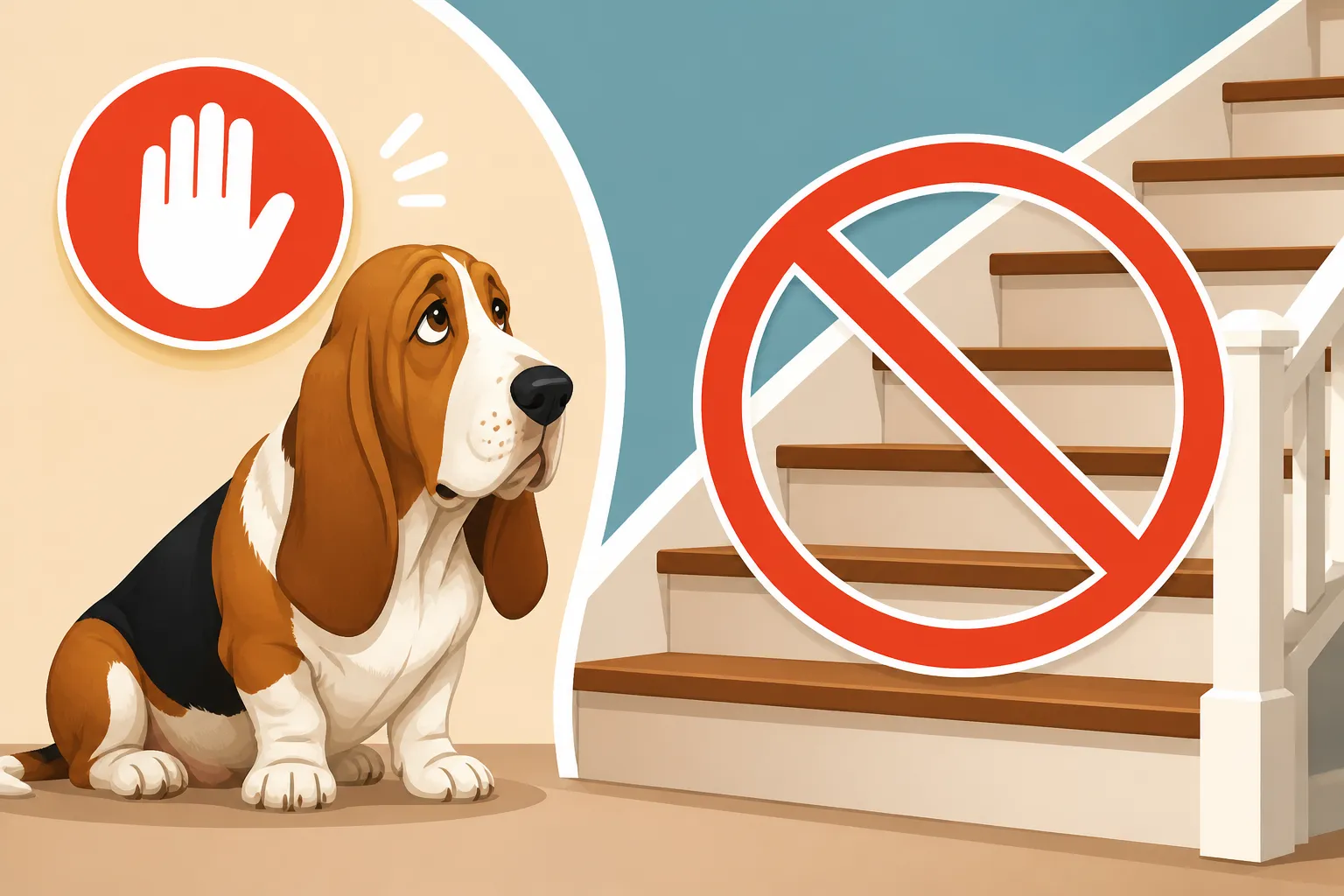
That familiar thumping sound as your beloved Basset Hound attempts to conquer the staircase can send a shiver down any owner's spine. It's not just about the noise; it's the gnawing worry about their long, low back and delicate joints. Many of us grapple with whether to let them navigate stairs freely or if we should intervene, constantly questioning what's truly best for their unique physique. This guide will dive deep into the specific challenges stairs pose for Basset Hounds, exploring why limiting access is often a wise decision and offering practical solutions to keep your furry friend safe and sound in a multi-level home.
The Anatomical Truth: Why Stairs Are a Challenge for Basset Hounds
Basset Hounds are undeniably charming with their distinctive appearance – those long, drooping ears, soulful eyes, and short, sturdy legs supporting a surprisingly substantial body. But this very build, which we adore, also presents significant structural vulnerabilities, especially when it comes to activities like climbing or descending stairs. It's not just a matter of awkwardness; it's a fundamental design challenge for their bodies.
The Impact of Long Backs and Short Legs
The Basset Hound's signature silhouette comes from a genetic condition called chondrodysplasia, which results in disproportionately short limbs relative to their body length. While it makes them wonderfully unique, it puts immense strain on their spinal column. Imagine a long plank supported by very short stilts; now envision that plank bending and twisting repeatedly. That's essentially what happens to a Basset Hound's spine every time they go up or down stairs. The repetitive jarring and twisting motion, especially when they launch themselves up or land heavily, can exacerbate existing predispositions to back issues. Their short legs mean they have to exert far more effort, often jumping or stretching awkwardly to reach the next step, rather than simply walking up or down like a longer-legged breed. This isn't just inefficient; it's genuinely risky for their long-term spinal health. The Back Trouble a Basset Hound Is Built Into explores this in greater detail.
Joint Strain and Arthritis Risks
Beyond the back, a Basset Hound's joints also take a beating from stair use. Their sturdy, heavy bone structure coupled with those short legs means each step, particularly descending, involves a significant impact on their elbows, shoulders, hips, and hocks. Over time, this cumulative stress can lead to accelerated wear and tear on the cartilage, predisposing them to conditions like arthritis. We often see older Bassets struggling with joint pain, and years of unchecked stair use can certainly contribute to this. Young puppies might seem agile, but even their developing joints are vulnerable to injury from repeated impact. It's like a tiny, heavy bulldozer trying to navigate a steep incline repeatedly; eventually, something's going to give. Why One Basset Hound in Seven Has Bad Elbows is a crucial read for understanding these joint predispositions.
The Risks: What Unrestricted Stair Access Can Lead To
Understanding the anatomical reasons why stairs are difficult for Basset Hounds is one thing, but truly grasping the potential consequences of ignoring these challenges is another. Many owners don't realize the severity of the risks until a problem arises, and by then, the damage can be significant and costly, both emotionally and financially.
Intervertebral Disc Disease (IVDD)
This is perhaps the most dreaded consequence for Basset Hound owners when discussing stairs. Intervertebral Disc Disease (IVDD) is a condition where the cushions (discs) between the vertebrae in the spine either bulge or rupture into the spinal cord space. Because Basset Hounds are chondrodystrophic breeds, their discs degenerate prematurely, making them highly susceptible to IVDD. A sudden, jarring movement, like a misstep on the stairs, a jump off furniture, or even a vigorous run, can be the trigger for a disc to herniate. The symptoms can range from mild pain and reluctance to move to complete paralysis, requiring emergency surgery. Intervertebral Disc Disease in a Basset Hound offers a deeper look into this condition. The recovery is often long, arduous, and incredibly expensive, making prevention a paramount concern.
Acute Injuries and Degenerative Conditions
Beyond IVDD, a Basset Hound can suffer a host of other acute injuries on stairs. A slip, a fall, or an awkward landing could lead to sprains, strains, fractures, or soft tissue damage. Their low center of gravity and somewhat clumsy gait, combined with the momentum of their heavy bodies, makes them particularly prone to tumbles. Imagine an older Basset Hound, perhaps with some vision impairment, missing a step and tumbling down a flight of stairs – it's a heartbreaking and potentially devastating scenario. Furthermore, even without acute injury, the consistent impact contributes to long-term degenerative joint diseases. While arthritis is a natural part of aging, unchecked stair use can hasten its onset and worsen its severity, turning a comfortably active senior into one that struggles with The Old Basset Hound That Cannot Get Off the Floor.
Strategies for Blocking Stair Access
So, you're convinced that limiting stair access is vital for your Basset Hound's well-being. But how do you actually do it in a practical, everyday way without turning your home into an obstacle course? The good news is there are several effective methods, ranging from physical barriers to thoughtful environmental adjustments.
Installing Pet Gates Effectively
Pet gates are arguably the most straightforward and effective way to block stair access. But not all gates are created equal, especially when dealing with a determined Basset Hound. You'll want sturdy, hardware-mounted gates for the top of the stairs, as pressure-mounted gates can be pushed over or dislodged, creating a falling hazard. For the bottom of the stairs, a pressure-mounted gate might suffice if you're diligent about checking its stability, but hardware-mounted is always the safer bet. Look for gates that are tall enough that your Basset can't easily launch themselves over them, and consider models with small bars or mesh to prevent them from getting their head stuck. Brands like Carlson Pet Products or Regalo offer various options that can often be found on platforms like Amazon or Chewy, offering different widths and heights to fit your home's unique layout. It’s also crucial to consistently use the gates from day one, so your Basset learns that stairs are simply not an option.
Training and Environmental Management
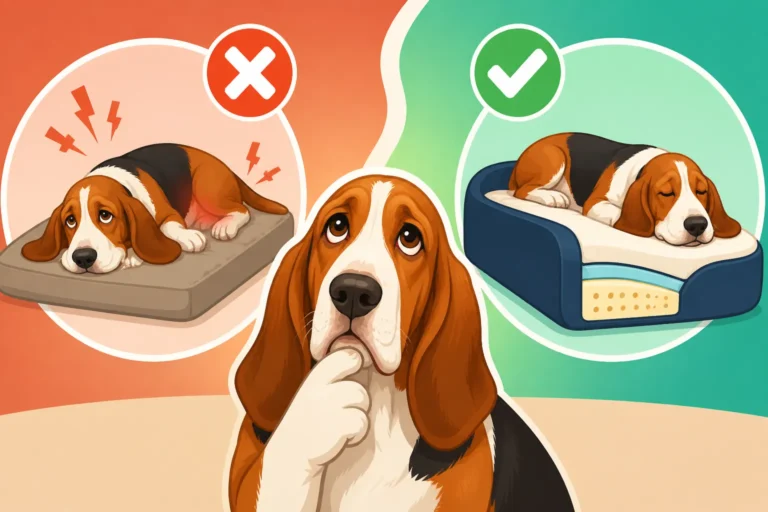
While physical barriers are essential, complementing them with training and smart environmental management can create an even safer home. Teaching a solid "stay" or "wait" command can be incredibly useful, especially if you need to pass through a gated area yourself and don't want your Basset attempting a quick dash. Reward them heavily for waiting patiently on the correct side of the gate. You might also want to lay down non-slip runners or rugs on any existing stairs, particularly if they are slick wood or tile. This reduces the risk of accidental slips should a gate be left open or if your Basset ever manages to sneak past. Think about how you organize your home: if you frequently spend time upstairs, consider creating a comfortable, enriching "den" for your Basset downstairs to reduce their desire to follow you up. This might involve an Orthopedic Bed Costs for a Basset Hound, their favorite toys, and water access.
Alternatives to Stair Climbing
Blocking stair access is a great preventative measure, but what if your Basset needs to get upstairs, or you need to move them between floors? Or perhaps your home only has a few steps, but you still want to minimize the risk. Thankfully, there are several excellent alternatives that prioritize your Basset's spinal and joint health.
Ramps and Pet Steps
Ramps are a fantastic investment for any Basset Hound owner, especially those with multi-level homes or raised furniture. A good ramp allows your Basset to ascend and descend without the jarring impact or twisting motion associated with stairs. When choosing a ramp, look for one that has a gentle slope, a non-slip surface, and is wide enough for your Basset to feel secure. Portable ramps can be used for cars, while sturdy wooden or plastic ramps can be positioned next to beds or sofas. Whether a Basset Hound Should Use a Ramp provides more information on selecting the right one. For shorter climbs, such as onto a low sofa or a single step leading to a deck, pet steps can also be an option, but ensure they are wide and deep enough for your Basset's frame, and that the risers aren't too high. The goal is a gradual incline, not a miniature staircase. Many pet stores and online retailers like Chewy or Amazon offer a wide variety of ramps and steps designed for dogs.
Safe Lifting Techniques
There will inevitably be times when you need to lift your Basset Hound, whether it's to navigate a short flight of stairs, get them into the car, or simply onto a grooming table. Given their long backs and substantial weight, lifting a Basset Hound improperly can be just as risky as letting them use stairs unsupervised – for both you and your dog. The key is to support their entire body, distributing their weight evenly and preventing any undue strain on their spine. Always use two hands: one arm firmly supporting their chest and front legs, and the other supporting their hindquarters and abdomen. Lift smoothly and slowly, keeping their back straight and level. Avoid lifting them by the front legs alone or allowing their hindquarters to dangle. If your Basset is particularly heavy or you have back issues yourself, consider a lifting harness that provides handles for better grip and support. How to Lift a Basset Hound Safely offers a detailed guide on this crucial skill.
Training and Acclimation to Stair Restrictions
Implementing physical barriers is just one piece of the puzzle; your Basset Hound needs to understand and accept these new rules. Training and acclimation are crucial to ensure these changes are positive and stress-free for everyone involved.
Positive Reinforcement for Avoiding Stairs
Basset Hounds are intelligent, food-motivated creatures, which makes positive reinforcement an excellent training tool. Start by consistently using your gates. When your Basset approaches a gate and pauses rather than trying to get past it, immediately reward them with a high-value treat and praise. Never scold them for approaching the stairs; instead, redirect their attention with a cheerful "This way!" and lead them to a desirable activity or safe area, then reward them. Over time, they'll associate staying away from the stairs with positive outcomes. If you're using a ramp, lure them onto it with treats, praising and rewarding them for every step they take successfully. Make the ramp or the safe, non-stair areas the most appealing places to be. What Actually Motivates a Basset Hound delves into their unique training drives.
Gradual Introduction and Consistency
Rome wasn't built in a day, and your Basset Hound won't instantly adapt to new stair rules either. Introduce changes gradually. If your Basset has always had free reign, start with blocking access to just one set of stairs at first, giving them time to adjust before blocking others. Consistency is paramount. Every family member needs to be on board with the rules and the training methods. If one person occasionally lets the Basset sneak up the stairs, it undermines all your hard work and confuses your dog. This isn't just about a one-time setup; it's about forming new habits and routines. Make stair-free zones appealing by placing favorite toys, cozy beds (perhaps an orthopedic one from a place like Chewy or Amazon), or puzzle feeders in those areas to make them desirable. Remember, What a Basset Hound Needs Every Day includes mental stimulation and a clear routine, which will help them adapt to any new house rules.
When Limited Stair Access Isn't Enough
While blocking stairs is a significant step in protecting your Basset Hound, sometimes the home environment or their specific health needs mean you need to go beyond just gates. It’s important to be realistic about their capabilities and ongoing health.
Assessing Your Home Environment
Take a critical look at your home. Are there areas with just one or two steps that are difficult to gate off? Consider installing small, wide ramps over these thresholds. Do you have particularly slippery floors leading to staircases? Lay down non-slip rugs, especially in high-traffic areas. For homes with multiple flights of stairs or very steep ones, you might need to designate an entire floor as the Basset's primary domain, making sure all their needs – food, water, toys, a comfortable bed, and outdoor access – are met on that level. This might mean you spend more time downstairs with them, or if you primarily live upstairs, it could involve investing in a sturdy pet lift or creating a truly comfortable and enriching space for them upstairs that they access only with assistance. For a larger home, even a secure yard with appropriate fencing is an important consideration, preventing them from wandering off should a door or gate accidentally be left ajar. How High a Fence a Basset Hound Needs covers this in more detail.
Recognizing Signs of Strain or Injury
Even with the best preventative measures, it’s vital to be vigilant and recognize any signs that your Basset Hound might be experiencing strain or injury. Subtle changes in gait, reluctance to jump or move, yelping when touched, or changes in posture can all be indicators of discomfort. If your Basset, usually a champion of lounging, suddenly shows disinterest in walks, or if you notice them moving more slowly or cautiously, it’s time for a closer look. Limping, favoring a limb, or a sudden inability to get up or lie down easily are clear red flags. Back arching, a stiff neck, or a shuffling gait can all point to spinal issues. Early detection can make a significant difference in outcomes for conditions like IVDD or worsening Arthritis in a Basset Hound at Seven. If you notice any of these signs, don't hesitate to contact your veterinarian immediately.
Here's a quick comparison of stair management options:
| Method | Pros | Cons | Best Use Case |
|---|---|---|---|
| Hardware-Mounted Gates | Most secure; permanent barrier; reliable | Installation requires tools; not portable; visible in decor | Top of stairs; high-traffic stairways |
| Pressure-Mounted Gates | Easy installation; portable; no damage to walls | Less secure (can be pushed over); potential trip hazard at bottom | Bottom of stairs (with supervision); temporary barriers |
| Ramps | Reduces joint impact; aids mobility | Can be bulky; may require training; takes up floor space | For furniture; small sets of steps; car access |
| Pet Steps | Easier for smaller heights than ramps | Still involves some impact; can be narrow or steep for Bassets | For low beds or sofas; specific low thresholds |
| Lifting | Direct control; no equipment needed | Requires correct technique; physical effort for owner; limited use | Occasional short distances; emergency situations |
| Training (Stay/Wait) | Builds good habits; no physical barrier needed | Relies on dog's compliance; not suitable for unsupervised access | Complement to physical barriers; managing doorways |
Long-Term Health and Lifestyle Considerations
Choosing to block stair access for your Basset Hound is more than just a temporary fix; it's a long-term commitment to their health and quality of life. It integrates into a broader approach to caring for this wonderful breed.
The Role of Weight Management
It might seem tangential, but a Basset Hound's weight plays a monumental role in their ability to handle stairs and their overall joint and spinal health. An overweight Basset Hound places even greater strain on their delicate back and joints with every step they take, whether on stairs or flat ground. This exacerbates the risk of IVDD and accelerates the onset and severity of arthritis. Maintaining a lean, healthy weight is one of the most proactive steps you can take to safeguard your Basset's long-term mobility. Talk to your vet about the ideal weight for your individual Basset and adjust their diet and exercise accordingly. Brands like Ollie often offer portion-controlled fresh food options that can help with weight management when fed correctly. What Extra Weight Does to a Basset Hound is a sobering read on this topic, and Keeping a Basset Hound at Its Correct Weight provides practical advice.
Promoting a Safe and Accessible Home
Beyond stairs, consider other aspects of your home that might pose a risk to your Basset Hound. Slippery floors, like hardwood or tile, can cause them to splay out, straining hips and back. Lay down rugs or carpet runners in frequently used areas. Ensure their sleeping areas are easily accessible, perhaps investing in an orthopedic bed that is low to the ground. If they like to be on the couch or bed with you, provide steps or a ramp to allow them to get up and down safely, reinforcing the idea that Whether a Basset Hound Should Jump Off Furniture is a definite no-no. Making your home safe and accessible demonstrates your understanding of their unique needs and helps prevent injuries before they happen. It’s an ongoing process of observation and adjustment, but the peace of mind – and the health of your Basset – is well worth it.
Disclaimer
This article is for general informational purposes only and does not constitute professional advice. Laws, prices and regulations vary by location and change over time. Consult a qualified professional for guidance on your specific situation.