Whether Cotton Swabs Are Safe on a Basset Hound
As a Basset Hound owner, you know the struggle is real when it comes to those magnificent, long, floppy ears. They’re undeniably part of their charm, but they can also be a never-ending source of frustration, often leading to ear infections. When you're trying to keep them clean and healthy, it's natural to reach for familiar tools, and cotton swabs often seem like a convenient choice. But are they truly safe to use on your beloved Basset's delicate ears? This guide will dive deep into the unique anatomy of a Basset Hound's ear, explain why cotton swabs can do more harm than good, and equip you with the knowledge and techniques for safe and effective ear care.
The Unique Design (and Dilemma) of Basset Hound Ears
Let's face it, a Basset Hound's ears are iconic. They're long, heavy, and hang low, sometimes even dragging on the ground as they follow an irresistible scent trail. While these impressive ears are fantastic for funneling scents towards their incredibly powerful noses, they're also a perfect storm for ear problems.
Why Basset Ears Are Prone to Trouble
Imagine living in a house with no windows, poor ventilation, and constant humidity. That's essentially what a Basset Hound's ear canal is like. Unlike dogs with prick ears that allow for plenty of air circulation, the long, heavy ear flaps of a Basset Hound seal off the ear canal from the outside world. This creates a warm, moist, dark environment that's just begging for trouble. It's a prime breeding ground for bacteria and yeast, which thrive in such conditions. Many Basset owners find themselves asking Whether Every Basset Hound Gets Ear Infections, and while not every single one does, the vast majority will experience at least one in their lifetime due to this anatomical predisposition.
Beyond the external flap, the internal structure adds another layer of complexity. A Basset Hound's ear canal isn't a straight shot like a human's. Instead, it takes a sharp, almost 90-degree turn, forming an "L" shape. This makes it incredibly difficult for debris, wax, and moisture to naturally escape. Anything that gets in, tends to stay in, slowly working its way down that bend and accumulating near the eardrum. This inherent design also explains Why a Basset Hound's Ear Canal Never Dries, making regular, proper cleaning absolutely essential to prevent recurring issues.
The Consequences of Poor Airflow and Moisture
The constant lack of airflow and trapped moisture can lead to a host of problems. Excess wax, dead skin cells, and moisture build up, creating a thick, sticky goo that's uncomfortable for your Basset. This buildup isn't just unsightly; it can significantly amplify the conditions for an infection. When an infection takes hold, it can cause intense itching, pain, and a foul odor. You might notice your Basset shaking its head constantly, scratching at its ears, or even holding one ear lower than the other. These are often the first The Signs a Basset Hound's Ear Has Gone Bad. Ignoring these signs can lead to chronic infections that are incredibly stubborn to treat and can sometimes feel like The Ear Infections That Never Really Leave a Basset Hound.
The Dangers of Using Cotton Swabs in Basset Hound Ears
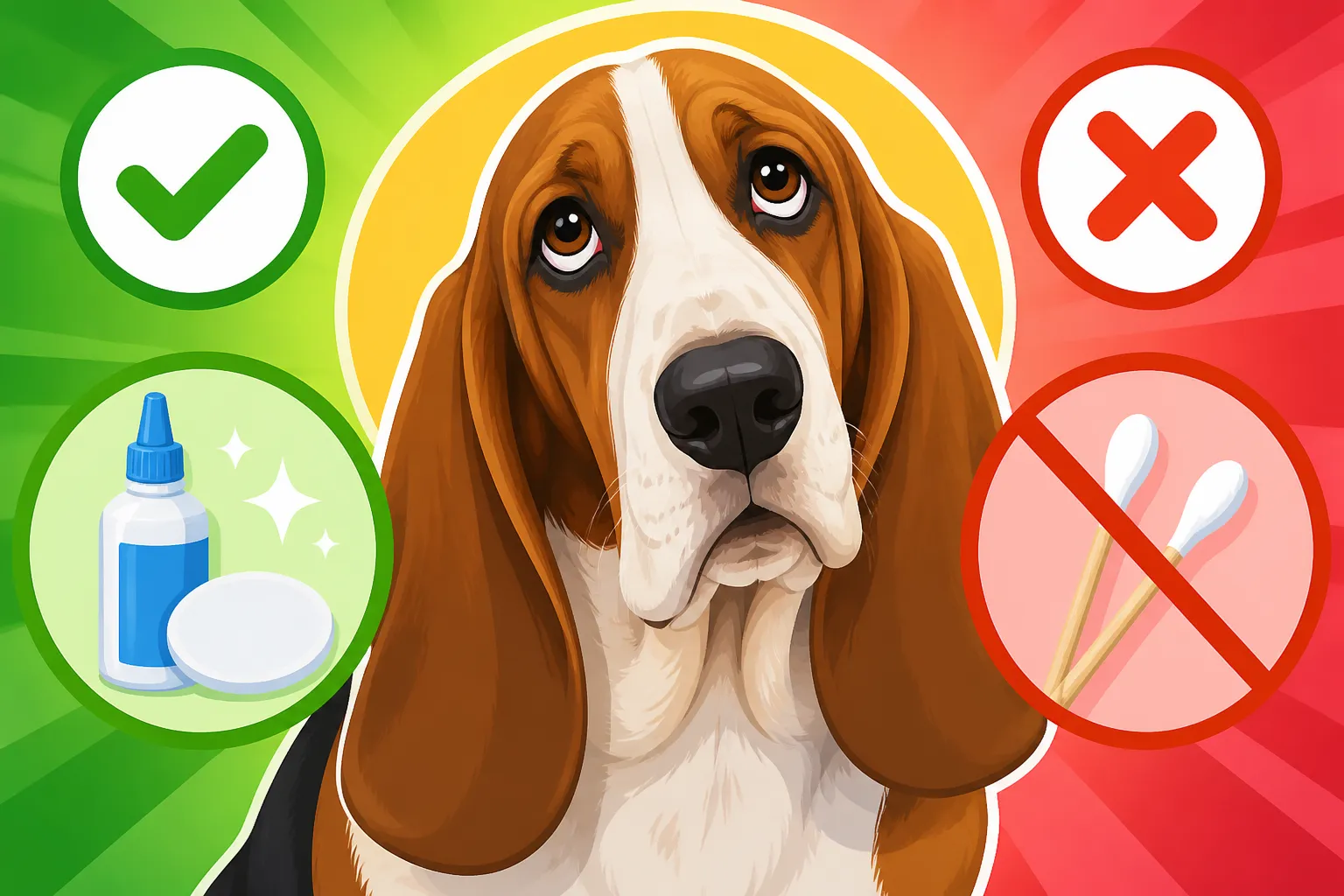
It's tempting, isn't it? You see some gunk around the entrance of your Basset's ear, grab a cotton swab, and think you're doing a good deed. After all, they work for our own ears, right? But what works for humans is often detrimental for dogs, especially for a breed with such a unique ear canal as the Basset Hound. Reaching for that cotton swab for anything beyond the outermost folds is a recipe for disaster.
Pushing Debris Deeper and Compacting Wax
One of the biggest problems with cotton swabs is that they act like plungers. When you insert a swab into that L-shaped ear canal, instead of cleaning out the wax and debris, you often end up pushing it further down into the horizontal part of the canal, compacting it against the eardrum. This not only makes existing issues worse but can also create new ones.
Imagine trying to clean a long, winding pipe with a short stick – you'll just push whatever is in there further in. That's precisely what happens in your Basset's ear. This compacted material creates an even better environment for bacteria and yeast to multiply, leading to more severe and deeply seated infections that are much harder for a vet to clear. It can also form a blockage that prevents medicated ear drops, if needed, from reaching the infection site, prolonging your dog's discomfort and increasing treatment costs.
Risk of Injury to the Delicate Ear Canal and Eardrum
The lining of a dog's ear canal is incredibly delicate, far more sensitive than human skin. Even a gentle swipe with a cotton swab can cause micro-abrasions, irritation, and inflammation. These tiny injuries then become entry points for bacteria, further exacerbating the risk of infection.
More critically, there's a significant risk of puncturing the eardrum. While you might think you're being careful, one unexpected head shake from your Basset – perhaps due to discomfort or a sudden noise – can lead to the swab penetrating too deeply. A ruptured eardrum is incredibly painful for your dog and can lead to temporary or even permanent hearing loss. It also opens up the middle ear to infection, a much more serious condition that requires intensive veterinary care, potentially including surgery. The sensitive nature of a Basset Hound's ears means that even slight trauma can cause immense pain and distress.
Misleading Sense of Cleanliness
When you pull out a cotton swab with visible ear wax or gunk on it, it gives you a satisfying feeling that you've accomplished something, right? You feel like you've cleaned the ear. However, this is often a false sense of security. While you might be removing a small amount of superficial debris from the visible part of the outer ear, the real problem – the accumulation of wax and potential infection deep within that L-shaped canal – remains untouched or, worse, pushed further in.
This can delay seeking proper veterinary attention because you believe you're managing the problem at home. By the time you realize the cleaning isn't working and your Basset is still showing signs of discomfort, the infection might be much more advanced and difficult to treat. It's a common trap many well-meaning owners fall into, unintentionally making their dog's ear health worse.
Safe and Effective Ear Cleaning Methods for Basset Hounds
Okay, so cotton swabs are mostly out, especially for deep cleaning. That doesn't mean you're powerless in the face of Basset ear gunk! There are plenty of safe, effective methods and tools designed specifically for canine ear care that will help you keep those long, lovely ears healthy without causing harm. The goal isn't to sterilize the ear but to remove excess wax and debris, reduce moisture, and maintain a healthy environment.
Choosing the Right Ear Cleaner
The foundation of good ear care for your Basset Hound is selecting an appropriate, veterinarian-approved ear cleaning solution. You really shouldn't just be using water or homemade concoctions unless specifically advised by your vet. There's a wide range of commercially available dog ear cleaners, each with slightly different properties:
- Drying Agents: These are crucial for Basset Hounds. Solutions containing ingredients like salicylic acid or boric acid help to dry out the ear canal, counteracting the moist environment that yeast and bacteria love.
- Antiseptics/Antibacterials: Some cleaners include mild antiseptic agents to help reduce bacterial load. These are great for maintenance, but not a substitute for veterinary treatment of an active infection.
- Ceruminolytics (Wax Dissolvers): These formulations help break down and dissolve ear wax, making it easier for it to be expelled from the ear canal.
It's always a good idea to chat with your veterinarian about Which Ear Cleaner Suits a Basset Hound best for your individual dog, especially if they have recurring issues. You can find a fantastic selection of these cleaners at online retailers like Chewy or Amazon, often with detailed descriptions and customer reviews to help you make an informed choice. Look for solutions specifically labeled for dogs.
The Proper Technique: Gentle Flushing and Wiping
Once you have your approved ear cleaner, the technique is key. Remember, you're not aiming for surgical precision, but gentle flushing and wiping of the visible parts of the ear.
- Gather Your Supplies: You'll need your chosen ear cleaner, plenty of soft cotton balls or gauze pads (not cotton swabs for the canal!), and some treats for positive reinforcement. A towel is also a good idea, as things can get a bit messy!
- Position Your Basset: Find a comfortable spot where your Basset can't easily bolt. A bathroom or outdoors can be good as the cleaning solution might spray a bit. Gently lift the ear flap to expose the ear canal opening.
- Apply the Cleaner: Hold the ear flap up and squirt the ear cleaning solution directly into the ear canal until it's full. Don't be shy; you need enough to fill that L-shaped canal. The bottle tip should not go deep into the ear, just to the opening.
- Massage the Base of the Ear: This is the most important step! Gently massage the base of your Basset's ear for about 20-30 seconds. You should hear a squishing sound, which means the solution is doing its job, breaking up wax and debris deep inside.
- Let Your Basset Shake it Out: Stand back and let your Basset shake its head vigorously. This helps bring the dissolved wax and cleaner out of the ear canal. You might want to have that towel ready!
- Wipe the Visible Parts: With a fresh cotton ball or gauze pad wrapped around your finger, gently wipe away any visible wax, debris, and excess cleaning solution from the outer ear flap and the entrance of the ear canal. Never insert your finger or any tool deeper than you can comfortably see. You are only cleaning the parts of the ear you can actually see with your eye.
- Repeat for the Other Ear: Follow the same steps for the second ear.
- Reward Generously: Always finish with praise and a favorite treat to make it a positive experience for your Basset.
When to Call the Vet
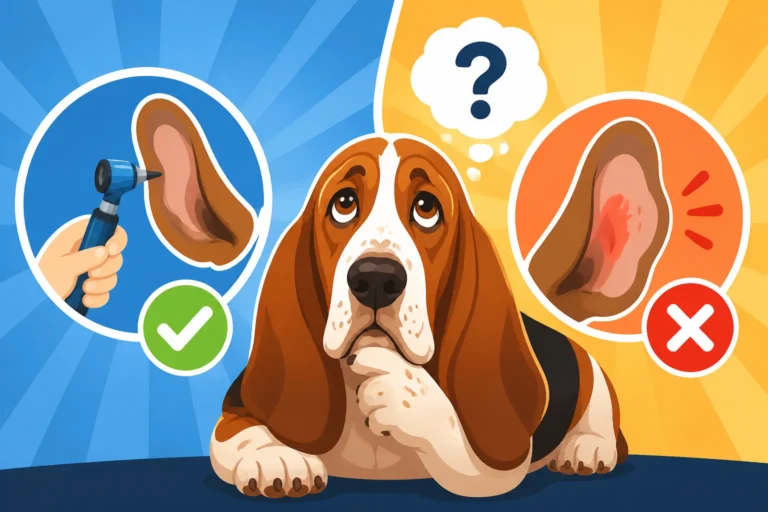
While routine cleaning is vital, it’s equally important to know when a home cleaning won’t cut it and professional help is needed. If you notice any of the following signs, it’s time for a vet visit:
- Strong, unpleasant odor: A sweet, yeasty smell or a truly foul odor.
- Redness, swelling, or discharge: Any visible inflammation or pus-like discharge.
- Pain or sensitivity: Your Basset cries, snaps, or recoils when you touch its ears.
- Excessive head shaking or scratching: More than usual, or persistent.
- Holding head to one side: A clear sign of discomfort.
- Changes in behavior: Lethargy or loss of appetite accompanying ear issues.
These symptoms indicate an active infection that likely requires prescription medication, which only a veterinarian can provide. Sometimes, a bacterial or yeast infection can be very deep-seated, and your vet may need to perform an ear cytology (taking a sample and looking at it under a microscope) to determine the best course of treatment. Don't delay; early intervention can prevent more serious complications, and save your Basset from prolonged discomfort. It's also a good idea to consider What Ear Treatment Costs a Basset Hound Owner Yearly as these issues can be frequent.
Establishing a Regular Ear Care Routine
Consistency is truly the unsung hero when it comes to keeping your Basset Hound's ears healthy. Just like brushing your own teeth, regular ear care isn't a one-and-done event; it's an ongoing commitment to their well-being.
Frequency of Cleaning and Inspection
There's no single "right answer" for how often a Basset's ears need cleaning, as it can vary greatly depending on the individual dog, their activity level, and their propensity for infections. However, a good baseline for most Basset Hounds is a thorough cleaning every 1-2 weeks. This also lines up with how often a Basset Hound's ears need to be cleaned, as discussed in How Often a Basset Hound's Ears Must Be Cleaned.
More important than cleaning is daily inspection. A quick lift of the ear flaps, a gentle sniff, and a visual check can tell you a lot. Look for redness, swelling, or any unusual discharge. Smell for any funky odors. If everything looks and smells normal, you might just do a superficial wipe of the outer ear folds. If you notice anything amiss, then it's time for a more thorough cleaning or, if symptoms persist or worsen, a call to your vet. Dogs that swim frequently, or those with known allergies, might need more frequent cleaning to prevent problems.
Making Ear Handling a Positive Experience
Let's be honest, not many dogs love having their ears handled, let alone cleaned. But it's a critical part of owning a Basset Hound, so it's vital to make it as positive an experience as possible from a young age.
Start slowly, especially if you have a puppy. Gently touch their ears, lift the flaps, and offer praise and high-value treats. Keep sessions short and positive. Gradually introduce the ear cleaner, letting them sniff it, then just putting a few drops in and massaging, immediately followed by rewards. The goal is to build a positive association, so they learn that ear handling and cleaning means good things happen! This is a skill that falls under Teaching a Basset Hound to Have Its Ears Handled and is invaluable for their lifetime care.
If your Basset is already wary or reactive, go even slower. Work in quiet, calm environments. You might need to break down the steps even further, rewarding just for touching the ear, then lifting it, then touching with the bottle, and so on. Never force the issue, as this can create fear and make future cleanings even harder. Patience and positive reinforcement are your best friends here.
Long-Term Health and Prevention Strategies
Beyond regular cleaning, think about holistic strategies to support your Basset's ear health.
- Diet: A high-quality diet can significantly impact skin and coat health, which includes the ears. Many owners find that a balanced diet with good omega fatty acids helps reduce inflammation and improves skin barrier function. Brands like Ollie focus on fresh, balanced ingredients that can contribute to overall wellness, including better skin and ear health.
- Allergy Management: If your Basset suffers from allergies (food or environmental), these can manifest as chronic ear infections. Working with your vet to manage allergies is a long-term preventative measure that can dramatically reduce ear trouble.
- Keeping Ears Dry: After baths or swimming, ensure your Basset's ears are thoroughly but gently dried. You can use a soft towel to absorb moisture from the outer ear and a specific ear-drying solution (different from regular cleaner) for the canal.
- Environmental Factors: If your Basset frequently drags its ears through mud or tall, wet grass, consider ways to minimize this or clean the outer ears immediately after outdoor adventures. Sometimes even simple tools like a snood can help keep those long ears out of food and water bowls, preventing them from getting unnecessarily wet or dirty. Consider reading Whether a Basset Hound Needs a Snood at Dinner for more tips on this.
By combining proper cleaning techniques with preventative measures and a keen eye for early signs of trouble, you can significantly reduce the incidence and severity of ear problems in your Basset Hound. It's an investment of time and effort, but one that pays off immensely in your dog's comfort and health, allowing them to truly enjoy their sniffing adventures without the constant irritation of ear trouble.
| Tool / Method | Best Use Case | Risks of Misuse | Basset Hound Ear Safety |
|---|---|---|---|
| Cotton Swabs | Wiping outer ear folds, cleaning visible pinna | Pushing debris deeper, perforating eardrum, irritating canal | NOT for deep canal |
| Dog Ear Cleaning Solution | Flushing debris, dissolving wax, drying canal | Inadequate massage, not using vet-approved solution, forcing dog | SAFE (with correct use) |
| Cotton Balls / Gauze Pads | Wiping visible external ear, absorbing excess solution | Pushing too deep if forced, using abrasive materials | SAFE (for external) |
| Veterinary Exam / Cleaning | Diagnosis of infection, deep cleaning, advanced treatment | Cost, potential sedation for severe cases, delayed action can worsen | ESSENTIAL (for issues) |
Disclaimer
This article is for general informational purposes only and does not constitute professional advice. Laws, prices and regulations vary by location and change over time. Consult a qualified professional for guidance on your specific situation.