Whether a Basset Hound’s Eyes Water
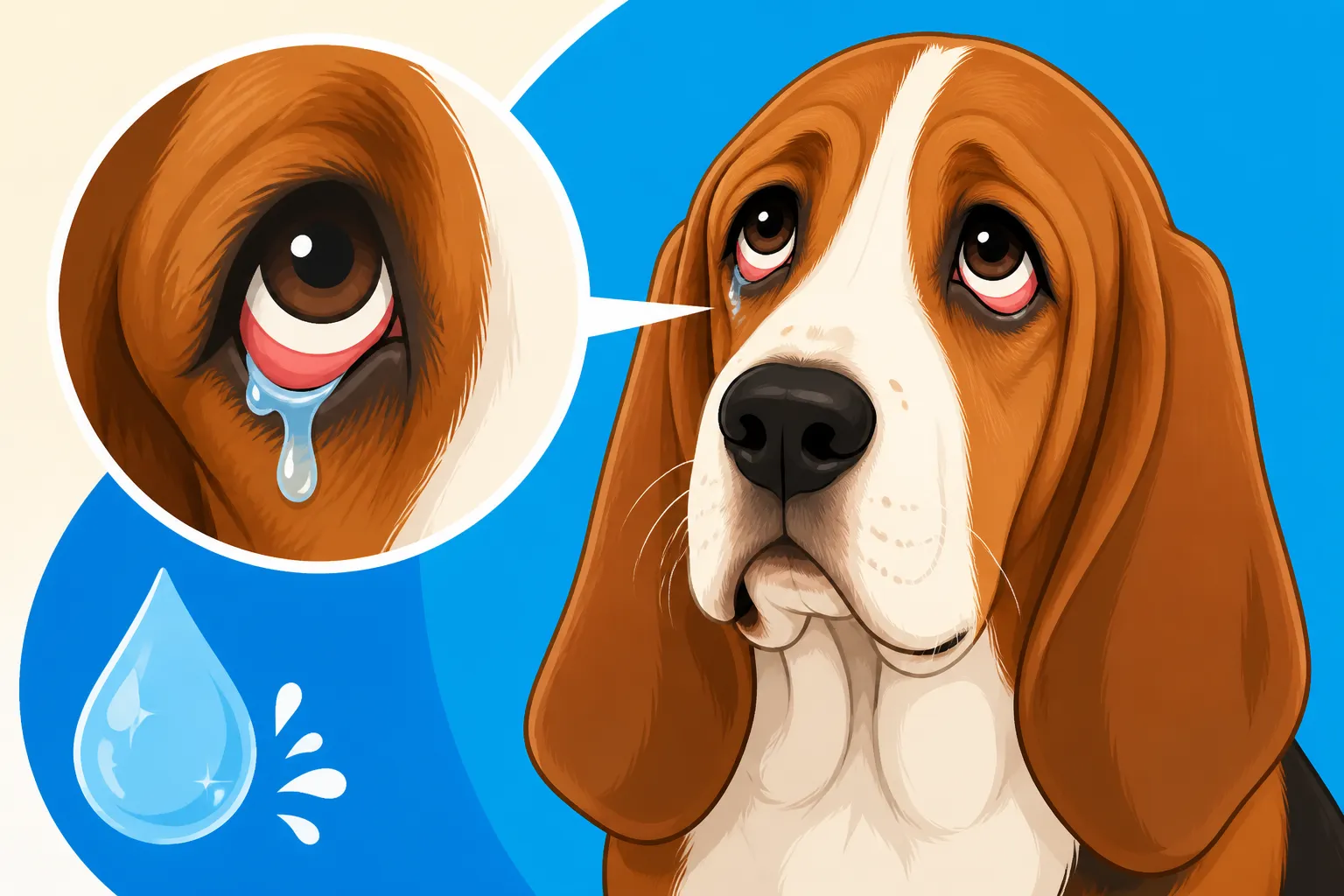
It's incredibly common to peer into your beloved Basset Hound's soulful eyes and notice they seem perpetually a little wet, or perhaps even actively tearing up. This can be quite disconcerting, making you wonder if they're in pain, have an allergy, or if it's just "part of being a Basset." The truth is, while some moisture is normal due to their unique anatomy, excessive or discolored tearing can indeed signal an underlying issue that needs your attention. This comprehensive guide will walk you through the various reasons your Basset Hound's eyes might water, from the completely normal to those requiring a vet visit, helping you understand when to simply wipe and when to worry.
The Normal Reasons Your Basset Hound's Eyes Might Be a Little Wet
Basset Hounds are famous for their endearing, droopy eyes, and while this gives them their signature melancholy look, it also plays a significant role in how their tear drainage system functions—or rather, sometimes doesn't function as efficiently as in other breeds. It’s important to distinguish between normal anatomical dampness and actual problems.
Just Good Old Gravity and Anatomy
The very features that make a Basset Hound so recognizable are often the culprits behind a bit of routine eye wetness. Their loose skin and prominent, often slightly everted (turned-out) lower eyelids, a condition known as ectropion, mean that the eyelid doesn't sit snugly against the eyeball. This creates a natural "gutter" for tears to collect and spill over instead of draining neatly into the tiny tear ducts located in the inner corner of the eye.
Think of it like a leaky roof gutter on a house. If the gutter isn't perfectly aligned or if the angle is just a bit off, water will drip down the side of the house instead of flowing into the downspout. Similarly, a Basset's lower eyelid acts like a tray. If it sags just a bit too much, or the tear duct opening isn't perfectly situated to catch the flow, those precious tears, which are always being produced to lubricate the eye, simply overflow onto the fur below. This isn't usually a painful or medically urgent issue; it's just a physical reality for many Bassets. You might notice a constant dampness in the inner corner or a slight, clear trail running down their cheek. This is often just what happens when you have those beautiful, deep-set, and somewhat saggy eyes.
Furthermore, the nasolacrimal ducts, which are the drainage tubes that carry tears from the eye to the nose, can sometimes be functionally less efficient in breeds with such distinctive facial structures. Even if the ducts are physically clear, the journey for the tears to reach them can be a bit of an uphill battle against the folds and droop of the skin. So, while tears are constantly produced to keep the eyes healthy and lubricated, a portion of them might simply not make it into the drainage system, leading to the overflow you observe. This is different from a blockage, which we’ll discuss later, but rather a characteristic of their breed conformation. It's a prime example of how Whether a Basset Hound's Droopy Eyelids Cause Trouble beyond just looks.
Environmental Irritants and Allergies
Beyond their unique anatomy, Basset Hounds, like all dogs, can react to things in their environment. Just imagine getting a speck of dust in your own eye – it waters up instantly to try and flush it out, right? Your Basset Hound is no different. Dust, dirt, grass seeds, pollen, or even the lingering scent of harsh cleaning products used in your home can act as irritants. Their eyes will naturally produce more tears as a protective mechanism, attempting to wash away whatever is bothering them.
Seasonal allergies are another incredibly common culprit. If you find yourself sneezing and itching more around spring or fall, your Basset might be experiencing similar discomfort. Pollen, mold spores, and even dust mites can cause itchy, red, and watery eyes in dogs. You might also notice other signs of allergies, such as your Basset frequently licking their paws, scratching at their ears, or developing irritated patches on their skin. These reactions are often quite pronounced in Bassets, whose already sensitive skin and anatomy can be further challenged by environmental triggers. A simple wipe with a damp, soft cloth might alleviate minor irritations, but if allergies are suspected, a trip to the vet can confirm this and discuss management options, which could range from antihistamines to more specialized treatments.
It's also worth considering things like smoke from a fireplace, candles, or even certain perfumes. If you notice a sudden increase in tearing after introducing something new to your home environment, it could very well be an irritant. Paying attention to these subtle cues can help you pinpoint the cause. Sometimes, simply identifying and removing the irritant, or ensuring better ventilation, can make a world of difference. However, if the tearing persists despite your best efforts to control environmental factors, it’s a good sign that something else might be at play.
When Watery Eyes Signal Something More Serious
While some tear overflow is a Basset Hound's birthright, there are definitely times when watery eyes are a clear signal that something more serious is going on. It’s crucial for us as owners to be vigilant and know the difference, because addressing these issues promptly can prevent discomfort and more severe health problems.
Blocked Tear Ducts Nasolacrimal Duct Obstruction
When tears are overflowing excessively, and it’s not just the usual anatomical quirk, a blocked tear duct is often high on the list of concerns. The nasolacrimal ducts are tiny tubes that typically drain tears from the inner corner of the eye down into the nasal cavity. If these ducts become obstructed, tears can't drain properly, leading to a constant deluge flowing down your Basset’s face. This isn't just about the aesthetics of tear staining; the constant dampness can lead to skin irritation, bacterial infections in the moist folds, and an overall uncomfortable situation for your dog.
The blockage can occur for several reasons. Sometimes, debris like dried mucus, dirt, or even a small foreign body can get lodged in the duct. Other times, inflammation due to an infection or allergies can cause the duct to swell shut. In some cases, scar tissue from previous infections or injuries can permanently narrow or close the duct. The signs usually include heavy, clear tearing, a persistently wet area around the eye, and often a reddish-brown stain on the fur below the eye (known as epiphora). The skin in this damp area might become raw, red, or even develop a yeast infection, emitting a distinct, sometimes unpleasant odor.
Diagnosing a blocked tear duct usually involves a visit to your veterinarian. They might perform a fluorescein dye test, where a special green dye is placed in the eye. Normally, the dye should appear at the nostril within a few minutes. If it doesn't, it indicates a blockage. Treatment often involves flushing the nasolacrimal ducts under light sedation to clear any obstructions. In recurrent or severe cases, surgery might be considered to open or create a new drainage pathway, though this is less common and usually a last resort. Early intervention for this condition is important, as chronic dampness can contribute to other issues like Skin Fold Infections on a Basset Hound.
Eyelid Abnormalities Beyond Normal Droop
While some droop in a Basset Hound's eyelids is normal and contributes to their charm, certain eyelid abnormalities can go beyond mere aesthetics and cause significant health issues. These conditions necessitate intervention to protect your dog’s vision and comfort.
Severe ectropion, where the lower eyelid rolls outward excessively, is one such condition. Unlike the mild, characteristic sag, severe ectropion exposes too much of the delicate conjunctival tissue (the pink lining of the eyelid) to the air and environmental irritants. This leads to chronic dryness, irritation, redness, and a constant battle against dirt and dust getting into the eye. The exposed tissue can become inflamed, thickened, and more prone to infections. Imagine if your own eyelids couldn't close properly and were always a little bit inside out; it would be incredibly uncomfortable and prone to damage. For a Basset, this means ongoing watery eyes as the body tries to keep the exposed tissue moist, often accompanied by a thick, mucus-like discharge.
On the flip side, entropion is an equally problematic, though less common, condition in Bassets where the eyelid (usually the lower, but sometimes the upper) rolls inward, causing the eyelashes and surrounding hair to constantly rub against the sensitive surface of the cornea. This is incredibly painful and acts like having a permanent splinter in your eye. The constant rubbing can lead to corneal abrasions, ulcers, and eventually scar tissue, which can impair vision. You'll likely see severe tearing, squinting, redness, and your Basset pawing at their face. Both severe ectropion and entropion typically require surgical correction to reposition the eyelids to a more functional and comfortable state. These procedures can be costly, making it vital to have discussions about What a Basset Hound's Eye Care Costs and consider options like pet insurance from providers such as Healthy Paws, which can significantly alleviate the financial burden of unexpected surgeries.
Eye Infections and Corneal Issues
Sometimes, the watery eyes aren't due to structural issues or allergies but rather an active infection or an injury to the eye itself. These situations often escalate quickly and warrant immediate veterinary attention, as they can be quite painful and, if left untreated, lead to severe complications, including vision loss.
Bacterial or viral infections, commonly known as conjunctivitis, can cause copious watery discharge, often accompanied by redness of the whites of the eyes and inner eyelids, swelling, and sometimes a thick, yellow or green pus-like discharge. If the tearing starts clear but then becomes cloudy, discolored, or sticky, it’s a strong indicator of an infection. Your Basset might also show signs of discomfort like squinting, rubbing their face on furniture, or pawing at the affected eye. These infections can be secondary to other issues like blocked tear ducts or allergies, or they can occur independently.
Corneal ulcers or scratches are perhaps one of the most painful and urgent causes of watery eyes. The cornea is the clear outer layer of the eye, and even a tiny scratch or ulcer (an open sore) can cause excruciating pain. Basset Hounds, with their low-slung bodies and curious noses, are susceptible to getting foreign objects like thorns, grass seeds, or even just a sharp piece of debris in their eyes while exploring. Signs of a corneal injury include sudden and severe watery eyes, intense squinting, sensitivity to light, redness, and sometimes a visible cloudiness or bluish tint on the surface of the eye. Your dog might be reluctant to open their eye at all. If you suspect an injury, it’s an absolute emergency. Delays in treatment can lead to deeper ulcers, secondary infections, and potentially permanent damage or even loss of the eye. Always treat sudden, severe eye symptoms as an urgent matter and contact your vet immediately.
Practical Steps for Managing Your Basset Hound's Teary Eyes
Living with a Basset Hound often means learning to manage their unique physical traits, and their eyes are no exception. While some tearing might be unavoidable due to their genetics, there's a lot you can do to keep them comfortable and prevent minor issues from becoming major problems. Regular care and knowing when to seek professional help are paramount.
Daily Cleaning and Maintenance
Establishing a gentle, daily eye-cleaning routine is one of the most effective ways to manage the normal tear overflow and prevent secondary issues. Think of it as part of your Basset’s daily pampering session. Use a soft, clean, damp cloth or veterinary-approved eye wipes. Always use a fresh part of the cloth or a new wipe for each eye to prevent cross-contamination if one eye is infected. Gently wipe away any accumulated tears, mucus, or crust from around the eyes, moving from the inner corner outwards. Be incredibly careful not to touch the eyeball itself or apply any pressure to the eye.
The goal here isn't just cleanliness; it's about keeping the skin around the eyes dry. Constant dampness creates a perfect breeding ground for yeast and bacteria, leading to the dreaded tear staining and often unpleasant odors. These can also contribute to skin fold infections if the dampness settles into the deeper facial wrinkles. If your Basset struggles with significant tear staining, there are also specialized products, often containing mild astringents or antibacterial agents, that can help lighten the stains and keep the area healthier. Always choose products specifically formulated for dogs and consult your vet if you're unsure. This routine also gives you a fantastic opportunity to do a quick daily check for any changes in discharge color, redness, swelling, or squinting, allowing you to catch potential problems early. This proactive approach is key to managing a Basset's eye health, much like how important it is to keep their ears clean to prevent The Ear Infections That Never Really Leave a Basset Hound.
When to Consult Your Veterinarian
Knowing when to simply clean and when to pick up the phone for your vet is probably the most critical aspect of managing your Basset Hound's watery eyes. While a little dampness is normal, any significant change or accompanying symptoms should trigger a call to your veterinary office.
You should consult your veterinarian immediately if you observe any of the following:
- Sudden increase in tearing: If your Basset's eyes suddenly start watering much more than usual.
- Change in discharge: If the tears become thick, cloudy, yellow, green, or blood-tinged, or if there's excessive mucus.
- Redness or swelling: Any noticeable redness in the whites of the eyes, on the eyelids, or around the eye area.
- Squinting or pawing: If your Basset is holding one or both eyes partially or completely closed, or rubbing at their face, it indicates pain or severe irritation.
- Sensitivity to light (photophobia): If your dog is avoiding bright lights or seems uncomfortable in them.
- Cloudiness or visible injury: Any change in the clarity of the cornea (e.g., a bluish haze, white spots) or if you see a foreign object.
- Uneven pupil size or changes in eye appearance: Any difference between the two eyes.
- Bumps or lesions: New growths or sores on or around the eyelids.
When you bring your Basset to the vet for eye issues, they will perform a thorough ophthalmic examination. This might include using an ophthalmoscope to look into the eye, a fluorescein stain test to check for corneal ulcers or scratches, a Schirmer tear test to measure tear production, and potentially even an eye pressure check, especially if there's any concern about conditions like glaucoma. This is also why Whether a Basset Hound Needs a Yearly Eye Pressure Check is important for preventative care. Remember, eyes are incredibly delicate, and delaying treatment can lead to permanent damage or blindness. It's always better to be overly cautious and have a professional assess the situation rather than waiting and risking your beloved Basset's vision and comfort. This is where pet insurance, like policies from Healthy Paws, can be incredibly valuable, offering peace of mind that you can seek immediate care without undue financial stress.
Here’s a quick reference table for common causes of watery eyes in Basset Hounds:
| Cause | Typical Symptoms | Severity | Recommended Action |
|---|---|---|---|
| Normal Anatomy (Ectropion) | Mild, clear tear overflow; dampness in inner corner; tear staining | Low | Daily gentle cleaning; keep dry. |
| Environmental Irritants | Sudden increase in clear tears; mild redness; may resolve quickly | Low | Identify and remove irritant; gentle cleaning. If persistent, consult vet. |
| Allergies | Clear tears, redness, itching (pawing/rubbing), other allergy signs (licking) | Moderate | Consult vet for diagnosis and management; may need antihistamines. |
| Blocked Tear Ducts | Excessive clear tears; tear staining; skin irritation; possible mucus/pus | Moderate | Vet visit for fluorescein test; possibly duct flushing. |
| Severe Eyelid Issues (Entropion/Ectropion) | Squinting, rubbing, redness, thick discharge, signs of pain, corneal damage | High | Immediate vet consultation; likely surgical correction needed. |
| Eye Infections (Conjunctivitis) | Redness, swelling, thick/discolored discharge (pus), squinting, pain | High | Urgent vet visit; typically requires antibiotic/antiviral drops. |
| Corneal Ulcer/Injury | Severe pain, intense squinting, copious clear tears, redness, cloudiness | High | Emergency vet visit immediately; prompt treatment essential to save vision. |
Disclaimer
This article is intended for informational purposes only and does not constitute medical advice. Always consult with a qualified veterinarian for any health concerns or before making any decisions about your Basset Hound's care.