Why a Hunter on Foot Wanted a Slow Hound
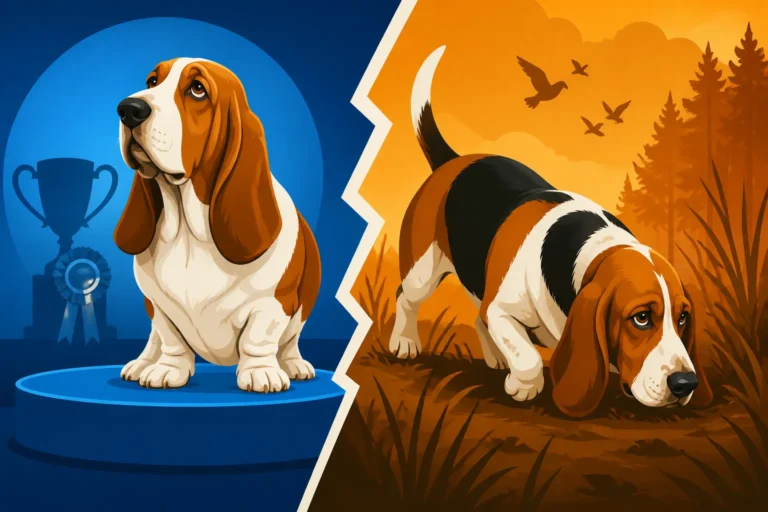
It’s easy to look at a Basset Hound today, with their famously droopy eyes, long ears, and undeniably short legs, and wonder how this distinct breed came to be. Many folks assume their unique build is simply a charming quirk, or perhaps the result of modern breeding trends. However, the Basset Hound’s characteristic slowness and low-slung stature were not an accident or a mere aesthetic choice; they were deliberately cultivated traits, precisely what a hunter on foot needed centuries ago. This guide will explore the fascinating history behind why these incredible hounds were specifically bred to be slow, and how that intention shaped the beloved companions we cherish today.
The Genesis of the Low-Slung Hunter
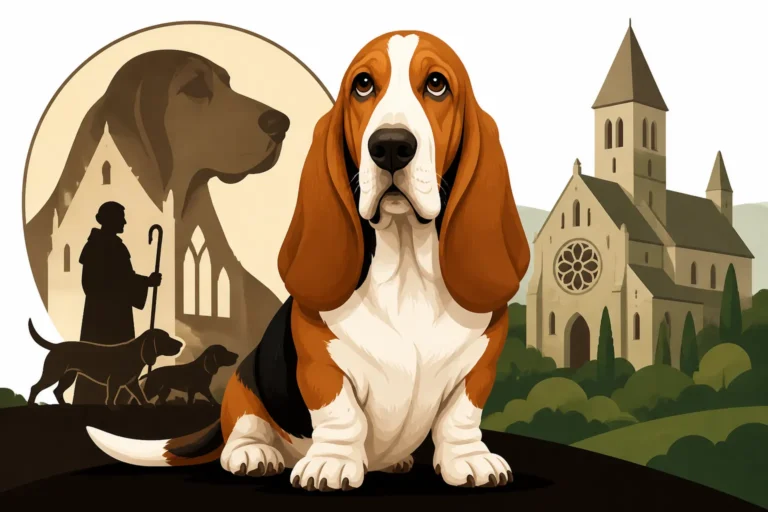
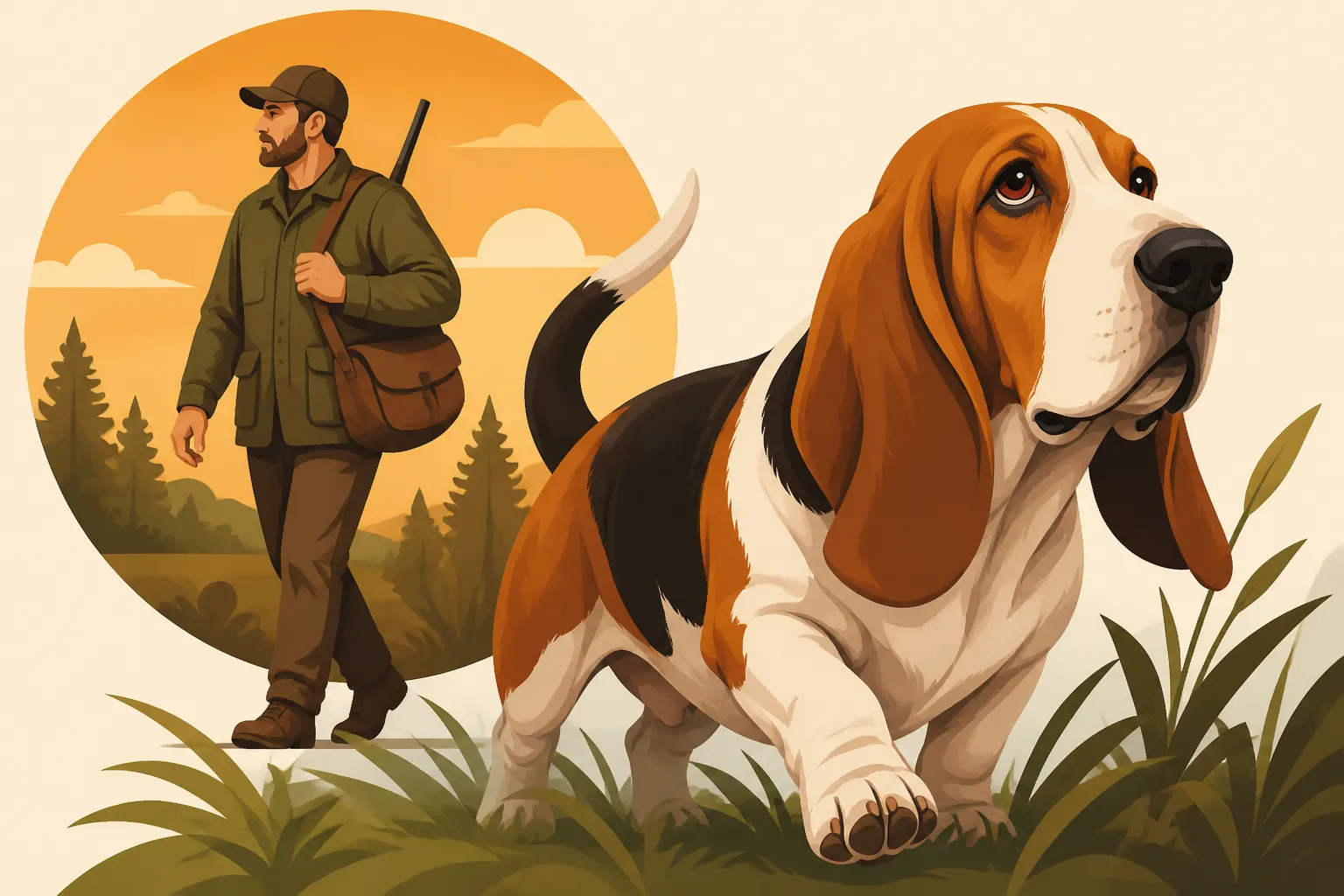
To understand why a slow hound was desirable, we have to travel back in time to medieval France, where the origins of the Basset Hound truly begin. Imagine a world without powerful rifles, without swift vehicles, and without tracking collars. Hunting was a much more intimate, arduous affair, especially for the common person or even lesser nobility who hunted on foot rather than from horseback. These hunters faced a unique set of challenges that demanded a very specific kind of canine partner.
The Hunter on Foot's Dilemma
For the hunter who couldn't keep pace with a fast-moving pack of hounds and horses, traditional swift breeds were simply impractical. Picture yourself trying to follow a pack of speedy Foxhounds as they tore through dense underbrush, out of sight and earshot within moments. You'd quickly lose them, and with them, your quarry. This wasn't just about sport; it was often about putting food on the table. Losing a scent, or losing the hounds, meant a wasted day and an empty pot. The primary frustration was the sheer inability to keep up, leading to lost game and fruitless efforts.
Another crucial factor was the terrain. Medieval forests weren't always open and clear. They were often thick with thorny bushes, tangled vines, and uneven ground. A hound built for speed might cover ground quickly, but it might also miss crucial scent markers or injure itself in the rush. What was truly needed was a dog that could meticulously work a trail, navigating obstacles without sacrificing precision or endurance, and all at a pace a human could comfortably match. This is where the concept of a "basset" – meaning "low" in French – began to take shape.
Intentional Breeding for a Purpose
The monks of the Abbey of Saint Hubert are often credited with playing a significant role in developing many scenthound breeds, including the ancestors of the Basset Hound. They understood the limitations faced by hunters without horses. Their solution was to deliberately select for traits that promoted a slower, more methodical tracking style. They weren't breeding for speed, but for tenacity, an incredible nose, and a pace that allowed human hunters to participate actively in the chase and be present for the kill.
This selective breeding focused on shortening the legs while retaining the powerful scenting abilities of their larger hound cousins. Think of it as specialized engineering for a specific job. They wanted a dog that could stick to a scent like glue, even if that meant moving at a snail's pace. This was about efficiency and practicality for a particular hunting demographic, not about creating a cartoonish companion. It’s a testament to ancient breeders that they understood biomechanics and purpose so well. The result was a hound that could track for hours, its nose glued to the ground, never outrunning its human partner. Where the First Basset Hounds Came From sheds more light on these fascinating beginnings.
The Basset Hound's Unique Tools for "Slow Hunting"
Every characteristic of the Basset Hound, from its long ears to its wrinkled brow and dewlap, serves a purpose in its original role as a slow, scent-driven hunter. These features aren't just adorable; they are perfectly evolved tools for a very specific job.
The Power of the Nose and Ears
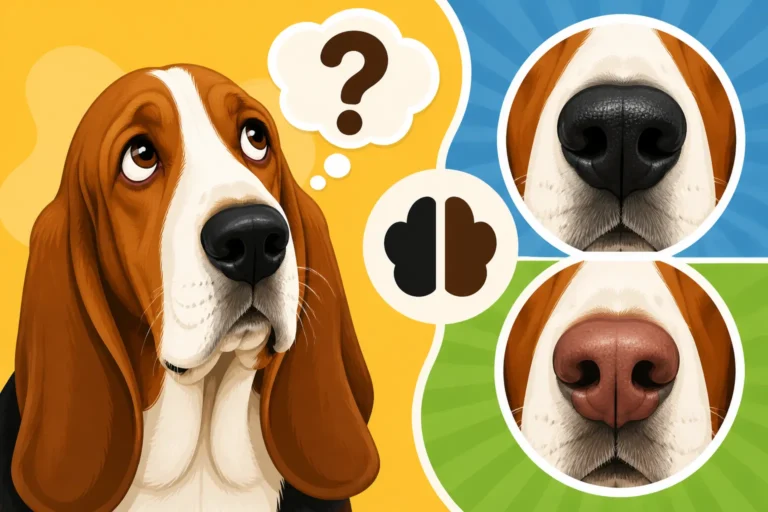
The Basset Hound's nose is legendary, second only to the Bloodhound in its scenting prowess. This incredible organ is the primary tool for its hunting style. When a Basset Hound drops its head, its long, velvety ears sweep the ground, effectively stirring up scent particles and guiding them directly towards its nose. This creates a miniature scent funnel, maximizing its ability to pick up even the faintest of trails. Why a Basset Hound's Ears Help It Smell goes into detail about this unique adaptation.
Moreover, the extensive folds of skin on their face and neck, known as the dewlap, also play a role. These folds are believed to trap scent particles, allowing the hound to process and follow a trail even more effectively. This combination of powerful nose, scent-gathering ears, and scent-trapping skin meant that while a Basset might be slow, it was virtually impossible to throw off its chosen scent. It could track a cold trail for hours, patiently, methodically, and with unwavering focus. For a hunter on foot, this meticulousness was far more valuable than raw speed.
The Resounding Bay
Another crucial tool for the hunter on foot was the Basset Hound's distinctive bay. This deep, resonant howl is not just a charming characteristic; it was a vital communication tool in the dense forests where hunters could easily lose sight of their dogs. When a Basset Hound "spoke on trail," it let its hunter know exactly where it was and that it was actively working the scent. This allowed the hunter to navigate through the woods, following the sound, even if the hound itself was out of view.
The bay served as an audible GPS, guiding the hunter to the location of the game. Imagine trying to follow a silent dog through miles of thick woodland. It would be nearly impossible. The Basset's bay, therefore, became an indispensable part of the slow hunting process, ensuring the hunter could always stay connected to their furry partner and the unfolding chase. The Bay a Basset Hound Uses and the Neighbors Hear elaborates on the power and purpose of this iconic sound.
The Pace of the Hunt: Why Slow Was Superior
For a hunter on foot, "slow and steady wins the race" wasn't just a saying; it was a fundamental principle. The Basset Hound embodied this philosophy, proving that sometimes, deliberate speed and unwavering focus yield better results than frantic pursuit.
Sustained Effort Over Burst Speed
Hunting with a Basset Hound was a marathon, not a sprint. The breed's low center of gravity, sturdy bone structure, and incredible stamina allowed them to track game for extended periods without tiring. While a faster dog might burn out quickly or become disoriented, the Basset could maintain its deliberate pace for hours, relentlessly pursuing its quarry. This endurance was essential for securing a successful hunt, especially when tracking wily game that might lead them over long distances.
Consider the energy expenditure. A quick burst of speed might corner an animal momentarily, but if the hunter isn't there to capitalize, the animal escapes. A Basset Hound, moving at a walking pace, could keep the game moving slowly, allowing the hunter to catch up and participate at every stage. This cooperative effort made the hunt much more manageable and ultimately more successful for the human on foot. It’s also why owners today still sometimes wonder How Far a Basset Hound Should Walk – their natural gait is built for endurance, not speed.
Enabling Human Participation
Ultimately, the Basset Hound's slowness was about enabling the human hunter. It transformed hunting from an exclusive sport for the mounted elite into an accessible activity for anyone with a good nose and sturdy legs. The dog's methodical pace ensured the hunter could observe the entire process, learn from the dog's tracking, and be present for the culmination of the hunt. This partnership was key, fostering a deep bond between dog and human that persists to this day.
It allowed hunters to employ tactics and strategies that simply weren't possible with faster hounds. They could work together, communicate effectively, and truly cooperate in securing their game. The Basset wasn't just a tool; it was a highly specialized, integral partner in a specific hunting ecosystem. Whether a Basset Hound Was Bred to Be Followed on Foot highlights this cooperative hunting dynamic.
Here's a quick look at the core differences in hunting styles:
| Feature | Fast Hound Hunting (e.g., Foxhound) | Slow Hound Hunting (e.g., Basset Hound) |
|---|---|---|
| Hunter's Mode | Typically mounted (horseback) | Primarily on foot |
| Pace of Chase | Rapid, high-speed pursuit | Deliberate, methodical tracking |
| Visibility | Hounds often out of sight, relying on horn calls | Hounds generally within sight/earshot, baying often |
| Terrain | More open country favored | Dense underbrush, varied terrain handled well |
| Scent Work | Fast trail, potentially missing fainter scents | Meticulous, nose-to-ground work, even on cold trails |
| Endurance | Bursts of speed, might tire faster in dense areas | Long-duration, sustained effort, tenacious pursuit |
| Communication | Horns, shouts | Distinctive bay, visual cues |
| Outcome | Fast capture or loss | Patient, almost inevitable capture due to relentless tracking |
Echoes of the Past: The Slow Hound Today
While most Basset Hounds today are cherished family pets rather than working hunters, their historical purpose continues to shape their personalities, behaviors, and even their physical needs. Understanding this past helps us appreciate and care for them better.
A Nose Still Rules
Even without active hunting, the Basset Hound's incredible nose remains its most dominant feature. Owners quickly learn that once a Basset picks up an interesting scent, the rest of the world fades away. This isn't stubbornness; it's instinct. It's the culmination of centuries of selective breeding for a singular purpose. A Basset on a captivating scent will often appear deaf to commands, ignoring even the most enticing calls. Whether a Basset Hound ignores you on a scent is a common experience for many owners.
This powerful drive means Basset Hounds thrive on activities that engage their noses. Scent work, tracking games, or even just long, meandering walks where they can sniff to their heart's content are incredibly fulfilling for them. Providing mental stimulation through nose work can help redirect their natural instincts in a positive way. For example, enrichment toys or snuffle mats filled with treats, easily found on sites like Chewy, can keep their minds engaged and prevent boredom, channeling that ancient hunting focus into a fun, safe activity.
The Deliberate Pace Continues
That characteristic slow, ambling gait is still very much a part of the Basset Hound. They are not built for speed, and expecting them to be a jogging partner is often unrealistic and potentially harmful to their unique skeletal structure. Their short legs and long backs mean they need a more measured approach to exercise. While they need regular, moderate exercise to stay healthy and prevent obesity, it should always be at their own unhurried pace.
This deliberate pace also means they are fantastic companions for leisurely strolls, perfect for families who enjoy unhurried outdoor time. However, it also means vigilance is key: an open gate or an unclipped leash is an invitation for a Basset to follow a tantalizing scent trail, indifferent to traffic or distance. Whether a Basset Hound Should Ever Be Off Leash is a question every owner grapples with due to this strong instinct. Investing in a sturdy, comfortable harness for walks is always a good idea, and you can find many great options on Chewy that distribute pressure evenly across their chest, rather than their neck.
Living with a Legacy
Living with a Basset Hound means embracing their unique legacy. It means understanding that their "stubbornness" is often their instinctual drive to follow a scent, and their calm demeanor is an echo of their need for sustained effort rather than frantic bursts. Their physical traits, like those long ears and deep wrinkles, require attentive care to prevent infections, a small price to pay for such a rich history. Cleaning the Folds a Basset Hound's Face Is Made Of is a good read on caring for their distinctive facial structure.
Ultimately, the Basset Hound is a breed designed for a purpose, and that purpose was to be the perfect, slow, methodical hunting partner for a person on foot. Understanding this history doesn't just make them more fascinating; it helps us to better meet their needs, respect their instincts, and appreciate the incredible animals they are. They are living history, telling a story of cooperation, tenacity, and the undeniable power of a truly great nose, a trait still evident in every sniff and every deliberate step they take. You'll find many toys and tools to keep your Basset Hound happy and healthy, from durable chew toys to comfortable beds on Chewy, supporting their slow-paced, scent-driven lifestyle.
Disclaimer
This article is for general informational purposes only and does not constitute professional advice. Laws, prices and regulations vary by location and change over time. Consult a qualified professional for guidance on your specific situation.