Whether Slippery Floors Hurt a Basset Hound
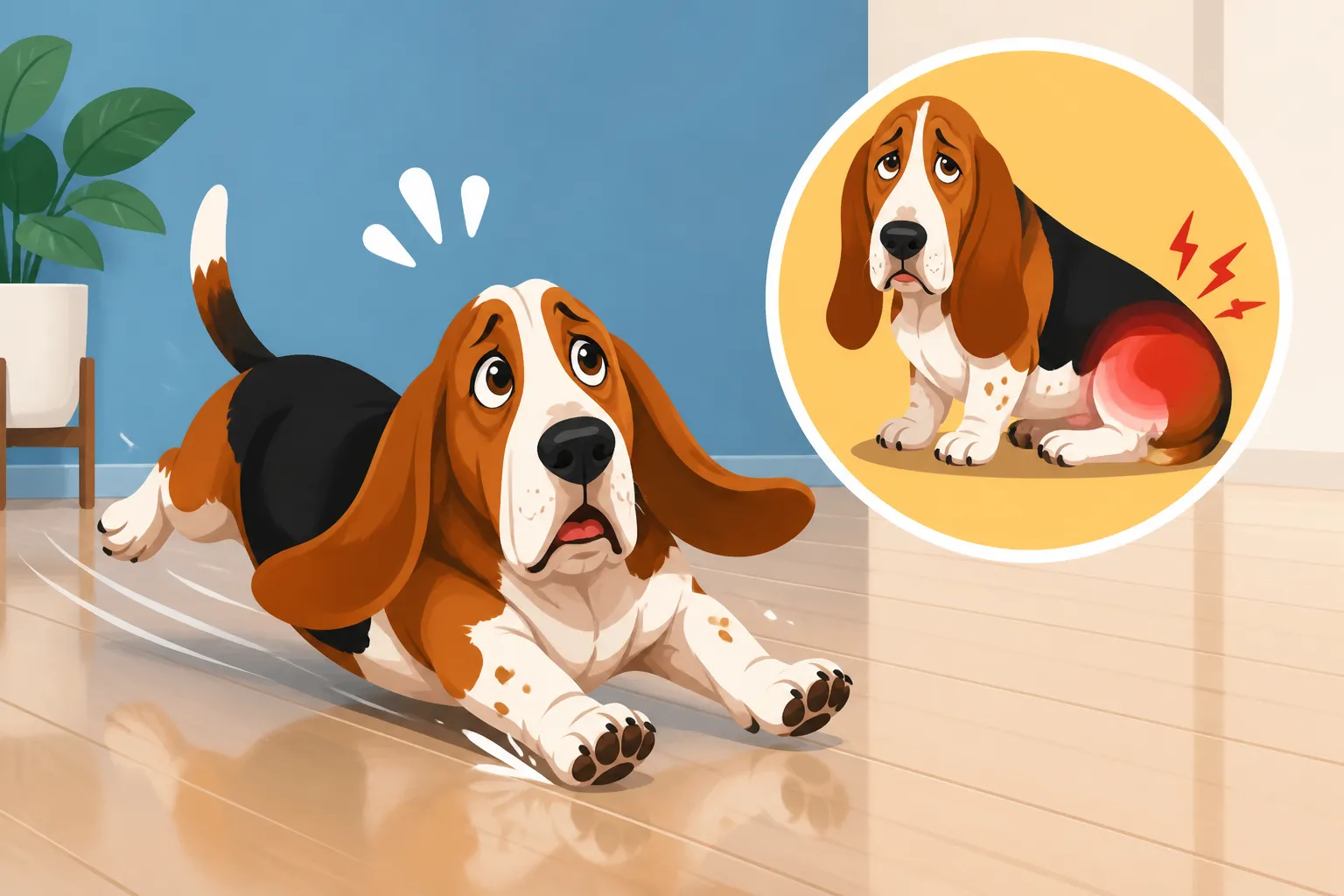
It's a scene many of us Basset Hound owners know all too well: your beloved long-bodied, short-legged companion takes a tentative step onto a polished hardwood floor or a slick tile, their paws splay, and they slide. You hold your breath, hoping they don't crash, knowing deep down that these seemingly minor tumbles can actually cause significant discomfort and even serious injury to their unique physique. This guide is here to shed light on why slippery floors are indeed a problem for Basset Hounds and, more importantly, what we can do to protect them in our homes.
The Unique Challenges Basset Hounds Face on Slippery Surfaces
Our Basset Hounds are iconic for their distinct build: that wonderfully long body, those substantial, short legs, and their characteristic low-slung posture. While these traits make them incredibly charming and excellent scent hounds, they also present a specific set of physical challenges, especially when navigating slick environments like tiled or hardwood floors. It's not just an inconvenience; it's a real physical strain that impacts their daily life.
Their Low Center of Gravity and Long Body
Imagine trying to walk on ice while carrying a heavy, oversized backpack that's longer than your legs. That's a bit like what our Bassets contend with on a slippery surface. Their low center of gravity means their weight is distributed horizontally, making them less agile in regaining balance once a slip begins. When a Basset Hound's paws lose traction, their long spine bears the brunt of the sudden, awkward movements. This isn't just a minor jolt; it can cause significant twisting and compression forces on their delicate spinal discs.
We often talk about The Back Trouble a Basset Hound Is Built Into, and for good reason. Their elongated bodies are naturally prone to conditions like intervertebral disc disease (IVDD), where the cushions between their vertebrae can bulge or rupture, causing immense pain and even paralysis. Repeated slipping and sliding on hard floors can exacerbate existing back issues or even initiate new ones by putting undue stress on the ligaments and muscles supporting the spine. A sudden, uncontrolled splay of the legs can hyperextend or overflex the back, jarring the discs and increasing the risk of injury. It's a silent stressor that builds up over time, often unseen until a major problem arises.
The Impact on Joints and Limbs
Beyond the back, those powerful, short legs and heavy bone structure, while designed for endurance in tracking, are not built for quick, corrective movements on frictionless surfaces. When a Basset Hound slides, their legs often splay out to the sides in an uncontrolled manner. This puts tremendous strain on their elbows, shoulders, hips, and knees. These joints are forced into unnatural positions, stretching ligaments and tendons far beyond their normal range of motion.
Conditions like Elbow Dysplasia in a Basset Hound are unfortunately common in the breed. This developmental orthopedic disease involves abnormal growth and formation of the elbow joint, leading to pain and lameness. Slipping repeatedly can aggravate such pre-existing conditions, accelerating the progression of arthritis and increasing inflammation. Even in a Basset Hound with perfectly healthy joints, the continuous jarring and hyperextension from slipping can lead to microscopic damage over time, setting the stage for future problems. It’s like repeatedly spraining an ankle – eventually, the joint becomes chronically unstable and painful. Their sturdy, heavy-boned legs are meant to carry them steadily over varied terrain, not to act as slick skates on your kitchen floor.
Common Injuries and Long-Term Health Concerns
It’s easy to dismiss a Basset Hound’s slip as just a clumsy moment, perhaps even a bit comical. But for our beloved hounds, these incidents can range from immediately painful acute injuries to insidious, chronic conditions that diminish their quality of life over years. Understanding the potential consequences can help us appreciate the importance of a safe home environment.
Acute Injuries from Slips and Falls
When a Basset Hound experiences a sudden loss of traction, their body reacts violently and often awkwardly to try and regain balance. This often results in hyperextension or twisting of limbs, which can lead to a variety of acute injuries. Picture your Basset chasing a dropped treat, hitting the tile, and all four paws shooting out from under them. The sound alone is enough to make a dedicated owner wince.
Common acute injuries include sprains and strains – tears or overstretching of ligaments and muscles, respectively. These can affect any joint but are particularly common in the wrists, elbows, and hips. A Basset might limp suddenly, yelp in pain, or hold up a paw after such an incident. Less common, but still a risk, are fractured toes or even more severe bone breaks, especially if they fall awkwardly or collide with furniture. Imagine a sudden, uncontrolled slide into a table leg. The impact can be significant. Even a minor fall can cause bruising or soft tissue damage that, while not immediately visible, can be quite painful for your dog. It's crucial not to underestimate these events; what seems like a quick recovery might mask underlying trauma.
Chronic Issues and Arthritis Progression
Beyond the immediate injury, the cumulative effect of countless slips and slides can take a serious toll on a Basset Hound's musculoskeletal system. This is where the long-term, often silent, damage truly begins to manifest. Each small slip, each time their body strains to correct itself, contributes to what vets call micro-trauma. It's like tiny repetitive injuries that slowly wear down the body.
This constant stress on joints accelerates the development and progression of Arthritis in a Basset Hound at Seven, or even earlier in some cases. The cartilage that cushions their joints begins to degrade faster, leading to inflammation, pain, and reduced mobility. Their body, in an attempt to protect itself, might start laying down extra bone around the joints, further limiting movement and increasing stiffness. This compensatory mechanism can also lead to an uneven distribution of weight, as the dog tries to favor less painful limbs, resulting in muscle imbalances and further strain on other joints and the spine. Over time, these chronic issues can make everyday activities incredibly difficult. You might notice your Basset struggling to get up from a lying position, showing reluctance to jump onto the sofa, or becoming less enthusiastic about walks. These are often early signs that their joints are suffering, and the regular slippage on your floors is likely a contributing factor, making it harder for The Old Basset Hound That Cannot Get Off the Floor. It's a slow, progressive decline that can be heartbreaking to watch, but it's often preventable with proactive measures.
Practical Solutions for a Safer Home Environment
The good news is that you don't have to choose between beautiful floors and a happy, healthy Basset Hound. There are many practical and often simple solutions to mitigate the risks that slippery surfaces pose. Creating a safer home environment is not just about preventing falls; it's about supporting your Basset's long-term joint health and overall well-being.
Enhancing Traction with Runners and Mats
One of the most immediate and effective ways to help your Basset Hound is to increase the traction on your floors. This is where rugs, runners, and non-slip mats become your best friends. Think of them as safe pathways for your hound. The goal is to cover main thoroughfares and high-traffic areas where your Basset spends most of their time, particularly where they eat, drink, or wait for you.
When choosing these, look for options with a good grip on the bottom – rubber-backed rugs are excellent. If your rug doesn't have a non-slip backing, you can always buy non-slip rug pads separately from places like Amazon or Chewy to place underneath. Strategically placed runners in hallways, area rugs in living spaces, and smaller mats in front of dog bowls or entryways can make a world of difference. Consider linking these rugs to create a continuous, safe path across larger rooms. This helps your Basset move confidently without the fear of slipping. For example, a runner that connects the couch to their food bowl, and another from the food bowl to the backdoor, provides a solid, grippy route for their daily activities.
Paw Protection and Grooming
Sometimes, the issue isn't just the floor, but also the 'tires' on your Basset. Their paws play a critical role in grip, and there are several ways we can enhance their natural traction.
First, keep those nails trimmed! Long nails reduce the contact surface of your dog's paw pads with the ground, making them more prone to slipping. When nails are too long, they push the toes up, effectively reducing their grip. Regular nail trims are a must, as discussed in How Often a Basset Hound's Nails Need Cutting. If you hear your Basset's nails clicking on the floor, they're too long. Secondly, consider using paw balms that provide a bit of grip. Some products are specifically designed with non-slip properties to give a tacky feel to the paw pads, which can be particularly helpful for older dogs or those with naturally dry pads. Another great option is specialized grippy socks or toe grips, available on platforms like Chewy. These little wonders can provide immediate traction, especially on very slick surfaces. They might take a little getting used to, but many Bassets adapt quickly, especially if it means more confident movement. Finally, don't forget the hair between their paw pads. If it grows too long, it can also reduce traction. A quick trim with blunt-nosed scissors or a paw trimmer can expose the pads fully, allowing for better grip.
Managing Movement and Incorporating Ramps
Even with the best rugs and paw care, some areas might remain challenging, or your Basset might need extra help with certain actions. This is where active management and assistive devices come in.
Using baby gates, easily found on Amazon or Chewy, to block off particularly hazardous areas like an uncovered section of polished stairs or a large, bare tile kitchen floor, can be very effective. This isn't about restricting them unfairly but about directing them to safe zones. Crucially, consider incorporating ramps into your home. Basset Hounds, with their long backs and short legs, are not built for jumping, especially not off furniture. A hard landing after a jump, particularly on a slick surface, can be disastrous for their spine and joints. This concern is why many owners adopt strategies like Keeping a Basset Hound Off the Furniture It Should Not Jump From. Installing ramps next to couches and beds, or even a car ramp for easier access, can save their joints countless stresses. Whether a Basset Hound Should Use a Ramp is often a resounding yes, as it provides a low-impact way for them to access elevated surfaces without risking a jump or fall. Training them to use these ramps with treats and positive reinforcement will make it a natural part of their routine, ensuring they maintain their access to beloved lounging spots without the associated risks.
When to Seek Veterinary Advice
Even with the best preventative measures, sometimes accidents happen, or the subtle signs of pain might indicate a deeper issue exacerbated by slippery floors. Knowing when to call your vet is paramount to ensuring your Basset Hound receives timely and appropriate care.
Recognizing Signs of Pain or Injury
Our Basset Hounds are often stoic, but they do communicate discomfort if we know what to look for. After a noticeable slip or fall, or if you simply observe changes in their behavior over time, it's vital to watch for specific indicators of pain or injury. Limping, favoring a limb, or an altered gait where they seem hesitant or stiff are obvious red flags. They might suddenly refuse to go on walks, struggle to climb stairs or jump (even small ones), or show reluctance to get up from a resting position.
Beyond mobility issues, watch for behavioral changes. A normally outgoing Basset might become withdrawn, irritable, or even growl or snap when touched in certain areas. This isn't aggression; it's often a pain response. Other signs include excessive licking of a particular joint, swelling in a limb, or even vocalizations like yelping or whining when moving. Don't dismiss these as simply "getting old." While age can certainly bring aches, sudden or pronounced changes warrant a veterinary visit. Early intervention can significantly improve the outcome and prevent minor issues from becoming debilitating chronic problems.
Proactive Joint Care and Diagnostics
Beyond immediate injury, it’s a good idea to discuss proactive joint care with your veterinarian, especially as your Basset Hound ages or if they have known orthopedic issues. Your vet might recommend joint supplements containing ingredients like glucosamine, chondroitin, and omega-3 fatty acids. These can help support cartilage health and reduce inflammation. Brands like Nutramax Dasuquin or Cosequin are often recommended by vets and readily available on platforms like Chewy or even at your local pet store. Similarly, you can find a variety of reputable joint supplements from brands like Zesty Paws or even Ollie, which might incorporate these beneficial ingredients into their fresh food options.
Regular veterinary check-ups are also crucial. Your vet can perform a thorough physical examination, assessing your Basset's gait, range of motion, and joint health. If there are concerns, they might suggest diagnostics like X-rays. These imaging tests can reveal underlying conditions such as Intervertebral Disc Disease in a Basset Hound, arthritis, or elbow dysplasia, providing a clearer picture of what's happening internally. For example, if your Basset is consistently limping, Whether a Limping Basset Hound Needs X Rays is a question your vet will likely answer with a yes. Identifying these issues early allows for the development of a tailored treatment plan, which could include anti-inflammatory medications, physical therapy, or even lifestyle adjustments to keep your Basset comfortable and active for as long as possible. Preventing further damage, especially from slippery floors, becomes even more critical once an underlying condition is diagnosed.
Disclaimer
This article is for general informational purposes only and does not constitute professional advice. Laws, prices and regulations vary by location and change over time. Consult a qualified professional for guidance on your specific situation.