How Much a Basset Hound Sheds
Oh, the joy of a Basset Hound! Their floppy ears, soulful eyes, and laid-back demeanor are simply irresistible. But let's be real, many prospective owners, and even some current ones, are surprised by one particular aspect of Basset life: the shedding. You might look at that short, smooth coat and think, "Oh, that'll be easy!" And then you find little Basset hairs on absolutely everything you own. It's a common frustration, and this guide is here to shed some light (pun intended!) on just how much a Basset Hound sheds and how you can manage it without losing your mind – or your clean clothes.
Understanding the Basset Hound Coat
Many people mistakenly believe that short-haired dogs don't shed much, or at least less than their long-haired counterparts. With a Basset Hound, that assumption can lead to a rude awakening. While they don't have the flowing locks that tangle and mat, their short, dense coat is certainly no stranger to leaving its mark.
The Basset's Unique Coat Type
A Basset Hound's coat is distinct. It's typically short, smooth, and quite dense, meaning there are a lot of hairs packed into a small area. This coat texture is designed to be somewhat weather-resistant, offering protection from the elements when they were historically out trailing scents. It feels quite coarse to the touch, not silky or fluffy, which contributes to how easily it can become embedded in fabrics. The density means that even though individual hairs are short, there are many of them. When these hairs detach, they often do so in surprising numbers, clinging to clothing, furniture, and just about any surface they come into contact with. You might find a single hair, or a small tumbleweed of them – often a combination of both.
Why Shedding is a Natural Process
Shedding isn't a flaw; it's a completely natural and necessary process for dogs, including Basset Hounds. Think of it as your dog's way of maintaining a healthy coat and skin. Old, damaged, or dead hair needs to be replaced by new, healthy growth. This process helps regulate body temperature, protects the skin from environmental irritants, and keeps the coat looking its best. Without shedding, your Basset's coat would become dull, matted, and their skin wouldn't be able to breathe properly, potentially leading to skin issues. It's a continuous cycle, even if it feels like an endless battle against canine confetti in your home.
Seasonal Shedding vs. Year-Round Shedding
While Basset Hounds are considered year-round moderate to heavy shedder, you'll definitely notice peaks in their shedding cycles. Like many dogs, Bassets typically "blow their coat" twice a year – often in spring and autumn. In spring, they shed their thicker winter undercoat to make way for a lighter summer coat, and in the autumn, they shed the summer coat to grow in a denser winter layer. However, for Basset Hounds living indoors, especially in temperature-controlled environments, this seasonal shedding can become less distinct and more of a continuous, elevated shedding period. The artificial light and stable temperatures in our homes can sometimes confuse their natural cycles, leading to a steady, persistent level of shedding throughout the year, with those predictable spikes still occurring. It means you can expect some level of hair maintenance nearly every day.
Factors Influencing Basset Hound Shedding
Understanding the baseline of Basset shedding is one thing, but there are also several factors that can either increase or decrease the amount of hair your furry friend leaves behind. It’s not just about the breed; your Basset’s overall health and lifestyle play a huge role.
Diet and Nutrition's Role
A dog's diet is often reflected directly in the quality of its coat and skin. A poor diet, lacking essential nutrients, can lead to dry, brittle hair that sheds more frequently and excessively. Imagine if your own hair was constantly breaking and falling out – it's similar for dogs. Conversely, a high-quality diet rich in protein, essential fatty acids (like Omega-3 and Omega-6), and vitamins can promote a healthy, strong coat, which means less breakage and healthier shedding. Look for dog foods that list real meat as the first ingredient and avoid fillers that offer little nutritional value. Brands like Ollie, known for their fresh, human-grade ingredients, or other premium kibbles available on Chewy, often boast formulas designed to support skin and coat health. If your Basset Hound constantly seems to be shedding beyond the normal seasonal bursts, a dietary review with your vet might be in order. How Much an Adult Basset Hound Eats Daily is a related topic that explores the quantity, but quality is just as crucial for their coat.
Health Conditions Affecting Coat Quality
Excessive shedding can sometimes be a red flag for underlying health issues. It’s important not to dismiss a sudden or extreme increase in shedding, especially if accompanied by other symptoms, as just "part of being a Basset." Several conditions can cause poor coat health and increased shedding, including:
- Allergies: Environmental or food allergies can cause itchy, inflamed skin, leading to scratching, licking, and excessive hair loss. Whether a Basset Hound Gets Allergies delves deeper into this common issue.
- Parasites: Fleas, mites, and other external parasites can irritate the skin, causing intense itching and subsequent shedding.
- Hormonal imbalances: Conditions like hypothyroidism, where the thyroid gland doesn't produce enough hormones, can result in a dull coat, thinning hair, and increased shedding. Signs a Basset Hound's Thyroid Has Failed are important to recognize.
- Stress or anxiety: Just like humans, dogs can react to stress by shedding more. A change in routine, a new pet, or even loud noises can sometimes trigger a stress-induced "blow out."
- Skin infections: Bacterial or fungal infections can compromise skin health, leading to hair loss in affected areas.
- Nutritional deficiencies: As mentioned, a lack of key vitamins and minerals can manifest as poor coat condition.
If you notice patches of baldness, skin redness, scabs, or your Basset Hound seems uncomfortable, a trip to the vet is definitely warranted to rule out any medical causes for the shedding.
Environmental Triggers
The environment your Basset Hound lives in can also play a role in their shedding patterns. Temperature and humidity, in particular, have a significant impact.
- Temperature: Dogs living primarily indoors in heated or air-conditioned homes might shed more consistently throughout the year, as their bodies don't experience the dramatic seasonal temperature shifts that cue traditional shedding cycles. Their coats aren't needing to adapt as much to extreme cold or heat, leading to a more continuous turnover of hair.
- Humidity: Dry air, especially during winter months when indoor heating is on, can dry out a Basset Hound's skin and coat, making hair more prone to breakage and shedding. On the flip side, very high humidity can sometimes contribute to skin issues, which can also indirectly affect shedding. Ensuring your home has a balanced humidity level can be beneficial. Consider using humidifiers in dry climates or during dry seasons to help keep your Basset's skin and coat healthy. Regular cleaning routines for your home, which we'll discuss shortly, become even more critical when environmental factors increase shedding.
Managing Basset Hound Shedding Effectively
Okay, so Basset Hounds shed. We've established that. But don't despair! There are plenty of effective strategies you can employ to minimize the amount of hair floating around your home and keep your Basset's coat in tip-top condition. It's all about consistency and using the right tools and techniques.
Regular Grooming Practices
This is probably the single most impactful thing you can do to manage Basset Hound shedding. A consistent grooming routine is your best friend.
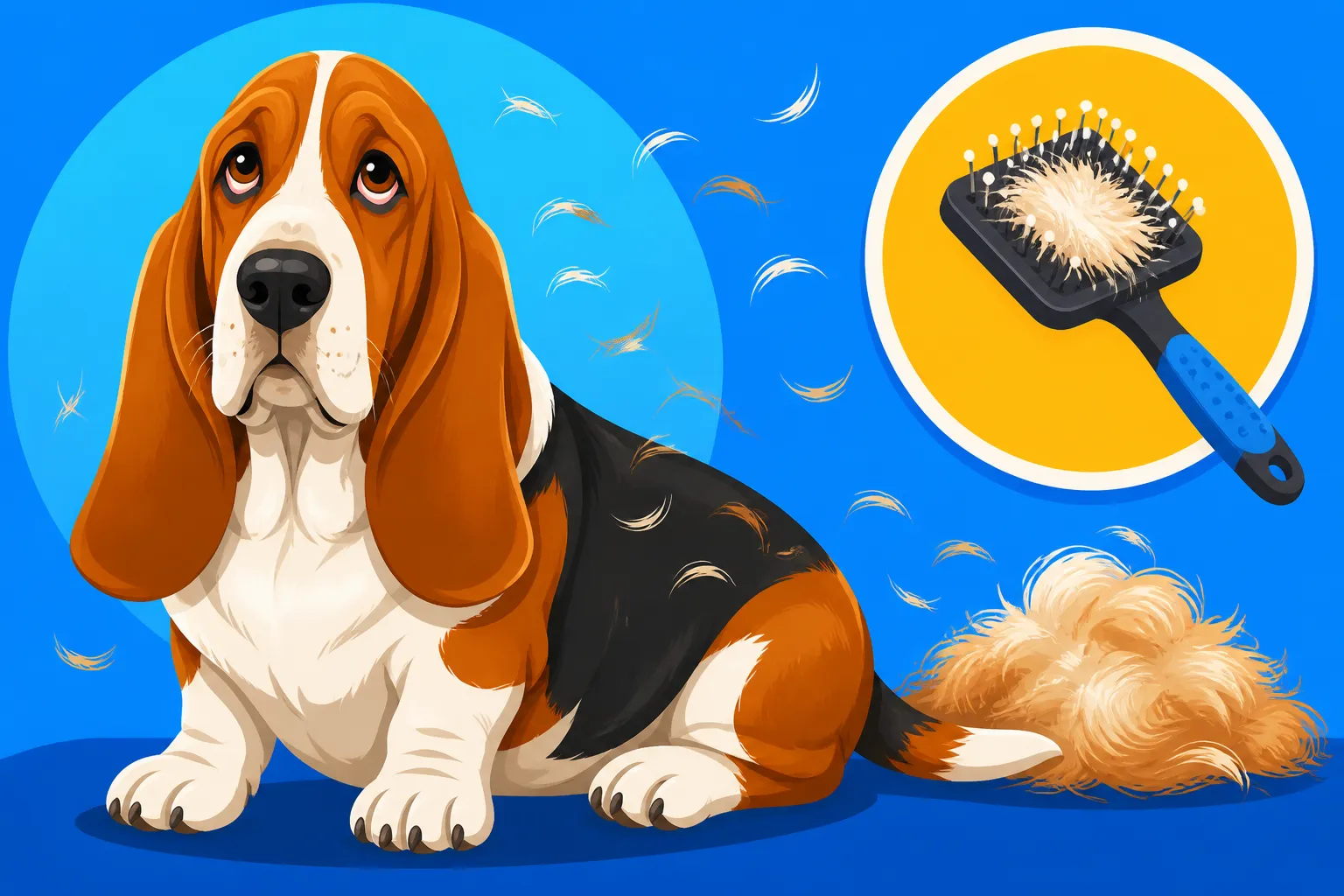
- Brushing Frequency: Because Bassets have a dense, short coat, they benefit from frequent brushing – ideally every two to three days, and even daily during peak shedding seasons. This isn't just about removing loose hair; it also helps distribute natural skin oils, keeping the coat healthy and shiny, and stimulates circulation. It’s also a wonderful bonding experience for you and your dog.
- Tools of the Trade: Forget those soft bristled brushes that barely touch the surface. For a Basset's coat, you need something that can really get through that dense hair to pull out the loose undercoat. A rubber curry comb or a deshedding tool like a Kong ZoomGroom or a short-bladed de-shedding rake are excellent choices. These tools grab onto dead hairs effectively without irritating the skin. Just be careful not to over-brush with de-shedding tools, as they can sometimes irritate sensitive skin if used too vigorously or too often. For general maintenance, a grooming mitt can also be surprisingly effective for collecting loose surface hair and giving a nice massage. You can find a wide array of grooming tools on platforms like Amazon or Chewy. Which Brush Suits a Basset Hound provides more detailed guidance on selecting the right tools.
Bathing Routines and Product Choices
Bathing can also help remove loose hair, but it needs to be done correctly to avoid drying out the skin, which can actually exacerbate shedding.
- How Often to Bathe: Generally, bathing your Basset Hound every 4-8 weeks is sufficient, or when they're particularly dirty or smelly. Over-bathing can strip their skin of natural oils, leading to dryness and increased shedding. During heavy shedding periods, a bath can sometimes help to loosen and rinse away a lot of dead hair at once, but it shouldn't be a daily occurrence. You can refer to How Often a Basset Hound Should Be Bathed for a more in-depth look at this topic.
- Shampoo and Conditioner: Choose a high-quality dog shampoo designed to promote coat health, preferably one with moisturizing ingredients like oatmeal or essential fatty acids. A good conditioner can also help to hydrate the skin and coat, making the hair stronger and less prone to breakage. There are even "de-shedding" shampoos and conditioners available that are formulated to help release loose hair during the bath, making the brushing after bath time much more effective. Always rinse thoroughly to prevent skin irritation from shampoo residue. Which Shampoo Suits a Basset Hound offers specific recommendations for Basset-friendly products.
Dietary Supplements for Coat Health
Sometimes, even with a great diet, a little extra boost can go a long way in improving coat health and reducing shedding.
- Omega Fatty Acids: Supplements rich in Omega-3 and Omega-6 fatty acids are fantastic for skin and coat health. These "good fats" help reduce inflammation, moisturize the skin from the inside out, and contribute to a stronger, shinier coat. You can find these in various forms, such as fish oil (salmon oil is popular), flaxseed oil, or specialized capsules. Many Basset owners find a noticeable difference in shedding and coat quality after consistently adding these to their dog's diet. Whether a Basset Hound Needs Fish Oil offers more context.
- Biotin and Zinc: These are other nutrients vital for healthy skin and hair growth. While most complete dog foods should provide adequate amounts, some dogs may benefit from supplementation, especially if they have persistent coat issues. Always consult with your veterinarian before adding any supplements to your Basset Hound's diet to ensure they are appropriate and correctly dosed. They can advise you on the best options and quantities for your specific dog's needs.
Living with Basset Hound Shedding
Even with the best grooming practices, some level of shedding is inevitable with a Basset Hound. It's part of their charm! So, the next step is learning how to effectively manage the hair that does make its way onto your belongings and into your living space.
Cleaning Strategies for Your Home
Basset Hound hair, being short and somewhat stiff, has a knack for embedding itself into carpets, upholstery, and finding its way into every nook and cranny. You'll need an arsenal of cleaning tools.
- Vacuuming: A good quality vacuum cleaner, especially one designed for pet hair, is non-negotiable for a Basset owner. Look for models with strong suction and specialized attachments for upholstery. Regular vacuuming – daily or every other day – will make a significant difference. Don't just stick to the floors; vacuum furniture, curtains, and even pet beds.
- Lint Rollers and Grooming Mitts for Furniture: For quick clean-ups on furniture, clothing, or even your car seats, keep lint rollers handy. A damp rubber glove or a slightly moistened sponge can also be surprisingly effective at gathering embedded hair from fabric surfaces. Just wipe, rinse, and repeat.
- Hardwood and Tile Floors: For hard surfaces, a robot vacuum can be a lifesaver, running daily to keep the dust bunnies (or should I say "Basset hair bunnies"?) at bay. Otherwise, a daily sweep or dry mop will help prevent hair from accumulating in corners.
Clothing and Furniture Considerations
When you share your life with a Basset Hound, you quickly learn to adapt your choices around their shedding. This might mean making different decisions about your wardrobe and home decor.
- Fabric Choices for Furniture: If you're furnishing a home with a Basset, consider fabrics that are easier to clean and repel pet hair. Leather, faux leather, and tightly woven microfiber fabrics tend to be less of a magnet for hair compared to looser weaves like chenille or velvet. Darker colors might show lighter Basset hair more, and vice versa.
- Washable Covers: Invest in washable slipcovers for your sofas and chairs, and throws or blankets that can be easily tossed in the laundry. This makes keeping your furniture clean much simpler than trying to vacuum every single day.
- Wardrobe Adjustments: You might find yourself gravitating towards certain clothing fabrics (like denim or smoother cottons) that don't attract hair as much, or colors that blend in with your Basset's coat. Keeping a lint roller in your car or by the door becomes second nature. It's a small price to pay for those soulful eyes, right?
When to Consult a Vet About Shedding
While some shedding is normal, there are times when it warrants a visit to the veterinarian. It's important to differentiate between normal shedding and something potentially concerning.
- Sudden or Excessive Hair Loss: If your Basset suddenly starts shedding much more than usual, or if you notice bald patches, thinning hair, or a dull, brittle coat, it's time to see the vet.
- Accompanying Symptoms: Pay attention to other symptoms. Is your Basset Hound scratching excessively? Do they have red, inflamed, or scabby skin? Are there any changes in appetite, energy levels, or behavior? These could all point to an underlying health issue contributing to the shedding.
- Changes in Coat Texture: If the coat feels unusually greasy, dry, or has an odd odor, it could indicate a skin problem. The Skin Under a Basset Hound's Folds is a related topic that explains the unique challenges of their skin, which can sometimes manifest as shedding or odor issues. Don't hesitate to seek professional advice; early intervention can often prevent minor issues from becoming major problems for your beloved Basset.
Common Misconceptions About Basset Hound Shedding
It's easy to fall prey to myths, especially when a dog breed has such an iconic, laid-back image. When it comes to Basset Hounds and their shedding, there are a couple of widespread misunderstandings that can catch new owners off guard.
The "Low-Shedding" Myth Debunked
One of the biggest misconceptions about Basset Hounds is that because they have short hair, they must be low-shedding. This couldn't be further from the truth! Many people equate "short hair" with "easy care" or "minimal shedding," but Bassets defy this expectation. Their coat, while short, is incredibly dense. This means that a large volume of short, fine hairs are constantly cycling, and when they shed, these hairs are particularly adept at weaving themselves into carpets, upholstery, and clothing.
Unlike some breeds with long hair where shed hairs might clump together and be easier to pick up, a Basset's individual hairs are small and stiff enough to penetrate fabric fibers, making them notoriously difficult to remove completely. You might not see large clumps of fur like you would with a Golden Retriever, but you'll experience a constant dusting of fine hairs everywhere. It truly makes a case for understanding The Short Basset Hound Coat That Still Sheds Everywhere because it's a persistent reality, not a seasonal inconvenience.
Comparing Basset Shedding to Other Breeds
To truly understand the Basset Hound's shedding profile, it helps to put it into perspective against other breeds. They certainly aren't a breed for those seeking an "hypoallergenic" or truly non-shedding companion.
While they won't shed as much as, say, a Siberian Husky during its seasonal "blow out," a Basset Hound can easily rival breeds like Labradors or Beagles in terms of year-round hair distribution. They might shed more consistently than some longer-haired breeds that only shed heavily seasonally. In fact, many Basset owners report that their dogs shed significantly more than they anticipated, often on par with medium-shedding long-haired breeds on a daily basis.
Here's a quick comparison of typical shedding levels across different coat types:
| Breed Type/Coat Characteristic | Typical Shedding Level | Examples (General) | Basset Hound Comparison |
|---|---|---|---|
| Hairless/Single Coat | Very Low | Xoloitzcuintli, Poodle | Significantly lower |
| Short, Smooth Coat (sparse) | Low to Moderate | Greyhound, Whippet | Basset sheds more |
| Short, Dense Double Coat | Moderate to High | Labrador Retriever, Beagle | Comparable to Basset |
| Long, Double Coat | High (seasonal surges) | German Shepherd, Husky | Similar overall volume, but Basset is more consistent |
| Wirehaired | Low to Moderate | Terrier breeds | Basset sheds more |
As you can see, the Basset Hound, despite its short coat, falls firmly into the moderate-to-high shedding category, particularly when considering the consistency and the way their specific hair type embeds itself. So, if you're bringing a Basset into your home, be prepared to embrace the lint roller and regular vacuuming as part of your new routine!
Disclaimer
This article is for general informational purposes only and does not constitute professional advice. Laws, prices and regulations vary by location and change over time. Consult a qualified professional for guidance on your specific situation.