Whether a Basset Hound Smells
If you’ve ever found yourself wondering, "Does my Basset Hound smell more than other dogs?" or even just, "Why does my Basset Hound have that smell?", you're certainly not alone. Many Basset owners grapple with a distinctive aroma that can range from endearing to downright perplexing. This comprehensive guide is here to unravel the mysteries behind your Basset Hound's scent, identify common culprits, and equip you with practical, realistic strategies to keep your beloved floppy-eared companion smelling fresh and clean.
The Unique Anatomy That Contributes to Basset Hound Odor
It’s not just in your head; Basset Hounds do have certain physical traits that make them more prone to developing a distinct odor compared to some other breeds. Their unique build, while charming, can unfortunately create perfect little pockets for moisture, debris, and bacteria to accumulate. Understanding these anatomical predispositions is the first step in addressing the "Basset smell."
The Basset Hound's Unique Build
The very features that make a Basset Hound so recognizable – those long, pendulous ears, the deep facial wrinkles, and that loose, heavy skin – are often the primary contributors to their scent profile. These aren't just aesthetic traits; they're functional remnants of their hunting heritage, designed to trap scent close to their powerful noses. However, in a domestic setting, these same features can trap other things, too.
Imagine a Basset Hound trailing through dew-soaked grass. Those long ears, designed to sweep scent towards their nose, also pick up every bit of moisture, dirt, and allergens. Their short legs mean their chest and belly are often brushing against the ground, collecting even more. Then, all that loose skin around their face and neck creates warm, moist folds. These areas, particularly the ears and skin folds, become ideal environments for yeast and bacteria to flourish, leading to a distinctive, often musky or yeasty smell. It's not a sign of poor hygiene on your part, but rather a direct consequence of their magnificent design. This anatomical reality means regular preventative care is absolutely critical for a Basset Hound.
The Breed's Reputation for Scent
Basset Hounds were, after all, bred to be scent hounds. Their incredible noses are second only to the Bloodhound, and their physical traits enhance this ability. But this genetic predisposition for scent-work can sometimes be misinterpreted as just being a "smelly dog." While their natural doggy odor might be a bit more pronounced due to their skin oils and tendency to pick up external scents, a truly foul smell is almost always a sign of an underlying issue, not just "being a Basset."
Many owners joke about the "Basset smell," but it’s important to distinguish between a normal, earthy dog smell and one that indicates a problem. A healthy Basset Hound, even with its unique anatomical features, should not constantly emit a strong, unpleasant odor if properly cared for. If you're constantly noticing a strong, persistent smell, it's time to investigate further, because it's usually a symptom rather than just a characteristic of the breed. Don't simply accept a bad smell as unavoidable; there are often very clear and manageable reasons behind it.
Common Causes of Odor: Ears, Skin Folds, and Coat
When it comes to pinpointing the source of a Basset Hound's odor, more often than not, the trail leads back to one of three primary areas: their magnificent ears, their charmingly wrinkled skin folds, or their surprisingly dense coat. These are the hotspots where issues tend to brew, creating the kind of smells that can permeate a room.
The Chronic Ear Infection Battle
Ah, the Basset Hound's ears. They are undeniably beautiful, but they are also perhaps the most common source of persistent, unpleasant odors. The sheer length and weight of those ears, combined with a relatively narrow ear canal, create a perfect storm for trouble. Air circulation is naturally poor, trapping warmth and moisture deep inside. This dark, damp environment is a paradise for yeast and bacteria, leading to chronic ear infections.
You might notice a sweet, yeasty smell, or a more pungent, foul odor indicating a bacterial infection. Often, you'll see your Basset shaking its head more often, scratching at its ears, or you might even notice a discharge. Regular ear cleaning isn't just a suggestion; it's a non-negotiable part of Basset Hound care. Without it, infections can become deep-seated, painful, and very difficult to clear up. Many owners find themselves in a constant battle against ear issues, highlighting why consistent preventative measures are so important. If your Basset Hound is constantly shaking its head, it might be more than just an itch; it could be the start of an infection causing that tell-tale smell. Knowing How Often a Basset Hound's Ears Must Be Cleaned is vital for prevention.
Skin Fold Infections and Irritation
Beyond the ears, a Basset Hound's wonderfully loose skin creates numerous folds, especially around their face (the dewlap and facial wrinkles), neck, and sometimes even their armpits and groin. Just like the ears, these folds are prone to trapping moisture, sweat, dirt, and even saliva or food particles. This combination creates another warm, dark, and often moist environment – another breeding ground for bacteria and yeast.
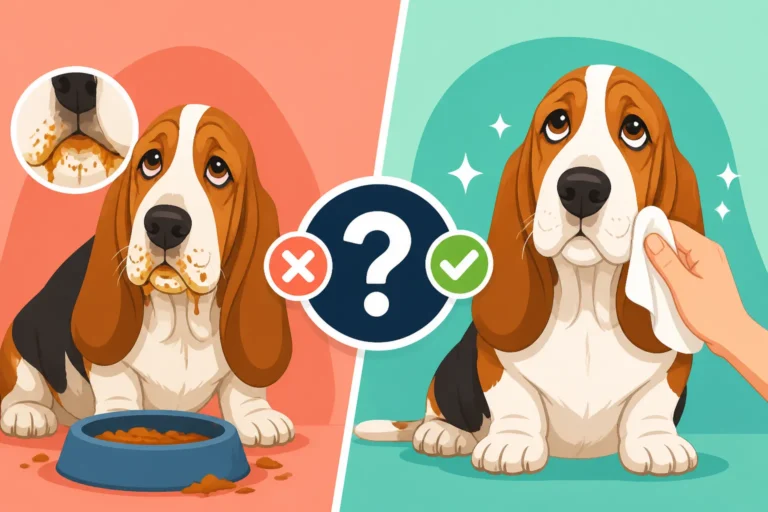
When these skin folds become irritated or infected, it's called skin fold dermatitis, and it produces a very distinct, often cheesy or pungent smell. You might also notice redness, inflammation, hair loss, or even open sores within the folds. Cleaning these areas regularly is just as important as ear care. It's a daily ritual for some Basset owners, wiping down the folds with a gentle, pet-safe wipe and ensuring they are thoroughly dried. Neglecting these areas means inviting discomfort for your dog and a persistent, unpleasant smell for your home. It’s a bit of a commitment, but essential for their health and your nose! Understanding The Skin Under a Basset Hound's Folds can help you recognize potential trouble spots. Similarly, paying attention to Whether a Basset Hound's Lip Folds Sour is key.
Coat Condition and Natural Oils
While Basset Hounds have short coats, they are quite dense and produce natural oils that can contribute to their scent. These oils are part of their skin's protective barrier, but if they accumulate too much or if the dog spends a lot of time in damp conditions, they can start to smell a bit "doggy" or even rancid. Furthermore, Basset Hounds do shed, and dead hair trapped in the coat can hold onto odors.
Beyond natural oils, Basset Hounds are low to the ground, meaning their belly and legs are constantly encountering dirt, mud, puddles, and whatever else might be out there. These external elements, if not cleaned off, can contribute significantly to their smell. Imagine your Basset trotting through a muddy patch on a walk, then coming inside to dry off on your rug. That mud doesn't just disappear; its scent can linger and become part of the overall "Basset smell." Regular brushing helps to distribute these oils, remove dead hair, and allows you to check for skin issues. An occasional bath with a good quality dog shampoo also helps manage their natural oils and remove accumulated grime. Even though their coat is short, How Much a Basset Hound Sheds can surprise new owners, and proper grooming helps manage both hair and odor.
Dietary and Digestive Contributors to Odor
It's not all about external grooming; sometimes, the source of your Basset Hound's smell can be traced back to what's going on inside their body. Diet and digestive health play a surprisingly significant role in a dog's overall scent, from their breath to their skin. It’s a whole-body system, and what goes in often has a way of coming out, sometimes quite aromatically!
Food Sensitivities and Allergies
Just like people, Basset Hounds can have sensitivities or allergies to certain ingredients in their food. When a dog is struggling with a food allergy, it often manifests as skin issues: itchy skin, redness, hotspots, and yes, an accompanying odor. The irritated skin can become a breeding ground for yeast and bacteria, leading to that distinct yeasty or sour smell. Sometimes, the allergy might not even be "skin deep," but rather cause inflammation that impacts overall skin health and oil production.
If you notice your Basset Hound is excessively itchy, has recurring skin or ear infections despite diligent cleaning, or has a persistently unpleasant smell that isn't tied to visible dirt, food allergies could be a factor. Common culprits include certain proteins (like chicken, beef, or dairy) or grains. Working with your vet to try an elimination diet or a novel protein diet can often pinpoint the issue. Companies like Ollie offer fresh, limited-ingredient dog food options that might be beneficial for sensitive dogs, helping you control exactly what your Basset is consuming. Finding the right diet can make a world of difference not just to their comfort, but to their smell too. It's worth investigating Whether a Basset Hound Reacts to Its Food if skin issues persist.
Gas and Digestive Upset
Let's be honest: all dogs pass gas. But if your Basset Hound seems to be clearing rooms with their flatulence on a regular basis, or if their stools are consistently soft, loose, or particularly pungent, it could indicate digestive upset. A diet that's not quite right for them, too many rich treats, or even eating too quickly can lead to excessive gas production.
When a dog's digestive system isn't happy, it can lead to an imbalance in their gut flora, which in turn can create some truly memorable odors. Beyond the immediate gas, a chronically upset digestive system can sometimes impact their overall body odor, as toxins might be processed differently or yeast can overgrow in the gut, which then manifests through the skin. Ensuring your Basset Hound is on a high-quality, easily digestible food, and isn't overeating or consuming too many "people foods," can go a long way in managing this issue. Consider a slow-feeder bowl if your Basset tends to gobble down their meals, as gulping air can also contribute to gas. While Basset Hounds aren't specifically prone to bloat in the same way some deep-chested breeds are, any digestive discomfort should be addressed. You can read more about Whether a Basset Hound Gets Bloat as a separate concern, but gas and indigestion are definitely potential odor sources.
Dental Hygiene and Bad Breath
This might seem obvious, but a foul mouth can easily contribute to a dog's overall smell. Bad breath, or halitosis, isn't just unpleasant; it's often a sign of dental disease. Plaque and tartar buildup can harbor bacteria that create a truly offensive odor. These bacteria can also migrate from the mouth into the bloodstream, potentially affecting other organs over time.
Beyond just bad breath, if your Basset Hound has severe dental disease, the bacteria in their mouth can also contribute to an overall "stale" or "rotting" smell that you might associate with their whole body. Regular dental care, including brushing your dog's teeth (if they tolerate it!) and providing appropriate dental chews, is crucial. However, once significant plaque and tartar have built up, a professional dental cleaning under anesthesia by your veterinarian is usually necessary. This isn't just about smell; it's about their overall health and preventing more serious issues down the line. Many owners are shocked at the improvement in their dog's breath and sometimes even general vitality after a professional cleaning. If you're concerned about costs, it's good to know what a Basset Hound's dental cleaning costs to plan ahead.
Environmental Factors and Lifestyle Impact
Sometimes, the culprit behind your Basset Hound's smell isn't directly related to their health or anatomy, but rather to their daily adventures and the environment they live in. Our Bassets love to explore, sniff, and generally be hounds, and sometimes that comes with a price: picking up all sorts of external odors.
Moisture, Muck, and Outdoor Adventures
Basset Hounds are naturally low to the ground. This means their long ears, dewlap, and chest are constantly brushing against everything outdoors – wet grass, muddy puddles, dusty trails, and even less savory discoveries. While their incredible noses are at work, their entire front end is acting like a sponge and a dust mop. If your Basset enjoys exploring wet, dirty areas, and isn't cleaned off regularly, those environmental odors will quickly cling to their coat and skin.
Think about a rainy day walk. Your Basset's ears are dragging through every puddle, their belly is soaked from the wet pavement or grass, and they might even roll in something interesting they found. Bringing all that back into the house and letting it air dry on their coat will result in a distinct, often earthy or damp smell. This isn't a sign of an underlying health issue, but simply the result of their outdoor escapades. It means that after every particularly muddy or wet adventure, a quick rinse or thorough wipe-down, paying special attention to those ears and undercarriage, is essential. Otherwise, that "eau de swamp monster" will become their signature scent. Keeping their environment clean, especially their outdoor sniffing grounds, can also make a huge difference. Consider how Whether a Basset Hound's Ears Drag in Mud directly impacts their cleanliness.
Bedding and Living Environment
Even the cleanest Basset Hound will start to pick up a smell if their living environment isn't regularly maintained. Their beds, blankets, and favorite lounging spots can quickly accumulate dead skin cells, shed hair, dander, and those natural oils from their coat. Over time, these can combine to create a stale, "doggy" smell that then transfers back to your Basset Hound. It's a vicious cycle!
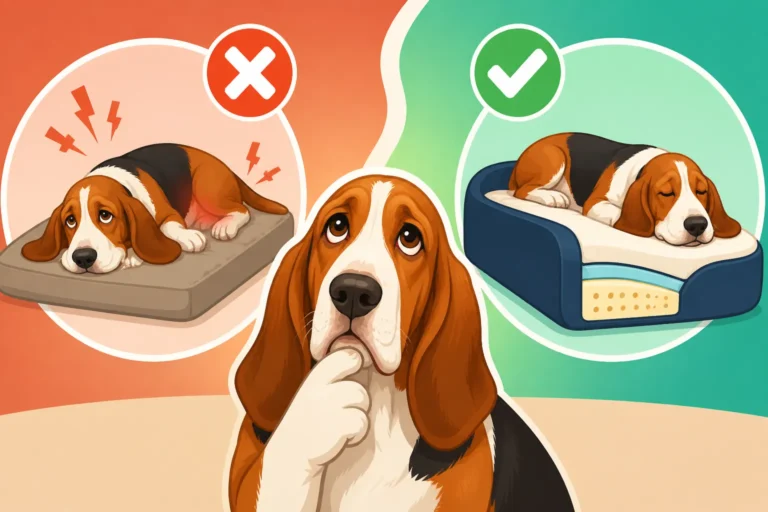
Just like you wouldn't want to sleep on unwashed sheets for weeks, your Basset Hound benefits from fresh bedding. Regularly washing dog beds and blankets in hot water with a pet-safe detergent can dramatically reduce ambient odors in your home and on your dog. If your Basset has a favorite armchair, consider covering it with a washable throw. Hard surfaces like tile or hardwood floors can also absorb odors if not cleaned, especially if accidents happen or drool isn't wiped up. An enzymatic cleaner is often key for neutralizing these organic odors effectively. Ensuring their crate is clean and dry, too, is important. A fresh environment means a fresher Basset Hound, and this simple step is often overlooked when trying to combat doggy odors. You can find robust dog beds and covers on sites like Amazon that are designed for easy washing.
Management and Prevention Strategies
Now that we've explored the common culprits behind a Basset Hound's distinctive scent, let's talk about the good stuff: what you can actually do to manage and prevent these odors. It's all about consistent care, attention to detail, and a proactive approach.
Routine Grooming and Hygiene
The cornerstone of a fresh-smelling Basset Hound is a consistent grooming routine. This isn't just about vanity; it's about health and comfort for your dog.
- Ear Care: This is paramount. At least twice a week (or more if recommended by your vet), you should be cleaning your Basset's ears with a vet-approved ear cleaner. Gently lift the long ear flap, apply the cleaner into the ear canal, massage the base of the ear, and then wipe away any debris with a cotton ball or soft cloth. Never use cotton swabs inside the ear canal, as you could push debris deeper or cause injury. Regular checks allow you to spot potential infections early, before they become really smelly and painful. For those prone to chronic issues, your vet might recommend specific medicated cleaners or drops. You can often find a wide selection of ear cleaners and supplies on Chewy.
- Skin Fold Cleaning: Daily wiping of facial and body folds is a must. Use a soft, damp cloth or pet-safe cleansing wipes. After cleaning, always ensure the folds are completely dry. Moisture left in these areas is an invitation for yeast and bacteria. For particularly deep or problematic folds, your vet might suggest an antiseptic wipe or powder. This simple routine prevents moisture and debris buildup, which are primary causes of malodor and skin irritation.
- Bathing: How often you bathe your Basset will depend on their lifestyle and how quickly they get dirty. For many, a bath every 4-6 weeks is sufficient. However, if your Basset loves mud or has specific skin conditions, more frequent baths with a medicated shampoo (prescribed by your vet) might be necessary. Always use a shampoo specifically formulated for dogs, as human shampoos can be too harsh and strip their natural oils, leading to dry, irritated skin that can actually increase odor. After bathing, thoroughly dry your Basset, paying special attention to those ears and skin folds. For advice on products, consider reading Which Shampoo Suits a Basset Hound.
- Brushing: A quick brush a few times a week helps to remove loose hair, dander, and distribute natural skin oils. While their coat is short, regular brushing stimulates circulation and can help prevent matting in areas like behind the ears, even on a short-haired dog. This also helps you keep an eye out for any skin issues that might be developing.
Dietary Adjustments and Supplements
If you suspect diet is playing a role in your Basset Hound's odor, making informed adjustments can be very beneficial.
- High-Quality Food: Opt for a high-quality dog food with easily digestible ingredients. Avoid fillers, artificial colors, and preservatives that might upset your Basset's sensitive digestive system. Look for a food where a named meat source is the first ingredient. Sometimes, simply switching to a different protein source or a limited-ingredient diet can resolve subtle food sensitivities that contribute to skin or gas issues.
- Probiotics and Digestive Enzymes: For Basset Hounds prone to gas or loose stools, a veterinarian-recommended probiotic supplement can help rebalance gut flora, leading to healthier digestion and potentially less odor. Digestive enzymes can also assist in breaking down food more efficiently. Always discuss any supplements with your vet before introducing them.
- Omega-3 Fatty Acids: Fish oil supplements, rich in Omega-3 fatty acids, can significantly improve skin and coat health. Healthier skin is less prone to irritation and infection, which in turn can reduce odor. They can also help reduce inflammation, which is beneficial if allergies are at play. You can find these supplements through pet supply retailers like Chewy or your veterinarian. Many Basset owners also consider Whether a Basset Hound Needs Joint Supplements as they age, which sometimes include beneficial fatty acids.
Maintaining a Clean Environment
A clean environment is crucial for keeping your Basset Hound (and your home) smelling fresh.
- Wash Bedding Regularly: Your Basset's bed, blankets, and any soft toys they frequent should be washed weekly in hot water. This removes accumulated oils, hair, and any lingering odors.
- Clean Living Areas: Regularly vacuum floors and furniture, especially where your Basset spends a lot of time. Use pet-safe cleaners to wipe down hard surfaces. For accidents or persistent odors on carpets, invest in an enzymatic cleaner designed to neutralize pet odors rather than just masking them.
- Good Ventilation: Open windows periodically to air out your home, or use air purifiers, especially in areas where your Basset often sleeps. Good airflow helps dissipate odors.
- Wipe Down After Outdoors: As discussed, Basset Hounds pick up a lot of external scents and grime. Keep a towel near the door and give them a quick wipe-down, especially their ears and belly, after outdoor excursions, particularly in wet or muddy conditions. This simple habit can prevent a lot of outdoor smells from entering your home. For a full picture of their daily requirements, consider What a Basset Hound Needs Every Day.
When to Consult the Vet: Persistent or Unusual Odors
While routine care can go a long way in managing your Basset Hound's scent, there are times when a persistent or unusual odor signals something more serious. Knowing when to call the vet is crucial for your Basset's health and well-being.
Identifying Red Flags
Not all smells are created equal. Some odors are merely annoying, while others are a definite red flag that warrants professional attention.
- Intensely Foul or Rancid Odors: If the smell coming from your Basset is overwhelmingly offensive, rotten, or intensely fishy (not related to anal glands being expressed), it's time for a vet visit. These can indicate severe infections, abscesses, or other serious health issues.
- Sudden Onset of Odor: A sudden, strong change in your Basset's body odor without an obvious external cause (like rolling in something) should always be investigated. This could be a sign of a rapid-onset infection, a metabolic issue, or even something systemic.
- Accompanying Symptoms: Pay close attention if the odor is accompanied by other symptoms. These could include:
- Excessive itching, scratching, or licking (especially at ears, paws, or groin)
- Redness, swelling, or discharge from ears or skin folds
- Hair loss or bald patches
- Open sores or lesions on the skin
- Changes in appetite or energy levels
- Vomiting or diarrhea
- Increased thirst or urination
- Limping or reluctance to move
Any of these combined with a noticeable smell mean your Basset Hound is likely experiencing discomfort or a health issue that needs professional diagnosis and treatment. Don't delay, as early intervention can prevent more serious complications. Sometimes, Whether a Basset Hound Smells Because of Its Skin is indeed the case, indicating a deeper problem.
The Importance of Professional Diagnosis
It's easy to try and self-diagnose based on internet searches, but when it comes to your Basset Hound's health, nothing beats a veterinarian's expertise. They have the tools and knowledge to accurately pinpoint the source of the smell.
For example, if you suspect an ear infection, your vet can use an otoscope to look deep into the ear canal, identifying if it's yeast, bacteria, or even mites. They can take swabs for cytology (looking at cells under a microscope) or even a culture to identify the exact type of bacteria or yeast, allowing them to prescribe the most effective medication. Similarly, for skin fold issues, they can examine the area closely, potentially take skin scrapings or biopsies, and prescribe appropriate topical or oral treatments. For internal causes like dental disease or metabolic issues, they can perform a thorough oral exam, blood tests, or other diagnostics.
Attempting to treat a deep-seated infection with over-the-counter products can often prolong the problem, cause discomfort for your Basset, and lead to antibiotic resistance if the wrong medication is used. A persistent, unexplained odor is rarely "just how Bassets smell." More often, it's their way of telling you that something isn't quite right and they need your help, and your vet's professional guidance, to get back to feeling and smelling their best.
| Odor Source | Typical Scent Profile | Common Contributing Factors | Initial Home Management Steps | When to See a Vet |
|---|---|---|---|---|
| Ears | Yeasty, sweet, or foul, pungent | Poor airflow, moisture, wax buildup, narrow canals | Regular cleaning with vet-approved cleaner | Persistent discharge, redness, pain, head shaking |
| Skin Folds | Cheesy, sour, musky, pungent | Moisture, debris, saliva, warmth, poor air circulation | Daily cleaning & drying with pet-safe wipes | Redness, sores, inflammation, intense itching |
| Coat/Skin | "Doggy," musky, rancid, oily | Natural oils, environmental dirt, dampness, allergies | Regular brushing, appropriate bathing, wipe-downs | Excessive itching, hot spots, hair loss, skin lesions |
| Breath/Mouth | Foul, fishy, rotten | Plaque/tartar buildup, dental disease, gum infection | Daily teeth brushing, dental chews | Brown tartar, bleeding gums, loose teeth, difficulty eating |
| Digestive (Gas) | Strong, sulfur-like, foul | Food sensitivities, rapid eating, dietary changes, certain ingredients | High-quality food, slow feeder, vet-approved probiotics | Chronic diarrhea, vomiting, lethargy, poor appetite |
| Anal Glands | Intense, very fishy, metallic | Gland impaction, inflammation, infection | Ensure stools are firm, avoid over-expression | Scooting, licking rear, pain when sitting, discharge |
Disclaimer
This article is for general informational purposes only and does not constitute professional advice. Laws, prices and regulations vary by location and change over time. Consult a qualified professional for guidance on your specific situation.