Whether a Basset Hound Needs Its Chin Washed
If you're a Basset Hound owner, you've probably looked at your furry friend's perpetually damp, sometimes crumb-laden, and occasionally aromatic chin and wondered if you're doing something wrong. It's a common struggle, and the answer is yes, your Basset Hound absolutely needs its chin washed – often. This comprehensive guide will walk you through why it happens, what issues can arise, and how to keep your beloved hound's jowls clean, healthy, and smelling much sweeter.
Why Your Basset Hound's Chin Gets So Messy
Basset Hounds are undeniably charming with their long, droopy ears and soulful eyes, but those very features that make them so adorable also contribute to a distinct set of grooming challenges. Their unique facial structure is practically designed to trap moisture, food particles, and everything else they encounter, making chin hygiene a constant battle for their devoted owners. It’s not just about aesthetics; it's about preventing discomfort and potential health issues for your hound.
The Anatomy of a Basset Hound's Jowls
Take a moment to truly appreciate the engineering marvel that is a Basset Hound's face. Those deep, pendulous flews – often referred to as jowls – hang down generously, forming natural pockets and folds around their mouth and chin. These aren't just for show; they're an integral part of their incredible scenting ability, designed to collect and hold scent particles close to their nose as they track. However, this remarkable design comes with a significant drawback when it comes to daily life. Imagine trying to eat or drink without ever getting a speck on your oversized, loose lips. It's a losing battle for a Basset Hound. The skin in these areas is also often quite soft and delicate, making it more susceptible to irritation when consistently wet or dirty.
Food and Water Accumulation
It's an undeniable truth: Basset Hounds are messy eaters and drinkers. Their long jowls act like natural scoops, plunging into their food bowls and emerging laden with kibble crumbs, wet food residue, or whatever delicious (to them) morsel they’ve just devoured. Every gulp of water turns their chin into a soggy sponge, soaking up more liquid than they actually swallow. This isn't just a minor annoyance; it means that after every meal and every drink, a significant amount of food debris and water is left clinging to their chin, tucked away in those charming folds. This constant exposure to food and moisture creates the perfect breeding ground for all sorts of unwelcome guests, from mold to bacteria, right there under their nose.
Drool and Saliva Trapping
Beyond food and water, Basset Hounds are also masters of drool. Whether it’s anticipating a treat, greeting you at the door, or simply existing, their salivary glands are often in overdrive. This isn't a flaw; it's just part of being a Basset. However, all that excess saliva has nowhere to go but down, where it gets caught in the same jowls and folds that trap food and water. Saliva, especially when mixed with food particles and left to sit, quickly becomes a prime environment for microbial growth. It creates a warm, moist, and nutrient-rich film that adheres to the skin, which can lead to that distinctive "hound smell" that, while endearing to some, often signals a need for a good cleaning. The combination of food, water, and drool turns their chin area into a micro-ecosystem that absolutely requires regular intervention to stay healthy.
The Risks of a Neglected Basset Hound Chin
Ignoring your Basset Hound's perpetually damp and dirty chin isn't just about tolerating a bit of mess or a funny smell. It's a direct pathway to some really uncomfortable and potentially painful skin conditions. As a long-time Basset owner and advocate, I've seen firsthand how quickly a seemingly minor oversight can escalate into a significant veterinary visit. Understanding these risks is crucial to appreciating why a consistent chin-washing routine is non-negotiable for our beloved, droopy-faced friends. This is especially true given their predisposition to skin issues. You might find yourself dealing with Whether a Basset Hound's Skin Folds Need Cleaning in other areas too.
Skin Irritation and Dermatitis
The constant dampness and friction from food and drool residue against the delicate skin of a Basset Hound's chin is a recipe for irritation. Just imagine having wet, sticky crumbs pressed against your own skin all day, every day – it would quickly become red, raw, and itchy. For Basset Hounds, this leads to a condition known as dermatitis, which is essentially inflammation of the skin. The skin can become quite sore, often appearing red and feeling warm to the touch. In severe cases, you might even notice small bumps or pustules forming, indicating a more advanced inflammatory response. It’s a painful cycle: the irritation makes them want to rub or scratch their chin, which only exacerbates the problem, leading to more inflammation and discomfort. Preventing this early is key to their comfort.
Yeast and Bacterial Infections
Perhaps the most common and frustrating consequence of a dirty Basset Hound chin is the development of yeast and bacterial infections. Those warm, moist, dark folds are practically a luxury spa for microorganisms like Malassezia (a common yeast) and various bacteria. These opportunistic pathogens thrive in such environments, multiplying rapidly and causing a host of problems. You'll often notice a greasy discharge, an even stronger, sweeter, or musty odor, and persistent itching. A classic symptom of yeast is a sweet, yeasty smell, while bacterial infections can produce a more foul or cheesy odor. Whether a Basset Hound Gets Yeast Between Its Folds is a very real and common concern, and the chin area is a prime candidate for such issues. If left untreated, these infections can become deeply entrenched, requiring veterinary intervention with medicated shampoos, topical creams, or even oral antibiotics.
Unpleasant Odors
Let's be frank: a neglected Basset Hound chin can really stink. That distinct, often described as "corn chip," "yeasty," or "rancid," smell is a direct indicator of bacterial or yeast overgrowth. It's not just a superficial smell either; it permeates their fur and can easily fill a room. This odor isn't just off-putting; it's a critical sign that something isn't right on a microbiological level. It means that the perfect storm of moisture, food particles, and warmth has created an environment where nasty things are thriving on your dog's skin. Ignoring the smell is akin to ignoring a smoke detector – it's telling you there's a problem brewing. Many owners struggle with the overall question of Whether a Basset Hound Smells Because of Its Skin, and often, the chin and other folds are the primary culprits. Regular washing isn't just about preventing infection; it’s about making your beloved hound a more pleasant companion to snuggle with!
How to Effectively Wash and Care for Your Basset Hound's Chin
Now that we’ve covered the "why," let's dive into the "how." Keeping your Basset Hound's chin clean and healthy is an ongoing commitment, not a one-time fix. It requires a combination of daily attention and regular, more thorough cleaning sessions. The good news is that once you establish a routine, it becomes second nature, and your Basset will be much happier (and better smelling) for it. Think of it as a small investment in their overall well-being.
Daily Wiping Routine
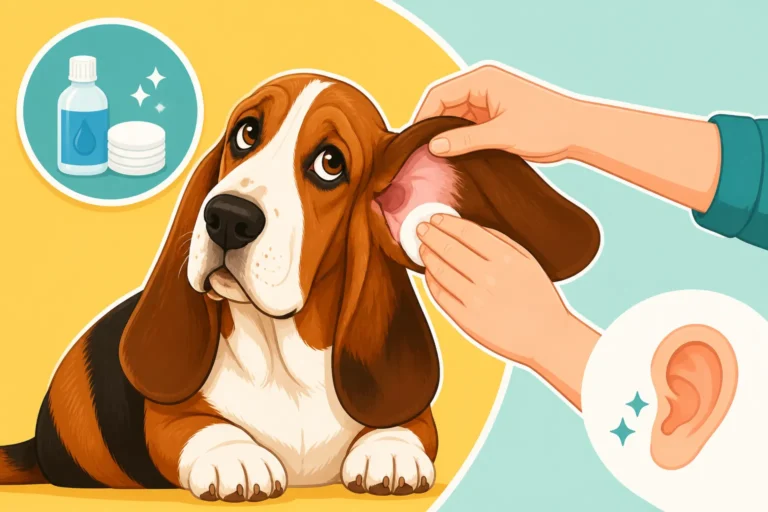
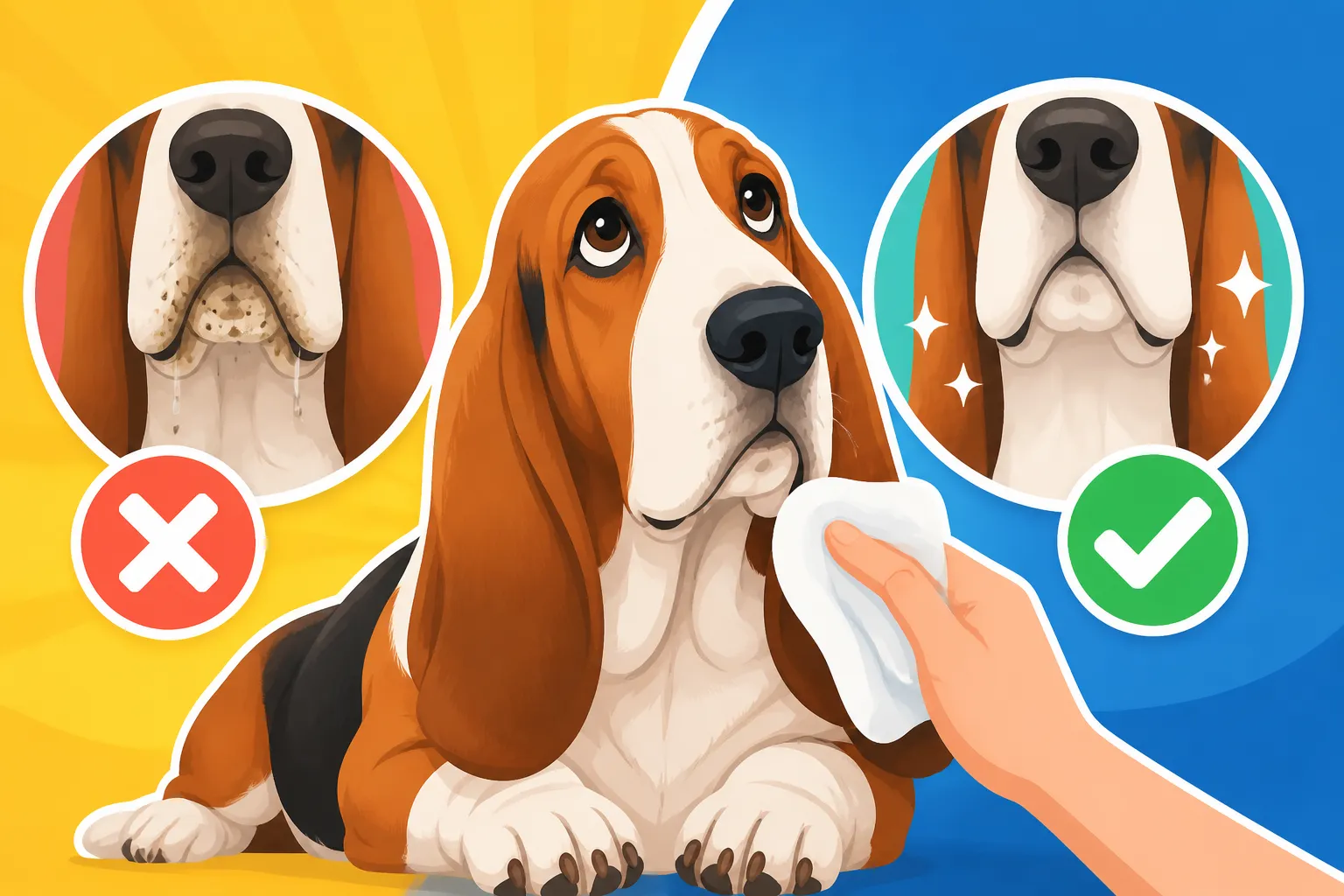
This is your first line of defense! After every meal and every drink, make it a habit to gently wipe your Basset Hound's chin. This helps remove fresh food debris and excess moisture before it has a chance to settle and cause problems. Think of it as rinsing your own plate after dinner – much easier to clean immediately than after food has dried on.
- Materials: Keep a soft, absorbent towel or a pack of pet-safe cleansing wipes readily accessible near their feeding station. Brands like Chewy offer a wide selection of dog wipes specifically formulated for sensitive skin, often containing soothing ingredients like aloe or witch hazel. Avoid human baby wipes, as they can sometimes contain ingredients that might irritate dog skin. Which Wipes Suit a Basset Hound's Face Folds are an important consideration to avoid further irritation.
- Technique: Gently lift their jowls and wipe the entire chin area, paying close attention to the deep folds and crevices where food and moisture love to hide. Don't be afraid to get in there! You’re aiming to remove any visible food bits and dry the area thoroughly. A quick pat dry with a clean, soft cloth after wiping can also be beneficial, especially for hounds prone to excessive drool.
- Frequency: Ideally, wipe after every time they eat or drink. This might sound like a lot, but it takes less than a minute and can prevent hours of discomfort and expensive vet visits down the line. It's easier to prevent a problem than to treat one.
Regular Deep Cleaning Sessions
While daily wiping is crucial, it's often not enough to tackle the buildup that can occur deep within the folds. Your Basset Hound will benefit immensely from more thorough, regular chin washes. These don't need to be daily, but aiming for at least 2-3 times a week, or more if they are particularly prone to issues or have active infections, is a good practice.
- Materials: You'll need a mild, pet-specific shampoo or a medicated shampoo if recommended by your vet. For medicated shampoos, you might look for options containing chlorhexidine or miconazole, which are excellent for controlling yeast and bacterial growth. You'll also need warm water, soft cloths or sponges, and a clean, dry towel.
- Technique:
- Prep: Get everything ready before you start, so you’re not fumbling around with a wet dog.
- Wet the Area: Gently wet your Basset's chin area with warm water. You can use a wet cloth or a handheld shower sprayer on a low setting, being careful not to get water in their eyes or ears.
- Apply Shampoo: Apply a small amount of shampoo and gently massage it into the skin and folds. Really work it in there, making sure to get into all the nooks and crannies. Let it sit for 5-10 minutes if using a medicated shampoo (always check the product instructions). This contact time is crucial for the active ingredients to do their job.
- Rinse Thoroughly: This is arguably the most important step! Residual shampoo can be just as irritating as trapped food. Rinse the chin area thoroughly with warm water until all traces of shampoo are gone. This might require several rinses.
- Dry Completely: Pat the area dry with a clean towel. You can even use a low-setting hairdryer (held at a safe distance and not too hot) to ensure the folds are completely dry. Leaving moisture behind will undo all your hard work and invite infections right back. This is particularly important for preventing Whether a Basset Hound Gets Yeast Between Its Folds.
- Frequency: For general maintenance, once or twice a week might suffice. If your Basset is battling an active infection, your vet might recommend daily medicated washes for a period. Consistency is key here.
Choosing the Right Cleaning Products
The market is flooded with pet grooming products, and it can be overwhelming to pick the right ones. For Basset Hounds, who often have sensitive skin and a propensity for skin fold dermatitis, choosing appropriate, gentle products is paramount.
- Wipes: As mentioned, look for pet-specific cleansing wipes. Many reputable brands offer hypoallergenic or sensitive skin formulas. Ingredients like aloe vera, witch hazel, or chamomile can be soothing. Avoid anything with harsh chemicals, strong fragrances, or alcohol, which can dry out and irritate the skin.
- Shampoos: For routine cleaning, a mild, tearless puppy shampoo or a gentle oatmeal-based dog shampoo works well. If your Basset is prone to skin issues, or if your vet suspects an infection, they might prescribe or recommend a medicated shampoo. These often contain antifungal (like miconazole) and antibacterial (like chlorhexidine) ingredients. Always follow your vet's advice for medicated products.
- Mousses/Foams: Sometimes, a waterless cleaning mousse or foam can be a great option for quick touch-ups between full washes, especially if your Basset isn't keen on water. Again, opt for pet-safe, gentle formulas. Amazon and Chewy carry a wide array of options, so you can easily compare ingredients and reviews to find what works best for your hound. It's about finding a balance between effectiveness and gentleness.
Preventative Measures for a Cleaner Basset Hound Chin
Beyond active washing, there are several proactive steps you can take to minimize mess and reduce the frequency of chin-related issues. Prevention is always better than cure, and for a Basset Hound, this means thinking creatively about how they eat, drink, and live. These small adjustments can make a big difference in maintaining a healthy and hygienic chin area, reducing the chances of dealing with issues like Whether a Basset Hound's Lip Folds Sour.
Smart Feeding and Watering Solutions
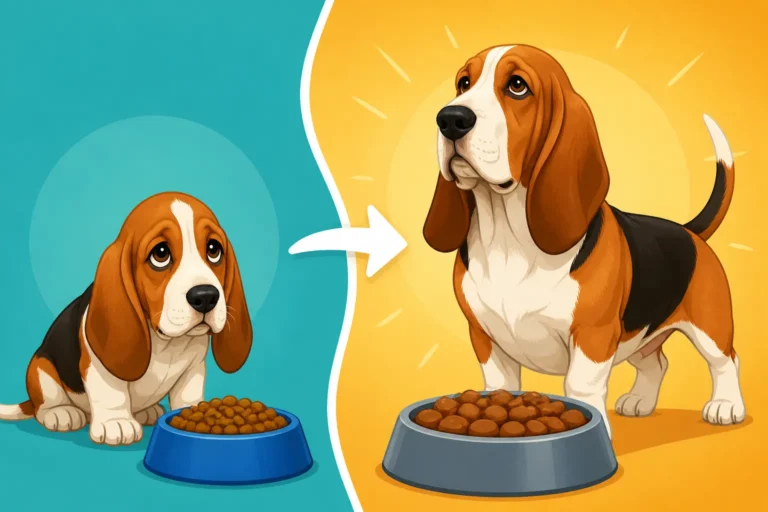
The way your Basset Hound eats and drinks directly impacts how messy their chin gets. Simple changes to their bowls and feeding habits can significantly cut down on trapped food and excess moisture.
- Raised Bowls: Elevating your Basset Hound's food and water bowls can make a surprising difference. When bowls are on the floor, they have to stoop lower, which can cause their jowls to dip deeper into the food or water. A raised bowl allows them to eat and drink in a more upright position, reducing the amount of contact their jowls have with the contents. Look for adjustable stands or ergonomic raised feeders. This can also be helpful for dogs with The Back Trouble a Basset Hound Is Built Into.
- Narrow, Deep Bowls (for water): For water, consider a bowl with a smaller opening but deeper sides. This encourages them to drink by dipping their tongue rather than plunging their entire chin into the water. Some owners even use specialized "splash-proof" or "no-drip" water bowls designed to keep jowls drier.
- Snoods: A snood is a tubular piece of fabric that covers and holds a Basset Hound's long ears back while they eat or drink, preventing them from dragging through food or water. While primarily for ears, a well-fitting snood can also help to keep the lower jowls somewhat contained and reduce direct contact with the food. What a Snood for a Basset Hound Costs is generally a small investment for the hygiene benefits it provides.
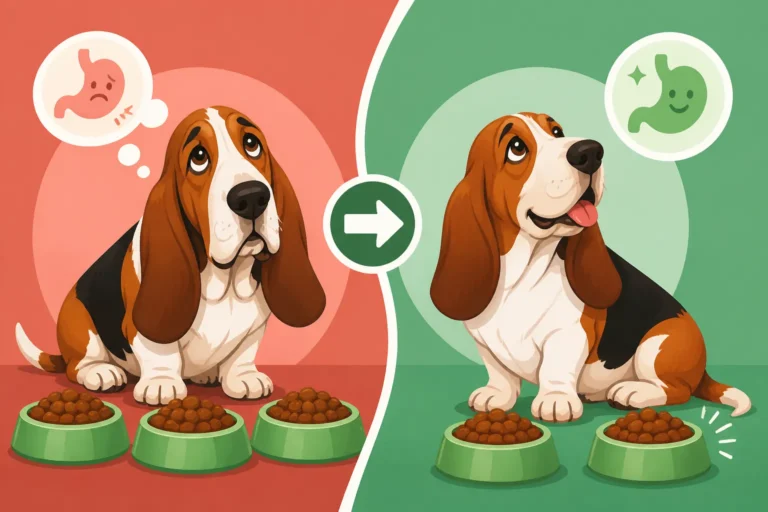
- Smaller Meals: Instead of one large meal, consider feeding smaller, more frequent meals. This means less time with a full bowl, and less opportunity for excessive chin dipping. It also helps manage How Much Food an Adult Basset Hound Eats Monthly more effectively.
Dietary Considerations
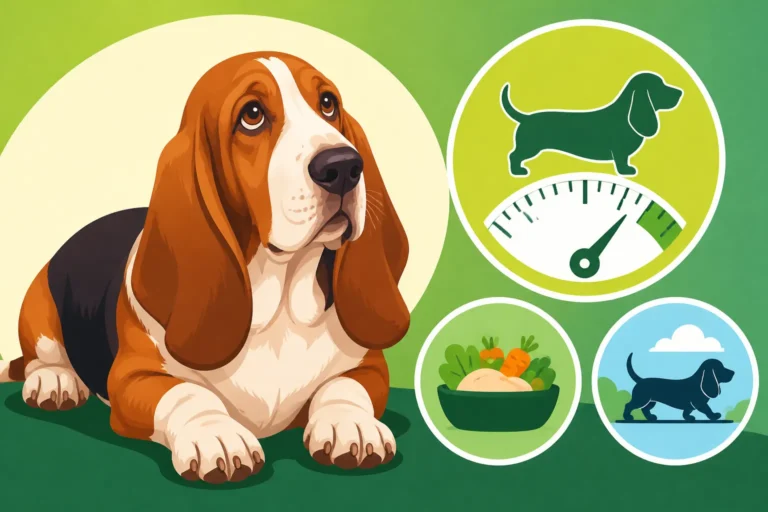
What your Basset Hound eats can also play a role in their chin health, particularly if they have underlying sensitivities. A healthy diet contributes to overall skin health, which can make them more resilient to minor irritations.
- High-Quality Food: A balanced diet rich in essential fatty acids (like Omega-3s and 6s) supports healthy skin and coat, making the skin less prone to dryness, inflammation, and infection. Inferior foods with fillers or common allergens can sometimes lead to skin issues, which might manifest in sensitive areas like the chin folds.
- Allergen Awareness: If your Basset Hound frequently develops skin issues, including chin dermatitis, it might be worth discussing potential food allergies or sensitivities with your vet. Sometimes, switching to a limited ingredient diet or a novel protein source can significantly improve skin health. Brands like Ollie offer fresh, human-grade food options that prioritize high-quality ingredients and can be tailored for sensitivities, which some owners find beneficial for overall skin health.
- Probiotics/Supplements: Your vet might suggest adding certain supplements, like fish oil or probiotics, to your Basset Hound's diet. Fish oil supports skin barrier function, while probiotics can help maintain a healthy gut microbiome, which in turn influences skin immunity.
Professional Grooming Support
While much of your Basset Hound's chin care will fall to you, a professional groomer can be an invaluable partner, especially if you feel overwhelmed or your hound is particularly resistant to handling.
- Routine Maintenance: A good groomer understands the unique needs of breeds like Basset Hounds. They can give your hound a thorough bath, paying extra attention to all the folds and crevices, including the chin, ensuring they are properly cleaned and dried. This can be particularly helpful if your Basset tends to get mucky everywhere, not just on the chin.
- Identifying Issues Early: A professional groomer spends hands-on time examining your dog's skin and coat. They might spot early signs of irritation or infection on the chin or in other folds that you might miss, allowing for earlier intervention before the problem escalates.
- Teaching Toleration: If your Basset Hound is new to chin handling, a groomer can gently introduce them to the process in a calm, professional environment, reinforcing positive associations with grooming. This can make your at-home routine much easier in the long run. They can also provide tips on how to handle your specific dog's temperament when it comes to grooming.
By combining diligent daily care with smart preventative measures and occasional professional help, you can keep your Basset Hound’s chin healthy, happy, and free from those pesky infections and odors. It’s all part of the wonderful, messy, and deeply rewarding experience of loving a Basset Hound!
Disclaimer
This article is for general informational purposes only and does not constitute professional advice. Laws, prices and regulations vary by location and change over time. Consult a qualified professional for guidance on your specific situation.