Whether a Basset Hound’s Ears Should Be Pinned Up to Dry
Anyone who shares their home with a Basset Hound knows the delightful, floppy grandeur of those magnificent ears. They're part of what makes our hounds so iconic and endearing, but they're also a constant source of worry and work, especially when it comes to keeping them dry. Many owners find themselves wondering if pinning those long ears up after a bath or a swim might be the easiest way to ensure they dry thoroughly and prevent the inevitable moisture-related issues. This guide will dive deep into whether pinning your Basset's ears is a good idea, exploring the risks and offering safer, more effective strategies to protect those precious floppy ears.
Understanding the Basset Hound's Unique Ear Anatomy and Why It Matters When Drying
Our Basset Hounds are built for scent work, and their ears play a crucial role in that, but this very design also makes them prone to moisture and subsequent problems. It’s not just about the length; it’s about the whole package.
The Deep, Covered Ear Canal of a Basset Hound
Imagine trying to ventilate a cave with a small, floppy curtain over the entrance – that's essentially what we're dealing with regarding a Basset Hound's ear canal. Unlike breeds with upright ears, or even those with shorter drop ears, the Basset's ear canal is exceptionally deep and vertical. This anatomical feature, combined with the heavy, pendulous ear flap, creates an environment that is perfectly sealed off from natural airflow. Moisture that gets trapped deep within the canal has nowhere to go. It can't evaporate easily because the air doesn't circulate, and the ear flap acts like a lid, holding everything in. This warm, dark, and damp interior is unfortunately the ideal breeding ground for bacteria and yeast, leading to those frustrating, recurring ear infections that many Basset owners know all too well. It’s a constant battle against nature, and understanding this fundamental design flaw is the first step in effective ear care. Why a Basset Hound's Ear Canal Never Dries is a common challenge for us.
The Role of the Heavy Ear Flap in Trapping Moisture
Those beautiful, velvety ear flaps aren't just for looks; they serve a purpose in scent trailing, helping to funnel odors towards the nose. However, this admirable trait comes at a cost to ear health. The sheer weight and length of a Basset Hound's ear flap mean it lies snugly against the side of the head, completely covering the ear opening. Think of it like a perfectly fitted blanket over a damp spot; it just holds the moisture right in. Whether your Basset took a quick dip in the wading pool, got caught in a sudden downpour, or simply had a routine bath, that ear flap will ensure any water that made its way inside, or even just condensation from humid air, stays put. This lack of ventilation is precisely why we need to be so diligent with drying. Without intervention, those ears can stay damp for hours, or even days, allowing microscopic troublemakers to proliferate unchecked, making The Ear Infections That Never Really Leave a Basset Hound a constant concern.
The Risks and Downsides of Pinning Up Basset Hound Ears
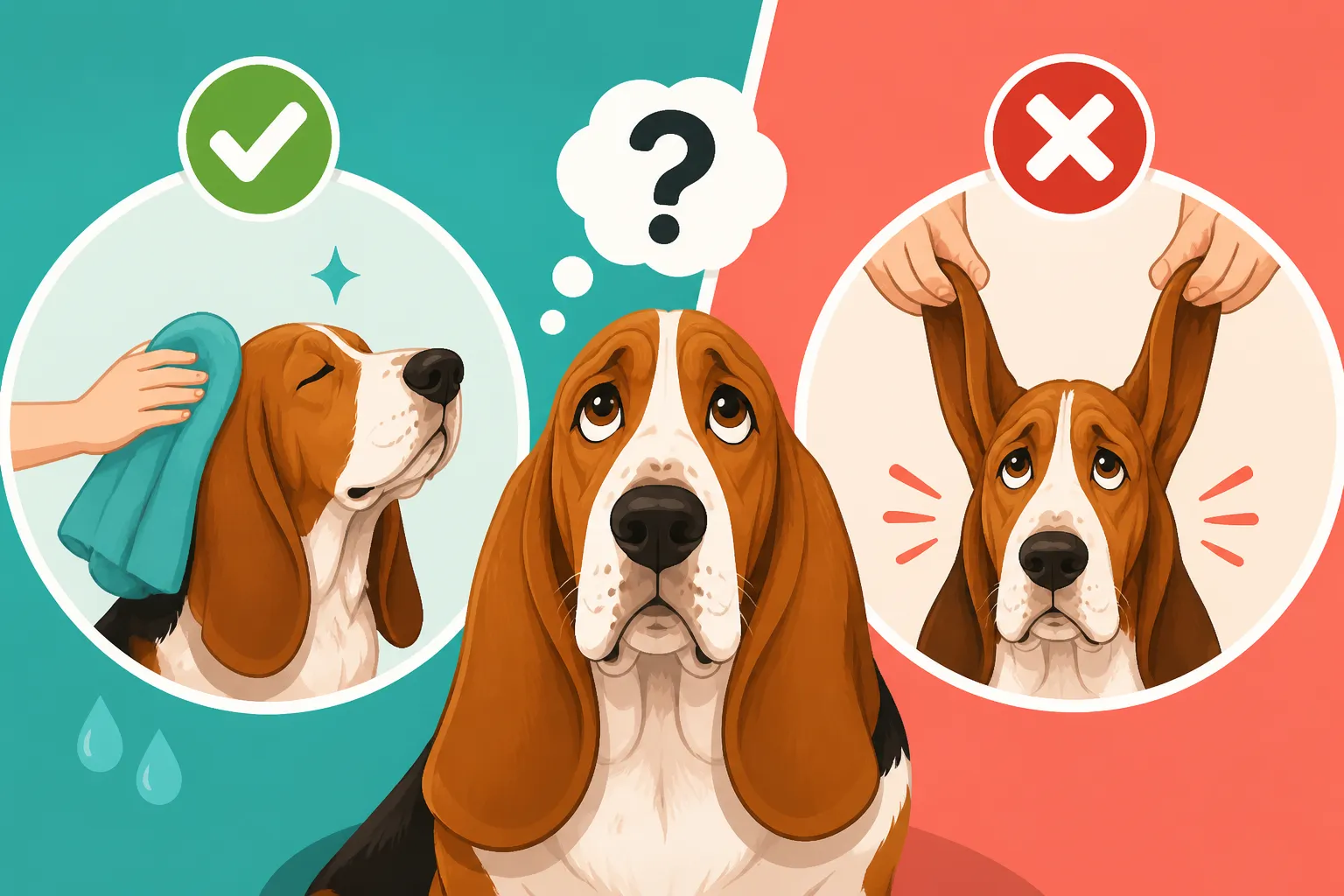
While the intention behind pinning up those long Basset ears to dry might be good – to increase airflow and prevent moisture buildup – the potential risks and downsides often outweigh any perceived benefits. It's a method that, while seemingly logical, can unfortunately lead to more harm than good for our beloved hounds.
Potential for Injury and Discomfort
Imagine having something constantly pulling on your ears, or being held in an unnatural position for an extended period. That's what pinning up a Basset Hound's ears can feel like. The skin on their ear flaps is incredibly delicate, and even gentle clips or ties can cause localized pressure, irritation, or even break the skin. This irritation might not be immediately visible, hidden beneath fur, but it can lead to discomfort, rubbing, or scratching, which then compounds the issue by creating tiny abrasions that are perfect entry points for bacteria. Moreover, the sheer force of a Basset shaking its head – something they do frequently, especially if their ears are bothering them – could cause a clip to tear the delicate ear leather or even rip out patches of hair. We’ve all seen our Bassets fling their heads around; even if the clip holds, the sudden jerking motion could be traumatic for the ear itself, potentially leading to painful swelling or even an aural hematoma, a blood blister that forms between the skin and cartilage of the ear flap. Safety and comfort should always come first.
Restricting Blood Circulation
Another significant concern with pinning ears, especially if done tightly or for long periods, is the potential to restrict blood circulation to the ear flaps. Those long, heavy ears require a good blood supply to stay healthy. If clips, bands, or ties are applied too snugly, they can compress the blood vessels, reducing the flow of oxygen and nutrients to the tissues. This isn't just uncomfortable; prolonged restricted circulation can lead to tissue damage, swelling, and even necrosis (tissue death) in severe cases. While most owners would never intentionally cause such harm, it's easy to misjudge the tightness needed to keep ears pinned versus the pressure that can compromise circulation. The last thing we want is to create a new problem while trying to solve an existing one. The goal is gentle drying, not a tourniquet.
Stress and Behavioral Issues
Our Basset Hounds are generally good-natured, but they are also sensitive creatures with strong opinions, especially when it comes to their personal space and comfort. Being forced to keep their ears pinned up, particularly with an unfamiliar or uncomfortable device, can be a source of significant stress and anxiety. They might resist the process, making ear care a battle, or they might become fearful of future grooming sessions. This negative association can make essential ear maintenance, like regular cleaning, much more difficult down the line. A stressed dog is often an uncooperative dog, and trying to force a Basset to tolerate something it finds uncomfortable can erode the trust between you. We want ear care to be a positive, or at least neutral, experience, not a traumatic one. Building a positive relationship with grooming starts early, and we should always prioritize methods that minimize stress for our furry companions. Teaching a Basset Hound to Tolerate Ear Cleaning is much easier when they don't associate it with discomfort.
Effective and Safe Methods for Drying Your Basset Hound's Ears
Instead of resorting to potentially harmful pinning methods, there are plenty of safe and effective ways to ensure your Basset Hound's ears dry thoroughly, promoting good ear health and preventing those pesky infections. The key is to be diligent and consistent with your routine.
Manual Drying Techniques
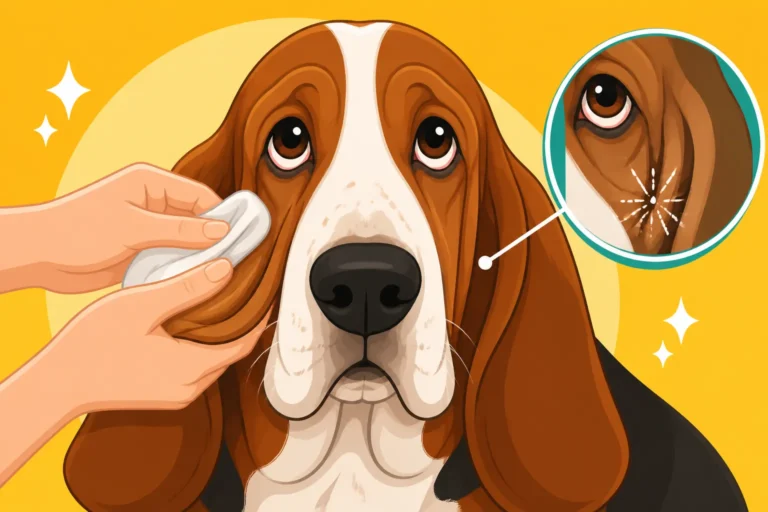
The most straightforward and often most effective method is good old-fashioned manual drying. After a bath, a swim, or even just a particularly damp outdoor adventure, gently pat the outer ear flap dry with a soft, absorbent towel. Microfiber towels work wonders for this, soaking up moisture quickly without being abrasive. Once the outside is as dry as possible, move to the inner flap. Using cotton balls or soft gauze pads, gently wipe the visible parts of the inner ear flap and the entrance to the ear canal. Always remember to wipe only as far as your finger can comfortably reach; never insert anything deep into the ear canal itself, as this can push debris further in or damage delicate structures. If you're struggling to get the folds around the ear opening dry, you can gently hold the ear flap up for a minute or two to allow air to circulate naturally while you pat dry with the towel. The goal is to absorb as much surface moisture as possible.
Using Airflow Aids Safely
While direct pinning is risky, promoting natural airflow can be very beneficial. A low-setting hairdryer, held at a safe distance and never pointed directly into the ear canal, can help evaporate residual moisture. Always use the coolest setting possible, or a "no-heat" option, to avoid burning your dog's delicate skin. Keep the dryer moving, gently lifting the ear flap to allow the air to circulate. Many dogs enjoy the gentle breeze, especially if introduced positively with treats.
Another excellent option is a dog-specific drying device, such as a happy hoodie or a snood. These aren't about pinning, but rather about comfortably holding the ears back and up, or gently compressing them, to allow air to get to the ear canal without causing any discomfort or restricting circulation. Some innovative snoods are even designed with mesh areas or moisture-wicking materials. You can find a variety of these on platforms like Chewy or Amazon.
Finally, for persistent moisture issues, a good quality ear drying solution can be a lifesaver. These are specially formulated to help evaporate water and often contain ingredients that discourage bacterial and yeast growth. Apply a small amount as directed by your vet after thorough manual drying. Ingredients like witch hazel or boric acid are common in these solutions, but always check with your veterinarian to ensure the product is suitable for your Basset Hound, especially if they have sensitive skin or a history of ear problems. This can be a vital step to stop Whether a Basset Hound's Ears Trap Water from causing trouble.
Importance of Regular Ear Cleaning
Drying is one piece of the puzzle, but regular cleaning is just as critical. Even with the best drying efforts, a Basset Hound’s ears will accumulate wax, dirt, and debris, which can trap moisture and contribute to infections. Establishing a routine of cleaning your Basset’s ears at least once or twice a week is essential. Use a veterinarian-approved ear cleaner specifically designed for dogs. Gently lift the ear flap, squirt the cleaner into the ear canal (following product instructions), and then massage the base of the ear for 30 seconds. This helps break up wax and debris. Allow your Basset to shake its head (it will!), and then wipe away the loosened gunk with cotton balls or gauze. Remember, never use cotton swabs deep inside the ear.
If your Basset has a history of ear infections, your vet might recommend specific medicated cleaners or drops. Being proactive with cleaning reduces the overall moisture burden and removes potential food sources for yeast and bacteria. Consistency is key here; a few minutes a week can save you a lot of heartache and vet bills down the line. To learn more about proper cleaning, refer to How to Clean a Basset Hound's Ears Properly or The Twice Weekly Ear Ritual a Basset Hound Owner Signs Up For.
Long-Term Strategies for Basset Hound Ear Health
Keeping your Basset Hound's ears healthy isn't a one-and-done task; it's an ongoing commitment that involves daily vigilance, proper care techniques, and sometimes, a little help from your veterinarian. Proactive measures are always better than reactive ones when it comes to those magnificent, yet vulnerable, ears.
Daily Ear Checks and Early Detection
Make it a habit to check your Basset Hound's ears daily. This doesn't need to be a full-blown cleaning, just a quick lift of the ear flap and a sniff. What are you looking for? First, smell. Healthy Basset ears should have a very mild, yeasty smell, or no smell at all. A strong, pungent, sweet, or sour odor is a red flag. Second, look. Check for redness, swelling, discharge (especially dark brown, yellow, or green), or excessive wax buildup. Is the skin inside the ear canal inflamed? Are there any visible sores or scratches? Third, observe behavior. Is your Basset shaking its head more often? Scratching at its ears? Rubbing its head against the furniture? Whining when you touch its ears? Any of these signs warrant closer inspection and likely a call to your vet. Catching problems early can prevent a minor irritation from escalating into a full-blown, painful infection, potentially saving your Basset from chronic discomfort and you from significant What Ear Treatment Costs a Basset Hound Owner Yearly. Early detection can make all the difference in treatment success and managing Whether Every Basset Hound Gets Ear Infections.
Nutritional Support for Skin and Coat Health
Believe it or not, what goes into your Basset Hound's food bowl can directly impact the health of their skin and, by extension, their ears. A diet rich in essential fatty acids, particularly Omega-3s, can promote a healthy skin barrier and reduce inflammation throughout the body, including in the ears. High-quality dog foods, like those offered by Ollie, often include these beneficial ingredients. Some Basset Hounds may also suffer from food sensitivities or allergies that manifest as skin and ear problems. If you suspect allergies, working with your vet to identify and eliminate trigger ingredients can make a huge difference.
Beyond their regular diet, supplements such as fish oil or specific skin and coat formulations can be beneficial. Always discuss any dietary changes or supplements with your veterinarian to ensure they are appropriate for your individual dog and won't interact negatively with any other medications or conditions. A healthy skin barrier is your dog's first line of defense against environmental irritants and infections, and good nutrition plays a foundational role in maintaining it.
When to Seek Veterinary Advice
As much as we try to manage our Basset's ear health at home, there are times when professional veterinary intervention is absolutely necessary. If you notice any of the warning signs discussed above – a strong odor, excessive discharge, redness, swelling, pain, or persistent head shaking – it's time to call the vet. Don't wait for it to get worse. A veterinary examination can determine if it's a bacterial, yeast, or mixed infection, identify foreign bodies, or even detect underlying issues like allergies. Your vet can perform an otoscopic exam to look deep into the ear canal, collect samples for cytology or culture, and prescribe the appropriate medication.
Attempting to treat a severe ear infection at home without a proper diagnosis can prolong suffering and lead to chronic issues. Sometimes, your vet may recommend specific ear cleaners or maintenance drops that are stronger than over-the-counter options. In rare, severe, or chronic cases where the ear canal has become irreparably damaged due to repeated infections, surgery might even be discussed as a last resort, as explored in Whether a Basset Hound Needs Ear Surgery. Knowing when to seek professional help is perhaps the most crucial long-term strategy for ensuring your Basset Hound's ears remain as healthy and comfortable as possible throughout their life.
Comparison of Ear Drying Methods
Here’s a quick overview of different ear drying approaches for your Basset Hound:
| Method | Description | Pros | Cons | Recommendation |
|---|---|---|---|---|
| Manual Towel Drying | Gently patting outer ear and wiping visible inner ear with soft towel/gauze. | Safe, gentle, no special equipment needed, effective for surface moisture. | Requires diligence, may not reach deep moisture. | Highly Recommended for daily/post-bath drying. |
| Low-Heat Hairdryer | Using cool or no-heat setting, held at a distance to promote air circulation. | Helps evaporate deeper moisture, many dogs tolerate it, speeds drying time. | Risk of burns if too hot or too close, some dogs may fear noise. | Recommended with caution (coolest setting, distance). |
| Ear Drying Solution | Liquid solution applied after cleaning/drying to aid evaporation. | Specifically formulated to dry canal, often has antiseptic properties, good for preventing infections. | Must be vet-approved, can cause irritation if used incorrectly or if ear is already inflamed. | Recommended (vet-approved, use after manual drying). |
| Snoods/Happy Hoodies | Fabric headbands that gently hold ears back/up without tight pinning. | Comfortable, promotes airflow, can make ear care easier, often made from absorbent materials. | Some dogs may dislike wearing them, may not be enough for heavy moisture. | Recommended for comfort and gentle airflow. |
| Pinning Ears (with clips/ties) | Using clips, hair ties, or string to hold ears up. | Perceived as ensuring airflow. | High risk of injury (tearing, skin irritation), restricts blood flow, causes stress, not vet-recommended. | Not Recommended (high risks). |
This article is for general informational purposes only and does not constitute professional advice. Laws, prices and regulations vary by location and change over time. Consult a qualified professional for guidance on your specific situation.