Whether a Basset Hound’s Ears Drag in Mud
Anyone who has spent more than five minutes with a Basset Hound knows their ears are legendary. They're long, they're luscious, and they're undeniably magnificent. But let's be real, that magnificence often comes with a messy downside, especially when it involves anything other than perfectly clean, dry floors. If you’ve found yourself wondering whether your Basset’s beautiful ears are truly destined to drag through every muddy puddle, dinner bowl, or dewy patch of grass, you’re in the right place. This guide will dive deep into the reality of those low-slung ears and offer practical advice for keeping them (and your home) as clean and healthy as possible.
The Inevitable Reality of Basset Hound Ears and Mud
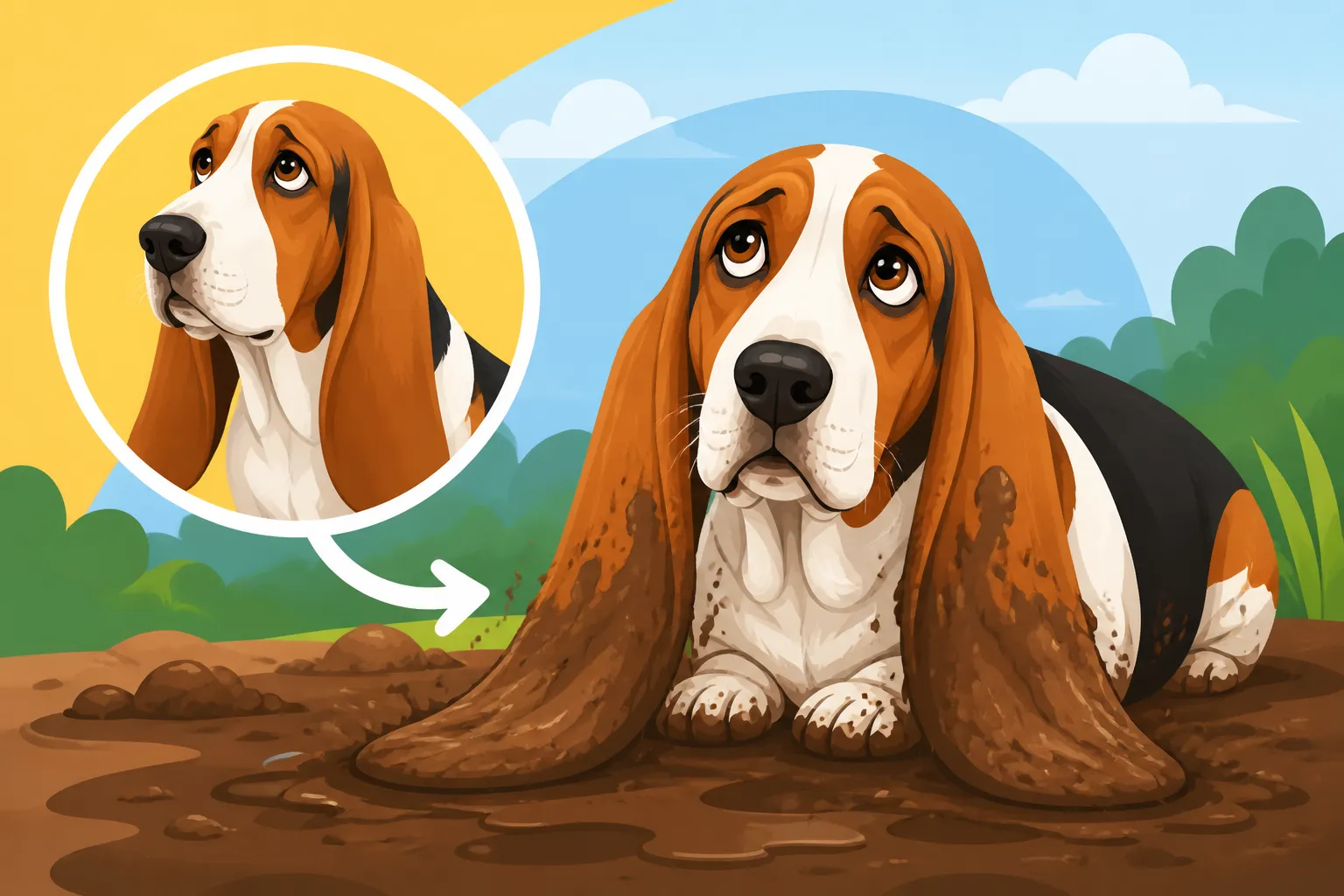
There's no sugarcoating it: if there's mud, dirt, dew, or anything remotely damp and low to the ground, a Basset Hound's ears will find it. It's not a question of if but when and how often. This isn't just an aesthetic concern; it’s a fundamental part of Basset ownership that impacts hygiene, health, and your cleaning routine. Their design, while perfect for scent work, makes them magnets for grime.
Why Those Long Ears Are So Susceptible
It all comes down to genetics and purpose. Basset Hounds were bred with those incredibly long, heavy ears for a very specific reason: scenting. When a Basset is on a trail, their ears act like natural sweepers, pushing scents from the ground directly towards their powerful nose. The folds and length also help trap scent close to their face, enhancing their incredible ability to follow a cold trail for miles. It’s truly remarkable to watch them work, nose to the ground, those ears doing their job. However, this brilliant design for scent tracking becomes a challenging feature in everyday life.
Consider a typical walk in the park after a light rain. The ground might look mostly dry to us, but to a Basset, it's a treasure trove of scents – and quite possibly a damp, earthy mess. As they lower their head to investigate, those long ear flaps, sometimes stretching a foot or more, become unwitting sponges, soaking up moisture, dirt, and whatever else lies in their path. It’s not their fault; they’re just doing what they’re built to do, following their nose. The sheer surface area and their low-slung nature mean they're in constant contact with the ground, making them exceptionally prone to picking up everything. This is part and parcel of living with these wonderfully unique dogs, and understanding their anatomy helps us appreciate why managing their ears is such an integral part of their care.
Beyond Just Mud: What Else They Drag Through
While mud is often the prime suspect, a Basset's ears are indiscriminate collectors. Think about it: anything at their head height or lower is fair game. This includes morning dew on the grass, which can quickly make their ears quite damp and dirty even on a seemingly dry day. Puddles, of course, are obvious culprits, but even a splash from a sprinkler or a dripping outdoor faucet can turn a pristine ear into a soggy one.
Beyond water and mud, there's the delightful world of food and drink. During mealtime, those long ears often dip into their food bowls, especially if the bowl isn't specifically designed to prevent this. Wet food, kibble soaked in gravy, or even just water can coat the insides and outsides of their ears, leading to a sticky, unappetizing mess. It’s not just the immediate mess, either; this can create a breeding ground for bacteria or yeast if not cleaned promptly. Then there are other outdoor elements: sticky burrs from tall grass, stray leaves, dust, small twigs, and even the occasional unidentifiable goo they might brush against. Living in an area with a lot of natural foliage or where seasonal changes bring different types of ground cover means a constant battle against nature's offerings attaching themselves to those beautiful ears. We try our best to keep them clean, but sometimes it feels like they’re intentionally seeking out the messiest spots!
The Practical Challenges of Muddy Ears
The sight of mud-caked Basset Hound ears isn't just a minor inconvenience; it brings a cascade of practical challenges, from keeping your home clean to safeguarding your dog's health. It’s a reality that every Basset owner quickly comes to terms with, often with a sigh and a grab for the nearest towel.
The Mess They Bring Indoors
Picture this: your Basset just finished an enthusiastic romp in the backyard after a rainy spell. They trot back inside, ears swinging, happy as can be, leaving a delightful trail of earthy paw prints and… ear prints. Those muddy ears don't just stay muddy; they transfer that dirt to everything they touch. We're talking furniture, carpets, your freshly mopped floors, and even your clothes if they decide to lean against you for a good ear scratch. The sheer length and weight of their ears mean they flap and swing with every head shake, every enthusiastic greeting, effectively splattering mud in an impressive radius.
It’s not uncommon to find little smudges on table legs, the bottom of curtains, or even streaky marks on walls where a Basset has leaned or rubbed its head. This means your cleaning routine expands beyond just vacuuming and sweeping to include more frequent wiping down of surfaces and spot-cleaning upholstery. For many Basset owners, a dedicated "mud station" near the door, complete with towels and a bucket of warm water, becomes an essential part of daily life. Trying to catch them at the door before they do a full-house tour is a constant challenge, but it's often the only way to mitigate the spread of the outdoor world into your indoor sanctuary. It's just one of those charming quirks that make Basset ownership an adventure!
Health Implications of Constant Dirt and Moisture
Beyond the messy house, consistently dirty and damp ears pose significant health risks for Basset Hounds. Their long, pendulous ears naturally create a warm, dark, and poorly ventilated environment within the ear canal. This microclimate is already ideal for the growth of bacteria and yeast. Add in mud, moisture, and debris, and you’ve essentially created a five-star resort for ear infections. That constant dampness can also lead to skin irritation on the ear flaps themselves, especially if abrasive dirt is trapped against the delicate skin.
The accumulation of dirt and foreign material can also block the ear canal, further trapping moisture and making it harder for the ear to naturally clear out wax and debris. This can quickly escalate from minor irritation to a full-blown, painful infection that requires veterinary attention. Signs like head shaking, scratching at the ears, a foul odor, or redness and swelling are all red flags. Addressing these issues promptly is crucial, as chronic ear infections can lead to serious complications, including hearing loss or even requiring surgery in severe cases. You can read more about Why a Basset Hound's Ear Canal Never Dries and The Signs a Basset Hound's Ear Has Gone Bad to understand the nuances of these issues. It’s a constant battle, but a clean, dry ear is a healthy ear, and preventing these infections is far easier (and less costly) than treating them.
Strategies for Managing Muddy Basset Hound Ears
Okay, so we know the problem is real and persistent. But don't despair! There are definitely strategies you can employ to minimize the mud-and-ear conundrum. It's all about proactive prevention and consistent, gentle cleaning. Managing those magnificent ears is a daily commitment, but it’s entirely doable.
Prevention is Key: Walking and Outdoor Gear
The first line of defense is to try and prevent the ears from getting muddy in the first place. While you can't control every puddle or patch of damp grass, you can control how your Basset interacts with them. When out on a walk, try to steer clear of the muddiest areas. If you know a particular route is always soggy, opt for a different path if possible. Training your Basset to walk a bit closer to you, rather than letting them wander too far off-leash in questionable terrain, can also help.
For those inevitable muddy adventures or even just dewy mornings, specialized gear can be a game-changer. One popular solution is a "snood" – a fabric tube that slips over your Basset's head and gathers their ears securely, keeping them out of the muck. Many Basset owners swear by these, not just for walks but also for meal times to keep ears out of food and water bowls. You can find a wide variety of snoods on platforms like Amazon or Chewy, ranging from simple fleece tubes to more elaborate waterproof designs. Look for ones that are breathable but durable. While a snood might look a little silly, it's incredibly effective at creating a barrier between those long ears and whatever mess lies below. You can also explore Whether a Basset Hound Needs a Snood at Dinner for more insights into this handy accessory.
The Post-Adventure Cleaning Routine
No matter how many preventative measures you take, some mud will always find its way onto those ears. That’s where a consistent post-adventure cleaning routine comes in. The moment you step back inside, or even before if you have a mudroom or porch, is the time for a quick wipe-down. Keep a stack of old towels or microfibre cloths near the door.
For light mud or dew, a simple damp cloth (just water) can often do the trick. Gently wipe down the outer ear flaps, paying attention to the edges and any folds. For heavier mud, you might need a bucket of warm water and a dedicated ear cloth. Dip the cloth, wring it out, and carefully clean away the mud. It's important to be thorough but gentle – don't scrub roughly, as this can irritate the delicate skin. After cleaning, always follow up with a dry towel to ensure the ears are completely dry. This step is critical in preventing moisture from lingering and creating a breeding ground for problems. Making this a routine, almost a ritual, helps your Basset get used to it, making the process smoother for both of you. Consistency is your best friend here, as even a day or two of neglected muddy ears can lead to discomfort for your pup.
Regular Maintenance for Ear Health
Beyond immediate mud removal, regular, comprehensive ear care is vital for Basset Hounds. This involves weekly (or even twice-weekly, depending on your dog and their activities) checks and cleaning of the inner ear flap and entrance to the canal. Remember, Basset ears are prone to infections, so staying on top of hygiene is non-negotiable.
You'll want a good quality, vet-recommended ear cleaner designed for dogs. Many owners have success with gentle, non-irritating solutions available from pet supply stores or online retailers like Chewy. To clean, lift the ear flap, apply the cleaner as directed (usually a few drops into the canal or onto a cotton ball), and gently massage the base of the ear for 20-30 seconds to help break up wax and debris. Then, use a fresh cotton ball or gauze to wipe away any discharge or loosened gunk from the visible parts of the ear. Never use cotton swabs inside the ear canal itself, as this can push debris further in and potentially damage the eardrum. Always ensure the ear is thoroughly dried afterwards, using a fresh cotton ball or soft cloth. This entire process is part of The Twice Weekly Ear Ritual a Basset Hound Owner Signs Up For and you can find more detailed instructions on How to Clean a Basset Hound's Ears Properly. It might sound like a lot, but once you get into the rhythm, it becomes second nature and is crucial for your Basset's long-term comfort and health.
When to Seek Professional Help
Even with the most diligent care and preventative measures, Basset Hounds can sometimes develop ear issues. Knowing when to stop trying home remedies and head to the vet is crucial for their well-being. It's easy to dismiss early signs as just "a bit of irritation," but with Bassets, early intervention can save a lot of pain and expense down the line.
Recognizing Signs of Trouble
Your Basset Hound will usually give you pretty clear signals if their ears are bothering them. Keep an eye out for any changes in their behavior or the appearance of their ears. One of the most common signs is excessive head shaking or scratching at the ears. They might rub their head against furniture or the ground in an attempt to alleviate the itch or discomfort. Another tell-tale sign is a change in ear odor; healthy Basset ears should have a mild, yeasty smell at most, but a strong, foul, or sweet odor can indicate an infection. You might also notice redness or swelling on the inside of the ear flap or around the opening of the ear canal. Sometimes, there will be an unusual discharge – it could be dark and waxy, yellow, or even bloody.
Pay attention to whether your Basset seems sensitive when you touch their ears. A normally tolerant dog might pull away or even yelp if their ears are painful. They might also hold one ear lower than the other, or generally seem lethargic. Any of these symptoms, especially if they persist for more than a day or two, warrant a call to your veterinarian. Ignoring these signs can lead to more severe, chronic conditions that are harder to treat. Understanding The Signs a Basset Hound's Ear Has Gone Bad can help you differentiate between normal Basset ear quirks and genuine problems.
Vet Visits and Specialized Care
When you notice those warning signs, don't delay in scheduling a vet visit. Your veterinarian has the tools and expertise to properly examine the ear canal, which is often difficult to see clearly at home due to its depth and the Basset’s ear structure. They can use an otoscope to look deep inside, checking for inflammation, foreign objects, excessive wax buildup, or damage to the eardrum.
Often, they will take a swab of the ear discharge to perform a cytology (microscopic examination) to determine if the infection is caused by bacteria, yeast, or a combination of both. This is really important because the type of infection dictates the most effective treatment. Depending on the diagnosis, your vet might prescribe specific ear drops (antibiotic, antifungal, or a combination), oral medications, or a medicated ear cleaner different from your usual maintenance one. In some severe or chronic cases, they might recommend more advanced diagnostics or even referral to a veterinary dermatologist. Sometimes, the issue isn't just an infection but something more complex, like a Whether a Basset Hound Develops an Aural Hematoma from vigorous head shaking or even a growth. It's always best to let the professionals guide the treatment plan to ensure your Basset gets the right care to get those legendary ears back to comfort.
Muddy Ear Management at a Glance
Here’s a quick overview of how to tackle those muddy Basset Hound ears, ensuring both cleanliness and health.
| Aspect | Key Strategy | Essential Tools | Frequency & Notes |
|---|---|---|---|
| Prevention | Route planning, use of protective gear | Snoods (e.g., from Amazon or Chewy) | Daily on walks, during mealtimes; avoid overly muddy areas. |
| Immediate Cleanup | Wipe down ears immediately upon coming indoors | Damp cloths, dry towels | After every outdoor adventure, especially if ground is wet or dirty. |
| Regular Cleaning | Use dog-specific ear cleaner to flush/wipe | Dog ear cleaner, cotton balls/gauze, dry towels | 1-2 times per week, or as directed by vet; ensure ears are completely dry. |
| Health Monitoring | Observe for signs of irritation or infection | Your keen eyes and nose | Daily checks; look for redness, odor, discharge, head shaking, scratching. |
| Professional Care | Vet consultation for persistent or severe issues | Veterinarian, diagnostic tests | As needed for any signs of infection; essential for proper diagnosis and treatment. |
Embracing the Basset Hound Experience
Living with a Basset Hound means embracing their unique characteristics, and yes, that absolutely includes their magnificent, mud-collecting ears. It’s a reality we, as Basset owners, sign up for, and while it requires a bit of extra effort, it’s a small price to pay for the joy and companionship these hounds bring into our lives. From their soulful eyes to their comical expressions and that incredible nose, every part of a Basset Hound is special, even the parts that require a bit more cleaning.
The key is to integrate ear care into your regular routine, much like feeding or walks. With the right tools – a good ear cleaner, plenty of towels, maybe even a stylish snood from Chewy or Amazon – and a consistent approach, you can keep those long ears healthy and relatively clean. You’ll become an expert at dodging puddles and spotting the tell-tale signs of an ear that needs attention. It's not about achieving perfect, pristine ears 24/7 (that's a fantasy with a Basset!), but about managing the inevitable mess and ensuring their comfort and health. So, next time your Basset’s ears get a little muddy, take a deep breath, grab a towel, and remember it's all part of the wonderful, messy, and utterly lovable Basset Hound adventure.
Disclaimer
This article is for general informational purposes only and does not constitute professional advice. Laws, prices and regulations vary by location and change over time. Consult a qualified professional for guidance on your specific situation.