Whether a Basset Hound’s Ears Need Washing Separately
One common conundrum Basset Hound owners grapple with during bath time is how to handle those magnificent, yet incredibly problematic, ears. You want your sweet hound to be clean, but the thought of getting water and soap trapped in those long, floppy canals can be truly anxiety-inducing, often leading to a frantic splash-fest and a lingering worry about potential infections. This guide is here to walk you through the ins and outs of Basset Hound ear hygiene during bathing, helping you understand why these ears require special attention and how to keep them clean and healthy without causing more trouble.
The Unique Challenges of Basset Hound Ears During Bath Time
Let's face it, a Basset Hound's ears are iconic, part of their undeniable charm. But what makes them so endearing also makes them a real pain when it comes to keeping them clean and dry. It's not just a matter of aesthetics; their structure inherently creates an environment prone to issues if not managed correctly.
Why Their Ears Are a Special Case
Imagine a long, heavy curtain constantly draped over an opening. That's essentially what a Basset Hound's ear flaps, or pinnas, do to their ear canals. These ears are incredibly long, thick, and pendulous, often sweeping the ground as they follow a scent trail. This design, while fantastic for trapping and funneling scent particles toward their super-sensitive noses, creates a warm, dark, and often humid microclimate underneath. The ear canal itself is L-shaped, making it difficult for air to circulate and for any moisture or debris to escape naturally. It’s a perfect breeding ground for all sorts of unwelcome guests, which is why The Ear Infections That Never Really Leave a Basset Hound are such a common, frustrating reality for us Basset parents. Their ears aren't just an accessory; they're a complex anatomical feature that demands vigilance.
When it's bath time, these long ears become a liability. They effortlessly dip into the bathwater, collecting soap suds, shampoo, and plain old dirty water. Trying to keep them out of the splash zone feels like a wrestling match, and even with the best intentions, it's easy for them to get saturated. This isn't just a minor inconvenience; it's a direct pathway to potential problems.
The Risks of Water and Soap in the Ear Canal
Getting water and soap inside a Basset Hound's ear canal is more than just an annoyance; it's a significant health risk. Water trapped deep within that L-shaped canal drastically increases humidity and warmth, creating an ideal environment for bacteria and yeast to flourish. These microorganisms thrive in such conditions, quickly leading to painful and stubborn ear infections. You might notice your Basset shaking its head constantly, scratching at its ears, or they might even emit a distinct odor – classic signs of trouble. The Signs a Basset Hound's Ear Has Gone Bad are something every owner should be familiar with.
Beyond the moisture issue, shampoo and soap can be highly irritating to the delicate lining of the ear canal. Residue left behind can cause inflammation, itching, and redness, further exacerbating any existing issues or even triggering new ones. It can disrupt the natural pH balance and protective barriers within the ear, making it more susceptible to infection. It’s a double whammy: moisture creating a breeding ground, and harsh chemicals irritating the tissue. This is a primary reason why we often hear "whether a Basset Hound's ears trap water" as a concern, and the answer is a resounding yes.
Common Frustrations for Owners
Let's be honest, bathing a Basset Hound can feel like a full-body workout. Their low stature means they're practically sitting in the bathwater even in a shallow tub, making it a challenge to keep their ears clear. You try to hold them up, your arms get tired, and eventually, gravity (and your Basset's subtle movements) wins. Suds inevitably run down their face and into the outer ear folds, and despite your best efforts, a rogue splash can send water deep into the canal.
Then there's the drying process. Even if you manage to keep the inner ear dry during the wash, the long, heavy ear flaps themselves get soaked. If these aren't thoroughly dried, the continuous dampness against the head can still promote a humid environment, contributing to skin irritation around the base of the ear or simply keeping the ear canal from truly aerating. The sheer volume of ear to dry is enough to make any owner sigh. It's a common lament among us Basset aficionados: "Do these ears ever really dry?" and the truth is, not without a lot of help!
Best Practices for Bathing a Basset Hound's Ears
Given the inherent challenges, adopting a strategic approach to bath time is essential for Basset Hound ears. It's not about avoiding baths, but about smart preparation and careful execution to protect those sensitive structures.
Pre-Bath Preparation: Your First Line of Defense
Before your Basset even sets a paw in the tub, you can take steps to safeguard their ears. The golden rule here is simple: prevent water and soap from entering the ear canal in the first place.
- Cotton Balls: A simple yet effective trick is to place large cotton balls gently, but firmly, into the outer opening of your Basset's ear canals. Make sure they are visible and easily removable – never push them deep inside. These act as a physical barrier, absorbing any splashes or drips that might otherwise find their way in. You can find large, soft cotton balls easily on Amazon or at any drugstore. Remember to remove them immediately after the bath!
- The Mighty Snood: For those extra-long ears, a snood can be a game-changer. A snood is essentially a fabric tube or cowl that you slip over your dog's head, pulling their ears up and tucking them inside. This keeps the ears contained, out of the water, and minimizes their ability to flop into suds. It's also fantastic for keeping ears out of food and water bowls. You can find a wide variety of snoods designed for Basset Hounds on Chewy or by searching online marketplaces. Consider it an essential piece of equipment for any Basset owner! Whether a Basset Hound Needs a Snood at Dinner highlights another great use for these handy items.
- Applying a Pre-Bath Ear Cleaner (Carefully): Some owners opt to apply a drying or protective ear cleaner before the bath, specifically formulated to repel water. However, this should only be done if you are very familiar with your dog's ears and the product, as introducing too much liquid before a bath could actually worsen the situation if not dried properly. Always consult your vet if you're unsure.
The Gentle Washing Technique
When it comes to the actual washing, the goal is to clean your Basset's body thoroughly while keeping their ears as dry as possible.
- Focus on the Body: Use a gentle, dog-specific shampoo and concentrate on their body. Work quickly but thoroughly, paying attention to their skin folds, undercarriage, and legs.
- Strategic Rinsing: This is where many owners go wrong. When rinsing, use a showerhead or a pitcher to direct water away from their head and ears. Tilt your Basset's head slightly downwards, so water runs off their nose and chin, rather than towards their ears. If you must get near their head, use a damp washcloth to wipe shampoo from their forehead and cheeks, rather than dousing them with water.
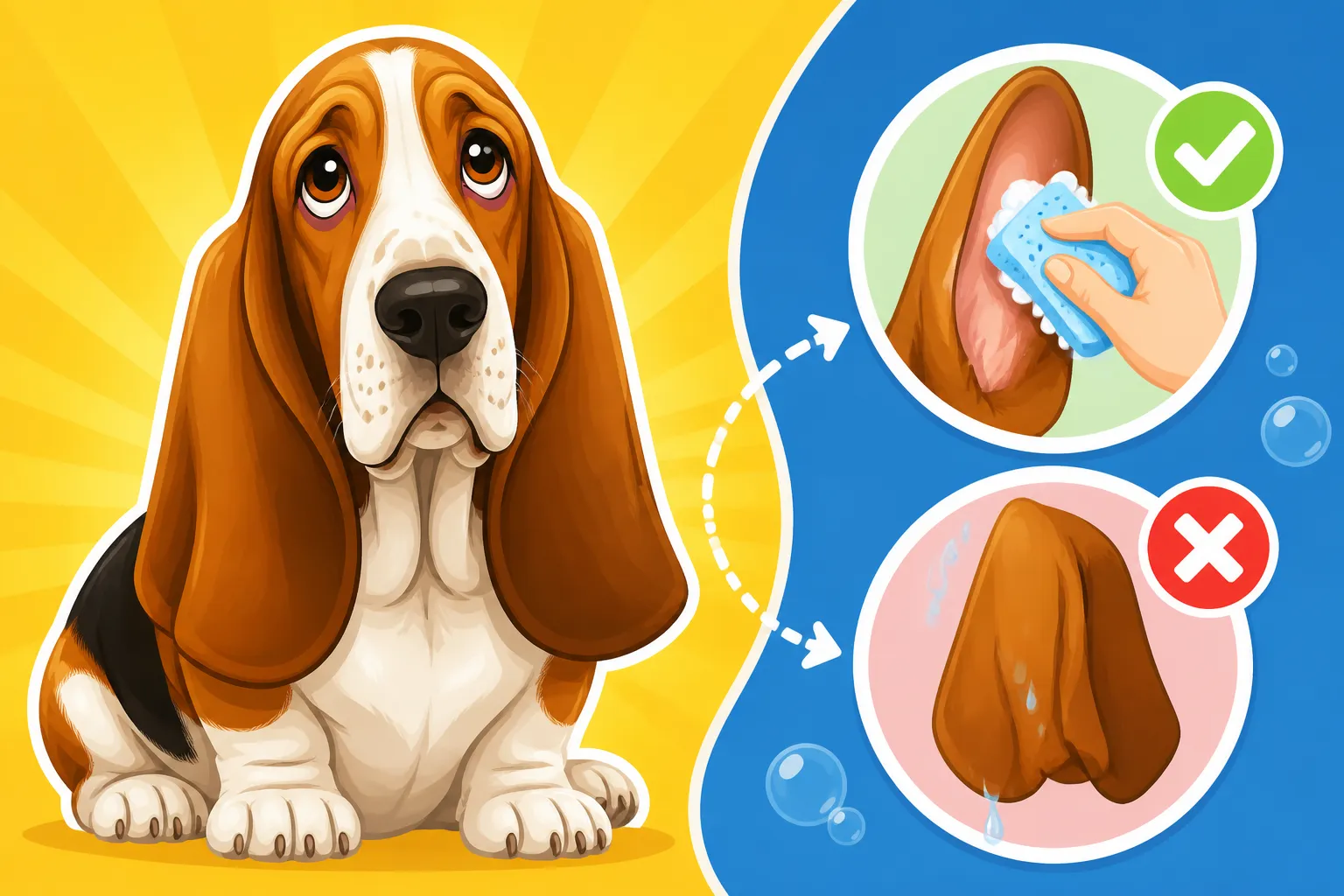
- Minimal Ear Flap Washing: If the outside of the ear flaps are genuinely dirty, you can gently wipe them down with a damp, soapy cloth, ensuring no suds get near the ear canal opening. Follow with a clean, damp cloth to rinse, and then immediately pat dry. The emphasis here is on wiping, not saturating.
Post-Bath Ear Care: The Crucial Drying Stage
Once the bath is over, the work isn't done. The post-bath drying and cleaning routine is arguably even more critical than the washing itself.
- Initial Towel Drying: Immediately after the bath, use a soft, absorbent towel to thoroughly dry your Basset's entire body, paying special attention to their ears. Gently but firmly blot the ear flaps, both inside and out. Lift the ears and pat dry the skin underneath, where moisture can easily get trapped. You want to get as much visible water off as possible.
- Air Drying vs. Blow Drying: While air drying can work, it's often not enough for Basset ears given how little air circulates. If using a blow dryer, always use a cool or low-heat setting and keep it at a safe distance. Never direct hot air directly into the ear canal, as this can cause burns or dry out the delicate skin too much. Gently hold the ear flap up to allow air to circulate around the base and inside the pinna.
- Applying an Ear Cleaner/Drying Solution: This is usually the best time to apply a good quality ear cleaner, especially one with drying agents. Products designed for Bassets often contain ingredients like witch hazel or salicylic acid to help evaporate moisture and prevent bacterial/yeast growth. Which Ear Cleaner Suits a Basset Hound is a great resource for picking the right one. Squeeze the recommended amount into the ear canal (following product instructions), gently massage the base of the ear, and then allow your Basset to shake their head. After the shaking, use cotton balls or soft gauze to wipe away any discharge or excess solution from the outer ear only. Never use cotton swabs deep inside the canal. You should also consider Whether a Basset Hound's Ears Should Be Dried After Swimming as the same principles apply.
- The Ear Ritual: Remember, ear care isn't just for bath day. Regular cleaning is vital for Bassets. How to Clean a Basset Hound's Ears Properly and The Twice Weekly Ear Ritual a Basset Hound Owner Signs Up For will give you a deeper dive into establishing a consistent routine that keeps those ears healthy between baths.
When Separate Washing Becomes a Necessity (and How to Do It)
Sometimes, the ear flaps themselves become so soiled or smelly that they need a dedicated clean, apart from the full-body bath. This could be due to food, mud, or simply the natural oils and debris that accumulate.
Dealing with Grime and Odor on the Ear Flaps
Even if you're meticulously protecting the ear canals, the outer ear flaps can still get pretty disgusting. Basset Hounds drag their ears through everything—mud puddles, dinner bowls, grassy fields, and sometimes even less savory things on walks. This leads to stained, crusty, or simply foul-smelling ear leather.
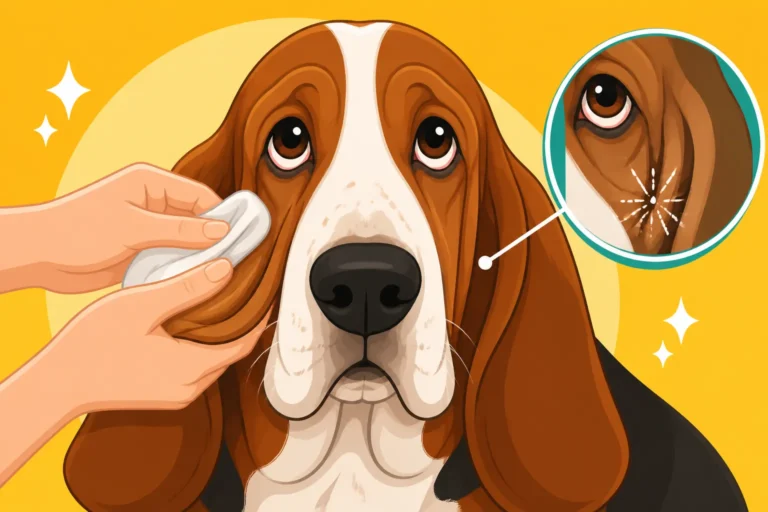
- Targeted Cleaning: For this kind of mess, you absolutely can wash the ear flaps separately. You don't need a full bath. Simply dampen a soft cloth with warm water and a tiny bit of mild, dog-safe shampoo. Gently wipe down the entire surface of the ear flap, from the tip down to where it meets the head. Be incredibly careful to keep the cloth away from the inner ear canal opening. Focus on the edges and the underside of the ear, which often get the dirtiest.
- Rinsing and Drying: Use a separate, clean, damp cloth to wipe away all shampoo residue. This is crucial to prevent skin irritation. Immediately follow with a dry, absorbent towel to thoroughly dry the ear flap. You can even use a cool setting on a blow dryer to ensure it's completely dry, especially in the deeper folds where the ear meets the skull. Trapped moisture here can lead to issues just as much as in the canal.
Specific Cleaning Products for Basset Ears
Beyond basic shampoo, there's a whole world of ear-specific products designed to maintain Basset ear health.
- Maintenance Cleaners: These are everyday solutions used to clean away wax, debris, and to help dry the ear canal. Many contain gentle antiseptics to prevent minor infections. Look for reputable brands like Virbac, Zymox, or Epi-Otic, often available on Chewy or Amazon.
- Drying Solutions: If your Basset loves to swim, or if you live in a very humid environment, a specific drying solution can be invaluable after any exposure to water. These are formulated to evaporate moisture quickly.
- Medicated Cleaners: If your Basset is prone to chronic ear infections, your vet might prescribe a medicated ear cleaner or drops. These often contain antifungal or antibacterial ingredients to treat or prevent specific types of infections. Never use these without veterinary guidance, as using the wrong medication can make things worse.
- Wipes for Outer Folds: For cleaning the outer ear folds and the skin around the ear, special dog wipes can be useful. These are pre-moistened and often contain gentle cleansing agents. They’re perfect for a quick spot clean or for wiping away drool that collects around the jowls and sometimes extends to the ear bases.
Establishing a Routine
The most effective approach to Basset Hound ear care isn't about one-off interventions; it's about a consistent routine. By establishing a regular schedule, you can prevent major problems from developing.
- Weekly Checks and Cleaning: Aim for at least a weekly visual inspection and gentle cleaning of your Basset's ears. This allows you to catch any redness, swelling, discharge, or foul odors early. How Often a Basset Hound's Ears Must Be Cleaned is usually more frequent than for other breeds.
- Post-Exposure Cleaning: Any time your Basset's ears get wet – after a swim, a particularly damp walk, or a very messy meal – a quick drying and cleaning session is in order.
- Making it a Positive Experience: Start early with puppies, handling their ears gently and frequently. Pair ear checks and cleanings with treats and praise to make it a positive ritual. This helps build a tolerance for handling, making future care much easier.
Here's a quick comparison of general bathing vs. separate ear washing/cleaning methods:
| Feature | Full Body Bath (General) | Separate Ear Flap Wash (Targeted) | Ear Canal Cleaning (Routine) |
|---|---|---|---|
| Primary Purpose | Clean entire dog's coat and skin | Remove external grime from ear flaps | Maintain health of inner ear canal |
| Frequency | As needed (e.g., every 4-8 weeks) | As needed (e.g., after messy outdoor play) | Weekly, or as directed by vet |
| Key Risk | Water/soap in ear canal | Minimal (if careful) | Irritation if product/method is wrong |
| Water Contact | High for body, minimal for ears (ideally) | Low, focused on outer flaps | Minimal direct water, uses cleaner solution |
| Products Used | Dog shampoo, conditioner | Mild dog shampoo & water on cloth | Veterinary-approved ear cleaner/drying solution |
| Protection Needed | Cotton balls, snood | None (focus on careful wiping) | None |
| Drying Importance | High (body & ears) | High (ear flaps) | High (ensure cleaner evaporates/dries) |
| Owner Effort | Moderate to High | Low | Low to Moderate |
The Bigger Picture: Beyond Just Washing
Understanding how to bathe your Basset Hound's ears is just one piece of the puzzle. Their unique anatomy means that ongoing, proactive care is non-negotiable for their long-term health and comfort.
Why Regular Ear Care Is Non-Negotiable
A Basset Hound's ears are more than just a genetic quirk; they're a responsibility. Their pendulous nature, combined with a narrow and L-shaped ear canal, makes them highly susceptible to chronic issues. Unlike dogs with upright ears where air circulates freely, Bassets' ears trap heat and moisture, creating a perfect breeding ground for bacteria and yeast. This is why Why a Basset Hound's Ear Canal Never Dries is a fundamental problem and why regular care becomes a life-long commitment.
Neglecting their ears can lead to a cycle of painful infections, expensive vet visits, and potentially long-term damage like thickening of the ear canal or even hearing loss. Many Bassets end up needing surgery if chronic infections are left unchecked, which can be a difficult and costly procedure. So, investing a little time each week into preventative care is truly one of the best things you can do for your beloved hound.
Monitoring for Trouble Signs
Being proactive also means being observant. Regular visual checks and quick sniffs of your Basset's ears can often alert you to a problem before it escalates.
- Redness or Swelling: The inside of a healthy Basset ear should be a pale, clean pink. Any redness, inflammation, or swelling, especially around the opening of the canal or on the ear flap itself, is a red flag.
- Discharge: Healthy ears might have a minimal amount of light brown waxy buildup. However, any excessive waxy discharge, especially if it's dark brown, black, yellow, or green, indicates a problem. Pay attention to the texture too – is it thick, crumbly, or pus-like?
- Odor: A healthy ear should have a very mild, almost neutral smell. A strong, pungent, sweet, or sour odor is a sure sign of infection. Many owners describe yeast infections as smelling "yeasty" or like old bread, while bacterial infections can smell more putrid. Whether a Basset Hound's Ear Smells Sweet or Sour often points to the type of infection.
- Behavioral Changes: Is your Basset shaking its head more than usual? Pawing or scratching at its ears? Rubbing its head along the furniture or ground? Whining when you touch its ears? These are all indicators of discomfort or pain that warrant immediate attention.
- Sensitivity or Pain: If your Basset flinches, yelps, or even growls when you try to examine its ears, it's a clear sign of pain.
If you notice any of these signs, don't delay. A quick vet visit can often nip an infection in the bud before it becomes a serious, chronic issue.
Professional Grooming and Vet Check-ups
While at-home care is essential, there are times when you need to call in the professionals.
- Professional Groomers: A professional groomer experienced with Basset Hounds can be a huge asset. They know how to handle those long ears, often have specialized drying equipment, and can give a thorough clean and inspection you might miss. They can also provide guidance on ear plucking, if necessary (though this is a controversial topic and not always recommended for Bassets). A good groomer will also be able to spot early signs of trouble that you might overlook and advise you to see a vet.
- Regular Veterinary Check-ups: Your veterinarian is your primary partner in maintaining your Basset's ear health. During routine check-ups, they will examine your dog's ears, often using an otoscope to look deep into the canal. They can identify problems early, recommend specific cleaning products, and prescribe medication if an infection is present. If your Basset suffers from recurrent ear infections, your vet can investigate underlying causes such as allergies (food or environmental) and suggest more advanced diagnostics like ear cultures or allergy testing. Remember, persistent ear issues aren't just a cleaning problem; they're often a symptom of a larger health concern.
By combining careful bath time practices, a diligent routine of ear cleaning, and regular professional oversight, you can significantly reduce the risk of ear problems and ensure your Basset Hound enjoys a life free from the constant irritation and pain that so many of this wonderful breed endure.
Disclaimer
This article is for general informational purposes only and does not constitute professional advice. Laws, prices and regulations vary by location and change over time. Consult a qualified professional for guidance on your specific situation.