Whether a Basset Hound’s Ear Tips Crack
It’s a heart-sinking moment for any Basset Hound owner: you’re giving your beloved hound some loving ear scratches, and suddenly your fingers brush against something rough, dry, and even cracked on those long, luxurious ear tips. It feels like just another worry in a long line of potential ear woes for our floppy-eared friends, and it leaves you wondering why these delicate areas are so prone to trouble. This guide will walk you through why Basset Hounds' ear tips can crack, what causes this uncomfortable issue, and most importantly, how to prevent and treat it, ensuring those beautiful ears stay soft and healthy.
Understanding the Delicate Nature of Basset Hound Ear Tips
Basset Hounds are iconic for their long, pendulous ears – a trait that, while undeniably charming, also makes them particularly susceptible to a host of unique challenges. These ears are not just an aesthetic feature; they are a vital part of their scenting ability, designed to sweep odors upwards towards their powerful noses. However, this design comes with its own set of care requirements, and when overlooked, even the ear tips can suffer.
Why Basset Hounds Are Prone to Ear Issues
Beyond the well-known struggles with ear infections, the very structure of a Basset Hound's ears sets them up for various dermatological concerns, including dryness and cracking at the tips. Their ears are incredibly long, often dragging on the ground, dipping into water bowls, and even getting stepped on by their own clumsy feet. This constant contact with the environment exposes the delicate skin on the ear tips to a lot of wear and tear. Unlike other parts of their body, the ear leather at the tips can be thinner and more exposed, lacking the protective fur density or oil glands found elsewhere.
Think about it: those ears are practically living vacuum cleaners for anything they encounter. Mud, dirt, harsh winds, dry air, even just repetitive contact with hard surfaces when they sleep or rest can all contribute to the breakdown of the skin barrier. The combination of their unique physiology and their active, nose-to-the-ground lifestyle means their ears are constantly challenged. It’s a frustrating reality that such a defining and beloved feature requires so much diligent care, and finding a cracked ear tip often feels like a sign you've somehow failed them, when in reality, it's just part of managing a Basset Hound's unique needs. We talk a lot about The Ear Infections That Never Really Leave a Basset Hound, but the skin itself needs just as much attention.
Identifying the Early Signs of Dry, Cracked Ear Tips
Catching ear tip issues early is key to preventing discomfort and more serious complications for your Basset Hound. Initially, you might just notice the skin feeling a bit rougher or drier than usual when you pet their ears. It might not look alarming, but that change in texture is your first warning sign. As it progresses, you could see tiny flakes, almost like dandruff, on the ear tips or the surrounding fur. The skin might start to look redder, irritated, or even develop small, hairline fissures.
Your Basset Hound might also start giving you clues through their behavior. Increased head shaking, pawing at their ears, or rubbing their head against furniture can all indicate discomfort. If the cracks become deeper, they can bleed, leading to scabbing and an increased risk of infection. Sometimes, you might even notice a faint odor if moisture gets trapped in the cracks, or if a yeast or bacterial infection begins to set in. It’s crucial to distinguish these signs from other common ear issues, but any change in the appearance or texture of their ear tips warrants investigation. Regular tactile checks, running your hands over every inch of those floppy ears, should be part of your routine What a Basset Hound Needs Every Day.
Common Causes Behind Cracked Ear Tips in Basset Hounds
Cracked ear tips aren't usually a random occurrence; they stem from a combination of environmental factors, dietary influences, and sometimes, underlying health concerns that compromise skin integrity. Understanding these root causes is the first step in effective prevention and treatment. It's often a puzzle trying to figure out exactly what's causing the problem for your specific hound.
Environmental Factors and Exposure
The environment your Basset Hound lives in and the activities they engage in play a huge role in the health of their ear tips. Cold, dry winter air, for example, can be incredibly harsh on exposed skin, leading to chapping and cracking much like it does on our own hands. Conversely, excessive sun exposure can also cause the delicate skin on the ear tips to dry out and become susceptible to damage, sometimes even leading to a sunburn. Consider Whether a Basset Hound's Ears Get Sunburned – it’s a real concern!
Physical trauma, even minor, repetitive friction, is another significant culprit. Basset Hounds love to root around with their noses to the ground, and their long ears often drag through bushes, scrape against rough terrain, or get snagged. They might also lie on hard floors, pressing their ear tips against abrasive surfaces for extended periods, especially if they prefer a cool spot. Even less obvious factors, like constant rubbing against a kennel wall or bumping into furniture, can contribute. If your Basset Hound steps on its own ear, it can create a tear or a point of friction that then starts to crack. It's an issue that often requires thinking about their daily habits and how those magnificent ears interact with their world.
Nutritional Deficiencies and Overall Skin Health
Just like us, a Basset Hound's skin health is a direct reflection of their internal well-being and, crucially, their diet. A deficiency in essential fatty acids, particularly Omega-3 and Omega-6, can manifest as dry, flaky skin, not just on their ear tips but all over their body. These fatty acids are vital for maintaining the skin's natural moisture barrier, keeping it supple and resilient. Without adequate levels, the skin becomes more fragile and prone to cracking.
Beyond fatty acids, certain vitamins and minerals, such as Vitamin E and Zinc, also play a critical role in skin health and wound healing. If your Basset Hound's diet isn't providing a complete and balanced nutritional profile, or if they have trouble absorbing these nutrients, their skin will show the signs. It's not always about feeding them "cheap" food; sometimes, even what seems like a good quality kibble might not be perfectly suited to your individual hound's needs, or they might simply benefit from an extra boost. This is why sometimes adding supplements or considering different food options, perhaps from brands like Ollie that offer fresh, balanced meals, or exploring specialized foods available on Chewy or Amazon, can make a real difference to their overall The Skin Under a Basset Hound's Folds and ear health.
Underlying Health Conditions
Sometimes, cracked ear tips aren't just a surface issue; they can be a symptom of a deeper, underlying health problem that requires veterinary attention. Allergies are a prime example. Basset Hounds can suffer from environmental allergies (pollen, dust mites) or food allergies, which often manifest as itchy, inflamed skin. Chronic scratching and irritation can then lead to dryness and cracking, especially on sensitive areas like ear tips. Whether a Basset Hound Gets Allergies is a common concern among owners, and skin issues are a classic sign.
Other conditions, though less common, can also contribute. Certain autoimmune diseases or endocrine disorders (like hypothyroidism, which Basset Hounds can be prone to) can affect skin cell turnover and oil production, leading to dry, brittle skin. Parasitic infestations, like ear mites, can cause intense itching and irritation, and while they usually affect the inner ear, the constant scratching can damage the tips. If you've tried basic preventative measures and the cracking persists or worsens, or if you see other symptoms like lethargy, changes in appetite, or excessive hair loss, it's always best to consult your veterinarian to rule out any systemic health issues.
Practical Strategies for Preventing and Treating Cracked Ear Tips
Once you've identified that your Basset Hound's ear tips are cracking, or if you want to be proactive in preventing it, there are several practical steps you can take. These strategies range from topical applications to dietary adjustments, all aimed at nurturing healthy skin.
Moisturizing and Protecting the Ear Leather
The most direct way to combat dry, cracked ear tips is through consistent moisturizing and protection. Think of it like applying lip balm to chapped lips – it's about hydrating the skin and creating a barrier. Specialized paw balms or canine-safe skin balms, often containing ingredients like shea butter, coconut oil, or beeswax, can be incredibly effective. Apply a small amount gently to the ear tips once or twice a day, especially during dry or cold weather. You can find excellent options on platforms like Chewy or Amazon. Make sure whatever you use is safe for dogs, as they're likely to try and lick it off!
Beyond moisturizing, physical protection can also play a role. If your Basset Hound is prone to ear tips dragging on rough surfaces or getting scratched, consider a soft snood, especially during walks in brushy areas or even at meal times to keep them out of food and water. This might sound a bit silly, but it creates a physical barrier against environmental stressors. In extremely cold or windy conditions, limiting outdoor exposure or using a dog coat with a hood that covers the ears can provide additional protection, much like we bundle up to protect our own skin. Remember, consistency is key – a little daily attention can prevent a lot of discomfort.
Dietary Adjustments and Supplements
What goes into your Basset Hound's body directly impacts the health of their skin, coat, and ears. If you suspect nutritional deficiencies are contributing to dry, cracked ear tips, consider evaluating their current diet. Look for high-quality dog foods that list meat as the first ingredient and contain a good balance of Omega-3 and Omega-6 fatty acids. Many premium brands prioritize skin and coat health in their formulations.
If their current food isn't quite cutting it, or if you want to provide an extra boost, supplements can be incredibly beneficial. Fish oil supplements, rich in Omega-3s, are fantastic for skin health, reducing inflammation and promoting a strong skin barrier. Look for reputable brands and always consult your vet for appropriate dosing based on your dog's size and needs. Whether a Basset Hound Needs Fish Oil is a question many owners ask, and for skin issues, the answer is often yes. Vitamin E supplements can also support skin integrity. When considering a diet change, always do so gradually over several days to avoid digestive upset. High-quality dog food and supplements are readily available from retailers like Chewy or Amazon, and some specialized fresh food services like Ollie tailor meals to your dog's specific needs, which can significantly improve overall skin health from the inside out.
When to Seek Veterinary Care
While many cases of dry or mildly cracked ear tips can be managed at home with good care, there are definitely times when a trip to the vet is absolutely necessary. If the cracks are deep, bleeding, or showing signs of infection (pus, strong foul odor, excessive redness, swelling), it's time to see a professional. Your vet can properly clean the area, prescribe antibiotics or antifungal medications if infection is present, and offer stronger topical treatments.
Moreover, if the cracking persists despite your best efforts with moisturizing and dietary changes, it’s crucial to investigate potential underlying health conditions. This is particularly true if you notice other symptoms like excessive itching, hair loss, lethargy, or changes in appetite or water intake. A veterinarian can perform diagnostic tests, such as skin scrapings to check for mites, allergy testing, or blood work to rule out endocrine issues like hypothyroidism. Early diagnosis and treatment of these underlying conditions will not only resolve the ear tip issue but also improve your Basset Hound's overall health and comfort. Sometimes, what seems like a minor skin problem can be a window into a larger health picture, and the peace of mind from a professional diagnosis is invaluable. For ongoing ear management, you might also be interested in What Ear Cleaner Costs a Basset Hound Owner Yearly.
Long-Term Care and Lifestyle Adjustments for Healthy Ears
Taking care of a Basset Hound's ears is a lifelong commitment, and while ear infections often get the most attention, ensuring the skin health of their ear tips is just as important. Integrating specific practices into your daily routine and making some lifestyle adjustments can prevent many common issues and keep those magnificent ears in top condition for years to come.
Routine Ear Care Beyond Cleaning
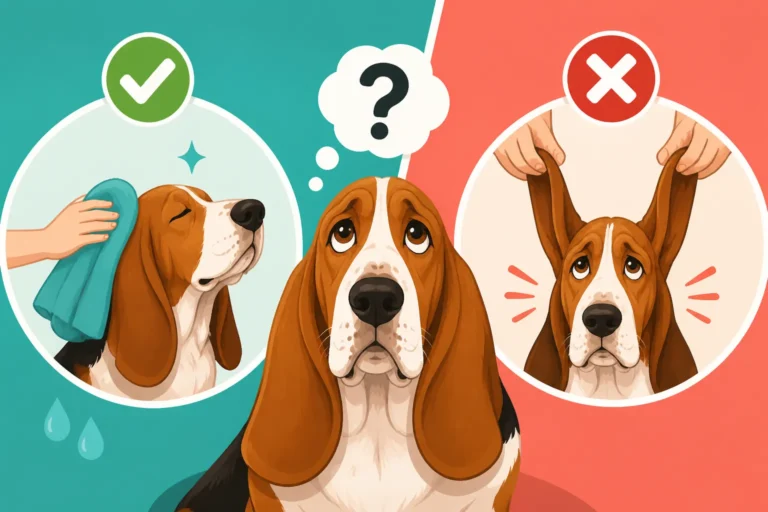
Most Basset Hound owners are well-versed in the necessity of regular ear cleaning to prevent infections. However, long-term ear care extends beyond just flushing out debris and wax. It involves a holistic approach to the ear leather itself. After cleaning their ears, gently dry the tips and inspect them for any signs of dryness, redness, or impending cracks. This routine inspection is crucial for early detection. Then, follow up with a light application of a canine-safe moisturizer or balm, especially focusing on the tips and edges. This helps maintain the skin's elasticity and moisture barrier.
Consider a gentle ear massage as well. It not only feels good for your Basset but also encourages blood circulation to the ear leather, which can promote healthy skin. Make it a positive experience with treats and praise, so your hound associates ear handling with comfort and rewards. This regular, gentle contact also makes them more amenable to necessary veterinary examinations or treatments down the line. It's about building a habit of comprehensive ear wellness, not just reactive cleaning when a problem arises. For more on general ear maintenance, check out How to Clean a Basset Hound's Ears Properly.
Creating a Basset-Friendly Home Environment
Your home environment can significantly impact the well-being of your Basset Hound's ears. Simple adjustments can make a big difference in preventing wear and tear on those delicate tips. If your hound loves to lounge on hard surfaces, consider providing soft, orthopedic beds or thick blankets in their favorite spots. This reduces the constant friction that can contribute to cracking. You might also want to ensure that their water and food bowls are designed to keep their ears out of the contents, preventing them from constantly getting wet and then drying out, which can lead to chapping.
During drier seasons, a humidifier in your home can add moisture to the air, benefiting not just your Basset's ear tips but their overall skin and respiratory health. Think about the surfaces they walk on and brush against in your yard too. Trimming back thorny bushes or sharp-edged plants can prevent scrapes and tears. Baby gates can be useful for limiting access to areas with rougher flooring if your Basset has a favorite hard spot they insist on sleeping on. It’s about creating a living space that acknowledges and accommodates their unique physical characteristics, ensuring those long ears are protected from everyday hazards.
The Importance of a Proactive Approach
When it comes to Basset Hound ear tips, a proactive approach truly is your best friend. Waiting until you see deep cracks or bleeding means your hound has likely been experiencing discomfort for a while. Regular checks, weekly moisturizing, and dietary support should be a consistent part of your care routine. Educate yourself on the early signs of trouble, and don't hesitate to reach out to your veterinarian if you're ever concerned.
This proactive mindset extends to all aspects of their health, including regular vet check-ups where their ears will be thoroughly examined. It's easy to get overwhelmed by all the potential health issues Basset Hounds can face, from The Back Trouble a Basset Hound Is Built Into to The Skin Under a Basset Hound's Folds, but tackling each potential problem with consistent, thoughtful care makes all the difference. By staying vigilant and making these simple, consistent care practices part of your routine, you can help ensure your Basset Hound enjoys a life free from the discomfort of cracked ear tips, allowing them to focus on what they do best: sniffing out adventure and showering you with affection.
Disclaimer
This article is for general informational purposes only and does not constitute professional advice. Laws, prices and regulations vary by location and change over time. Consult a qualified professional for guidance on your specific situation.