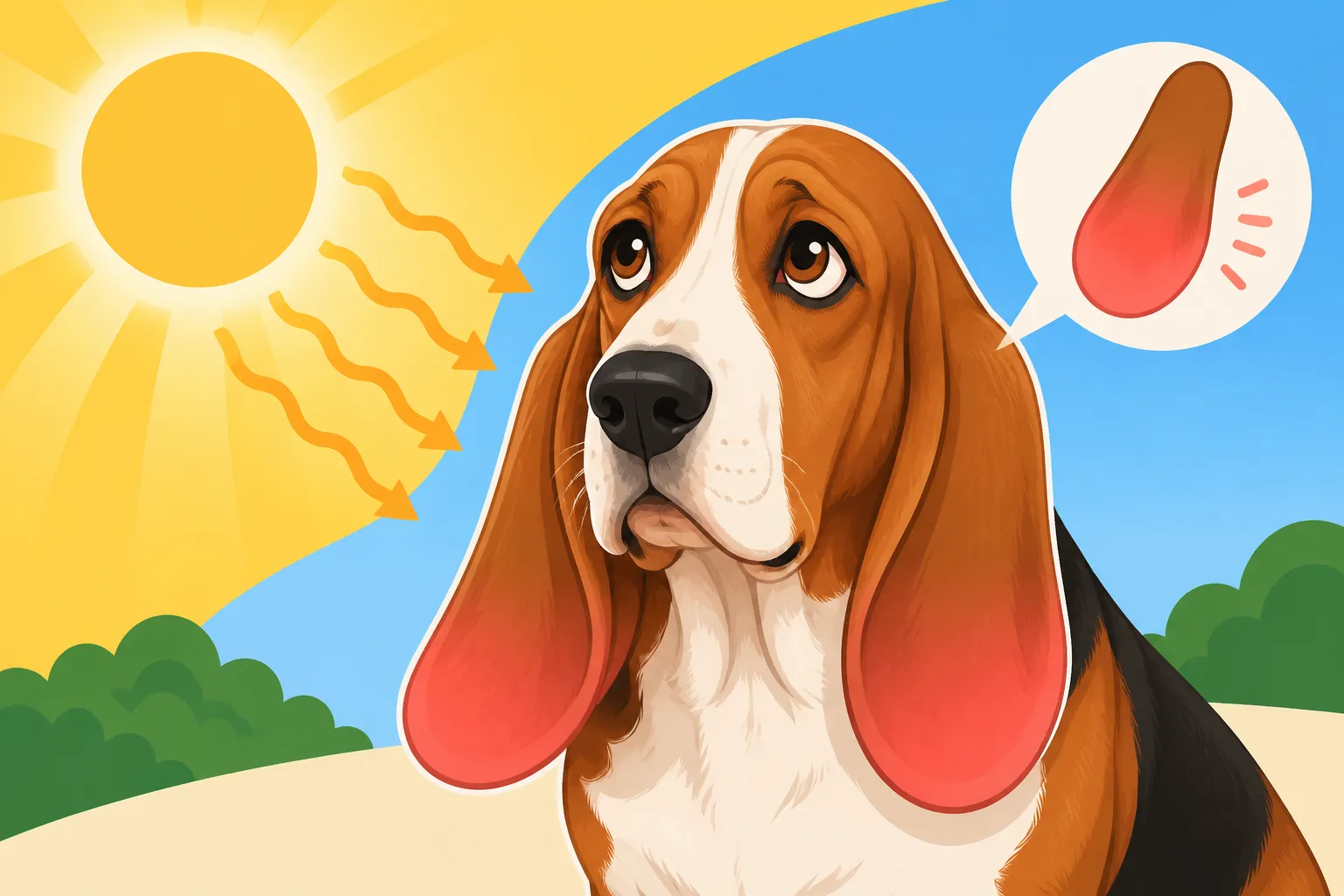
Whether a Basset Hound’s Ears Get Sunburned
It's a common misconception that our beloved Basset Hounds, with all their lovely wrinkles and loose skin, are somehow invulnerable to the elements. Many owners, myself included at one point, might not immediately consider sun protection for their floppy-eared companions. However, the truth is that a Basset Hound's ears are surprisingly delicate and highly susceptible to sunburn, leading to discomfort and potentially serious health issues if not properly protected. This guide will walk you through why their ears are at risk, how to spot sunburn, and most importantly, how to keep them safe from the sun's harmful rays.
The Unique Vulnerability of Basset Hound Ears to Sunburn
When you look at a Basset Hound, you see those magnificent, long, velvety ears. They're undeniably charming, but from a health perspective, they present a unique challenge, especially when it comes to sun exposure. Their anatomy and coat type make them particularly prone to the very same kind of damage that can afflict human skin.
Thin Skin and Sparse Hair Protection
Unlike some breeds with thick, dense fur covering every inch, a Basset Hound's ears often have remarkably thin skin, especially on the inner surfaces and edges. This skin is typically covered with very fine, sparse hair, which offers little to no natural protection against ultraviolet (UV) radiation. Think about how easily your own skin burns if it's not covered by clothing; it's very much the same for these delicate ear flaps. The thinness of the skin means the sun's rays penetrate more directly, causing damage quickly.
Furthermore, many Basset Hounds have lighter pigmentation on their ears, even if their overall coat is darker. This lighter skin, often pinkish or pale, contains less melanin, the natural pigment that provides some degree of UV protection. This combination of thin skin, sparse hair, and often lighter pigmentation creates a perfect storm for sunburn. It’s a factor often overlooked when considering their daily care routines, yet it's as crucial as understanding how to maintain their general ear hygiene, like in topics such as How Often a Basset Hound's Ears Must Be Cleaned.
The Anatomy of Ear Exposure
Those long, heavy ears are designed to help a Basset Hound track scents, sweeping the ground and funneling odors towards their powerful nose. But this very design also means they spend a good deal of time exposed to the sun. When your Basset is trotting along, those ears are often flopping or fanned out. When they lie down for a nap in a sunny spot, their ears might be splayed wide, exposing the delicate underside and edges directly to the sun for extended periods.
Consider a Basset Hound lounging in the backyard. Their body might be shaded by a tree or the porch, but their ears, especially if they're lying on their side, can easily catch the direct sunlight. This constant or intermittent exposure, over time, can accumulate damage. It’s not just about one day at the beach; even routine outdoor activities in your garden can contribute to the risk. This physical exposure is a key reason why sun protection for their ears should be a regular consideration for any Basset owner.
Identifying and Understanding Sunburn in Basset Hounds
Recognizing sunburn in your Basset Hound is the first step toward effective treatment and future prevention. It’s not always as obvious as a bright red, peeling human sunburn, and understanding the risks associated with it is paramount for their long-term health.
Signs and Symptoms of Canine Sunburn
Just like us, Basset Hounds can get a range of sunburn severities. Mild sunburn might manifest as slight redness and warmth to the touch on the ear flaps. You might notice your dog scratching or shaking its head a bit more than usual, an attempt to alleviate the irritation. As the sunburn becomes more severe, the skin can become very red, tender, and even swollen. You might see small blisters form, or the skin might peel, much like our own skin does after a bad burn.
In some cases, the skin can appear crusty or even develop open sores, which are particularly dangerous because they can easily become infected. Pay close attention to the edges and tips of the ears, as these are often the most exposed and vulnerable areas. If your Basset Hound usually enjoys having their ears stroked but suddenly flinches or pulls away when you touch them, it’s a strong indicator of pain and potential sunburn. This is particularly important because ear discomfort can also be a sign of other issues, such as The Signs a Basset Hound's Ear Has Gone Bad, so careful observation is key.
Short-Term Discomfort and Long-Term Risks
The immediate impact of sunburn on your Basset Hound is pain and discomfort. Imagine how miserable you feel with a bad sunburn – your dog feels the same. This can lead to lethargy, loss of appetite, and general irritability. They might seek out cooler, darker places to rest, trying to escape the lingering warmth and tenderness.
However, the more alarming consequences of repeated sun exposure are the long-term health risks, particularly the increased likelihood of developing skin cancer. Basset Hounds, especially those with lighter pigmentation, are at a higher risk for certain types of skin cancer, such as squamous cell carcinoma or hemangiosarcoma, which often appear on sun-exposed areas like the ears and nose. These cancers can be aggressive and may require extensive veterinary treatment, including surgery. Therefore, a seemingly minor sunburn today could contribute to a much more serious problem down the line. Preventative measures are not just about comfort; they're about protecting their lifespan, which typically ranges from The Ten to Twelve Years a Basset Hound Lives.
Breeds Most at Risk
While Basset Hounds are certainly on the list due to their ear structure and often lighter pigmentation, they're not alone. Breeds with short, thin coats, white or light-colored fur, or those with naturally sparse hair on certain body parts are generally more susceptible to sunburn. This includes breeds like Boxers, Dalmatians, Greyhounds, and white Bull Terriers. However, even a Basset Hound with a darker coat can have light pink skin underneath that is still prone to burning, especially on those ear flaps and around the nose.
The important takeaway is that if your dog has any areas of skin that are not densely covered by fur, or if they have lighter skin pigment, they are at risk. It's not just about what breed they are, but their individual characteristics and how much time they spend outdoors in the sun.
Practical Strategies for Protecting Those Precious Ears
Protecting your Basset Hound's ears from the sun doesn't have to be complicated. With a few simple adjustments to your routine and some helpful tools, you can significantly reduce their risk of sunburn and keep them comfortable and healthy.
Timing Walks and Outdoor Play
One of the easiest and most effective ways to prevent sunburn is to be mindful of when you take your Basset Hound outside. The sun's UV rays are strongest between 10 AM and 4 PM. During these hours, especially on clear, sunny days, it's best to limit direct sun exposure. Schedule walks for early morning or late afternoon/early evening when the sun is lower in the sky and its rays are less intense.
If your Basset loves to lounge in the yard, make sure they have access to ample shade during peak hours. This could mean a shady tree, a covered patio, or even bringing them indoors for a siesta. Remember, direct sunlight isn't the only concern; reflective surfaces like concrete or water can also amplify UV exposure. Taking proactive steps can often prevent the need for costly emergency visits, a concern many owners have about What a Basset Hound's Emergency Surgeries Cost.
Canine-Specific Sunscreen Application
Yes, there is sunscreen for dogs, and it can be a lifesaver for those vulnerable Basset Hound ears! However, it's absolutely crucial to use only products specifically formulated for canines. Human sunscreens often contain zinc oxide or para-aminobenzoic acid (PABA), which can be toxic if ingested by dogs. Since Basset Hounds might lick their ears or rub them, consuming these ingredients is a real risk.
Look for dog-safe sunscreens that are non-toxic, fragrance-free, and ideally, waterproof. Active ingredients like titanium dioxide are generally considered safer for dogs. Apply a thin layer to the top and underside of their ear flaps, paying special attention to the edges, tips, and any areas with sparse hair or pink skin. Reapply every 2-4 hours, especially if your Basset has been swimming or is particularly active. Always do a small patch test first to ensure your dog doesn't have an adverse reaction. Many pet parents find that using a reliable pet insurance like Healthy Paws offers great peace of mind if unforeseen conditions like severe sunburn lead to vet visits.
Protective Gear and Shade Solutions
Beyond sunscreen, there are several physical barriers you can use to protect your Basset Hound's ears:
- Snoods: These fabric tubes are often used to keep long ears out of food and water bowls, but they can also serve as excellent sun protection. Look for lightweight, breathable fabrics with a high UPF (Ultraviolet Protection Factor) rating. A snood covers the entire ear, offering a physical barrier against the sun. This is particularly useful for breeds like Basset Hounds where Whether a Snood Helps a Basset Hound at Dinner is a common consideration, making it a dual-purpose item.
- Hats/Visors: While some Bassets might tolerate them better than others, dog hats or visors designed with ear holes can provide shade for the top of the head and upper ear flaps.
- Shade Structures: If your Basset loves to be outdoors, consider setting up a dog-friendly tent, an outdoor umbrella, or ensuring a large, shady area is always accessible in your yard. Even a raised cot under a tree can offer significant relief and protection.
- Protective Clothing: For Bassets who spend a lot of time outdoors in very bright conditions, specialized UV-protective dog clothing might be an option, especially if they have other sensitive skin areas. Remember, their coat can be quite thin, and while Whether a Basset Hound Needs a Coat in Winter is a common question, summer protection is equally vital.
Choosing the right protective gear might involve some trial and error, as every Basset Hound has their own personality. The key is to introduce these items slowly and positively, using treats and praise to create a good association.
Here's a quick overview of ear protection considerations:
| Factor | High Risk Basset Hounds | Lower Risk Basset Hounds | Protective Measures |
|---|---|---|---|
| Ear Pigmentation | Light pink, pale | Darker, mottled | Canine sunscreen, snoods |
| Hair Coverage | Sparse, very fine hair | Denser, coarser hair | Canine sunscreen, snoods |
| Outdoor Habits | Loves sunbathing, long outdoor sessions | Prefers shade, shorter outdoor stints | Time walks strategically, provide shade, use gear |
| Activity Level | High activity, frequent outdoor play | Moderate to low activity | Frequent reapplication of sunscreen, durable gear |
| Prior Sunburns | History of past sunburns | No history of sunburns | Strict adherence to all preventative measures, vet checkups |
When Sunburn Becomes a Veterinary Concern
While most mild sunburns can be managed at home with soothing remedies and diligent prevention, there are times when a sunburn requires immediate professional attention. Knowing when to call your vet can prevent complications and ensure your Basset Hound receives the best possible care.
Recognizing When to Seek Professional Help
If you notice any of the following signs, it's time to contact your veterinarian without delay:
- Severe Redness and Swelling: If the ears are intensely red, hot to the touch, and significantly swollen, it indicates a more severe burn.
- Blistering or Open Sores: Any blistering, weeping, or open wounds on the ears are serious and require immediate veterinary evaluation to prevent infection.
- Pain and Discomfort: If your Basset Hound is exhibiting extreme pain when their ears are touched, constantly shaking their head, or showing signs of distress beyond mild irritation.
- Lethargy or Fever: Systemic signs like unusual tiredness, loss of appetite, vomiting, or a fever could indicate a more widespread reaction or infection.
- Signs of Infection: Pus, foul odor, or increasing redness and pain around the burned area are classic signs of a secondary bacterial infection that needs antibiotics. These can be similar to other ear issues, so a vet visit is crucial. For example, if you're concerned about The Ear Infections That Never Really Leave a Basset Hound, adding sunburn to the mix only exacerbates the problem.
Never attempt to self-diagnose or treat severe sunburn with human medications, as these can be toxic to dogs. Your vet is the best resource for safe and effective treatment. It’s also wise to consider the long-term cost implications of such treatments; pet insurance from providers like Healthy Paws can be an invaluable asset in these unexpected situations.
Treatment Options for Sunburned Ears
When you bring your Basset Hound to the vet for sunburn, they will assess the severity of the burn and recommend an appropriate course of treatment. This might include:
- Pain Relief: Non-steroidal anti-inflammatory drugs (NSAIDs) prescribed specifically for dogs can help manage pain and reduce inflammation.
- Topical Treatments: Medicated creams or sprays might be prescribed to soothe the skin, promote healing, and prevent infection.
- Antibiotics: If a secondary bacterial infection is present, oral or topical antibiotics will be necessary. Skin infections, especially in their folds, are already a concern for Basset Hounds, as highlighted in topics like The Skin Under a Basset Hound's Folds, and sunburn only adds another layer of risk.
- Fluid Therapy: In severe cases, particularly if the dog is dehydrated or showing signs of systemic illness, intravenous fluids might be administered.
- Bandaging: In some instances, protective bandaging might be used to keep the ears clean and prevent further trauma or licking.
The goal of treatment is not only to alleviate discomfort but also to prevent long-term damage and potential complications like skin cancer.
Prevention as the Best Cure
Ultimately, preventing sunburn is far easier and healthier than treating it. Integrating sun protection into your daily routine is a small effort that yields significant benefits for your Basset Hound's well-being. Think of it as another crucial aspect of their overall care, alongside proper nutrition, regular exercise, and grooming.
By being diligent about timing outdoor activities, applying canine-specific sunscreen, and utilizing protective gear, you're not just preventing a painful burn; you're safeguarding your Basset Hound from serious long-term health issues. Remember to always consult your vet for personalized advice, especially if your Basset Hound has particularly sensitive skin or a history of skin problems. Healthy Paws and similar pet insurance options can also help manage the financial burden if, despite your best efforts, a health issue arises.
Disclaimer
The information provided in this article is for general informational purposes only and is not a substitute for professional veterinary advice. Always consult with a qualified veterinarian regarding any medical conditions or health concerns your Basset Hound may have.