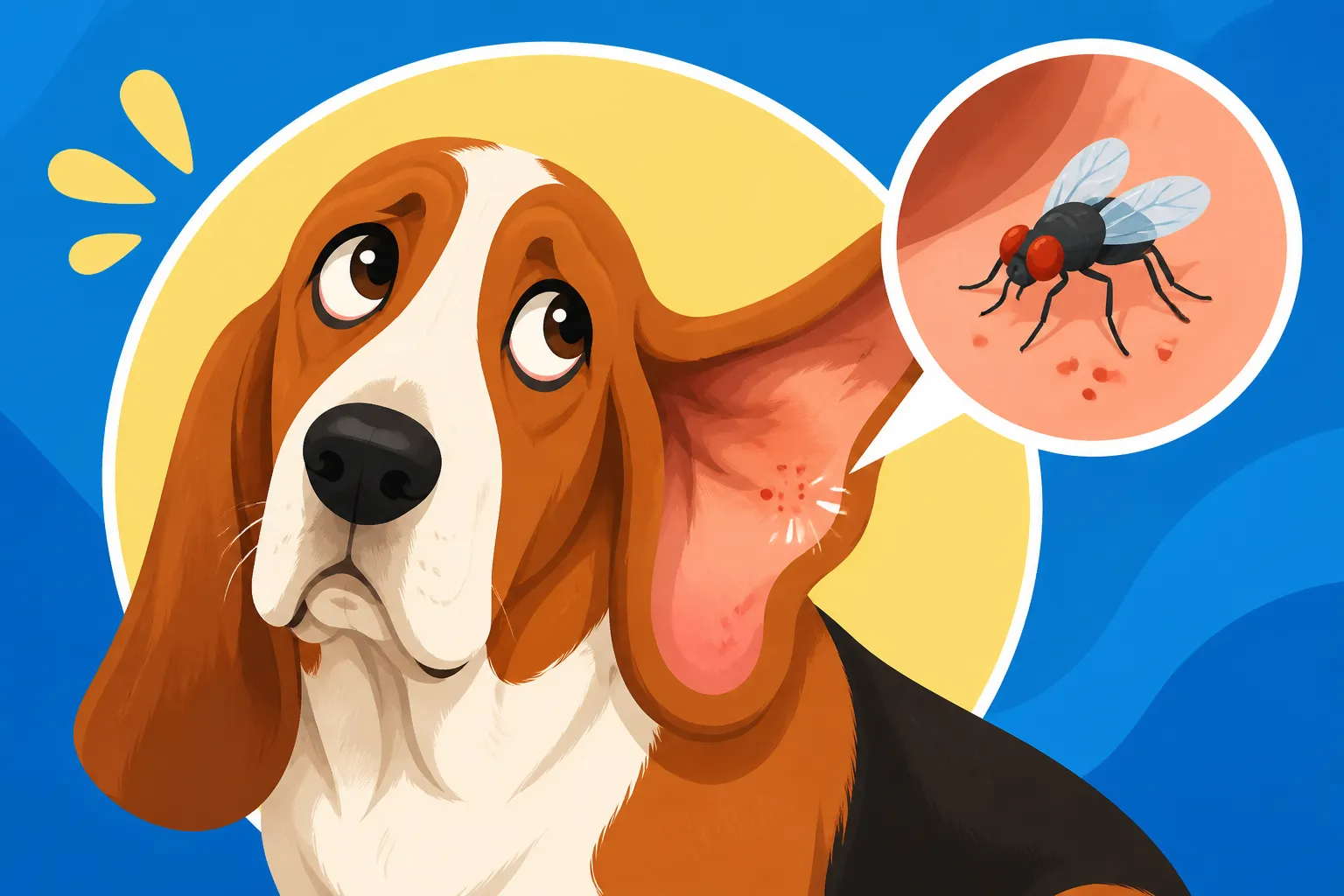
Whether Flies Bite a Basset Hound’s Ears
It's a frustrating, often heartbreaking sight to see your beloved Basset Hound's beautiful, long ears marred by nasty bites and scabs, especially when you're doing everything you can to keep them comfortable. Fly bites on a Basset Hound's ears are a surprisingly common and incredibly painful problem, often leading to secondary infections and a lot of discomfort for your furry friend. This guide will dive deep into why these bites occur, how to effectively prevent them, and what steps you can take to treat your Basset's ears when those pesky flies strike.
The Frustration of Fly Bites on Basset Hound Ears
As a Basset Hound owner, you know their ears are truly magnificent – long, velvety, and endlessly expressive. But these very features, unfortunately, make them prime targets for biting insects, particularly flies, during warmer months. It's not just an aesthetic issue; fly bites can lead to considerable pain, irritation, and even serious health complications if left unaddressed. It’s a constant battle, and one that often feels unfair given how much we dote on these floppy-eared companions.
Why Basset Hounds Are Particularly Susceptible
Let's be honest, Basset Hounds are practically designed to collect every speck of scent – and every passing fly – with those magnificent ears. Their long, pendulous ears hang low, often dragging on the ground, through tall grass, or even in puddles. This creates a warm, moist environment that flies absolutely adore. The skin on their ears is also relatively thin and delicate, making it easier for flies to bite and cause irritation. Unlike dogs with prick ears or shorter flaps, a Basset’s ears don’t get much air circulation, which can compound any skin issues that arise from bites.
Beyond the physical structure, Basset Hounds often spend a good deal of time outdoors, sniffing every intriguing scent that crosses their path. Whether it's in the backyard, on a leisurely walk through the park, or even just lounging on the porch, their low-slung bodies and keen noses put them right in the zone for fly activity. This combination of physical vulnerability and outdoor habits makes them incredibly attractive targets for various biting insects, especially during peak fly season. It's a genuine struggle for owners who want their Bassets to enjoy the outdoors without suffering the consequences.
Recognizing the Signs of Fly Bite Dermatitis
Fly bites aren't always immediately obvious, but they quickly progress from minor irritations to more severe issues. Initially, you might just notice tiny red bumps, similar to mosquito bites on human skin. Your Basset might start shaking its head more frequently or scratching at its ears with a back paw. This is often the first subtle clue that something is amiss.
As the flies continue to bite, these initial bumps can become crusted and scabbed over, especially around the edges and tips of the ears. You might see small, dark spots where the flies have fed, and the constant irritation can lead to your Basset rubbing or scratching the area, turning minor bites into open sores. If these open sores aren't cleaned and treated, they are incredibly prone to secondary bacterial infections, which can manifest as pus, a foul odor, swelling, and even fever. At this stage, your Basset will be in considerable pain, often flinching when you try to touch their ears, and the problem can escalate rapidly. Early recognition is key to preventing a minor annoyance from becoming a serious medical concern.
Effective Strategies for Prevention and Treatment
Dealing with fly bites effectively requires a two-pronged approach: diligent prevention to keep those flies away in the first place, and prompt, gentle treatment when bites inevitably occur. It's about creating a protective barrier and having a solid plan for relief.
Keeping Flies at Bay: Environmental Controls and Repellents
Preventing fly bites often starts with managing their environment. Flies are attracted to decaying organic matter, so keeping your yard clean is paramount. Regular poop scooping, promptly disposing of garbage, and ensuring your outdoor trash cans are sealed tightly can significantly reduce fly populations around your home. If you have compost bins, make sure they are well-maintained and not attracting insects. For persistent fly issues, you might consider non-toxic fly traps or sticky traps placed strategically in areas where flies congregate, away from where your Basset roams.
When it comes to direct protection, topical fly repellents can be a lifesaver. There's a wide range of products available, from natural options containing essential oils (always check for dog-safe formulas and consult your vet before using, as some essential oils can be toxic to dogs) to more robust chemical repellents. Look for sprays or wipes specifically designed for dogs and formulated to repel flies, gnats, and mosquitoes. You can find a good selection of these on sites like Chewy or Amazon. Always apply repellents according to the manufacturer's instructions, paying close attention to the ears, and avoid getting them in your Basset's eyes or mouth. It's often best to test a small area first to ensure your dog doesn't have a sensitivity. Remember, consistency is key during peak fly season.
Soothing and Healing Affected Ears
Once bites have occurred, the focus shifts to soothing the irritation and promoting healing. The first step is gentle cleaning. Using a mild antiseptic solution, such as diluted chlorhexidine or povidone-iodine (again, specifically formulated or approved for pets), carefully clean the affected areas to remove any crusts, dirt, or bacteria. Be incredibly gentle, as the ears will likely be sore. After cleaning, thoroughly pat the ears dry. Allowing moisture to linger can exacerbate skin problems. You can learn more about proper ear care in How to Clean a Basset Hound's Ears Properly.
For minor bites and scabs, a thin layer of a veterinarian-approved topical antibiotic ointment or a soothing, anti-itch cream can work wonders. Products containing hydrocortisone can reduce inflammation and itchiness, providing much-needed relief. Always check with your vet before applying anything new, as some human products are not safe for dogs. If the bites are more severe, with open wounds, deep scabs, or signs of secondary infection like pus or excessive swelling, a trip to the vet is absolutely necessary. They may prescribe oral antibiotics or stronger anti-inflammatory medications. While the ears are healing, consider using a snood – a fabric tube that covers the ears – especially when your Basset is outdoors. This not only keeps the healing skin protected from further fly attacks but also prevents them from scratching or rubbing the delicate area. You can find various snoods on Amazon designed for dogs with long ears.
Long-Term Management and Advanced Care
Dealing with fly bites isn't just about reacting when they happen; it's about establishing a proactive approach that protects your Basset Hound year-round. Thinking ahead can save your dog a lot of discomfort and you a lot of worry.
The Importance of Consistent Routine and Monitoring
For Basset Hounds, consistent ear care is not just a recommendation; it's a necessity. Their long, heavy ears are prone to many issues, and fly bite dermatitis is just one of them. Establishing a daily routine of checking your Basset's ears, especially during warmer months, can catch problems early. A quick visual inspection, gently lifting the ear flap, and a sniff for any unusual odors can tell you a lot. Look for any redness, swelling, small bumps, or scabs. This routine allows you to address minor bites before they become infected or severely irritated.
Beyond visual checks, incorporating regular ear cleaning into your grooming schedule is vital. Even without active fly bites, keeping the ears clean and dry can deter flies and maintain overall ear health. Consult your vet for the best ear cleaner for your Basset, as some are specifically formulated to dry the ear canal and help prevent moisture build-up, which can attract insects. Which Ear Cleaner Suits a Basset Hound provides more insights into suitable products. Consistent care helps create a less hospitable environment for flies and ensures your Basset's ears stay as healthy as possible.
When to Consult Your Veterinarian
While many fly bites can be managed at home with diligent care, there are definite red flags that signal it's time to call your veterinarian. If you notice persistent bleeding, deep lacerations, or widespread open sores that don't seem to be healing within a few days of home treatment, it's crucial to seek professional help. Signs of a severe secondary infection, such as thick yellow or green discharge, a strong foul odor, significant swelling, heat emanating from the ears, or your Basset being unusually lethargic or having a fever, all warrant immediate veterinary attention. These could indicate a bacterial or fungal infection that requires prescription antibiotics or antifungals.
Moreover, if your Basset Hound is in obvious pain, constantly shaking their head, crying out when their ears are touched, or if the problem seems to be spreading beyond the ear tips, do not delay. A vet can accurately diagnose the extent of the damage, prescribe appropriate medications, and ensure there are no other underlying issues contributing to the problem. In some severe cases, a veterinarian might even recommend a mild sedative to allow for thorough cleaning and treatment if your Basset is too painful to handle. Don't underestimate the potential for complications from seemingly simple fly bites. You can find out more about what to watch for in The Signs a Basset Hound's Ear Has Gone Bad.
Preventing Future Episodes and Ensuring Comfort
The best offense is a good defense, especially when it comes to protecting your Basset Hound's sensitive ears. Implementing proactive measures and making a few lifestyle adjustments can drastically reduce the likelihood of future fly bite incidents.
Proactive Measures and Lifestyle Adjustments
Beyond just reacting to fly season, think about year-round fly control around your home. Consider investing in a good quality fly spray for outdoor areas that is safe for pets, or explore natural deterrents like certain plants that flies dislike (e.g., citronella, lavender, basil – just ensure they aren't toxic if ingested by your dog). For indoor comfort, screen doors and windows are a must to prevent flies from entering your home and bothering your Basset, especially if they enjoy napping near open windows.
Think about your Basset's outdoor routine. Are they spending hours in tall, damp grass where flies are more prevalent? Perhaps adjusting their walk times to avoid the peak activity hours of flies (often dawn and dusk) could help. Creating shaded, fly-free areas in your yard where your Basset can relax, perhaps with a fan to circulate air and deter insects, can make a big difference. Keeping their general skin and coat healthy through good nutrition can also improve their resilience, though this is less direct for fly bites. High-quality food options available from brands like Ollie (though primarily focused on diet, overall health can impact skin) or a range of specialized skin and coat supplements on Chewy can contribute to overall skin barrier health.
Protecting Your Basset Hound's Delicate Ears
Your Basset's ears are truly a marvel, but they also require a little extra protection to stay healthy and bite-free. One of the most effective and low-tech solutions is a dog snood. These fabric coverings gently hold the ears up and out of the way, preventing them from dragging on the ground, getting into food and water, and, crucially, offering a physical barrier against biting insects. They are particularly useful during walks through wooded or grassy areas, or simply when your Basset is lounging outdoors. You can find a variety of styles and materials for snoods on Amazon, often specifically designed for breeds with long ears like Basset Hounds. Whether a Basset Hound Needs a Snood at Dinner covers how these can be useful in other contexts too.
Beyond snoods, be mindful of where your Basset is resting. Hard surfaces can lead to calluses, and damp, dirty areas are breeding grounds for flies. Providing soft, clean bedding, especially for outdoor lounging, can help. Regularly checking the skin under your Basset's folds, including their facial wrinkles and neck, is also important, as these areas can harbor moisture and bacteria, leading to other skin issues that could compound problems from fly bites. The Skin Under a Basset Hound's Folds offers more detail on this often-overlooked area. By being proactive and implementing these protective measures, you can ensure your Basset Hound enjoys their outdoor adventures without the constant irritation and pain of fly bites.
| Prevention Method | Description | Benefits | Considerations |
|---|---|---|---|
| Environmental Control | Keeping yard clean, disposing of waste, fly traps. | Reduces overall fly population. Less chemical use. | Requires consistent effort. May not eliminate all flies. |
| Topical Repellents | Sprays or wipes applied to ears and body. | Direct protection on the dog. | Must be dog-safe. Requires frequent reapplication. |
| Dog Snoods | Fabric coverings that protect the ears. | Physical barrier. Prevents dragging/soiling ears. | Some dogs may resist wearing them. |
| Adjusting Outdoor Times | Avoiding dawn/dusk when flies are most active. | Reduces exposure to peak fly periods. | Limits outdoor activity times. |
| Clean Bedding | Providing clean, soft resting spots, especially outdoors. | Less attractive to flies. Improves hygiene. | Needs regular washing/maintenance. |
Disclaimer
This article is for general informational purposes only and does not constitute professional advice. Laws, prices and regulations vary by location and change over time. Consult a qualified professional for guidance on your specific situation.