How Much a Basset Hound Puppy Eats at Four Months
Bringing home a four-month-old Basset Hound puppy is an absolute joy, but it often comes with a heap of questions, especially when it comes to feeding. Many new owners find themselves staring at a bag of kibble, scratching their heads, and wondering if they're feeding too much, too little, or just right for their growing, floppy-eared companion. This guide will cut through the confusion and help you understand precisely what your four-month-old Basset Hound puppy needs to eat to thrive.
Understanding Your Basset Puppy's Growth and Nutritional Needs
At four months old, your Basset Hound puppy is in a crucial stage of development. They're no longer the tiny, wobbly newborn, but they're still far from a full-grown adult. This period is marked by rapid bone development, muscle growth, and the consolidation of their immune system. Their unique Basset Hound build, characterized by those adorably short legs and long body, means their nutritional needs are slightly different from a more typically proportioned dog.
The Dynamics of Rapid Growth in a Basset Hound Puppy
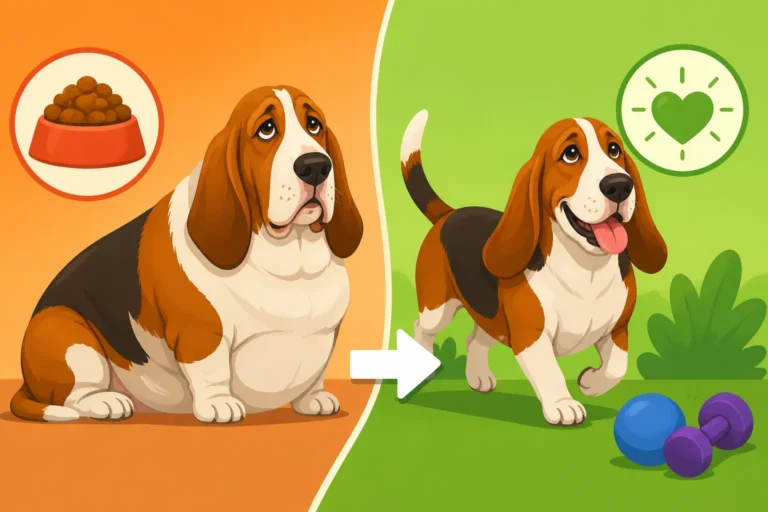
Imagine a four-month-old Basset puppy; they're still quite active, exploring the world with their incredible nose, and their bodies are like little sponges, soaking up nutrients to build strong foundations. Unlike some larger breeds that have specific "large breed puppy" food requirements to slow their growth and protect their joints, Basset Hounds, while substantial in bone and weight, don't typically need growth-restricted formulas. Their growth is mostly about getting stronger and filling out their unique frame. The challenge is often preventing them from growing too quickly in fat, which can put undue stress on their developing joints. This is a common worry for many Basset owners, as these dogs are notoriously food-motivated and can easily become overweight if portions aren't managed carefully. The goal here is steady, healthy growth, not rapid bulk.
Essential Nutrients for Developing Basset Hounds
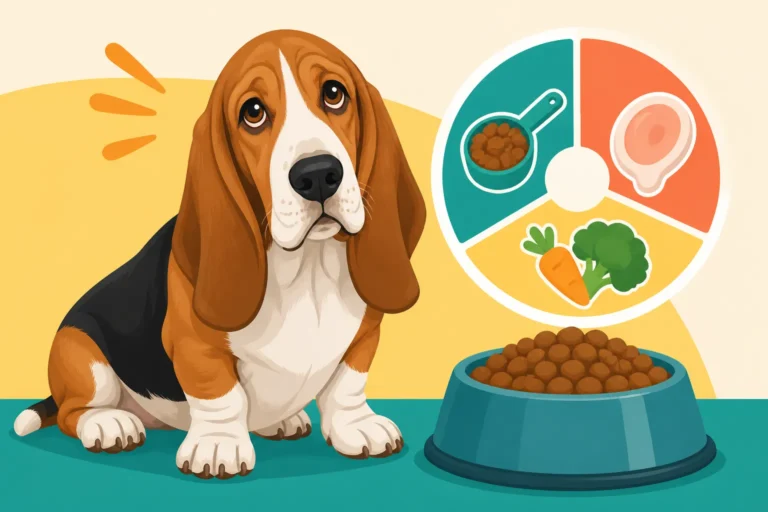
A balanced diet for a four-month-old Basset puppy should provide a good mix of protein, fats, carbohydrates, vitamins, and minerals. Protein is the building block for muscles and tissues, while fats provide concentrated energy and help absorb fat-soluble vitamins. Carbohydrates fuel their playful energy, and a precise balance of calcium and phosphorus is vital for strong bone development – especially crucial for a breed with their distinctive skeletal structure. You'll often see terms like "DHA" for brain development or "prebiotics" for gut health on puppy food labels, all of which contribute to their overall well-being. Look for puppy formulas specifically designed for medium to large breeds, as these will have the appropriate nutritional profile. Brands often tailor their foods to these stages, ensuring your pup gets what they need without you having to be a canine nutritionist.
General Feeding Guidelines for a Four-Month-Old Basset Hound
When it comes to the nitty-gritty of feeding, there isn't a one-size-fits-all answer, but there are excellent guidelines to follow. Most puppy food manufacturers provide feeding charts on their packaging, usually based on the puppy's current weight and anticipated adult weight. For a four-month-old Basset, you're generally looking at three meals a day.
Deciphering Puppy Food Labels and Portions
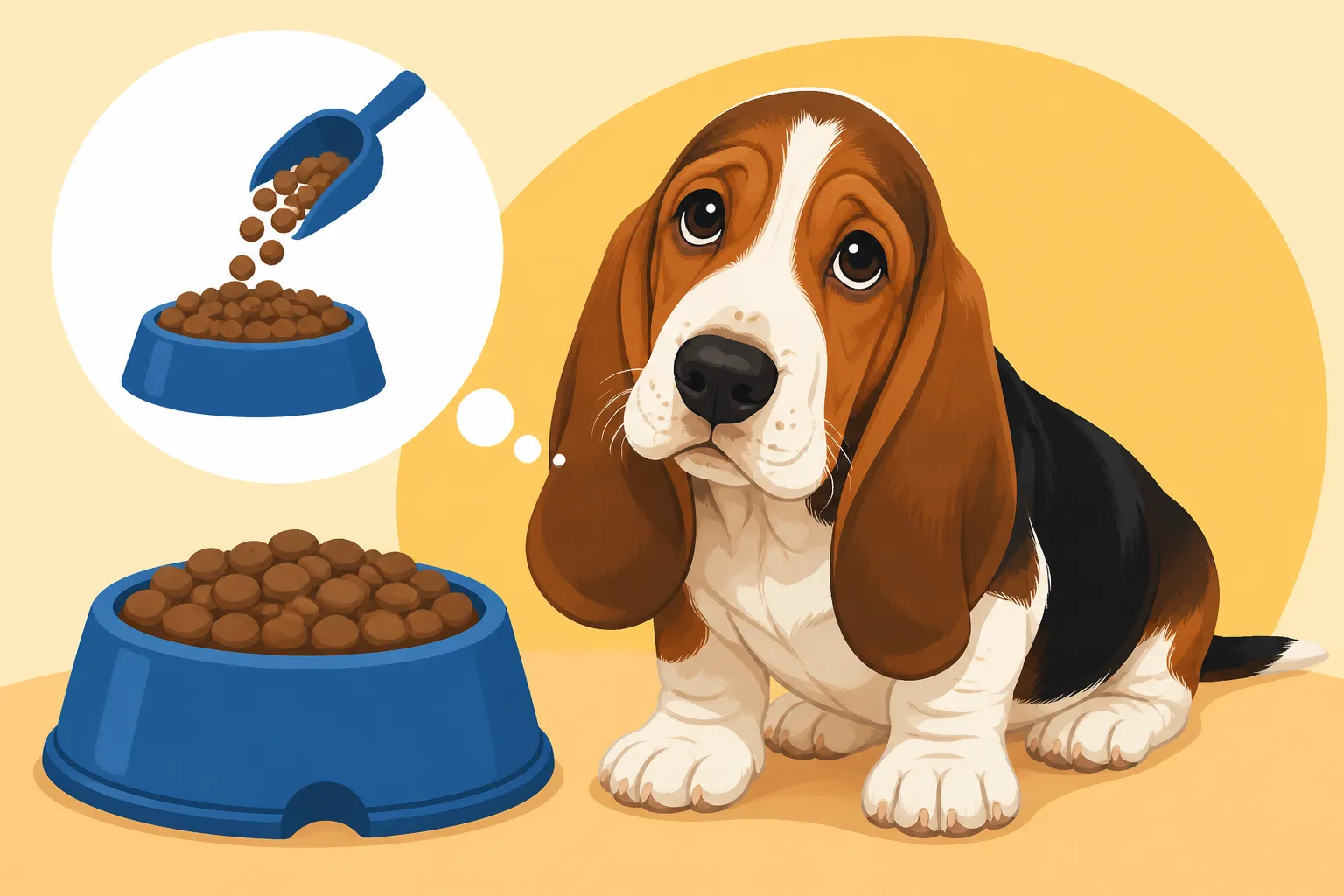
Reading a puppy food label can feel like trying to solve a puzzle, especially with all the numbers and percentages. The most important part for you will be the feeding chart, which typically suggests a daily amount based on your puppy's current weight. Let's say your four-month-old Basset weighs around 25-30 pounds, which is a common range. The bag might recommend feeding, for example, 2.5 to 3.5 cups of food per day. Your job is to take that daily total and divide it into three equal meals. So, if the recommendation is 3 cups a day, that's 1 cup per meal. Always use a standard measuring cup, not just any random scoop from the kitchen. Eyeballing it can lead to significant over or underfeeding over time. Remember, these are starting points. Your individual puppy's needs may vary slightly, which we'll get into next. You might find a great selection of foods and measuring tools on sites like Chewy or Amazon, making it easier to stick to consistent portions.
Ideal Meal Schedule for Young Bassets
Consistency is key when feeding a growing puppy. A regular feeding schedule helps with digestion, metabolism, and even house training. At four months, three meals a day is typically best, spread out evenly. A common schedule might look like this:
| Meal Time | Example Portion (Daily Total 3 cups) | Notes |
|---|---|---|
| Morning | 1 cup | Offer shortly after waking up. This helps establish a routine and allows time for digestion and a potty break before your day truly begins. |
| Midday | 1 cup | This might be around lunchtime for you. If you work away from home, this meal might need to be given by a family member, dog walker, or through an automatic feeder. This mid-day fuel is crucial for sustaining energy throughout their active day. |
| Evening | 1 cup | Serve a few hours before bedtime. This allows ample time for digestion and a final potty break, helping to prevent accidents overnight. Avoid feeding right before bed, as it can disrupt sleep and lead to nocturnal potty needs. |
This three-meal-a-day schedule provides sustained energy throughout the day, supports healthy digestion, and prevents long periods of hunger which can sometimes lead to gulping food too quickly. This consistent rhythm is beneficial for their developing digestive system and helps set expectations for when food will appear, which can reduce begging behavior. The Meal Schedule a Basset Hound Puppy Needs elaborates further on this.
Wet Food, Dry Kibble, or Fresh Food for Puppies?
The world of dog food offers a bewildering array of choices, and each has its pros and cons for a Basset puppy.
- Dry Kibble: This is the most common and often most cost-effective option. Good quality kibble is nutritionally complete and balanced, and its crunchy texture can help clean teeth (though it's no substitute for brushing!). It's also convenient to store and serve. Many premium kibble brands formulate specific puppy foods for optimal growth.
- Wet Food: Wet food is highly palatable, which can be great for picky eaters, and has a high moisture content, which is good for hydration. However, it's typically more expensive, and you need to feed larger volumes to get the same caloric intake as kibble. It also doesn't offer the same dental benefits. Some owners use wet food as a topper to make kibble more appealing.
- Fresh Food (e.g., Ollie): There's a growing trend towards fresh, human-grade dog food. These diets are often highly digestible and made with whole ingredients. Brands like Ollie deliver pre-portioned meals, which can take the guesswork out of feeding. However, fresh food diets are generally the most expensive option and require careful handling and storage. If considering fresh food, always ensure it's a complete and balanced formula specifically designed for puppies.
Ultimately, the best choice depends on your budget, your Basset's preferences, and your vet's recommendations. What's most important is that the food is a high-quality, nutritionally appropriate formula for puppies, regardless of the format.
Factors Influencing Your Basset Puppy's Appetite and Portion Size
While feeding guidelines are a great start, every Basset puppy is an individual. What works perfectly for one might be too much or too little for another. Keeping a close eye on your puppy and understanding the various factors at play will help you fine-tune their diet.
Activity Levels and Energy Output
Even Basset Hounds, known for their laid-back demeanor, can have varying energy levels as puppies. A four-month-old Basset who spends hours exploring the yard, playing with toys, and having multiple short training sessions will burn more calories than a puppy who is primarily napping and has less structured play. While Bassets aren't known for being marathon runners, consistent, moderate exercise is important for their development. If your puppy is particularly active, they might need slightly more food than the bag suggests. Conversely, if they're having a lazy week (which happens!), you might need to slightly reduce their portion to prevent unwanted weight gain. Monitoring their activity is key to getting their food intake just right. Whether a Basset Hound Needs Any Real Exercise talks about balancing their activity.
Individual Metabolism and Growth Rate
Just like people, dogs have different metabolisms. Some Bassets are naturally lean, burning calories more efficiently, while others are prone to putting on weight more easily. Beyond metabolism, growth rates can also vary. Some puppies have growth spurts that require a temporary increase in calories, while others grow more steadily. It's not about comparing your Basset to the neighbor's Lab puppy; it's about observing your Basset. Are they growing steadily? Are they maintaining a healthy weight? Pay attention to these individual cues rather than rigidly sticking to a chart if your puppy's body condition tells a different story. Whether a Basset Hound Puppy Should Grow Slowly can offer more insights into monitoring their growth.
Health Status and Special Dietary Needs
A healthy four-month-old Basset puppy generally thrives on a standard high-quality puppy food. However, sometimes health issues can affect their appetite or nutrient absorption. Conditions like parasites, digestive upsets, or even allergies can impact how much and how well a puppy eats. If your Basset puppy is unusually lethargic, has diarrhea, is vomiting, or suddenly loses their appetite, it's always best to consult your veterinarian. They can rule out underlying health problems and recommend any necessary dietary adjustments or special foods. Some Bassets, for example, may develop a sensitive stomach early on and might benefit from specific formulas designed for digestive health, often found at pet stores like Petco or through your vet.
Practical Tips for Feeding Your Growing Basset Hound
Feeding a Basset puppy isn't just about the food itself; it's also about how you feed them. Establishing good habits now will set your Basset up for a lifetime of healthy eating and prevent common Basset-related issues like obesity and bloat.
Measuring Food Accurately
I cannot stress this enough: invest in a proper measuring cup! Not your coffee mug, not a soup ladle, but an actual measuring cup designed for cooking. Even a small variance each meal adds up quickly. Over the course of a week, an extra quarter-cup of kibble each day can mean an extra pound or two of weight gain, which is detrimental to a growing Basset's joints. Keep the measuring cup near the food storage container to ensure you use it every time. This simple step is one of the most effective ways to manage your Basset's weight from puppyhood onward. How Much a Basset Hound Should Weigh discusses ideal weight ranges for the breed.
Monitoring Your Puppy's Weight and Body Condition
Regularly checking your Basset puppy's weight and body condition is perhaps the most important thing you can do to ensure they're eating appropriately. You don't need a fancy scale; a simple bathroom scale can work. Weigh yourself, then weigh yourself holding your puppy, and subtract the difference.
Beyond the numbers, learn to "read" your puppy's body. You should be able to:
- Feel their ribs easily when you run your hands along their side, but not see them prominently.
- Observe a waist when looking down on them from above, a slight tuck behind their ribs.
- See an abdominal tuck when viewing them from the side, where their belly goes up towards their groin rather than hanging low.
A puppy that looks too bony or has very prominent ribs might need more food, while a puppy whose ribs are hard to feel or who looks like a little barrel is likely getting too much. Don't be afraid to adjust portions slightly up or down based on these observations, always consulting your vet if you have concerns. This hands-on approach helps prevent both underweight and overweight issues, both of which can impact a Basset's health. Signs a Basset Hound Is Carrying Too Much Weight is an excellent resource for this.
Slow Feeders and Raised Bowls
Basset Hounds are often enthusiastic eaters, to put it mildly! They can inhale their food in mere seconds, which isn't great for digestion and can increase the risk of bloat, a serious and life-threatening condition. Slow feeder bowls are fantastic tools that have ridges or obstacles to make your puppy eat around them, significantly slowing down their mealtime. You can find many options on sites like Amazon or Chewy.
Another consideration is a raised food bowl. There's some debate about whether raised bowls truly prevent bloat, but many owners find them beneficial for comfort, especially for longer-backed breeds like Bassets, as they don't have to bend down as far. If you choose a raised bowl, ensure it's at a comfortable height for your growing puppy, so they're not straining their neck or having to hunch over. Whether a Basset Hound Should Eat From a Raised Bowl delves deeper into this topic.
The Importance of Fresh Water and Avoiding Scraps
Always provide unlimited access to fresh, clean water. Hydration is vital for all bodily functions, especially during periods of rapid growth. Change their water multiple times a day and clean their bowl regularly to prevent bacterial buildup.
And now, for the age-old battle: table scraps. It's incredibly tempting to share a bite of your meal with those pleading Basset eyes, but please, resist the urge. Table scraps, even small amounts, can quickly add extra calories and lead to weight gain. Many human foods are also unhealthy or even toxic for dogs. Sticking to their balanced puppy food and appropriate dog treats is the best way to ensure they get all the nutrients they need without the unhealthy extras. It also reinforces that their food comes from their bowl, not from your plate, which can help prevent begging. Whether a Basset Hound Steals Food is a great article about managing this common behavior.
Disclaimer
This article is for general informational purposes only and does not constitute professional advice. Laws, prices and regulations vary by location and change over time. Consult a qualified professional for guidance on your specific situation.