Whether a Basset Hound Bolts Its Food
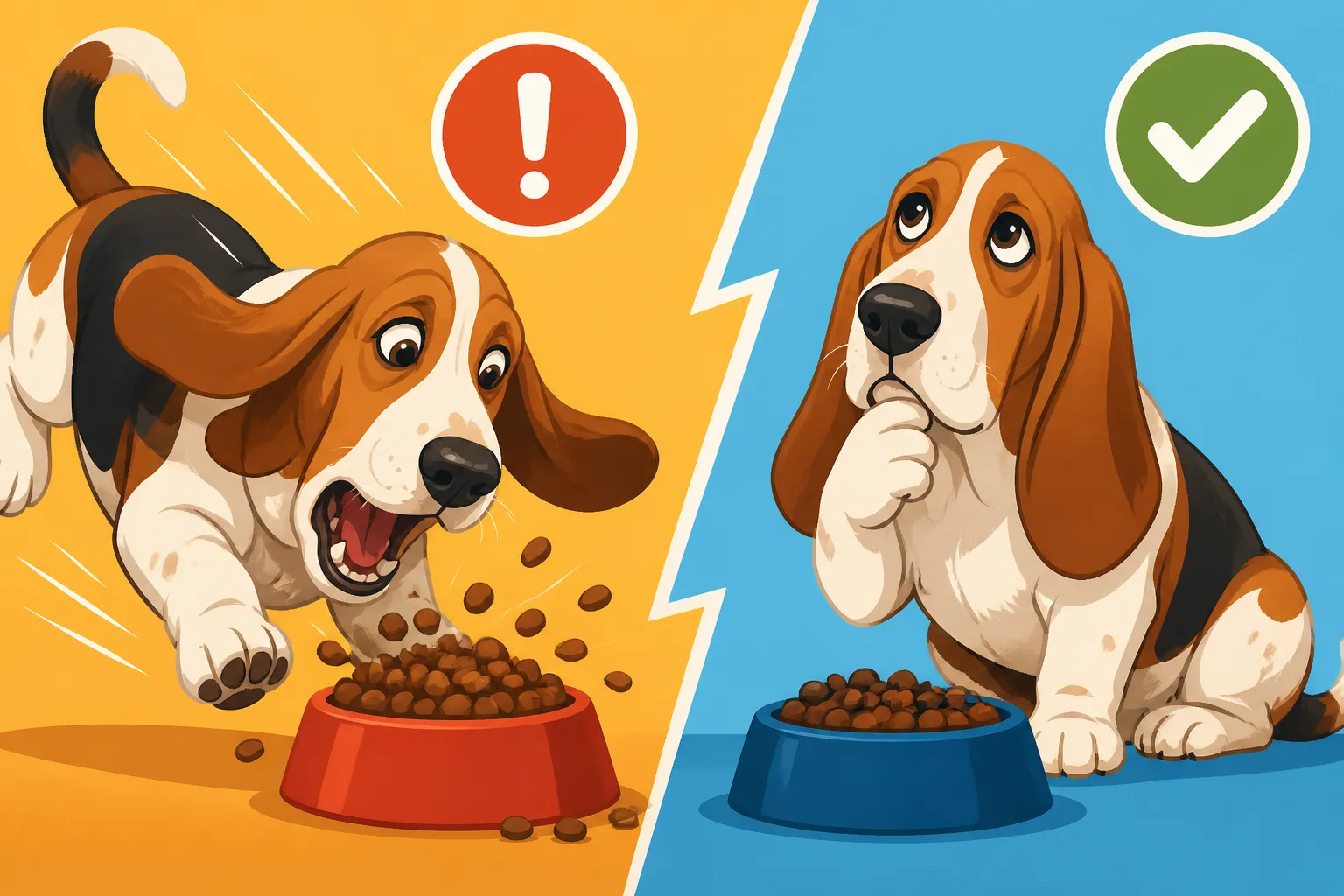
It’s a sight many Basset Hound owners know all too well: you put down a bowl of delicious food, turn your back for two seconds, and poof – it’s gone. Your beloved hound has inhaled their meal faster than a vacuum cleaner, leaving you wondering if they even tasted it. This frantic eating isn't just a quirky habit; it’s a genuine concern that can lead to some serious health issues. This guide is here to walk you through why your Basset Hound might be bolting their food and, more importantly, what you can do to help them slow down and enjoy their meals safely.
Why Basset Hounds Are Prone to Eating Too Fast
It’s easy to look at your Basset Hound devouring their meal and think they’re just being greedy, but there are often deeper reasons behind this behavior. Hounds, in particular, come with a unique set of instincts and physical traits that contribute to their fast eating habits. Understanding these can help us address the issue more effectively.
The Hound Instinct: Survival of the Fastest
Basset Hounds, like all hounds, carry generations of instinct within them. Their ancestors hunted in packs, and in a pack environment, eating quickly was often a matter of survival. The slowest eater might not get enough, or any, food. While your Basset lives a life of luxury and doesn’t have to compete for its dinner, that ancient programming can still kick in the moment a food bowl hits the floor. It’s not necessarily about being "greedy" in a human sense; it's about a deep-seated drive to secure resources quickly. This strong prey drive, combined with an incredible nose, means that once food is detected, the mission to consume it becomes paramount.
Think about it: their nose is second only to a Bloodhound's, meaning they can smell that delicious kibble or wet food with astonishing clarity. That intense sensory input triggers an immediate response. For a Basset, the smell of food is an irresistible siren call, pulling them in with a force that can be hard to ignore, leading to that characteristic gulping.
Physical Traits and Learned Behaviors
Beyond instinct, a Basset Hound’s physical build and past experiences can also play a role. They have deep chests, which, while not a direct cause of fast eating, is a key factor in why fast eating is so dangerous for them, as we’ll discuss later. Their broad, often droopy muzzles also mean they can take in large mouthfuls with ease.
Sometimes, the behavior is learned. If your Basset Hound grew up in a multi-dog household where they had to compete for food, or perhaps in a rescue situation where food was scarce or unpredictable, they may have developed a habit of eating rapidly. Even if they are now the only dog in the house, those early experiences can leave a lasting impression. We often wonder, Whether a Basset Hound Ever Feels Full, and for some, that perceived lack of satiety can contribute to a frantic approach to meal times. It's as if they never quite believe the next meal is guaranteed.
Owners might inadvertently reinforce fast eating too. If you hover over them, or constantly fuss during meal times, some dogs might interpret this as a reason to eat faster to avoid losing their food. It’s all about creating a calm, predictable environment around food.
The Serious Risks of Bolting Food for Basset Hounds
While a Basset Hound inhaling its dinner might seem endearing or just a typical Basset quirk, it actually poses several significant health risks. For our deep-chested friends, eating too quickly can have potentially life-threatening consequences that every owner needs to be aware of.
The Shadow of Bloat: Gastric Dilatation-Volvulus (GDV)
This is, without a doubt, the most terrifying risk for a Basset Hound that eats too fast. Bloat, or Gastric Dilatation-Volvulus (GDV), is an emergency condition where the stomach fills with gas and twists on itself. The exact causes are complex, but rapid eating, especially of large meals, is a commonly cited risk factor. When a dog eats quickly, they often swallow a lot of air along with their food, which can contribute to gas buildup in the stomach.
A Basset Hound's deep chest, combined with their strong propensity for frantic eating, makes them particularly susceptible to this devastating condition. The symptoms of bloat can appear suddenly and escalate rapidly: a distended or hard abdomen, unproductive retching (trying to vomit but nothing comes up), restlessness, pacing, excessive drooling, and signs of pain. If you ever suspect bloat, it's a critical emergency that requires immediate veterinary attention. Time is of the essence, and surgery is often the only option to save their life. The cost of such a procedure can be astronomical, falling under What a Basset Hound's Emergency Surgeries Cost. Understanding Whether a Basset Hound Gets Bloat is crucial for all Basset owners.
Choking and Aspiration Pneumonia
When a Basset Hound eats at warp speed, they’re not really chewing their food. They're often swallowing large chunks whole, which increases the risk of choking. This is especially true with dry kibble. A piece of food could get lodged in their windpipe, causing immediate distress, coughing, gagging, and even complete airway obstruction.
Beyond immediate choking, rapidly inhaled food or water can sometimes enter the lungs instead of the esophagus, leading to aspiration pneumonia. This is a severe lung infection that can require extensive veterinary treatment, including antibiotics and supportive care, and can be fatal.
Indigestion, Vomiting, and Other GI Issues
Even if bloat or choking don’t occur, eating too quickly can still wreak havoc on your Basset's digestive system. Swallowing food whole means less surface area for digestive enzymes to work on, making digestion less efficient. This can lead to indigestion, regurgitation (spitting up undigested food shortly after eating), or full-blown vomiting. Many Basset Hounds already have somewhat Whether a Basset Hound Has a Sensitive Stomach, and scarfing down meals only exacerbates this.
Additionally, poor digestion can mean your Basset isn't absorbing all the nutrients from their food, even if you're feeding a high-quality diet. This can impact their overall health, energy levels, and coat condition over time. The constant stress on the digestive system can also contribute to discomfort and even chronic issues.
Strategies to Slow Down Your Basset Hound's Eating
The good news is that there are many effective ways to encourage your Basset Hound to slow down at meal times. It might take some patience and experimentation to find what works best for your individual hound, but the effort is well worth it for their health and well-being.
The Magic of Slow Feeder Bowls
These bowls are game-changers for fast eaters. They come in various designs, usually with ridges, mazes, or pillars molded into the bottom that force your dog to eat around obstacles, picking up smaller mouthfuls. This simple design intervention significantly slows down the eating process, turning mealtime into a bit of a puzzle.
You can find a huge variety of slow feeder bowls on sites like Chewy and Amazon. Some are plastic, others ceramic or stainless steel. When choosing one, consider its durability, ease of cleaning, and how effective the design is at slowing down your particular Basset. Some designs are more challenging than others. I've personally seen hounds go from finishing their meal in 30 seconds to taking 5-10 minutes with a good slow feeder. This is such a critical tool that we have a whole article dedicated to Whether a Slow Feeder Suits a Basset Hound.
Here's a quick comparison of some popular slow feeder types:
| Slow Feeder Type | Description | Pros | Cons |
|---|---|---|---|
| Traditional Bowl with Raised Ridges | Basic bowl with internal obstacles. | Affordable, easy to find, generally effective. | Some dogs learn to "scoop" around ridges. |
| Maze/Labyrinth Bowl | Features a more complex, winding path for food. | Very effective at slowing down determined eaters. | Can be harder to clean thoroughly. |
| Lick Mat | Flat mat with textured surface, food smeared on. | Promotes licking, calming, and extends mealtime. | Best for wet food or smeared treats, not dry kibble. |
| Puzzle Feeder | Requires manipulation (e.g., knocking, flipping) to release food. | Mentally stimulating, highly effective for slowing down. | Can be messy, requires supervision, not all dogs 'get' them. |
Engage Their Brains with Puzzle Toys and Snuffle Mats
Beyond slow feeder bowls, puzzle toys are fantastic for making mealtime a mental exercise. A Kong Wobbler, for example, is a toy that dispenses kibble as your dog nudges and rolls it around. This not only slows down eating but also provides mental stimulation, which is incredibly important for intelligent hounds like Bassets. Other interactive toys that dispense food gradually can also work wonders.
Snuffle mats are another excellent option. These fabric mats have numerous strips and pockets where you can hide kibble or treats. Your Basset Hound then has to use their incredible nose to "snuffle" out their meal, which naturally slows them down and taps into their innate scent-tracking abilities. Many Bassets absolutely love these, as it allows them to use their nose for its intended purpose. If you're wondering Whether a Basset Hound Enjoys a Snuffle Mat, the answer is often a resounding yes! These can be purchased from online retailers like Chewy or Etsy, or even made at home with some fleece and a rubber mat.
Adjusting Meal Frequency and Portion Sizes
Instead of feeding one or two large meals a day, consider breaking your Basset Hound’s daily food allowance into three or four smaller meals. This reduces the amount of food they can bolt at any one time and can help keep their stomach from getting overly full. Consistent meal times can also help reduce food anxiety, as your Basset learns that food will always be available at predictable intervals. We discuss typical eating habits in How Much an Adult Basset Hound Eats Daily.
Ensure you're feeding the correct portion size for your Basset Hound's ideal weight and activity level. Overfeeding, even slowly, contributes to weight gain, which Bassets are very prone to. Keeping a Basset Hound From Getting Heavy is critical for their long-term health, and managing portion control is a huge part of that. If you're using a fresh food service like Ollie, you can often easily divide their pre-portioned meals into smaller servings throughout the day.
Environmental Control and Training
Make sure your Basset Hound eats in a calm, quiet environment free from distractions or perceived competition. If you have multiple pets, feed them separately to prevent any anxiety about food being stolen, which can fuel fast eating. Some Bassets benefit from you staying nearby, calmly petting them as they eat, which can signal that there’s no need to rush.
While it might sound tedious, hand-feeding a portion of their meal can also help. This forces them to take each piece individually and interact with you calmly around food. It’s a great way to reinforce good manners and build trust. For a Basset Hound puppy, getting them used to slow, calm eating from a young age is invaluable.
Some owners also find success with spreading their Basset's kibble out on a large baking sheet or a clean floor. This forces them to walk around and pick up individual pieces, making it impossible to gulp down large quantities at once. It's a simple, no-cost solution that can be surprisingly effective.
Regarding equipment, while some advise Whether a Basset Hound Should Eat From a Raised Bowl, current veterinary advice is mixed, with some studies suggesting it might increase the risk of bloat in large, deep-chested breeds. It's always best to discuss this specific point with your vet.
And let's not forget those magnificent long ears! If your Basset's ears are dragging through their food, creating a messy situation and potentially irritating their ears, a snood can be a lifesaver. What a Snood for a Basset Hound Costs is a small price to pay for cleaner ears and a more hygienic mealtime.
When to Seek Veterinary Advice
While many fast-eating habits can be managed with the strategies above, there are times when your Basset Hound’s eating behavior or its consequences warrant a trip to the vet. It’s important to know when to seek professional help, as some symptoms can indicate serious underlying issues.
Persistent Vomiting or Regurgitation
If your Basset Hound is frequently vomiting or regurgitating its food after eating, even with measures taken to slow them down, it's time to consult your veterinarian. While some occasional regurgitation after fast eating is common, persistent or severe episodes could point to digestive issues, food sensitivities, or other gastrointestinal problems that need diagnosis and treatment. This could be more than just eating too fast; it could be a sign of underlying issues with Whether a Basset Hound Has a Sensitive Stomach.
Signs of Bloat or Severe Distress
As mentioned earlier, bloat is a life-threatening emergency. If you observe any of the signs of bloat – a distended or hard abdomen, unproductive retching (trying to vomit but nothing comes up), restlessness, pacing, excessive drooling, or signs of extreme pain – do not wait. Get your Basset Hound to an emergency veterinarian immediately. This is not a "wait and see" situation. Early intervention can make the difference between life and death. Understanding these warning signs is critical, as detailed in The Signs a Basset Hound Has Hurt Its Back can sometimes overlap with general discomfort from bloat, though bloat has very specific, acute symptoms.
Sudden Changes in Eating Habits or Appetite
Any sudden and unexplained change in your Basset Hound's eating habits warrants veterinary attention. If a normally ravenous eater suddenly loses interest in food, or if their eating behavior dramatically shifts (e.g., they start eating even faster than usual or become aggressive around food when they weren't before), it could be a sign of pain, illness, or a behavioral issue that needs professional assessment. Don't dismiss it as just a "mood" – a change in appetite is often the first indicator that something is amiss with your furry friend.
Your vet can help rule out medical causes, advise on diet changes, or even refer you to a veterinary behaviorist if the issue seems primarily behavioral and resistant to at-home management. Remember, you are your Basset Hound's best advocate, and paying close attention to their eating habits is a crucial part of responsible ownership.
Disclaimer
This article is for general informational purposes only and does not constitute professional advice. Laws, prices and regulations vary by location and change over time. Consult a qualified professional for guidance on your specific situation.