Getting Weight Off a Basset Hound
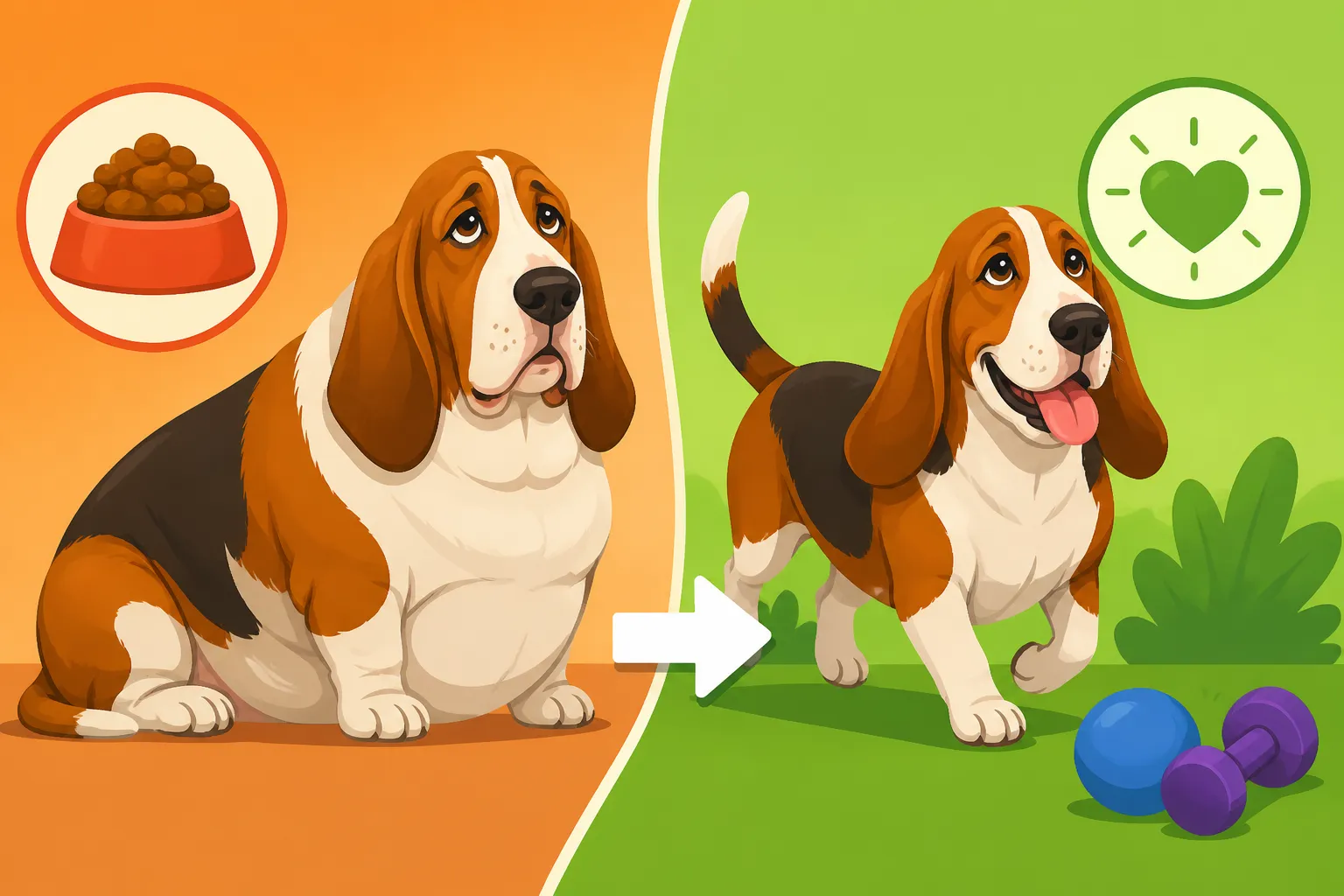
It’s a tale as old as time for Basset Hound owners: you look down at that adorably low-slung body, and suddenly, you realize your beloved companion is carrying a little, or a lot, too much extra padding. It’s not just a cosmetic concern; that excess weight puts immense strain on their unique structure and can lead to serious health issues. This guide is all about giving you a realistic, empathetic, and actionable roadmap to help your Basset Hound shed those extra pounds safely and effectively, improving their quality of life for years to come.
Understanding Why Basset Hounds Gain Weight
Let's be honest, Basset Hounds are practically designed to look a bit chunky, and they certainly don't help themselves when it comes to weight management. Their body shape, their natural inclinations, and even their sheer talent for looking perpetually hungry all conspire against them. It’s not your fault you fell for those soulful eyes, but understanding the root causes is the first step toward getting that healthy weight back.
Breed Predisposition and Lifestyle Factors
Basset Hounds are built low to the ground, with heavy bones and a long back. This distinctive physique, while charming, means they aren't naturally inclined towards high-intensity exercise. Unlike a Border Collie that can run for miles, a Basset Hound is more of a leisurely sniff-and-amble kind of dog. Their short legs and stout bodies make intense physical activity more challenging and, frankly, less appealing to them. They're bred for endurance on a scent trail, not for speed or agility. This lower energy output means they don't burn as many calories naturally as other breeds.
Furthermore, Basset Hounds often have a slower metabolism compared to other dogs of similar weight. Their dense bone structure already adds to their natural heft, making it hard to judge their actual body condition under all that loose skin and thick coat. Many owners mistake their breed-specific build for a healthy weight, only realizing the issue when their vet points out that their Basset is actually quite overweight. The challenge then becomes distinguishing between their natural, robust build and genuine excess fat. It’s also important to remember that as they age, their activity naturally slows even further, making them more prone to weight gain if their diet isn't adjusted. You might find it helpful to look into How Much a Basset Hound Should Weigh to get a clearer picture of appropriate size.
The Sneaky Calorie Creep
One of the biggest culprits behind Basset Hound weight gain is the gradual, often unnoticed, increase in calorie intake. It's rarely a dramatic shift overnight; instead, it's a slow creep of extra bits and bobs that add up. Think about all those little extras: a piece of cheese here, a bite of toast there, the handful of kibble added "just because," or those seemingly innocent training treats that are actually quite high in calories. These tiny additions don't seem like much individually, but when accumulated over days and weeks, they can easily push your Basset Hound's calorie intake far beyond their needs.
Beyond human food, even commercially prepared dog treats can be deceptively high in calories. Many owners, myself included, use treats frequently for training or just to show affection. If you're not factoring these into your Basset Hound's daily calorie allowance, you're essentially adding a whole extra meal without realizing it. Even a slight overestimation when measuring out their daily kibble can contribute significantly over time. It’s easy to be generous with the scoop, especially when those sad Basset eyes are fixed on you, but consistency and accuracy are vital. Knowing Whether a Basset Hound Steals Food can also help you understand other sources of hidden calories.
Crafting a Diet Plan for Your Basset Hound
When it comes to getting weight off your Basset Hound, diet is by far the most impactful area you can control. You can’t force them to run a marathon, but you can control what goes into their bowl. This isn't about deprivation; it's about smart nutrition that provides all the essential nutrients without the excess calories.
Re-evaluating Food Portions
The first, and often hardest, step is to be brutally honest about how much you're actually feeding. Many commercial dog food guidelines are set for moderately active dogs, which doesn't quite describe the typical Basset Hound. Even if your Basset is very active, their unique build and metabolism often mean they need fewer calories than you might expect. Start by meticulously measuring your Basset Hound's current food intake. Don't guess; use an actual measuring cup or, even better, a kitchen scale to ensure precision. A small difference in volume can be a big difference in calories.
Once you have a baseline, consult your veterinarian. They can help you determine an appropriate target weight for your Basset Hound and calculate a safe and effective daily calorie goal for gradual weight loss. This usually involves reducing their current intake by 10-20% initially. Remember, rapid weight loss is unhealthy and unsustainable. The goal is a slow, steady reduction of 1-2% of their body weight per week. It’s a marathon, not a sprint. This careful calculation is essential because just reducing portions of their regular food might leave them feeling hungry or lacking certain nutrients. Getting accurate portion control down is critical to ensuring they’re getting How Much an Adult Basset Hound Eats Daily without overdoing it.
Choosing the Right Food Type
Simply cutting back on portions of a calorie-dense food might leave your Basset Hound feeling perpetually hungry, leading to begging and frustration for both of you. This is where choosing a specific weight management food can be a game-changer. These foods are typically lower in calories and fat, but higher in fiber and sometimes protein, which helps your dog feel fuller and more satisfied with fewer calories. Brands like Hills Science Diet, Purina Pro Plan, and Royal Canin all offer excellent weight control formulas specifically designed to support healthy weight loss while maintaining muscle mass. You can find a wide variety of options readily available from online retailers like Chewy.
Another approach gaining popularity is fresh food diets, such as those offered by Ollie. While often perceived as premium, some fresh food options can be carefully formulated for weight management. The key is portion control and working with the company or your vet to ensure the calorie count aligns with your Basset Hound's weight loss goals. These foods can sometimes be more palatable, which can be helpful if your Basset Hound is a picky eater, but you must be diligent about measuring. Wet food can also be beneficial as its higher water content adds volume without adding many calories, helping to increase satiety. Whichever route you choose, understanding What Weight Loss Food Costs a Basset Hound Owner is an important consideration.
The Role of Healthy Treats
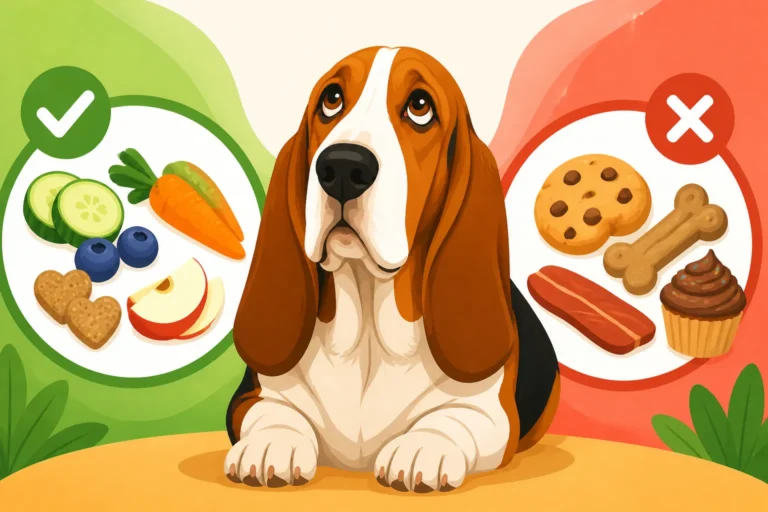
Treats aren't entirely off-limits when your Basset Hound is on a diet, but they need to be chosen wisely and factored into their daily calorie allowance. High-calorie biscuits or chew sticks can quickly derail your efforts. Instead, opt for low-calorie, healthy alternatives. Many veterinarians recommend plain, raw vegetables as excellent, satisfying treats. Carrots, green beans, cucumber slices, and small pieces of apple (without seeds) are often big hits with Basset Hounds. These offer crunch and volume for minimal calories.
When using commercial treats, seek out specific "diet" or "low-calorie" options. Break them into smaller pieces to make them last longer and maximize their motivational power. You can also use a portion of your Basset Hound's daily kibble ration for training rewards, eliminating extra calories altogether. Puzzle toys and slow feeders, which can be found easily on Amazon, can also turn mealtime into a mental exercise, making the food last longer and increasing satiety without adding more calories. It's all about making smart swaps and being mindful of every morsel. For more specific ideas, check out Which Treats Suit a Basset Hound on a Diet.
Incorporating Exercise Safely
While diet is paramount, exercise plays a crucial supporting role in weight loss and, more importantly, in maintaining muscle mass and overall joint health. Basset Hounds aren't built for marathons, but they still need regular, appropriate physical activity. The trick is to make it enjoyable and safe for their unique bodies.
Gentle, Low-Impact Activities
Forget about long runs or intense agility courses. For a Basset Hound, exercise should focus on low-impact, consistent movement. Daily walks are your best friend here. Aim for multiple shorter walks throughout the day rather than one long, exhausting trek. For example, three 15-20 minute walks are often more beneficial and less strenuous than a single 45-minute walk. These frequent outings allow them to burn calories, strengthen muscles, and most importantly, indulge their incredible sense of smell, which is excellent mental stimulation.
Always keep their physical limitations in mind. Their long backs are prone to issues like intervertebral disc disease, and their short legs and heavy bodies can put stress on their joints. Avoid activities that involve excessive jumping, running up and down stairs repeatedly, or rough play that could lead to injury. Gentle, consistent movement is key. If your Basset Hound is particularly resistant to moving, which can happen, it's worth exploring strategies for Getting Weight Off a Basset Hound That Will Not Exercise.
Making Walks More Engaging
A Basset Hound's world revolves around its nose. Harnessing this natural instinct can turn a mundane walk into an exciting adventure, motivating them to move more. Instead of power-walking in a straight line, let your Basset Hound sniff! Allow them to explore every lamppost, every patch of grass, and every intriguing smell. These "sniffaris" are incredibly mentally stimulating and surprisingly tiring, burning more calories than you might think as they actively work their scent receptors. Vary your routes to introduce new smells and sights, keeping their interest piqued.
Consider incorporating short bursts of play during your walks, if appropriate for your dog's fitness level. A few minutes of gentle fetch with a soft toy in a grassy area can add some extra movement. Remember, the goal isn't to tire them out completely, but to encourage consistent, enjoyable movement. For older Basset Hounds or those with existing joint issues, the pace and duration will need to be even more carefully managed. For more tailored advice, you might want to read Whether an Old Basset Hound Still Needs Walks.
Safe Play at Home
Exercise isn't just for outdoors. Indoor activities can supplement walks, especially on bad weather days or for Bassets who are just starting their weight loss journey. Puzzle toys and treat-dispensing toys (many great ones available on Chewy) can encourage movement and mental engagement as your Basset Hound works to get their low-calorie treats or kibble out. Hide-and-seek games, where you hide and call them to find you (or hide a treat for them to find), can also be fun and provide light exercise.
Short, supervised play sessions with a favorite toy can also be beneficial. A slow game of tug or a gentle roll of a soft ball can get them moving without putting undue strain on their joints. The key is to keep it low-impact and fun, making sure the environment is safe and non-slip to prevent injuries. Remember, even a few minutes of active engagement throughout the day can add up and contribute to their overall calorie burn and mental well-being.
Monitoring Progress and Overcoming Challenges
Weight loss is rarely a straight line, and it requires patience, consistency, and a little bit of detective work. It’s important to monitor your Basset Hound's progress realistically and be prepared to adjust your plan as needed.
Regular Weigh-ins and Body Condition Scoring
Consistent monitoring is absolutely vital to gauge your success and make necessary adjustments. Weigh your Basset Hound weekly or bi-weekly, preferably on the same scale, at the same time of day. Keep a log of their weight loss to track trends. However, weight alone doesn't tell the whole story. Body condition scoring (BCS) is equally, if not more, important. BCS involves physically assessing your dog's fat reserves by feeling their ribs, spine, and waist.
You should be able to feel your Basset Hound's ribs with slight pressure, like feeling the knuckles on your hand when it's flat. If you can't feel them easily, or if you have to press hard, they likely have too much fat covering. You should also be able to see a slight waist tuck when looking down from above, and their belly should not sag excessively. This can be tricky with a Basset Hound’s naturally loose skin, so learning Feeling for a Basset Hound's Ribs Under Loose Skin is a critical skill. Take photos every few weeks from the same angle to visually track changes; sometimes, slow progress is only noticeable when you compare images over time. For more visual cues on assessment, look into Signs a Basset Hound Is Carrying Too Much Weight.
Addressing Plateaus and Frustrations
It’s completely normal for weight loss to hit a plateau. Your Basset Hound might lose weight steadily for a few weeks, then seemingly stall, even if you haven't changed anything. Don't get discouraged! Plateaus often happen as their metabolism adjusts. When this occurs, it's time to re-evaluate. Double-check your food measurements – are you still being perfectly precise? Are there any hidden calories creeping back in from family members or unnoticed scraps?
If everything is consistent, it might be time for a small adjustment. This could mean a slight further reduction in calories (perhaps another 5-10%, always consulting your vet first) or a small increase in gentle activity. Your veterinarian is your best resource here; they can rule out underlying medical conditions that might be hindering weight loss, such as hypothyroidism, which can cause weight gain despite efforts. Remember, patience is key. It took time for the weight to go on, and it will take time for it to come off.
Long-Term Maintenance and Prevention
The journey doesn't end when your Basset Hound reaches their ideal weight. In fact, maintaining that healthy weight for life is the biggest ongoing challenge. Weight loss should be seen as a lifestyle change, not a temporary diet. Continue with the precise food measurements, stick to healthy, low-calorie treats, and maintain a consistent, gentle exercise routine. Regular weigh-ins, perhaps monthly now, and body condition scoring will help you catch any creeping weight gain early before it becomes a significant problem again.
Educate everyone in the household about the importance of their healthy weight and the new feeding regimen. Make sure guests understand not to give table scraps. Consider switching to a maintenance food that is still formulated to prevent weight gain, or continue with a weight management formula if your vet advises it. This proactive approach will prevent the rollercoaster of weight gain and loss, ensuring your Basset Hound enjoys a longer, happier, and healthier life. Ultimately, the goal is about Keeping a Basset Hound at Its Correct Weight to prevent future health problems and improve their overall well-being.
| Healthy Treat Options for Basset Hounds | Calories (approx. per average piece/slice) | Benefits | Notes |
|---|---|---|---|
| Carrot Sticks | 2-5 | Fiber, Vitamin A, Dental Scrub | Cut into appropriate, choke-safe sizes. |
| Green Beans | 1-3 | Fiber, Vitamins C & K | Fresh or frozen (plain, no salt/additives). |
| Cucumber Slices | 1-2 | Hydrating, Vitamins K & C | High water content helps with satiety. |
| Apple Slices | 5-10 | Fiber, Vitamins C | Remove all seeds and core; feed in moderation. |
| Pumpkin (canned) | 3-5 (per tablespoon) | Fiber, Digestive Health | Plain, unsweetened pumpkin puree; good for upset stomachs. |
| Plain Air-Popped Popcorn | 1-2 (per small piece) | Low calorie, crunchy | No butter, salt, or other toppings. Very few pieces only. |
| Ice Cubes | 0 | Hydrating, Mental stimulation | Great for hot days or as a "filler" when begging. |
| Frozen Berries (e.g., blueberries) | 1-3 (per berry) | Antioxidants, Vitamins | Small amounts due to natural sugars; excellent frozen treat. |
Disclaimer
This article is for general informational purposes only and does not constitute professional advice. Laws, prices and regulations vary by location and change over time. Consult a qualified professional for guidance on your specific situation.