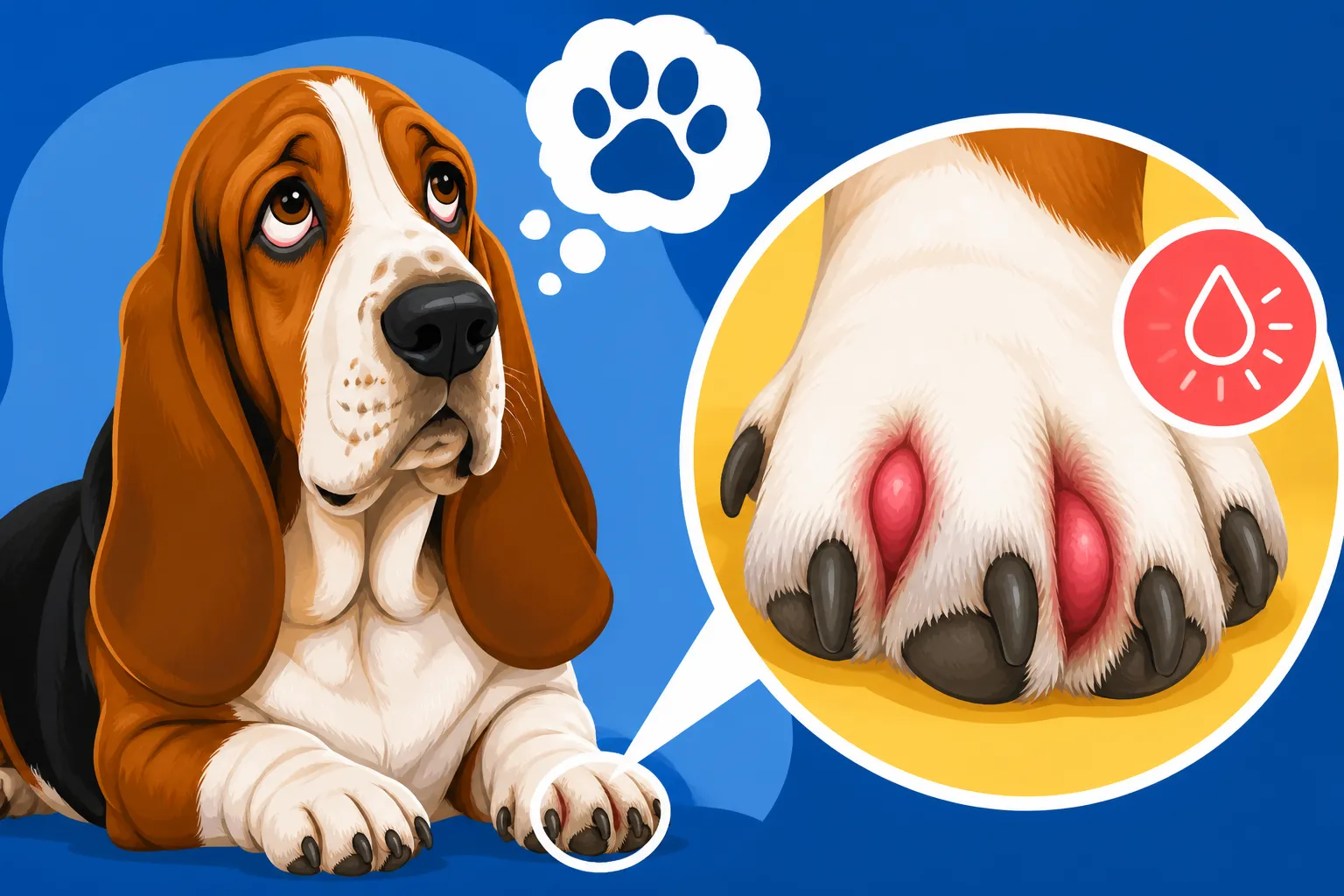
Whether a Basset Hound Gets Interdigital Cysts Between Toes
There are few things as frustrating as seeing your beloved Basset Hound limp or constantly fuss with their paws, especially when you can’t immediately spot the problem. That nagging worry about what could be causing their discomfort between their toes is something many of us Basset owners have faced. This guide will walk you through understanding interdigital cysts, why our Bassets are particularly prone to them, how to recognize the signs, and crucially, what you can do to treat and prevent these bothersome bumps.
What Exactly Are Interdigital Cysts?
Let's dive into what these pesky cysts actually are. When your Basset Hound is limping or obsessively licking their paw, and you find a red, swollen bump between their toes, you're likely looking at an interdigital cyst, sometimes also called an interdigital furuncle. These aren't simply 'pimples' or blisters, though they might look a bit like them at first glance. They are a deep inflammatory condition that occurs when hair follicles within the interdigital web (the skin between the toes) rupture. This rupture allows keratin (a protein found in hair and skin) and follicular debris to spill into the surrounding tissue, triggering an intense immune response and inflammation. It's almost like a tiny, localized foreign body reaction, causing swelling, pain, and sometimes infection.
The Anatomy of a Basset Hound's Paw
To truly understand why Basset Hounds are so often affected by interdigital cysts, we need to appreciate the unique engineering of their paws. Our low-riders have relatively large, heavy paws for their short legs, often described as powerful and well-knuckled. Their feet are designed for endurance and scent work, allowing them to traverse various terrains while keeping their nose to the ground. However, this design comes with a few compromises. The skin between their toes, known as the interdigital web, can be quite dense and, due to their short legs, is often in closer contact with the ground than in many other breeds. This combination means more friction, more exposure to moisture, dirt, and irritants, and less air circulation compared to a dog with longer legs and more open paw structure. It's a perfect storm for irritation and inflammation to brew right there in those crucial paw spaces.
How Cysts Form and What They Look Like
The formation of an interdigital cyst often begins subtly. Imagine a tiny hair, perhaps coarse and thick, growing in an awkward direction or getting trapped under the skin. Over time, friction from walking, moisture, or even persistent licking can irritate this hair follicle. Eventually, the follicle can become inflamed and rupture beneath the skin. Once it ruptures, the contents—hair fragments, dead skin cells, and bacteria—are released into the deeper layers of the paw tissue. The body's immune system perceives these contents as foreign invaders and launches an inflammatory attack, creating the characteristic swelling, redness, and pain we associate with a cyst.
What does this look like to an owner? Initially, you might just notice a slight redness or swelling between the toes. It might feel firm to the touch. As it progresses, it can become a distinct, round, raised lump, often red or purple, sometimes resembling a large pimple. In more severe cases, the cyst might ulcerate, meaning the skin breaks open, leading to oozing, bleeding, or a purulent (pus-filled) discharge. It’s definitely not a pretty sight, and your poor Basset will likely be showing clear signs of discomfort, such as limping or constantly licking the affected paw.
Why Basset Hounds Are Prone to Interdigital Cysts
It's not just bad luck that brings interdigital cysts to so many Bassets; there are some very real, breed-specific and lifestyle factors that make them particularly susceptible.
Breed-Specific Factors at Play
When you think about a Basset Hound, several key physical traits come to mind: those long, droopy ears, their substantial build, and, of course, those comically short legs. But let's focus on those legs and feet. Basset Hounds possess unique paws that, while perfect for their original purpose of trailing game, are unfortunately ripe for developing interdigital cysts. Their short, coarse hair often grows quite densely between their toes. This dense hair, coupled with their low-to-the-ground stance, means their paws are constantly exposed to moisture, dirt, and environmental allergens. The lack of air circulation in the paw crevices creates a warm, damp environment—an ideal breeding ground for bacteria and yeast, which can further exacerbate any follicular inflammation.
Furthermore, Bassets tend to have heavier body weights relative to their leg length, placing significant pressure and friction on their paw pads and the skin between their toes when they walk. This constant pressure can irritate hair follicles, making them more likely to become ingrown or rupture. It's a common story: a Basset with a thick, powerful build putting all that weight down on those short, stocky legs. Over time, this mechanical stress, combined with the other factors, creates an environment where interdigital cysts are almost an expected ailment for many of these wonderful hounds.
Environmental and Lifestyle Triggers
Beyond their inherent anatomy, a Basset Hound's daily life can also contribute significantly to the development of interdigital cysts. Think about it: they love to follow their noses, which means they're often traipsing through all sorts of environments. Mud, damp grass, rough terrain, gravel, or even simply walking on hard, abrasive surfaces can cause micro-traumas to the paw pads and the sensitive skin between the toes. If their paws aren't properly cleaned and dried afterward, that trapped moisture and debris can lead to irritation and infection.
Allergies are another huge trigger. Many Basset Hounds are prone to environmental allergies (atopy) or food allergies. When a Basset suffers from allergies, one of the primary ways they manifest is through skin irritation and itching. This often leads to incessant licking and chewing of their paws, which, while offering temporary relief, only serves to drive bacteria deeper into the hair follicles, create more inflammation, and increase the likelihood of ruptures and cyst formation. It's a vicious cycle that can be incredibly tough to break without addressing the underlying allergic response. For more on managing skin issues, you might find The Skin Under a Basset Hound's Folds helpful.
Recognizing and Diagnosing Interdigital Cysts
Catching these cysts early can make a big difference in your Basset's comfort and the ease of treatment. It requires a watchful eye and a willingness to get up close and personal with their adorable, yet sometimes problematic, paws.
Signs and Symptoms to Watch For
Your Basset Hound will almost certainly tell you, in their own unique Basset way, that something is amiss with their paws. The most common sign you’ll notice is lameness or a reluctance to put weight on one or more paws. They might walk gingerly, favor a paw, or even refuse to walk as far as they normally would. This discomfort often leads to an increase in licking, chewing, or even biting at their paws, sometimes to the point where the skin becomes raw and irritated. You might hear them chewing their feet at night when the house is quiet.
Upon closer inspection, you'll start to see the physical manifestations. Look for redness and swelling between the toes or on the paw pads themselves. The area might feel warm to the touch. You might spot distinct, firm nodules or lumps—these are the cysts. They can vary in size, from small pea-sized bumps to larger, angry-looking swellings. Sometimes, if the cyst has ruptured or is infected, you might see pus, blood, or a serous (clearish-yellow) discharge. The fur around the affected area might also be matted or discolored from the licking and discharge. Any of these signs warrant a call to your vet. You can learn more about related behaviors in Whether a Basset Hound Licks Its Paws.
The Vet's Role in Diagnosis
While you might suspect an interdigital cyst based on the visible signs, it’s absolutely crucial to get a definitive diagnosis from your veterinarian. Many other conditions can mimic the appearance of an interdigital cyst, including bacterial or fungal infections, foreign bodies (like thorns or splinters), ingrown nails, allergic reactions, or even, in rarer cases, tumors. Your vet will conduct a thorough physical examination, paying close attention to all four paws. They might gently palpate the affected area to assess its size, consistency, and your Basset's pain response.
To confirm the diagnosis and rule out other issues, your vet may perform several diagnostic tests. A common one is cytology, where they take a small sample of the discharge or material from the cyst with a needle or by pressing a slide to the area. This sample is then examined under a microscope to look for bacteria, yeast, inflammatory cells, or foreign material. In some cases, a biopsy might be recommended, where a small piece of tissue is surgically removed and sent to a lab for histopathological examination. This is particularly important if the cyst is persistent, unusual in appearance, or if there's any concern about a more serious underlying condition. Always follow your vet's advice for proper diagnosis and treatment.
Treatment Options for Interdigital Cysts
Once your vet has confirmed an interdigital cyst, the good news is there are several avenues for treatment. The approach will depend on the severity of the cyst, whether it's infected, and if there are any underlying causes like allergies.
Conservative Management at Home
For mild, uninfected cysts, or as an adjunct to veterinary treatment, there are things you can do at home to help soothe your Basset's paws. Foot soaks can be incredibly beneficial. A warm water soak with Epsom salts (magnesium sulfate) can help draw out infection, reduce swelling, and promote healing. You'll want to soak the affected paw for about 5-10 minutes, a couple of times a day. Ensure the water isn't too hot and that your Basset is comfortable. After soaking, gently dry the paw thoroughly, especially between the toes, to prevent further moisture build-up. Products like paw balms or protective waxes can also help create a barrier on the skin, reducing friction and irritation. Brands like Musher's Secret or paw balms available on Chewy can be great for this.
It's also vital to keep the paw clean and dry. Consider a protective boot or cone collar (Elizabethan collar) if your Basset is constantly licking and chewing, as this self-trauma only makes the problem worse. However, always consult your veterinarian before attempting any home remedies to ensure they are appropriate for your specific Basset's condition.
Veterinary Medical Treatments
When a cyst is infected, severely inflamed, or recurrent, veterinary medical intervention is necessary. Antibiotics are often prescribed to combat bacterial infections, which are very common with interdigital cysts. These might be oral antibiotics, topical creams, or a combination of both. The course of antibiotics needs to be completed fully, even if the cyst appears to resolve quickly, to prevent recurrence and antibiotic resistance.
Anti-inflammatory medications, such as NSAIDs (non-steroidal anti-inflammatory drugs), may be given to reduce pain and swelling, making your Basset much more comfortable. Topical treatments, including medicated shampoos, sprays, or ointments containing antibiotics or antifungals, can also be applied directly to the affected area. If allergies are suspected to be an underlying cause, your vet might recommend further investigations, like a hypoallergenic diet trial, or prescribe anti-allergy medications. Changing your Basset's diet to a high-quality, limited-ingredient food, or a fresh food diet like Ollie, might be part of the long-term solution if food allergies are at play. Regular communication with your vet during treatment is key to ensure the best outcome.
Surgical Interventions
In some persistent or severe cases, surgery might be the best option. This is typically considered when cysts are chronic, very large, deeply embedded, or if medical treatments haven't been successful. There are a few surgical approaches a vet might take. Laser ablation is one method, where a laser is used to precisely remove the affected tissue and cauterize the area. This can be less invasive than traditional surgery and promote quicker healing.
Another option is podoplasty, a more extensive surgical procedure where the skin and tissue between the toes are reshaped or removed to improve air circulation and reduce friction. This is often reserved for Bassets with chronic, widespread interdigital furunculosis that has severely impacted their quality of life. The goal of surgery is to remove the problematic tissue and create an environment less conducive to cyst formation. Of course, surgery comes with recovery time and post-operative care, but for some Bassets, it can offer a permanent solution to a very painful problem. Be sure to discuss all potential risks, benefits, and costs with your vet before making a decision. For an idea of general emergency surgery costs, you can look at What a Basset Hound's Emergency Surgeries Cost.
Preventing Future Interdigital Cysts
An ounce of prevention is truly worth a pound of cure, especially when it comes to those sensitive Basset Hound paws. Establishing a consistent routine and being proactive can save your furry friend a lot of discomfort down the line.
Daily Paw Care Routine
One of the most effective ways to prevent interdigital cysts is to implement a rigorous daily paw care routine. This is especially important if your Basset loves to explore muddy trails or damp grassy areas. After every walk, particularly if the ground was wet or dirty, take a few minutes to clean their paws. A gentle wipe with a damp cloth or a quick rinse with lukewarm water is often sufficient. Pay extra attention to the spaces between their toes and the undersides of their paw pads. Then, and this is crucial, thoroughly dry their paws. Moisture trapped between the toes is a prime contributor to skin irritation and bacterial growth. You can even use a low-setting hairdryer if your Basset tolerates it.
Regularly inspect your Basset's paws for any redness, swelling, cuts, or foreign bodies. Getting them accustomed to having their feet handled from a young age will make this much easier. Trimming the hair between their paw pads can also help improve air circulation and prevent debris from getting trapped. Keeping their nails trimmed is also vital, as overgrown nails can alter their gait and put undue stress on their paw structure. You can find more detail on this in Looking After a Basset Hound's Feet and Nails.
Managing Environmental Risks
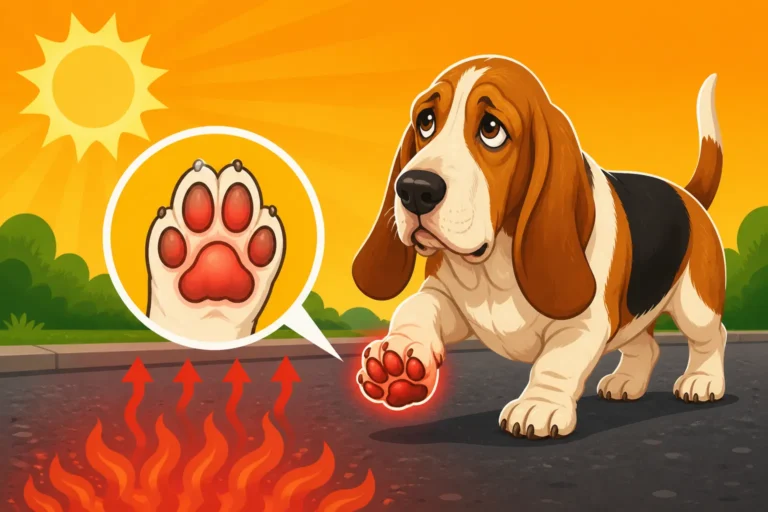
Beyond daily cleaning, managing your Basset's exposure to environmental irritants is key. If you know certain types of terrain, like abrasive gravel or chemically treated lawns, tend to bother their paws, try to avoid them. For walks in harsh conditions (hot pavement, icy sidewalks, or rough trails), consider protective paw boots. You can find a variety of durable paw protection options on Amazon or Chewy. These can provide a barrier against irritants and reduce friction.
If your Basset Hound suffers from allergies, addressing these underlying issues is paramount. This might involve working with your vet to identify specific allergens and implementing strategies like regular bathing with medicated shampoos, air purifiers in the home, or dietary changes. Controlling allergies can significantly reduce the licking and inflammation that often kickstarts cyst formation. Understanding Whether a Basset Hound Gets Allergies can provide more context.
Nutritional Support and Weight Management
A Basset Hound's overall health and well-being play a significant role in their susceptibility to skin conditions, including interdigital cysts. A balanced, high-quality diet provides the necessary nutrients for healthy skin and a robust immune system. Look for foods rich in omega-3 fatty acids, which are known for their anti-inflammatory properties and support of skin health. Some premium dog food brands, including those found on Ollie, offer excellent nutritional profiles that can bolster your Basset's skin barrier.
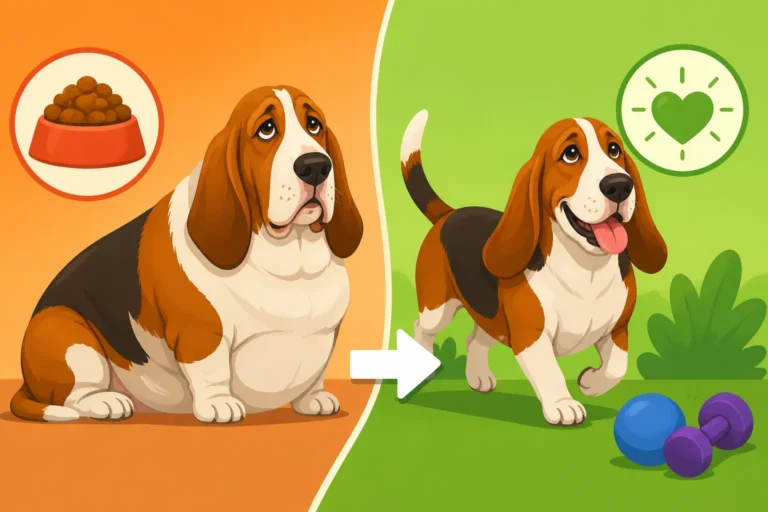
Weight management is also critical. A Basset Hound's unique conformation means that extra weight puts immense pressure on their joints and, importantly, their paws. An overweight Basset will experience increased friction and stress on the skin between their toes, making them more prone to cysts and other orthopedic issues. Keeping your Basset at a healthy weight not only reduces this strain but also improves their general mobility and overall quality of life. If your Basset is carrying a few too many pounds, exploring How Much a Basset Hound Should Weigh and Getting Weight Off a Basset Hound That Will Not Exercise can offer guidance. A healthy Basset is a happy Basset, and healthy paws are a big part of that equation.
| Symptom Category | Specific Signs to Watch For | Action to Take |
|---|---|---|
| Mobility/Behavior | Limping, favoring a paw, reluctance to walk/play, excessive licking/chewing of paws, hiding paws. | Inspect paws immediately, contact vet for persistent lameness. |
| Physical Appearance | Redness, swelling, visible lumps (single or multiple), open sores, pus/blood discharge, matted fur, discolored fur. | Gentle cleaning, protective cone, urgent vet appointment. |
| Temperature/Texture | Paw feels warm to the touch, lump feels firm or fluid-filled. | Avoid squeezing, contact vet for evaluation. |
| Odor | Unpleasant smell emanating from the paw. | Indicates possible infection, vet visit necessary. |
Disclaimer
This article is for general informational purposes only and does not constitute professional advice. Laws, prices and regulations vary by location and change over time. Consult a qualified professional for guidance on your specific situation.