Whether a Basset Hound’s Pads Crack
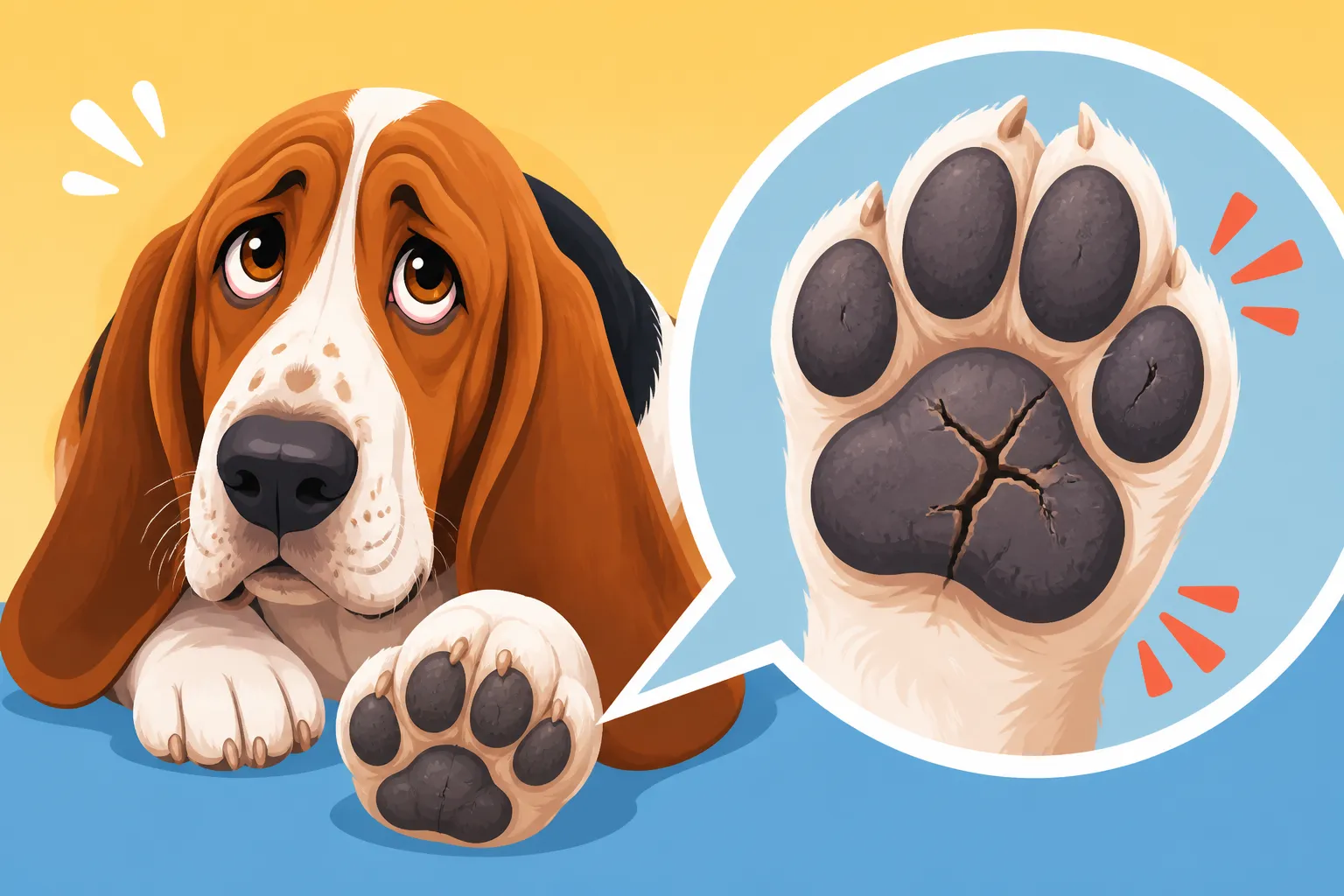
It's disheartening, isn't it, when you notice your beloved Basset Hound's paw pads looking dry, rough, or even worse, cracked and painful? Those big, sturdy paws are meant to carry them on their scent-driven adventures, and seeing them compromised can cause a lot of worry. This guide is all about understanding why your Basset Hound's pads might be cracking, how to prevent it, and what to do if those precious paws need a little TLC.
Understanding Why Paw Pads Crack on Any Dog
First, let's talk about why paw pads crack in general, because many of these factors apply universally to our canine companions, including our Basset Hounds. Think of a dog's paw pads as their natural shock absorbers and protective footwear. They're thick, tough, and designed to withstand a lot, but they aren't invincible.
One of the most common culprits is simply environmental exposure. Just like our hands get dry and chapped in harsh weather, so too can a dog's paw pads. Extreme heat from summer pavements can scorch and dry them out, leading to cracks. Imagine walking barefoot on hot asphalt – that's what your dog might be experiencing. Conversely, exposure to ice, snow, and de-icing salts in winter can be incredibly damaging, causing dryness, irritation, and eventually, painful fissures. Walking on rough, abrasive surfaces consistently, like concrete, gravel, or rocky trails, without any conditioning can also wear down the pads faster than they can regenerate, leading to cracking. Even common household cleaners, gardening chemicals, or fertilizers picked up on walks can irritate and dry out delicate paw pad tissue.
Another significant factor can be dehydration. If your dog isn't getting enough water, their skin and paw pads can become dry and lose elasticity, making them more susceptible to cracking. Nutritional deficiencies, particularly a lack of essential fatty acids like Omega-3s and Omega-6s, can manifest as dry, flaky skin and brittle paw pads. A diet that isn't balanced might not provide the building blocks needed for healthy skin and pad tissue. Age can also play a role; older dogs might have drier skin and less robust pad health, and their overall circulation might not be as efficient, impacting tissue repair. Sometimes, excessive licking or chewing of the paws due to allergies or discomfort can paradoxically make the pads more prone to drying and cracking.
Underlying health conditions, though less common, can also be a cause. Issues like hyperkeratosis, where the pads become overly thick and hard, can lead to cracking. Autoimmune diseases, zinc deficiency, or even some hormonal imbalances like Whether a Basset Hound Gets Hypothyroidism can sometimes show symptoms that include dry or cracked paw pads. It’s always important to consider the whole picture when troubleshooting paw problems.
Specific Factors Making a Basset Hound Prone to Paw Pad Issues
Now, let's zoom in on our wonderful Basset Hounds. While they share many common susceptibilities with other breeds, their unique physiology and lifestyle can sometimes make them particularly prone to certain paw pad challenges. It's not just about what they walk on, but how they're built to walk.
Their Unique Build and Ground Clearance
Basset Hounds are, by design, low-riders. Their distinctive short legs and heavy, substantial bone structure mean they carry a significant amount of weight closer to the ground. This isn't a problem in itself, but it does mean their paw pads can experience different types of pressure and friction compared to a taller, lighter breed. When they walk, particularly on uneven terrain, their pads might bear a more direct and prolonged impact. Their gait, often a purposeful, plodding walk, might not provide the same lift and spring that helps other dogs distribute pressure. Imagine a little tank rolling along, and you get the idea – those pads are constantly engaging with the ground.
Furthermore, their very low clearance means that their belly and chest can often drag or brush against rough surfaces, or even snow and mud, but it also means their paws are right there, in the thick of whatever they're exploring. While their long, sweeping ears might stir up scent, those low-set paws are right in the action, making constant contact with all sorts of terrain, from damp grass to hot sidewalks. This continuous, close contact can exacerbate the drying effects of different surfaces.
Activity Levels and Passion for Scent
While Basset Hounds aren't known for their Olympic sprinting abilities, they are hounds, and their noses lead them on long, dedicated explorations. A Basset Hound's idea of a good walk isn't always a fast jog, but a slow, methodical scent trail, nose to the ground. This means they can spend considerable time walking slowly, or even standing, on varied surfaces during a single outing. A two-mile walk for a Basset might take twice as long as for a Border Collie, meaning prolonged exposure for those pads.
If they're tracking an irresistible scent through overgrown fields, across gravel driveways, or along rough sidewalks in the city, their pads are constantly working. They don't often pick up their feet quickly, rather they shuffle and push, which can lead to increased abrasion. If you live somewhere with extreme temperatures, you need to be especially mindful. Whether Pavement Burns a Basset Hound's Pads is a real concern in summer, and icy ground or rock salt in winter can be equally harsh. Even just walking on slightly damp ground then moving to dry pavement can cause a rapid expansion and contraction of the pad tissue, contributing to micro-cracks over time.
General Health, Weight, and Age Considerations
A Basset Hound's overall health and weight can also indirectly impact their paw pad integrity. We know that Basset Hounds can be prone to What Extra Weight Does to a Basset Hound, and carrying extra pounds puts more pressure on their joints and, naturally, their feet. This increased load can stress the paw pads, potentially leading to faster wear and tear or making existing cracks more painful.
As our Bassets get older, issues like arthritis, particularly in their characteristic elbow and back structures, can change their gait. An older Basset Hound who is struggling to stand or walk, perhaps due to The Old Basset Hound That Cannot Get Off the Floor, might drag their feet more, especially their back paws. This dragging motion can cause significant abrasion and cracking, even on relatively smooth surfaces. Regular checks of their feet are crucial, especially as they age, to catch any issues early. Their nails, too, if allowed to grow too long, can alter their foot posture and how weight is distributed on the pads, leading to uneven wear and potential cracking. It's all connected, from their specific build to their innate drive to sniff every single blade of grass.
Preventing Cracked Pads and Maintaining Paw Health for Your Basset Hound
The good news is that with a little proactive care, you can significantly reduce the chances of your Basset Hound suffering from cracked paw pads. It’s all about consistent attention and understanding their unique needs.
Regular Inspection and Cleaning
Making paw inspection a regular part of your routine is perhaps the most important step. Aim to check your Basset’s paws several times a week, especially after walks. Gently spread their toes and examine the pads for any signs of dryness, redness, cuts, foreign objects (like thorns or burrs), or early cracks. Feel the texture of the pads – are they soft and supple, or dry and rough? This is also a perfect opportunity to tend to their nails, which are vital for overall foot health. Long nails can force the paw to splay, putting unnatural pressure on the pads. If you’re unsure, a quick search on Amazon or Chewy for nail grinders or clippers, along with some instructional videos, can empower you to learn how to properly trim them. Taking care of Looking After a Basset Hound's Feet and Nails truly goes hand-in-hand with healthy pads.
If your Basset Hound has walked on dirty or potentially irritating surfaces, a quick wipe down with a damp cloth can remove any residue. For particularly messy adventures, a shallow paw bath with lukewarm water and a mild, dog-specific soap can cleanse and soothe. Always ensure you dry their paws thoroughly, paying special attention to the areas between the toes, to prevent moisture-related issues like yeast infections.
Moisturizing and Protection
Just like we use lotion for dry skin, paw balms and waxes are fantastic for keeping your Basset Hound’s pads soft and resilient. These products create a protective barrier against harsh elements while also deeply moisturizing the skin. Look for balms made with natural ingredients like shea butter, coconut oil, or beeswax. You can apply them before walks to offer protection against hot pavement, cold surfaces, or rough terrain, and again at bedtime to allow them to soak in overnight.
There are many excellent paw balms available. Products from brands that focus on natural ingredients for pets are often a good starting point. You can find a vast selection on Chewy or Amazon, often with customer reviews that can help guide your choice. For severe conditions, or if your Basset is very sensitive, consider dog boots. While some Bassets might object at first, boots can provide an invaluable layer of protection against extreme heat, ice, sharp objects, and irritating chemicals. Start with short wear times indoors to get them accustomed to the feeling.
Appropriate Exercise Surfaces and Gear
Be mindful of where and when you exercise your Basset Hound. During peak summer heat, walk in the early morning or late evening when pavements are cooler. If you can’t comfortably hold your hand on the pavement for five seconds, it’s too hot for your dog’s paws. Similarly, in winter, try to avoid areas treated with harsh de-icing salts. Opt for grass, dirt trails, or shaded areas where possible.
Using a well-fitting harness can help prevent pulling and maintain a more natural gait, reducing uneven pressure on their pads. Remember that Basset Hounds don't always need super-long, strenuous exercise, but consistent, moderate activity is important. For instance, instead of one long walk, consider two shorter ones. This allows their pads a chance to recover and reduces prolonged exposure to harsh conditions. Remember, What a Basset Hound Needs Every Day includes appropriate activity that supports their physical health, including their feet.
Diet and Hydration
A balanced, high-quality diet is fundamental for overall health, including skin and paw pad integrity. Ensure your Basset Hound is receiving adequate essential fatty acids, which are crucial for healthy skin and a strong barrier. Many premium dog foods include these, but you can also supplement with fish oil if your vet recommends it. Companies like Ollie, which offer fresh, human-grade dog food, often prioritize nutrient-dense ingredients that can support skin and coat health, indirectly benefiting paw pads. While it might seem a small thing, ensuring a proper diet, such as considering How Much a Basset Hound Should Eat to maintain a healthy weight, goes a long way in preventing many health issues, including those that manifest in their paws.
Always provide access to fresh, clean water. Good hydration helps keep skin and pads supple from the inside out. If your Basset isn't a big drinker, try adding a little water to their kibble or offering ice cubes as a treat. Every little bit helps maintain that internal moisture balance.
Here's a quick overview of paw pad issues:
| Issue Type | Common Causes | Symptoms | Prevention & First Aid | When to See a Vet |
|---|---|---|---|---|
| Dry/Rough Pads | Weather extremes, dehydration, rough surfaces | Flaky skin, hard texture, slight stiffness | Paw balm, proper hydration, gentle surfaces | If no improvement, worsens, or starts to crack deeply |
| Cracked Pads | Prolonged dryness, harsh chemicals, excessive wear | Visible fissures, redness, tenderness, limping | Regular moisturizing, paw protection (boots/balm), inspect after walks | If cracks are deep, bleeding, infected, or cause pain |
| Burns/Blisters | Hot pavement, chemical exposure | Redness, swelling, blisters, limping, reluctance to walk | Avoid hot surfaces, protective balm/boots, rinse paws | Immediately, especially for large blisters or pain |
| Cuts/Punctures | Sharp objects (glass, thorns) | Bleeding, limping, visible wound | Inspect walking areas, clean minor cuts, protective boots | Deep cuts, heavy bleeding, foreign object embedded, infection |
| Hyperkeratosis | Genetic predisposition, age, underlying conditions | Excessively thick, hard, crusty pads; often cracked | Regular trimming of excess keratin, moisturizing | For diagnosis and long-term management |
When to Seek Veterinary Advice for Your Basset Hound's Cracked Pads
While much of paw pad care can be managed at home with diligent attention, there are definitely times when a trip to the veterinarian is non-negotiable. Don't hesitate if you're ever unsure or if your Basset seems to be in pain.
Signs of Infection or Severe Cracking
If you notice that a crack in your Basset Hound's paw pad is becoming red, swollen, warm to the touch, or oozing pus, it's highly likely to be infected. Infections can quickly become serious, causing considerable pain and potentially spreading. Foul odors emanating from the paw are another strong indicator of infection. Furthermore, if your Basset is noticeably limping, favoring a paw, or reluctant to put weight on it, it suggests significant discomfort or injury that warrants professional assessment. Deep fissures that expose raw tissue or bleed persistently are also clear signals that home care isn't enough. Don't try to treat severe infections or deep wounds yourself; a vet can properly clean, disinfect, and prescribe appropriate antibiotics or anti-inflammatory medications.
Underlying Medical Conditions
Sometimes, cracked paw pads aren't just a surface-level issue but a symptom of a larger, systemic problem. As mentioned, conditions like hyperkeratosis, where the pads become excessively hard and thick, can be genetic or linked to other diseases. Autoimmune disorders, certain liver conditions, or even nutritional deficiencies that are more severe than can be fixed by a simple diet adjustment can manifest as chronic paw pad issues. For example, some Basset Hounds might experience skin and coat issues, including dry, brittle pads, if they have conditions like Whether a Basset Hound Gets Hypothyroidism. If your Basset Hound's pads are cracking despite your best efforts with preventative care, or if you notice other symptoms like lethargy, changes in appetite, hair loss, or general malaise, it’s critical to consult your vet. They can run diagnostic tests, such as blood work or biopsies, to identify any underlying health conditions and develop a targeted treatment plan. Early diagnosis can make a huge difference in managing these conditions effectively.
Treatment Options Your Vet Might Recommend
Your veterinarian has a range of tools and treatments at their disposal for cracked paw pads that go beyond what you can do at home. For infections, they might prescribe oral antibiotics or topical antibiotic ointments. Pain management, including anti-inflammatory medications, can provide much-needed relief for a sore Basset. If hyperkeratosis is the issue, they might suggest regular trimming of the excess keratin or specific moisturizers designed for this condition. In cases of autoimmune diseases, immunosuppressants might be required. They can also recommend specific dietary changes or supplements if a nutritional deficiency is suspected.
Sometimes, the simplest solution might be a protective bandage to allow a deep crack to heal without further irritation, or even a specialized paw boot for extended wear. Your vet can also offer advice on environmental management, recommending specific paw balms or protective gear you might not have considered. Remember, while we love our Bassets and want to do everything ourselves, there's no shame in seeking professional help when those precious paws are in trouble. They rely on us to keep them happy and healthy, from nose to paw!
Disclaimer
This article is for general informational purposes only and does not constitute professional advice. Laws, prices and regulations vary by location and change over time. Consult a qualified professional for guidance on your specific situation.