When the Basset Hound Reached America
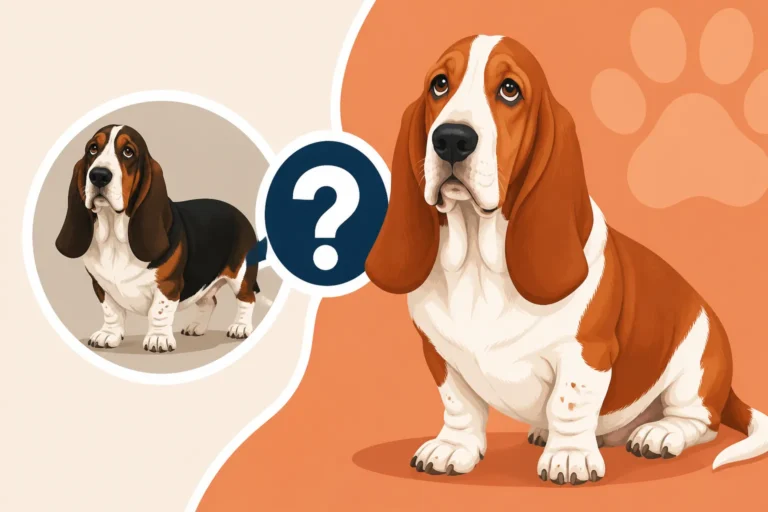
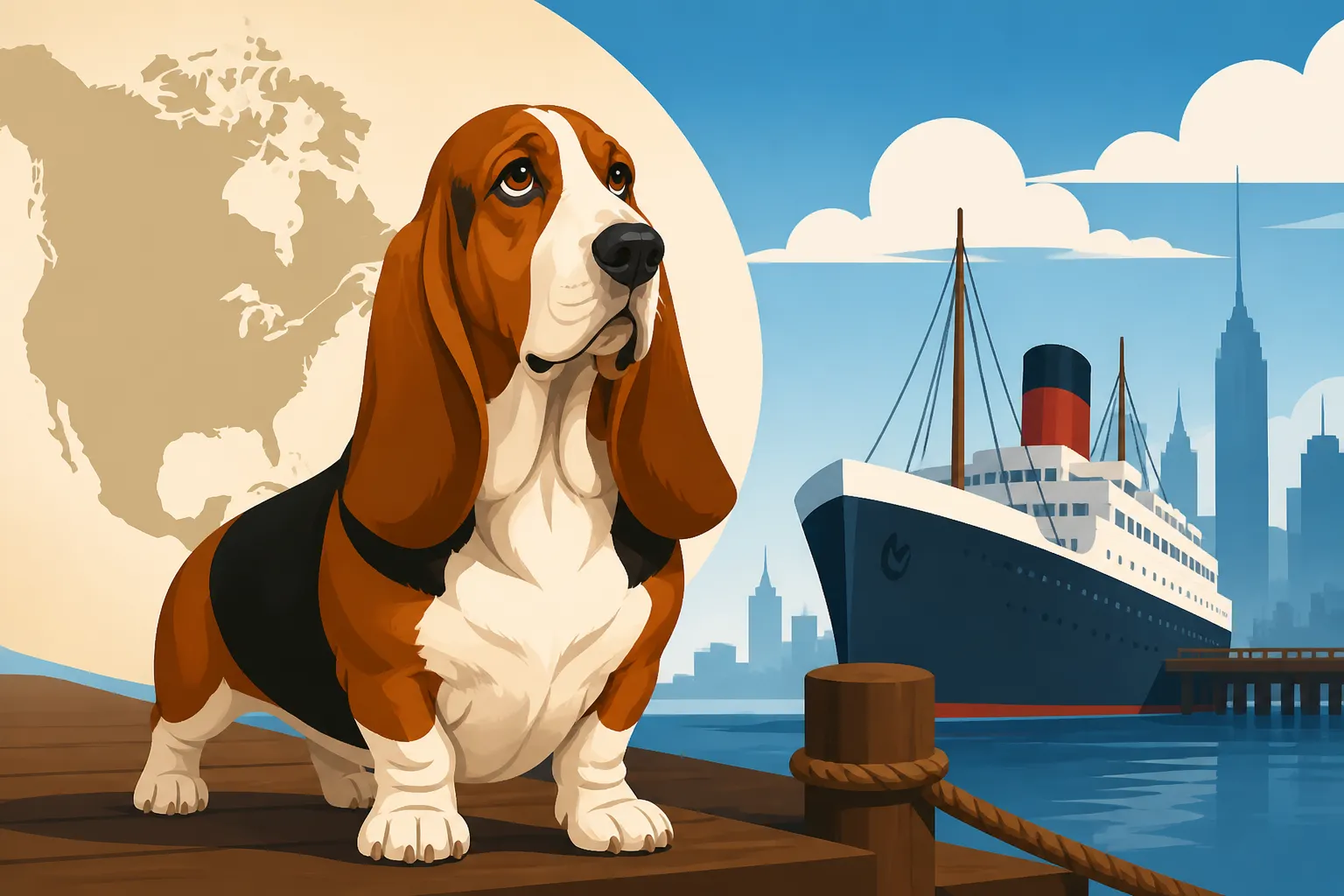
For anyone who has ever gazed into the soulful eyes of a Basset Hound, with those impossibly long ears and dignified, low-slung body, you might wonder about the breed's origins and how such a unique dog made its way to the shores of America. It’s a journey steeped in history, nobility, and the enduring human appreciation for a dog with an unparalleled sense of smell, and this guide will trace the fascinating path of the Basset Hound from its European roots to its beloved status in American homes.
Early European Roots and the Desire for a Scent Hound
Before Basset Hounds were charming American families or gracing magazine covers, they were hard-working hunting dogs, meticulously developed in Europe. Their story is deeply intertwined with the aristocratic hunting traditions of France, where a specific type of hound was needed for a particular kind of pursuit. Understanding these foundational elements helps us appreciate why this breed was so appealing when it finally crossed the Atlantic.
The French Origins and Royal Connections
The Basset Hound's lineage can be traced back to 16th-century France, where monks at the Abbey of Saint Hubert, in what is now Belgium, played a significant role in developing various scent hounds. These dedicated individuals, often associated with St. Hubert, the patron saint of hunters, were instrumental in breeding dogs with exceptional noses. Their efforts weren't just about creating efficient hunting companions; they were about perfecting a line of hounds known for their unwavering focus on a scent trail, a trait that would define the Basset Hound for centuries to come. You might hear whispers of The Abbey Hounds a Basset Hound Descends From – that’s precisely where our story begins.
These early hounds were large and powerful, but over time, hunters realized the need for a different kind of dog. Imagine hunting on foot through dense underbrush, trying to keep up with a fast-paced hound. It was exhausting and often meant losing track of the dogs. This practical challenge led to the development of a shorter-legged version of these noble hounds. The French nobility, keen on leisurely hunting pursuits where they could follow the chase on foot, saw immense value in a slower, more deliberate scent hound. This preference for a ground-hugging hunter directly contributed to the unique physical characteristics we now associate with the Basset Hound.
The name "Basset" itself is a clue, derived from the French word "bas," meaning "low." This wasn't just a descriptive term; it became a defining characteristic of a whole group of low-slung dogs. These "bassets" were prized for their ability to follow a cold trail with incredible precision, their low stature keeping their noses closer to the ground, allowing them to detect subtle nuances of scent that taller hounds might miss. It was a brilliant adaptation for the hunting styles of the era, and it laid the groundwork for the breed that would eventually capture hearts worldwide.
How Short Legs Became a Trait
The distinctive short legs of the Basset Hound weren't an accident or a whimsical choice; they were a deliberate genetic trait that proved immensely advantageous for specific hunting conditions. This characteristic, known as achondroplasia, results in disproportionately short limbs relative to the body's length. While it's a genetic anomaly, in the context of these hounds, it was cultivated because it perfectly suited the hunters' needs. A low-to-the-ground hound meant a slower chase, allowing hunters to follow on foot rather than on horseback, which was often impractical in thick forests.
These shorter legs allowed the dog to move through dense undergrowth with greater ease, preventing them from outrunning their human companions or getting lost in the heat of the chase. The deliberate breeding for this trait transformed these hounds into exceptionally persistent and methodical trackers. Their deep chests and heavy bone structure, combined with their short legs, gave them a powerful, unstoppable drive once they locked onto a scent. It's truly fascinating to consider Whether a Basset Hound's Low Height Helps It Trail.
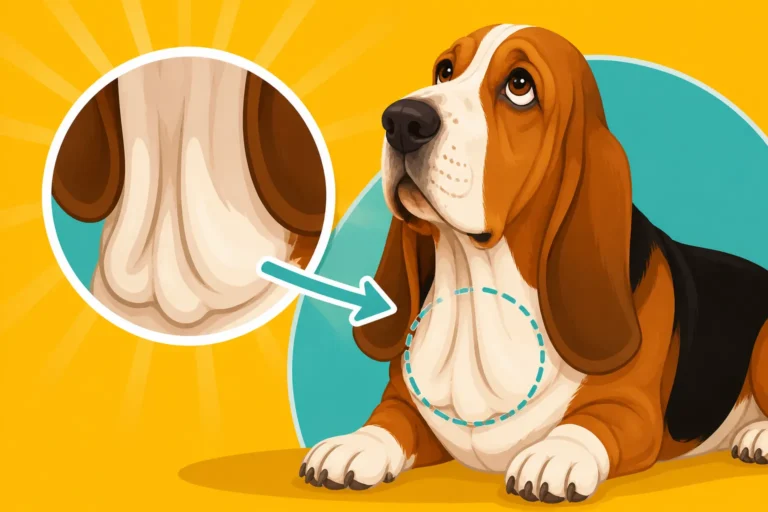
Beyond just the legs, the entire physical conformation of the Basset Hound, including its long, drooping ears and loose skin (often referred to as a "dewlap"), evolved to enhance its scenting abilities. The ears are thought to sweep scent particles towards the nose, creating a localized scent cone, while the wrinkles and folds of skin on the face and neck might also help trap scent. Every physical characteristic, from its low stance to its expressive face, serves a purpose in its original role as a scent hound, making it a perfectly engineered biological tool for trailing game.
The First Steps Across the Atlantic
The journey of the Basset Hound to America is a tale woven with threads of diplomacy, private passion, and a growing appreciation for unique canine companionship. While pinpointing the exact "first" Basset Hound to set paw on American soil can be tricky, historical accounts offer intriguing glimpses into their early arrival.
Lafayette's Alleged Gift to George Washington
One of the most enduring and romanticized stories of the Basset Hound's introduction to America involves the Marquis de Lafayette, the French hero who played a crucial role in the American Revolutionary War. The tale suggests that Lafayette, a known dog enthusiast, gifted a pack of Basset Hounds to none other than George Washington in 1785. Washington, himself a keen fox hunter, was naturally interested in hounds, and Lafayette certainly knew the value of fine hunting dogs.
While this story is widely circulated and adds a lovely historical flourish to the Basset Hound's narrative, historical records are a bit hazy on the specifics. Washington did indeed receive French hounds from Lafayette, and he was known to experiment with various breeds for his hunting pursuits at Mount Vernon. However, whether these were definitively Basset Hounds as we recognize them today, or perhaps another type of "basset" or short-legged hound from France, remains a subject of amiable debate among breed historians. What is undeniable is that French scent hounds, likely including low-stationed varieties, were certainly making their way into the nascent United States during this period, imported by prominent figures with a taste for European hunting traditions.
Regardless of the precise breed identification, the legend itself highlights the deep historical ties between France and America and the early cultural exchange that included beloved animals. These early imports, whether Basset Hounds or their close relatives, would have been highly valued for their hunting prowess and unique appearance, sparking initial curiosity and laying the groundwork for the breed's later widespread acceptance. It's a reminder that sometimes, the most influential stories are those that capture the imagination, even if the fine details are a little blurred by time.
Early Documented Imports and Private Enthusiasts
While the Lafayette-Washington connection is a compelling legend, more concrete documentation of Basset Hounds arriving in America appears later in the 19th century. One of the most significant early imports is attributed to General George Washington Custer, of Little Bighorn fame, in 1867. He reportedly acquired a pair of Basset Hounds while serving in the military in Europe. Unfortunately, little is known about what became of these specific dogs or if they contributed to a lasting lineage in the States.
However, the breed truly began to establish a foothold through dedicated private enthusiasts and sportsmen. In the 1880s, several key individuals imported Basset Hounds from England and France. For instance, in 1883, Adam H. Forepaugh, a prominent circus owner from Philadelphia, imported a male Basset Hound named Nemours. Forepaugh was not just interested in exotic animals for his circus; he was also a serious dog fancier who understood the appeal and potential of these unique hounds. His imports were significant because they helped bring the breed into public consciousness, albeit initially through the novelty of a circus display.
Around the same time, others were importing Bassets for more traditional hunting and breeding purposes. For example, prominent breeder and sportsman, Mr. C.D. Burford, began importing dogs and became instrumental in promoting the breed. These individuals, driven by their love for the Basset's exceptional scenting ability and distinctive looks, formed the vanguard of the breed's establishment. They saw beyond the novelty to the genuine qualities that made the Basset Hound such a valuable addition to the American canine landscape, cultivating the early gene pool from which many American Bassets descend.
Establishing the Breed in America
Once Basset Hounds started arriving on American shores, the next crucial step was to organize and formalize their presence. This meant establishing breed clubs, setting standards, and gaining recognition from major kennel organizations. These efforts were vital in transitioning the Basset Hound from a collection of imported dogs to a recognized and celebrated breed within the American dog fancy.
The Role of Early American Breeders and Kennels
The passionate commitment of early American breeders was absolutely fundamental to establishing the Basset Hound. These individuals weren't just importing dogs; they were dedicating themselves to understanding the breed's unique characteristics, carefully selecting breeding pairs, and working to propagate healthy and true-to-type Bassets. It's a challenging endeavor, especially when dealing with a relatively rare or newly introduced breed, as you're starting with a limited gene pool and often facing hurdles in understanding potential genetic health issues. Many of these early breeders had to learn through trial and error, relying on their instincts and the sparse information available from European counterparts.
These pioneering breeders established the first Basset Hound kennels in America. They maintained meticulous records, tracing pedigrees and striving to meet the breed standards that were still somewhat fluid at the time. Their efforts went beyond just breeding; they often acted as advocates for the breed, educating the public and other dog fanciers about the Basset Hound's temperament, abilities, and care requirements. Without their dedication, the Basset Hound might have remained a niche breed, known only to a few. Their enduring legacy is the foundation of the thriving Basset Hound population we see in America today, carefully built on generations of thoughtful breeding.
Think about the sheer dedication required to import dogs, often at great expense and with significant logistical challenges, just to nurture a breed you believe in. These early enthusiasts paved the way for future generations of Basset Hound lovers, creating a community around this unique dog. Their foresight and hard work ensured that the Basset Hound wasn't just a fleeting trend but a permanent fixture in the hearts and homes of Americans, moving it from a curiosity to a cherished companion.
Recognition by the American Kennel Club
The ultimate mark of a breed's establishment in America is its recognition by the American Kennel Club (AKC). This official stamp of approval signifies that a breed has a consistent standard, a sufficient population, and dedicated enthusiasts to support its continued development. For the Basset Hound, this milestone occurred in 1885. This was a pivotal moment, shifting the Basset from an intriguing foreign import to a formally recognized member of the American dog community.
AKC recognition brought with it several important implications. Firstly, it meant that Basset Hounds could now compete in AKC-sanctioned dog shows, which immediately elevated the breed's profile and encouraged breeders to conform to a unified standard of appearance and structure. This push for consistency helped solidify the Basset Hound's physical traits, from its long ears to its characteristic "sad" expression, ensuring that breeders were working towards a common goal. This standardization helped prevent the breed from diverging into too many different types.
Secondly, AKC recognition opened the doors for greater public awareness and interest. As Basset Hounds began appearing in shows and receiving more media attention, their unique charm became apparent to a wider audience. This increased visibility undoubtedly contributed to their growing popularity as both hunting companions and beloved family pets. It legitimized the breed, making it easier for new owners to find reputable breeders and learn more about The Basset Hound Against the Beagle or other breeds. This official recognition was not just a bureaucratic step; it was a springboard for the Basset Hound's enduring success and widespread affection in America.
The Basset Hound's Rise to Popularity
The Basset Hound’s journey in America didn’t stop at formal recognition. It continued to gain traction, eventually becoming one of the most recognizable and beloved breeds in the country. This rise to prominence was fueled by a combination of its inherent qualities and a surprising boost from popular culture.
From Hunting Companion to Family Favorite
Initially, Basset Hounds were primarily valued for their exceptional hunting abilities. Their low-slung bodies, incredible noses, and unwavering persistence made them ideal for trailing small game, particularly rabbits and hare. For American hunters, especially those who preferred to follow on foot, the Basset offered a unique advantage: a slow, methodical pace that allowed the hunter to keep up, ensuring a successful pursuit without exhausting themselves or losing the trail. This practical utility was the initial draw for many who imported and bred them. You can read more about Whether a Basset Hound Still Hunts in modern times.
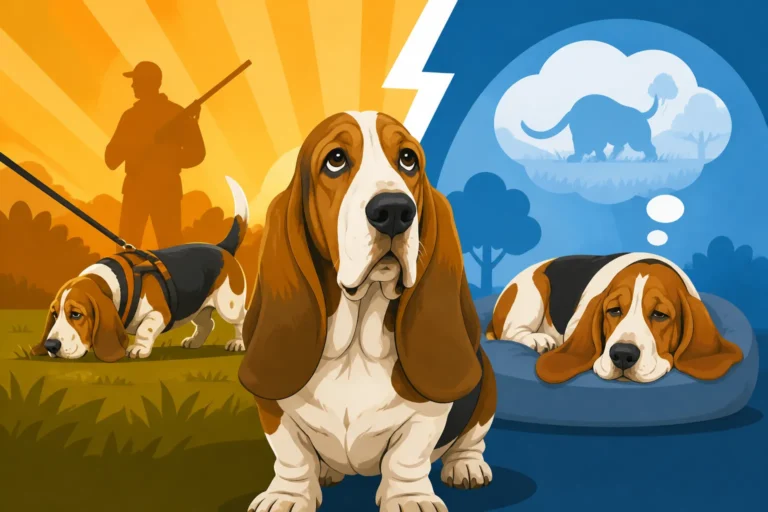
However, as the 20th century progressed and society shifted, the role of many dog breeds began to evolve. While their hunting instincts remained, Basset Hounds started to be appreciated equally, if not more, for their calm demeanor, gentle nature, and endearing personalities. Their patient and tolerant disposition made them excellent companions for families, often getting along wonderfully with children and other pets. The image of a Basset Hound curled up by the fireplace, snoring softly, began to replace the image of a Basset Hound baying on a trail.
This transition from a purely utilitarian hunting dog to a cherished family member was a significant factor in their growing popularity. People discovered that beneath the serious, scent-driven exterior lay a deeply affectionate, humorous, and loyal companion. Their relatively low exercise needs compared to some other hound breeds also made them more suitable for suburban living, where extensive hunting grounds weren't readily available. This adaptability helped solidify their place in American homes, ensuring their appeal extended far beyond the hunting field.
The Impact of Media and Pop Culture
The Basset Hound's rise to icon status in America received a massive boost from its frequent appearances in media and popular culture. Unlike many breeds that quietly gained popularity, the Basset Hound seemed destined for the spotlight, its distinctive appearance making it instantly recognizable and inherently memorable. One of the most famous examples of this cultural impact was the use of Basset Hounds in advertising, particularly for the American shoe company, Hush Puppies.
Beginning in the late 1950s, the Hush Puppies brand adopted the Basset Hound as its mascot. The dog’s droopy, soulful expression perfectly embodied the comfortable, relaxed image the company wanted to convey. This marketing campaign was incredibly successful, making the Basset Hound a household name and instantly linking it with a sense of comfort and ease. The "Hush Puppies dog" became synonymous with the breed, introducing Basset Hounds to millions who might never have encountered one otherwise. It’s even been speculated Whether a Shoe Advertisement Made the Basset Hound Famous.
Beyond advertising, Basset Hounds also made their mark in television and film. Think of "Fred" from the 1970s TV show The Dukes of Hazzard, or "Flash" from the Smokey and the Bandit movies. Their somewhat comical, often clumsy appearance, combined with their inherent dignity, made them scene-stealers. Elvis Presley famously sang "Hound Dog" to a Basset Hound named Sherlock on The Steve Allen Show in 1956, cementing the breed's place in American entertainment history. These widespread media appearances solidified the Basset Hound's image in the American psyche, transforming them into cultural icons and ensuring their enduring popularity across generations.
Distinguishing American Basset Hounds
While the Basset Hound's core characteristics remain universal, its development in America, guided by specific breeding goals and kennel club standards, has led to some subtle distinctions. These differences, often observed when comparing American Bassets to their European counterparts, reflect the varying priorities of breeders and the specific cultural contexts in which the breed has evolved.
Evolution of the American Standard
The American Kennel Club's breed standard for the Basset Hound serves as a blueprint for breeders and judges, outlining the ideal physical and temperamental characteristics of the breed. Over the decades, this standard has guided American breeders in their selections, influencing the direction of the Basset Hound's development in the United States. While rooted in the original French and British standards, the American interpretation has emphasized certain traits, sometimes leading to subtle shifts in conformation.
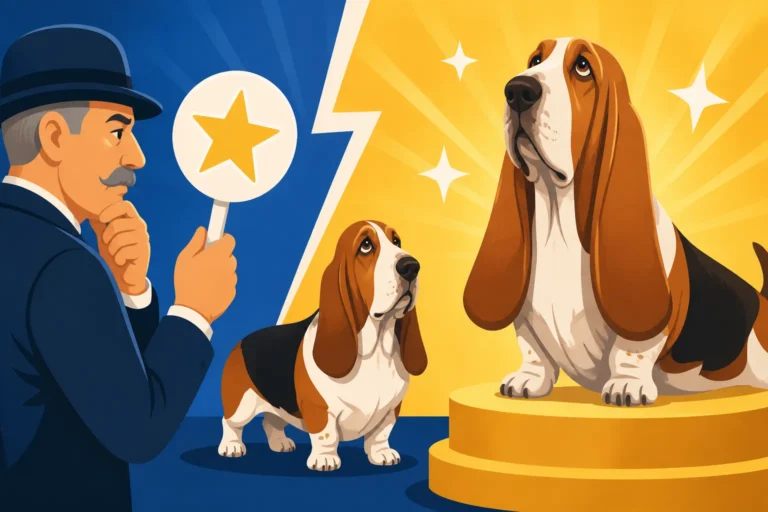
Historically, there has been a divergence between "show-bred" Basset Hounds and "field-bred" Basset Hounds, even within America. Show breeders tend to prioritize characteristics outlined in the AKC standard, focusing on aspects like overall balance, head type, ear length, and coat color for aesthetic appeal in the show ring. This emphasis can sometimes lead to an exaggeration of certain features, such as exceptionally long ears or an abundance of loose skin, all within the bounds of what the standard permits and what judges reward. These choices are made to meet specific judging criteria and contribute to the overall impression in competition.
In contrast, those who breed Bassets specifically for hunting or field trials might place a greater emphasis on functional attributes, such as stamina, keen scenting ability, and structural soundness that supports working for long hours in various terrains. While they still adhere to the general breed type, their focus might be less on extreme cosmetic features and more on practical working traits. This careful distinction in breeding goals has contributed to Whether Show and Field Basset Hounds Differ over time, creating a nuanced landscape within the American Basset Hound population.
Subtle Differences in Appearance or Temperament
When you look at Basset Hounds across different continents, you might notice subtle variations. American Basset Hounds, particularly those bred for the show ring, often tend to exhibit more exaggerated features compared to some of their European relatives, especially those from countries that prioritize working ability or a less extreme interpretation of the standard. This might include longer ears, more prominent dewlaps, and a greater amount of loose skin on the body and face. The goal in American show lines is often to present a dog that epitomizes the "Basset Hound look" as defined by the AKC, which often means celebrating these unique, somewhat exaggerated physical traits.
In terms of temperament, while the core Basset personality of being gentle, patient, and somewhat stubborn remains universal, there can be slight variations influenced by breeding selection. American Bassets, particularly those from long lines of companion animals, might be perceived as slightly more laid-back or less intensely driven by scent than their working European counterparts. This isn't to say an American Basset can't hunt, or that a European Basset isn't a good pet, but rather that centuries of selective breeding can subtly shift tendencies. A strong emphasis on companionship and show traits over generations can naturally lead to a slightly different expression of the breed's inherent character.
For example, a Basset Hound bred from a long line of American champions might have a slightly different energy level or prey drive than one imported from a European hunting pack. These differences are generally subtle, not definitive, and often come down to individual genetics and early socialization more than broad continental distinctions. However, understanding these potential nuances can be helpful for prospective owners who are looking for a Basset Hound that best fits their lifestyle and expectations, whether they value traditional hunting aptitude or a relaxed family companion.
| Key Milestones in Basset Hound's Arrival in America |
| :————————————————- | :———————————————————————————————— |
| Era / Year (Approx.) | Event / Significance |
| Late 18th Century | Alleged gift of French hounds by Lafayette to George Washington, sparking early interest. |
| 1867 | General George Armstrong Custer reportedly imports Basset Hounds to the US. |
| 1883 | Adam H. Forepaugh, circus owner, imports Nemours, bringing the breed to public attention. |
| 1885 | American Kennel Club (AKC) officially recognizes the Basset Hound as a distinct breed. |
| Early 20th Century | Dedicated American breeders establish kennels, develop local lines, and promote the breed. |
| Mid-20th Century (1950s onwards) | Hush Puppies shoe brand adopts the Basset Hound as its mascot, leading to widespread recognition. |
| Mid-Late 20th Century | Appearances in popular culture (TV, movies) solidify Basset Hound as an American icon. |
The story of the Basset Hound reaching America is more than just a historical footnote; it’s a testament to the enduring appeal of this remarkable breed. From its origins as a specialized hunting dog in the French countryside to its current status as a cherished family member and cultural icon in the United States, the Basset Hound has carved out a unique and beloved niche. Its journey across the Atlantic, propelled by enthusiastic breeders and a public charmed by its distinctive looks and gentle nature, ensures that this noble, low-slung hound will continue to waddle its way into American hearts for generations to come. And while you might wonder What a Basset Hound Costs a Year to Keep in modern times, their historical journey was certainly priceless.
Disclaimer
This article is for general informational purposes only and does not constitute professional advice. Laws, prices and regulations vary by location and change over time. Consult a qualified professional for guidance on your specific situation.